Muzikanten en dansend boerenpaar — History & Analysis
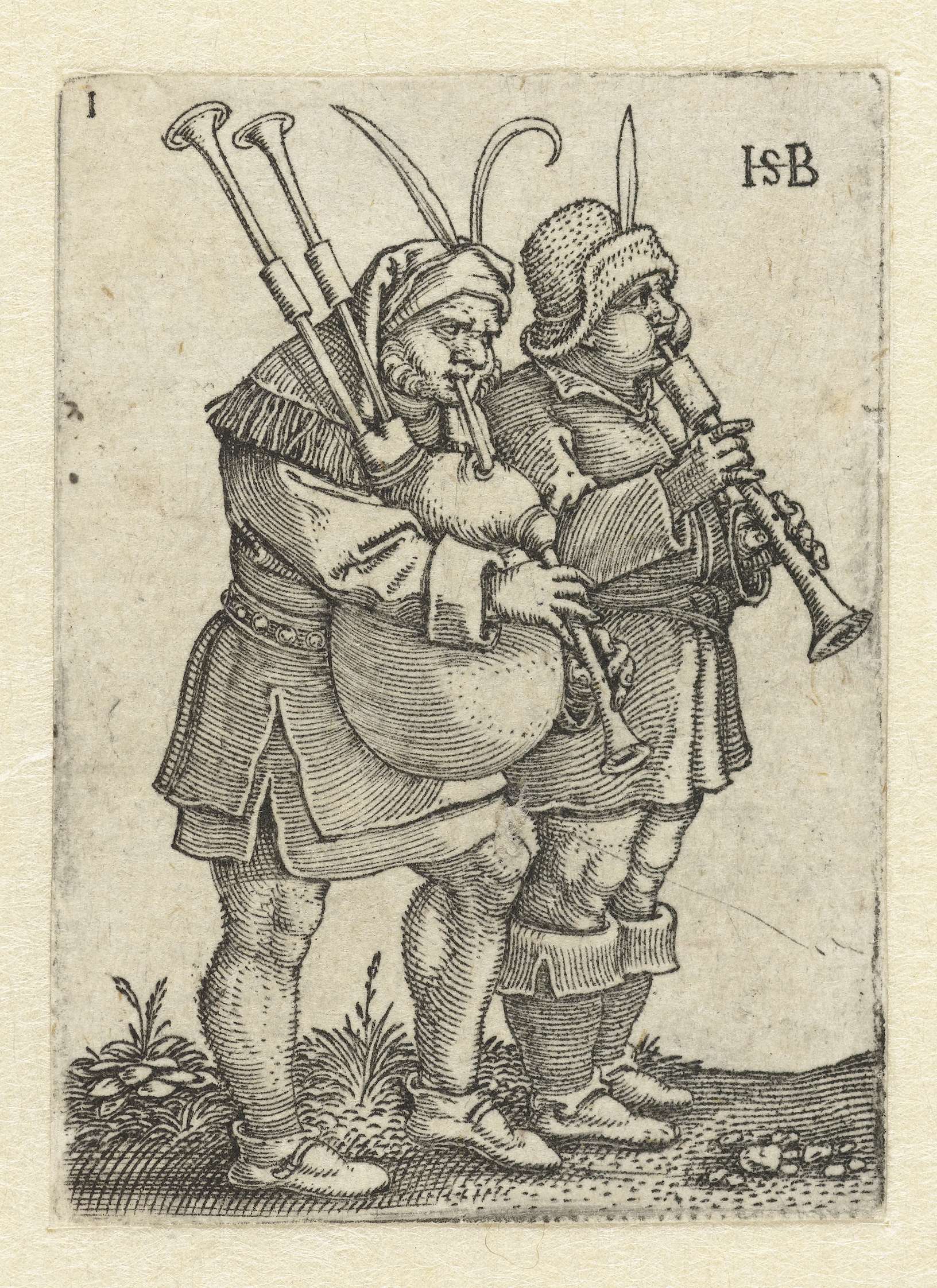
Where does light end, and longing begin? In the vibrant dance of life, we often find ourselves at the crossroads of joy and fate, where our destinies intertwine like the melodies that surround us. Look to the left at the jovial musicians, their instruments cradled like cherished secrets. Notice how the bright colors of their garments contrast with the earthy tones of the landscape, drawing your gaze to their animated expressions.
The way light bathes the dancers in a warm glow evokes a sense of intimacy and celebration, inviting you to join their revelry. Each brushstroke feels deliberate, capturing not just bodies in motion but the very essence of life itself. Yet, nestled within this joyous scene lies a poignant tension — the exuberance contrasts sharply with the background, hinting at the fleeting nature of happiness. The couple's embrace is both tender and temporal, suggesting that destiny can shift in an instant.
The musicians, while uplifting the mood, remind us of the ephemeral nature of joy, crafting a subtle dialogue between celebration and the inevitable passage of time. In 1546, Hans Sebald Beham created this work during a period of profound change in the art world, transitioning from medieval themes to a greater focus on human emotion and realism. Living in Nuremberg, he was part of the Northern Renaissance, where artists sought to capture not only the external world but the inner lives of their subjects. This painting reflects not just a moment in time, but a broader cultural shift towards the appreciation of everyday life and its complexities.