Naakte vrouw zittend op wapenrusting — History & Analysis
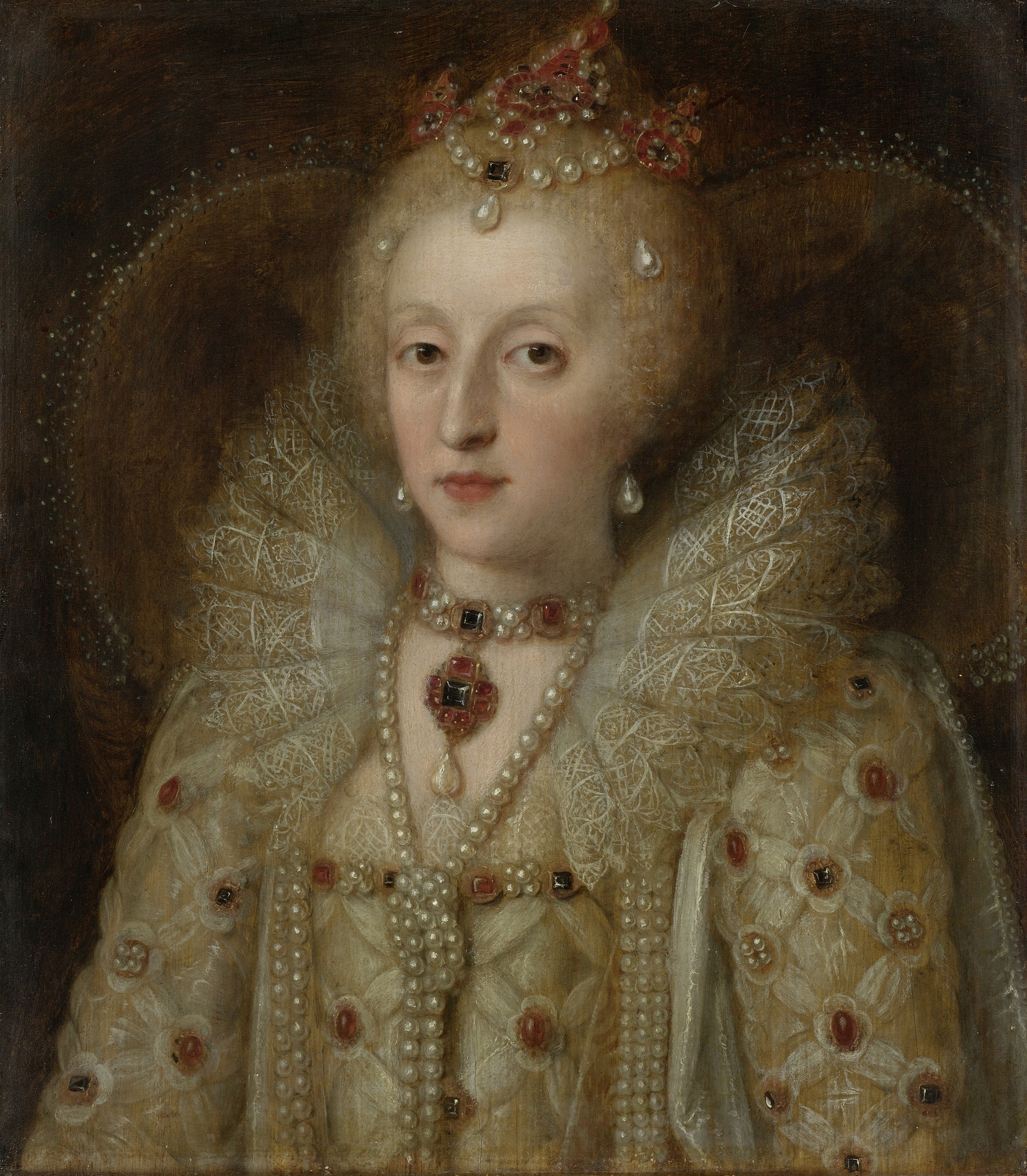
Did the painter know this moment would outlive them? In an age of upheaval and transformation, the image of vulnerability seated upon armor evokes questions of strength and fragility, merging the eternal with the ephemeral. Look to the center of the canvas, where the figure of the reclining woman commands attention. Her bare skin contrasts sharply with the cold, metallic surfaces of the armor, hinting at the tension between human tenderness and the harshness of battle.
The soft curves of her form are beautifully rendered, inviting the viewer to explore the juxtaposition of life and war. Notice how the muted earth tones envelop her in warmth, while the cold gleam of the armor seems to stand as a silent witness to her repose. As the eye wanders, you may perceive the dichotomy of power and vulnerability portrayed here. The woman's serene expression suggests a quiet strength, an acceptance of her surroundings, while the imposing armor represents the conflicts that rage outside her intimate space.
This tension raises profound questions about the role of women in times of revolution and the interplay between beauty and warfare, reminding us of the fragility that often resides within strength. Created between 1512 and 1590, the context surrounding this work is steeped in a time of social and political turmoil in Europe. The Renaissance was in full bloom, and artists were exploring themes of humanism and individualism, often challenging traditional power structures through their depictions of the human experience. The unknown artist’s choice to depict a naked woman on armor captures a pivotal moment in art history, where the exploration of identity and emotion began to resonate deeply within the evolving narrative of society.