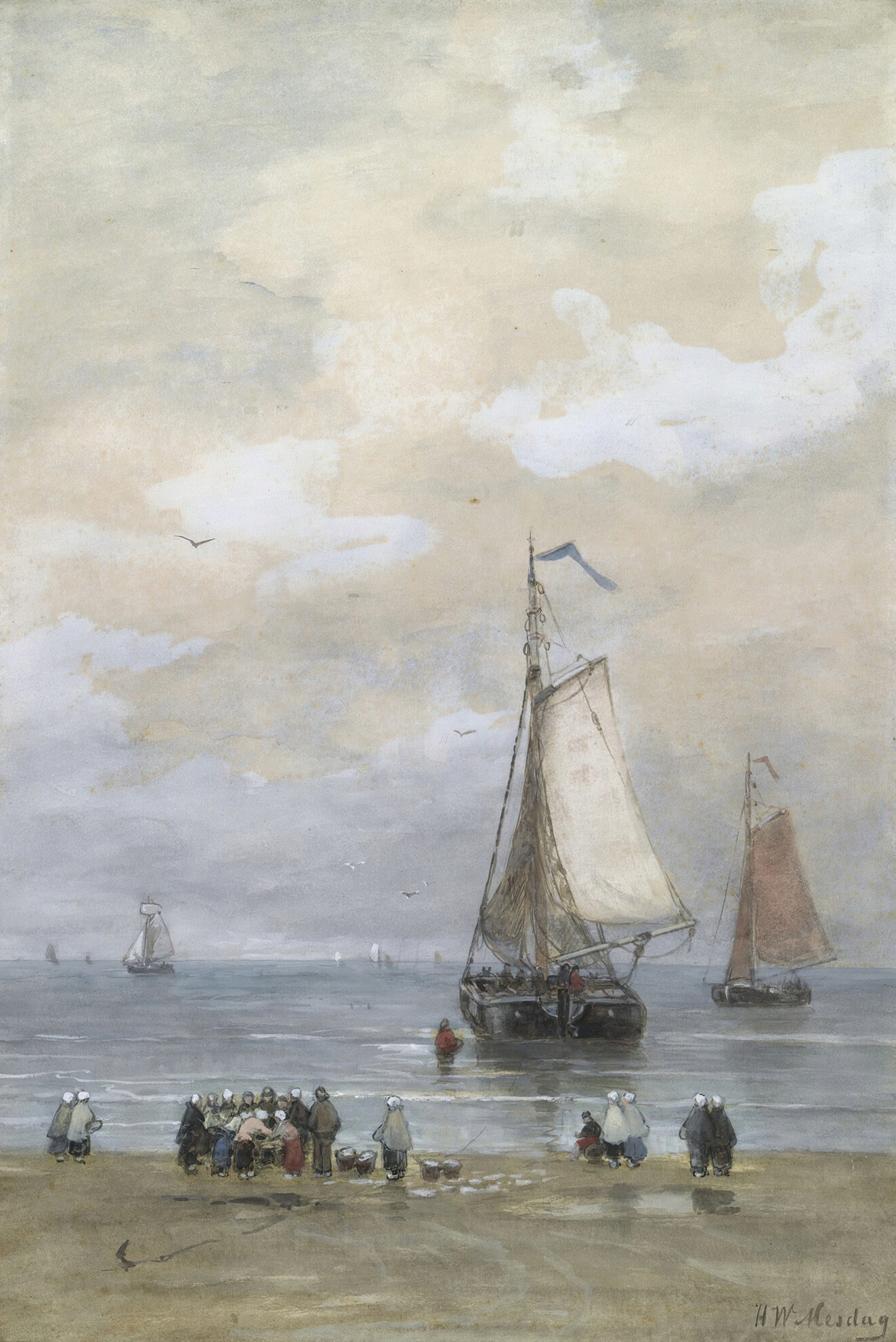
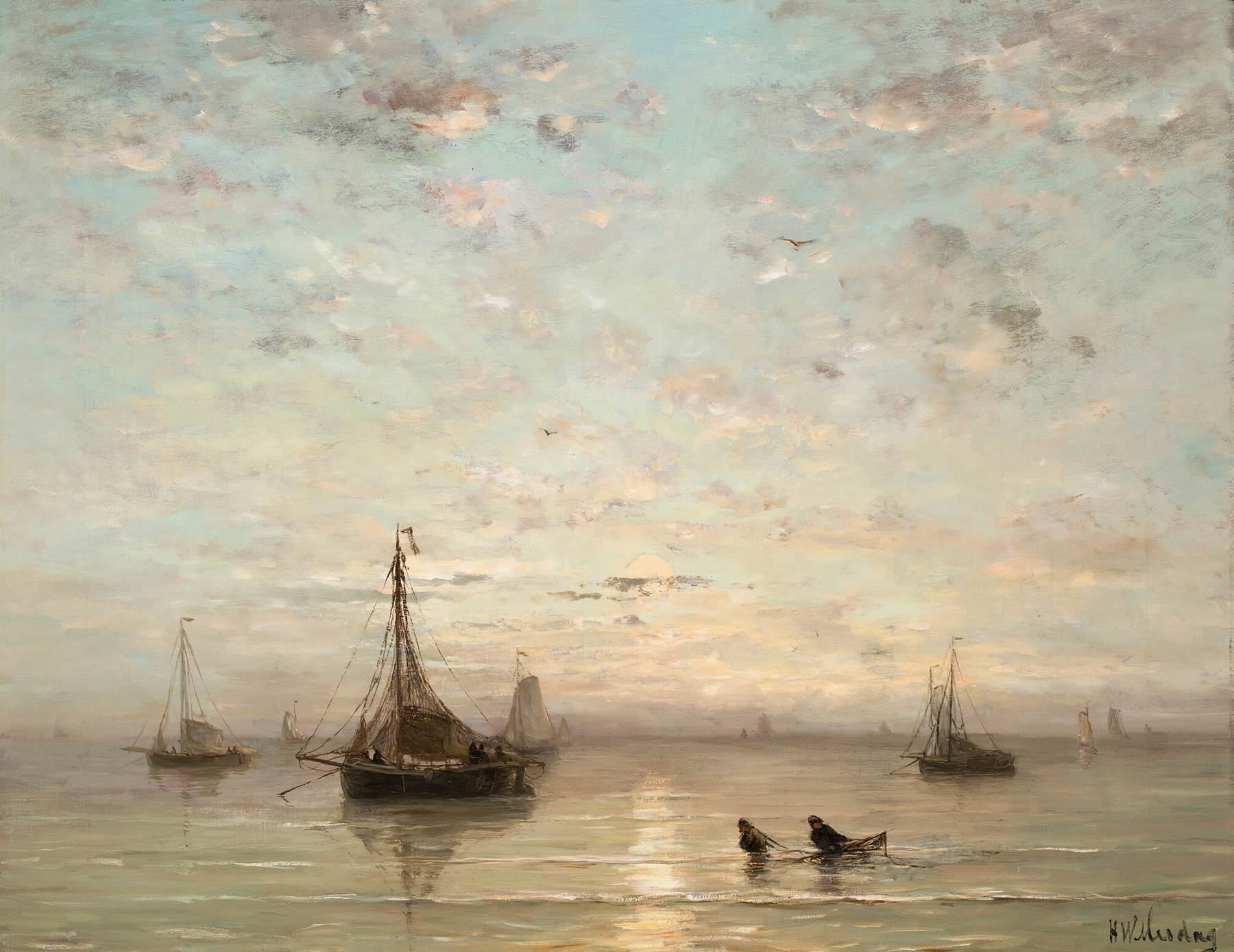
Off The Coast — History & Analysis
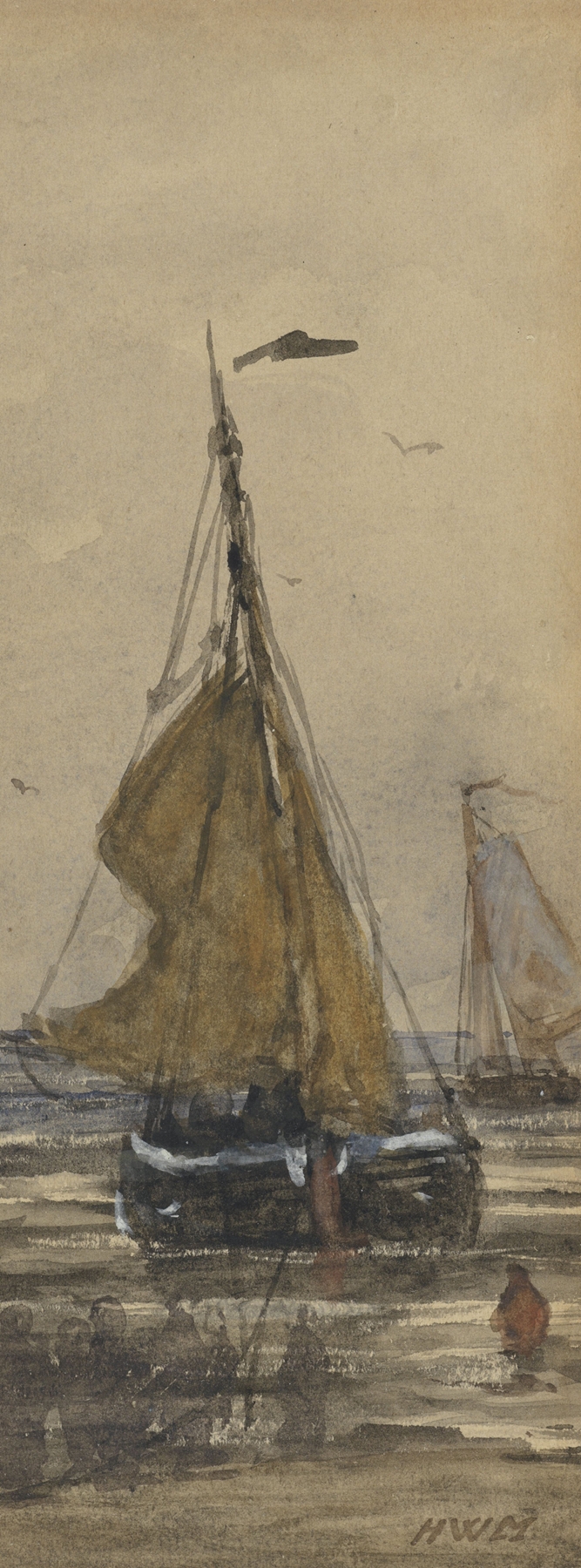
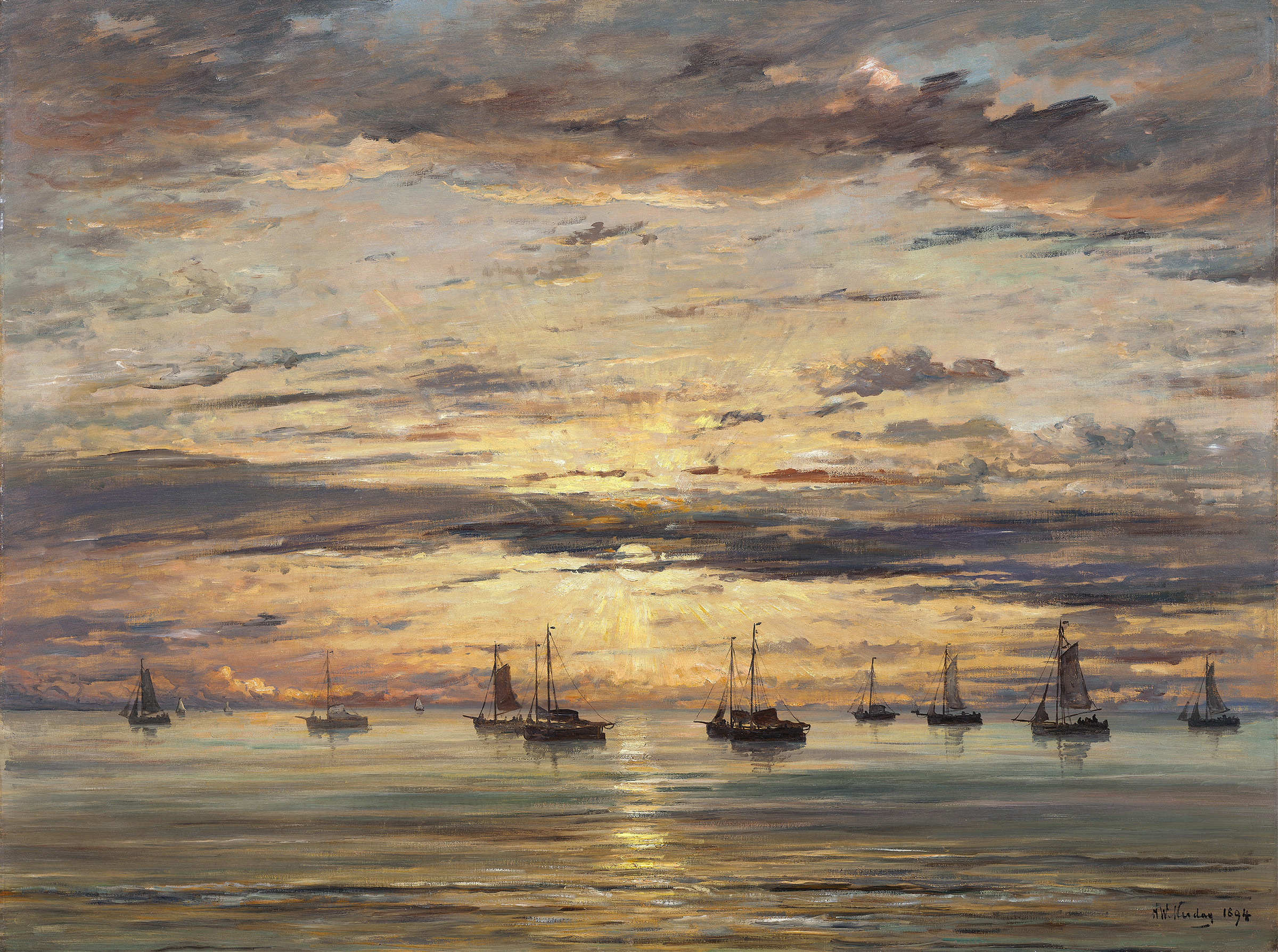
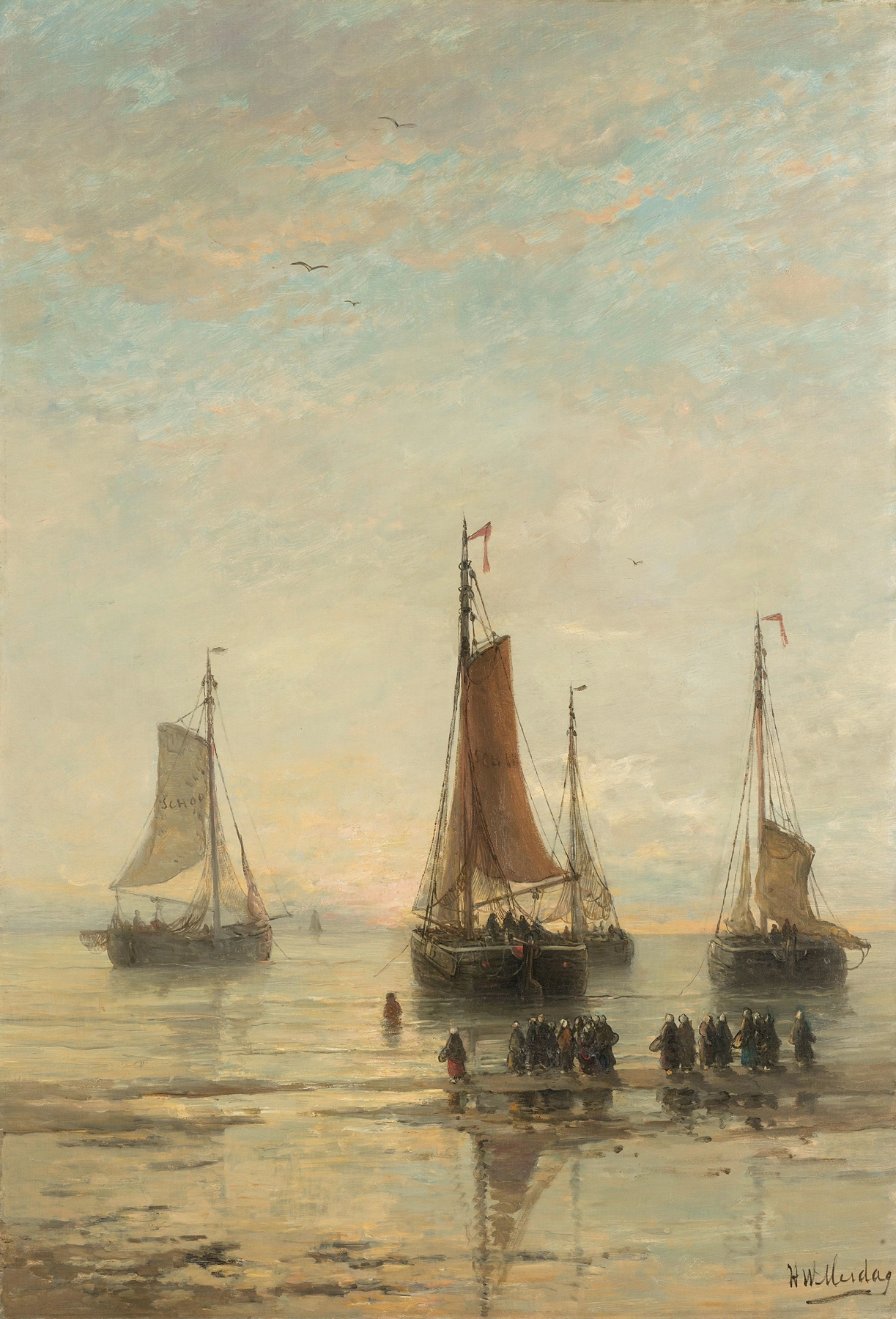
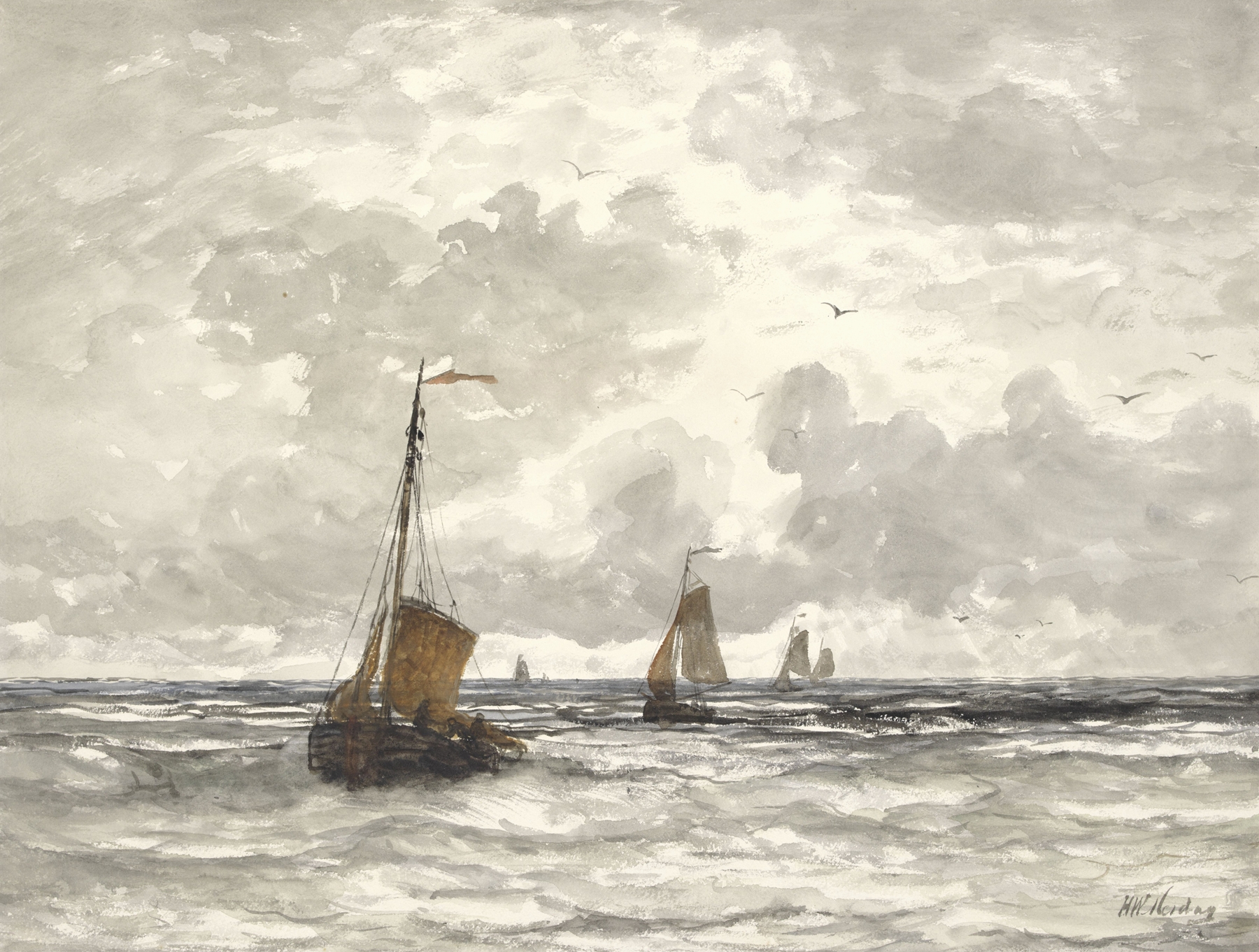
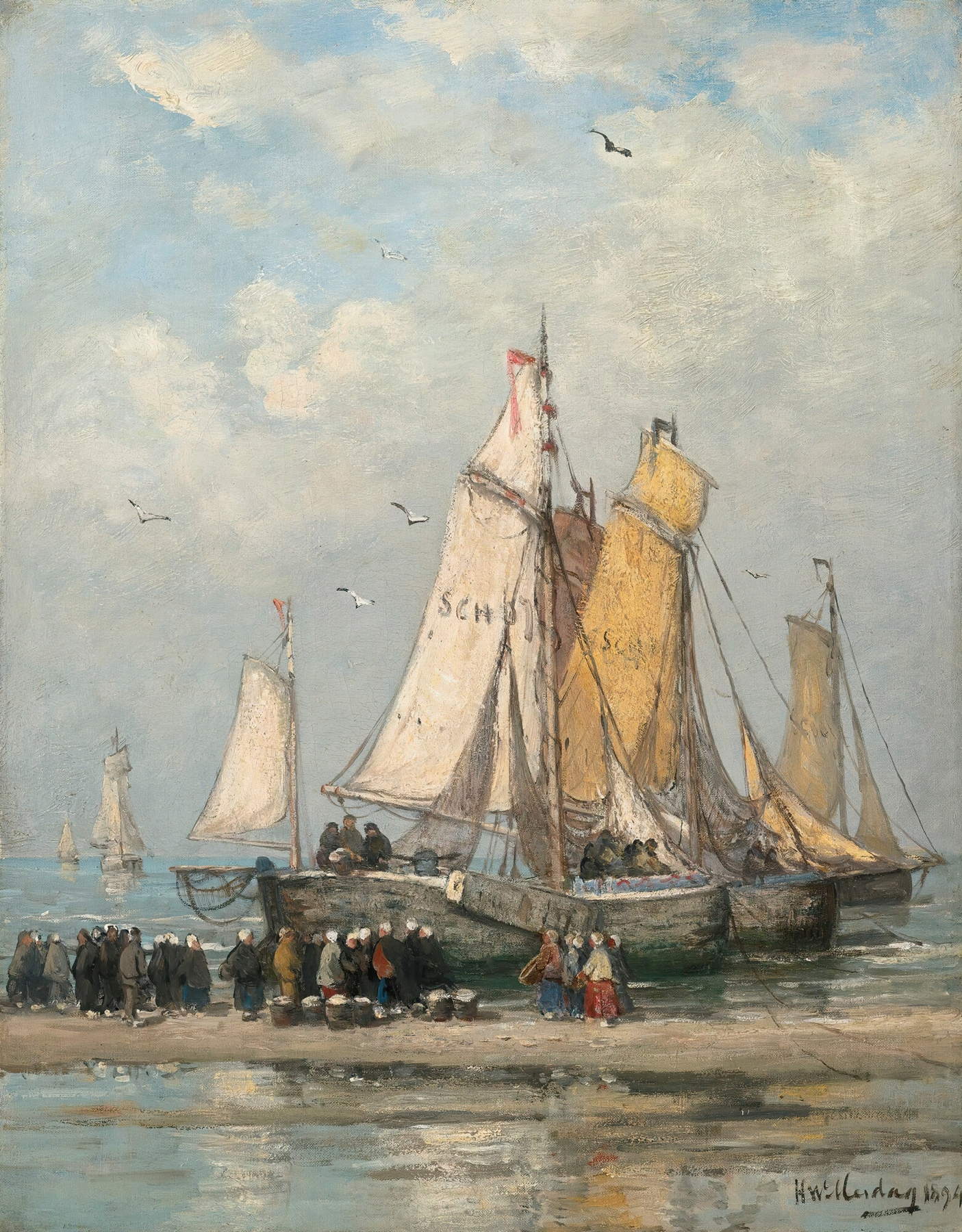
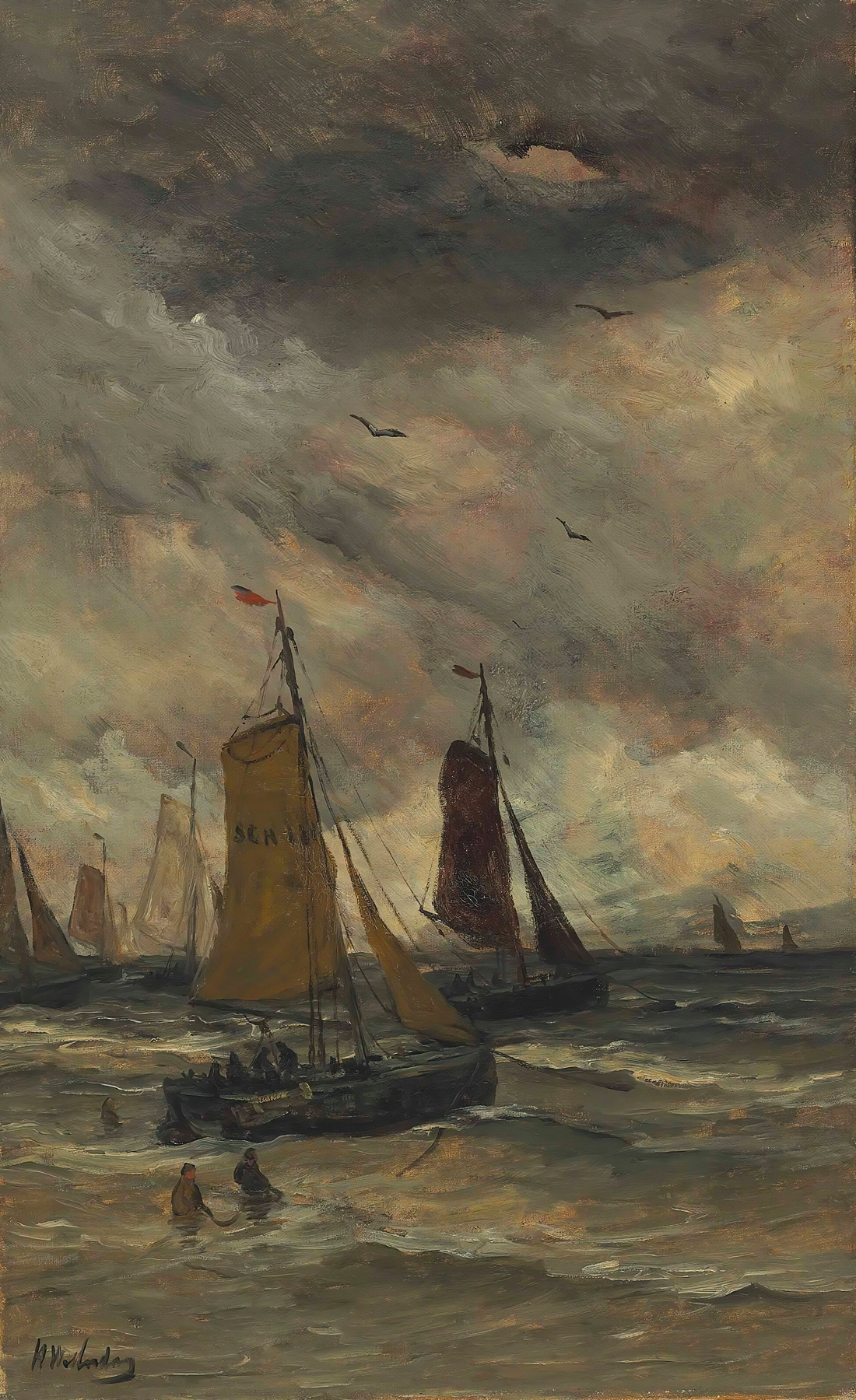
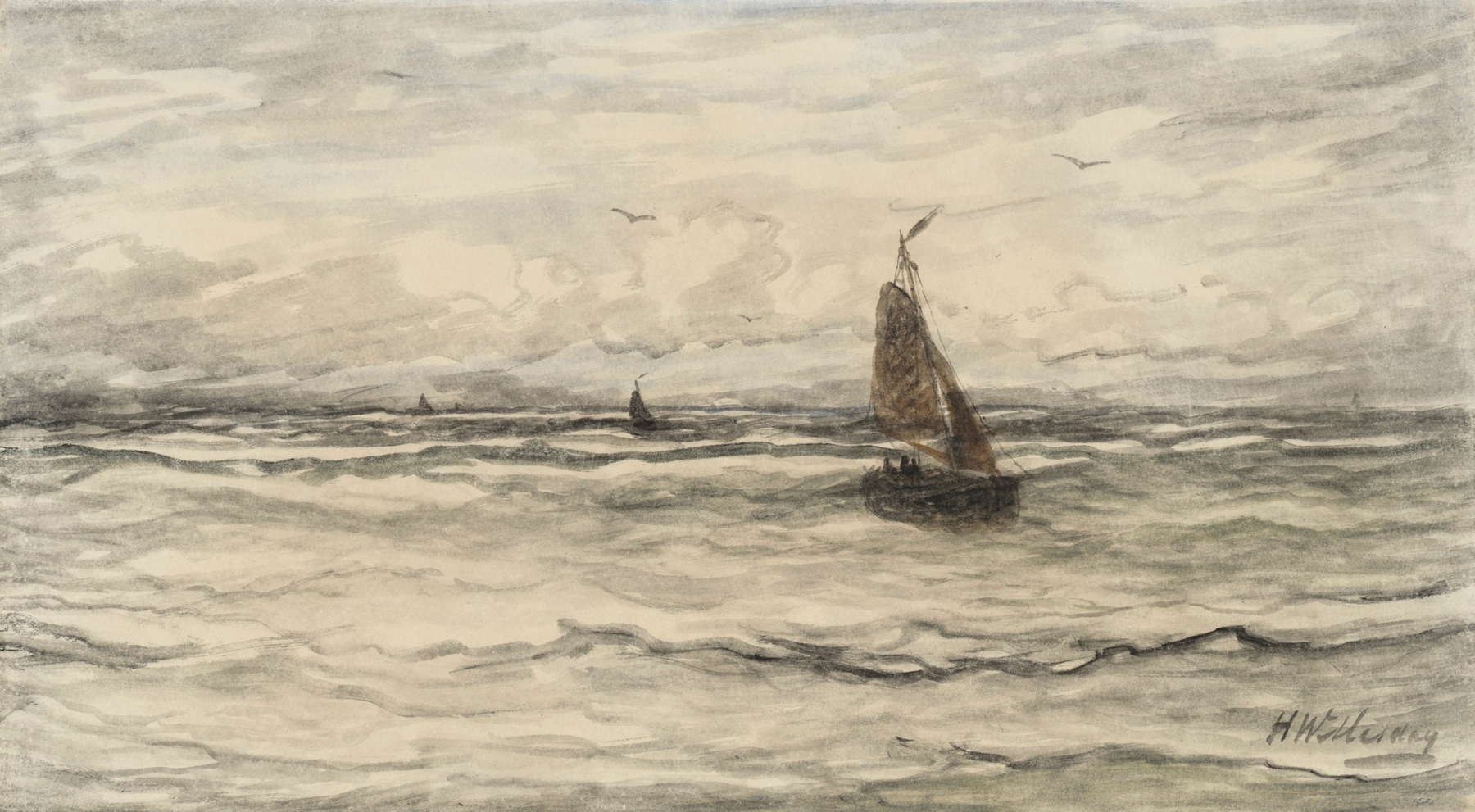
“Sometimes beauty is just pain, disguised in gold.” This sentiment resonates within a world where light flickers against shadows, revealing the deeper truths concealed beneath calm surfaces. Look to the horizon, where the sea meets the sky in a seamless blend of azure and cerulean. The luminous quality of light bathes the waves, each crest shimmering as if under a spell. Notice how the artist masterfully captures the interplay of sunlight dancing across the water’s surface, reflecting not only the beauty of nature but also the transient nature of existence.
The gentle brushstrokes create a mesmerizing texture, inviting the viewer to lose themselves in the infinite expanse. Yet, amidst this serene landscape lies a tension—a hint of longing infused in the fleeting beauty. The delicate balance between tumultuous waves and serene skies suggests an emotional undercurrent, perhaps a reflection of the artist’s own struggles. Small details like a solitary sailboat barely visible on the distant horizon echo the isolation inherent in the vastness of life.
Here, beauty becomes a metaphor for vulnerability, revealing layers of emotions intertwined with the natural world. Hendrik Willem Mesdag painted this work during a period of artistic exploration in the late 19th century, a time when Dutch seascapes began to evolve with impressionistic influences. Living in The Hague, he immersed himself in the coastal landscapes that surrounded him, translating his experiences into evocative representations of nature. This era marked a significant shift in the perception of light and color, shaping Mesdag’s innovative approach to capturing the essence of the sea.