Omlijsting voor portret van Georg Friedrich Brander — History & Analysis
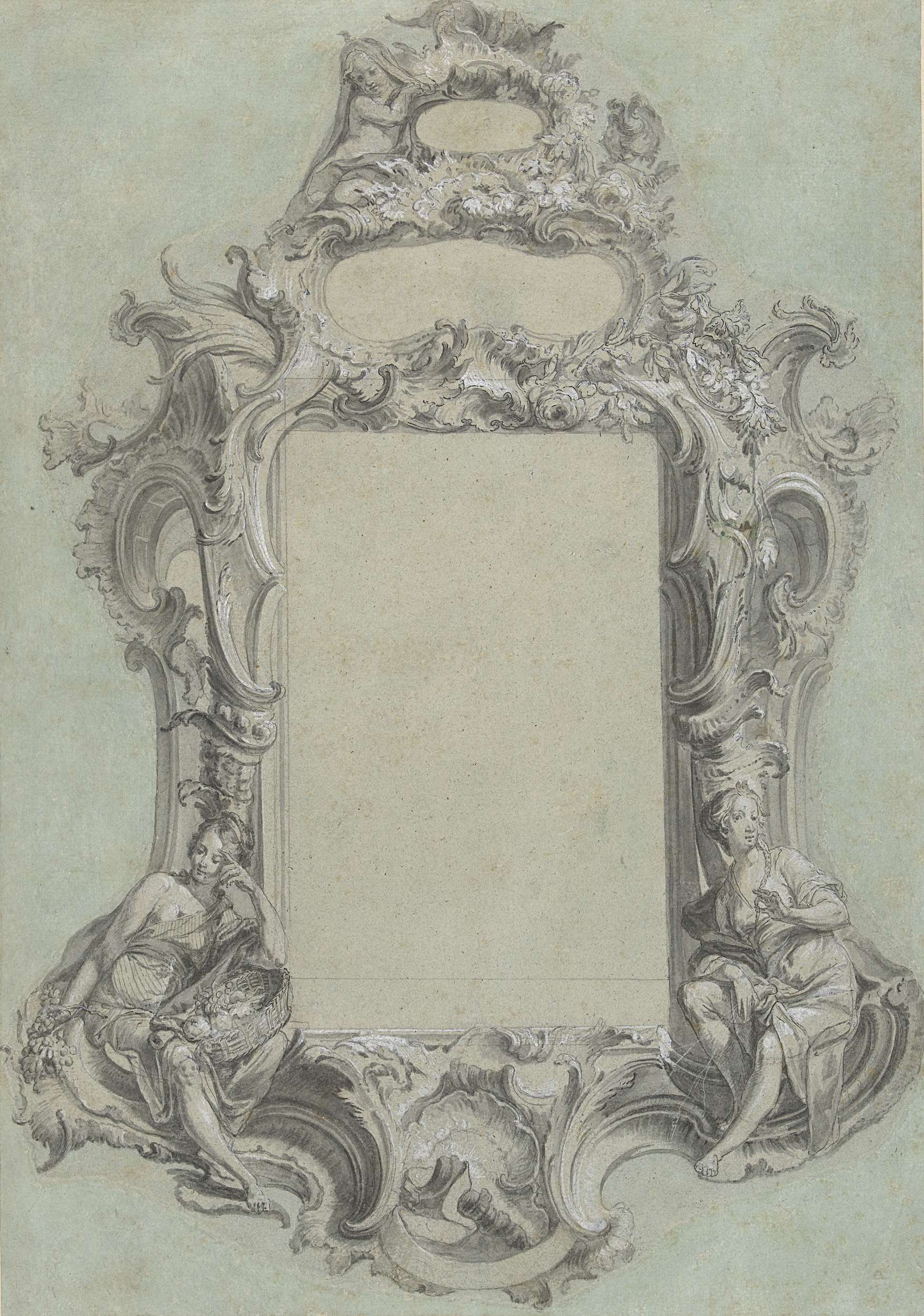
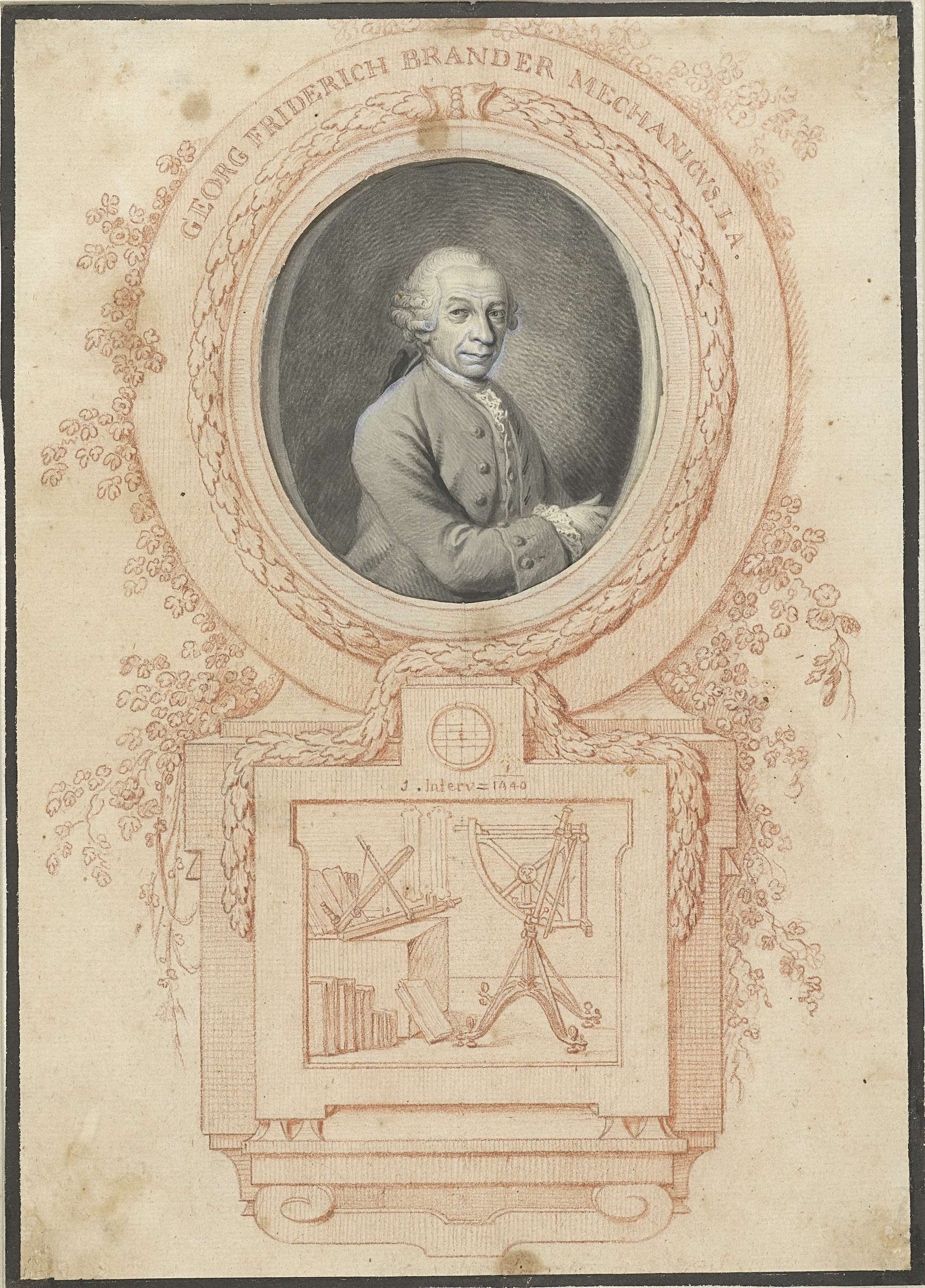
“Every silence here is a confession.” The absence of sound can often echo louder than any word, revealing the depths of loss and longing concealed within the human heart. Focus on the intricate frame surrounding the portrait — the craftsmanship draws the eye immediately. The ornate detailing serves not only as a border but as a silent tribute to the individuality of Georg Friedrich Brander, inviting viewers to ponder the life encapsulated within. Each curlicue and flourish reflects the meticulous attention of the artist, while the muted color palette speaks to the gravity of memory and absence.
Hidden amid these details lies a charged tension; the frame is both an enhancement and a barrier. It begs the question of how we preserve those we have lost, suggesting that beauty and sorrow coexist. The contrast between the liveliness of the frame and the stillness it surrounds evokes a poignant dialogue about mortality and legacy. This duality encapsulates not just Brander’s likeness but also the universal experience of holding onto what once was, yet cannot be revived.
Johann Esaias Nilson painted this work between 1769 and 1774, a time when portraiture flourished in Europe, emphasizing individual identity and social status. Nilson, navigating his own artistic journey, was influenced by the rising trends of neoclassicism and the longing for deeper emotional expression in art. The piece emerges from an era marked by exploration and reflection, mirrored in the work’s contemplative nature, symbolizing the artist’s personal and societal understanding of loss.