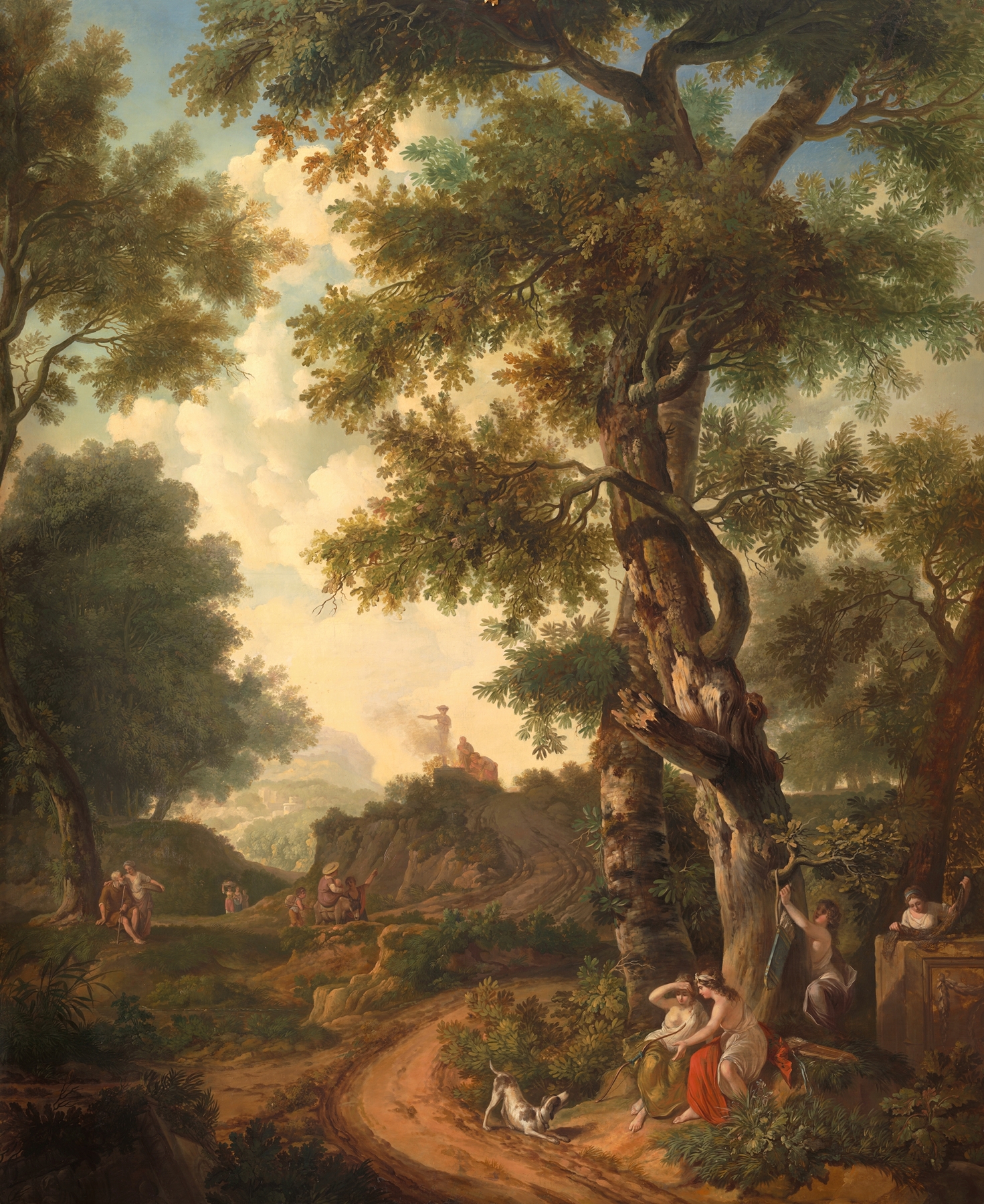
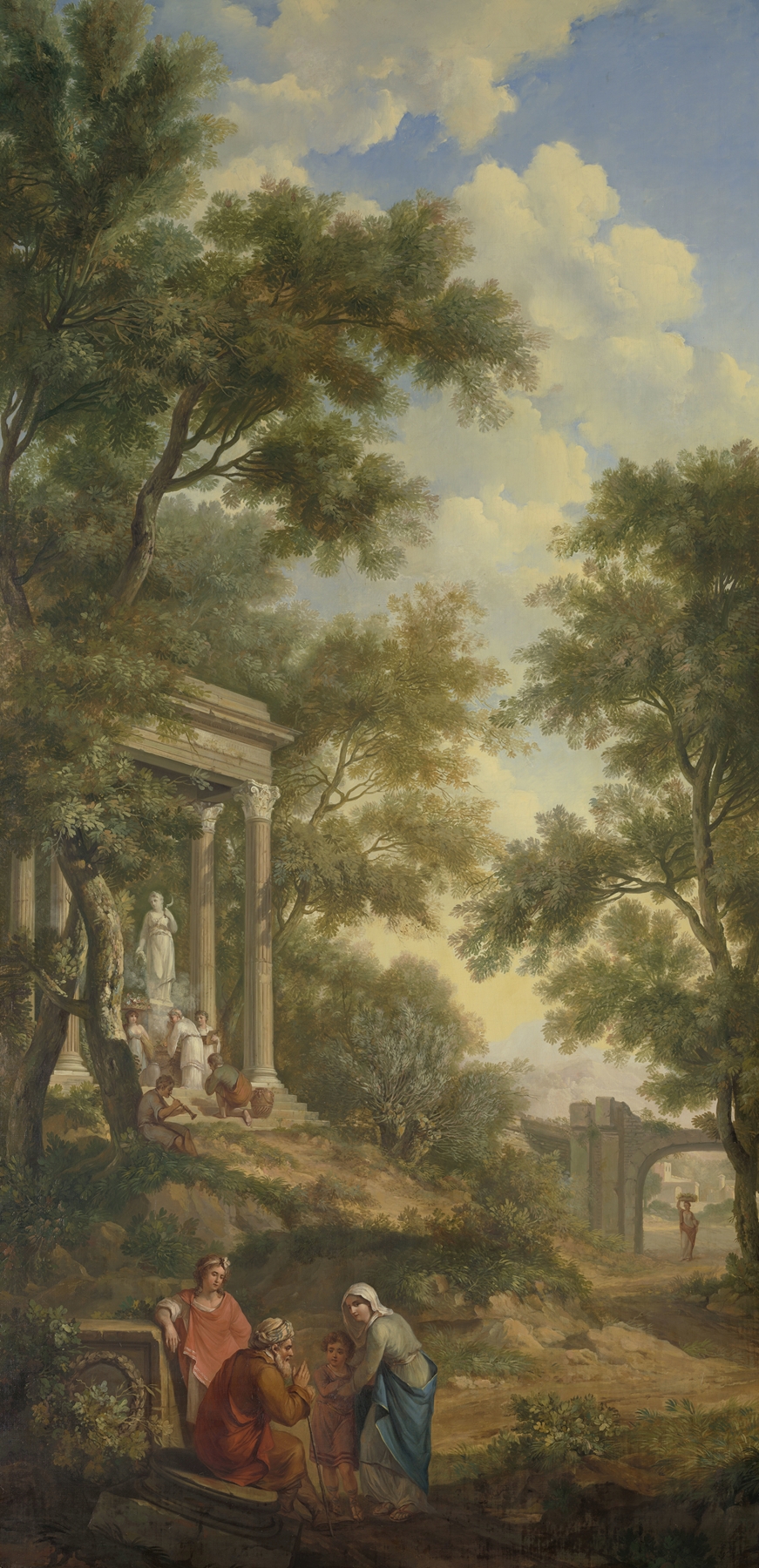
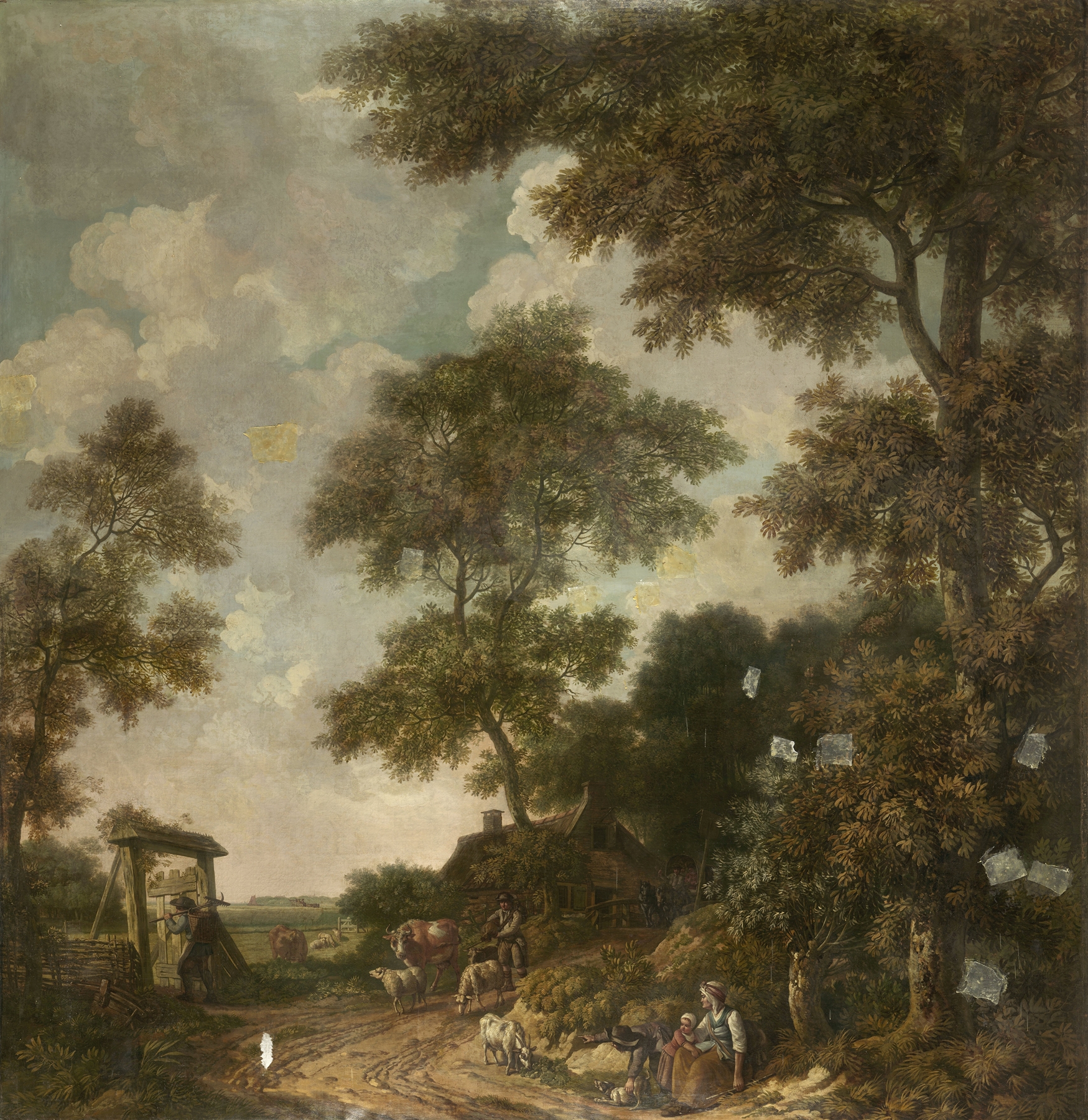
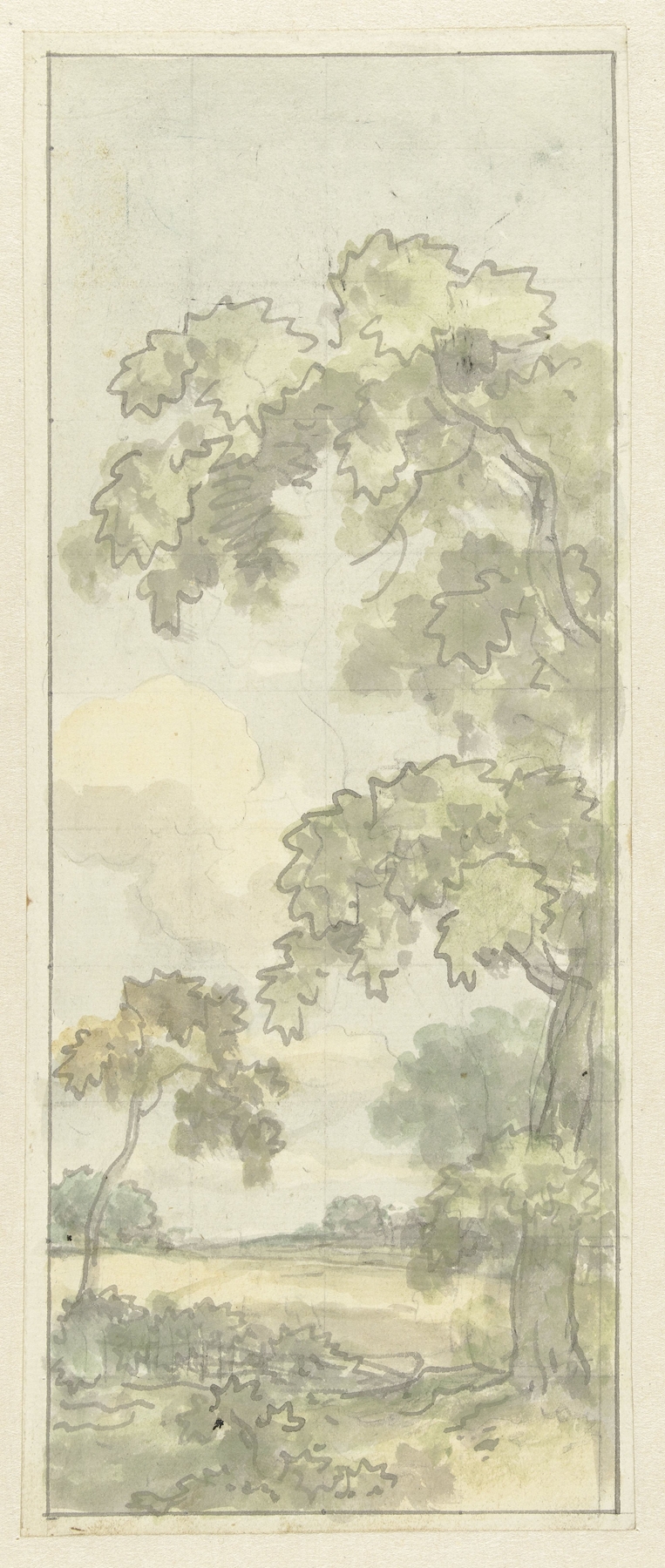
Ontwerp voor een Tempel der Eendracht — History & Analysis
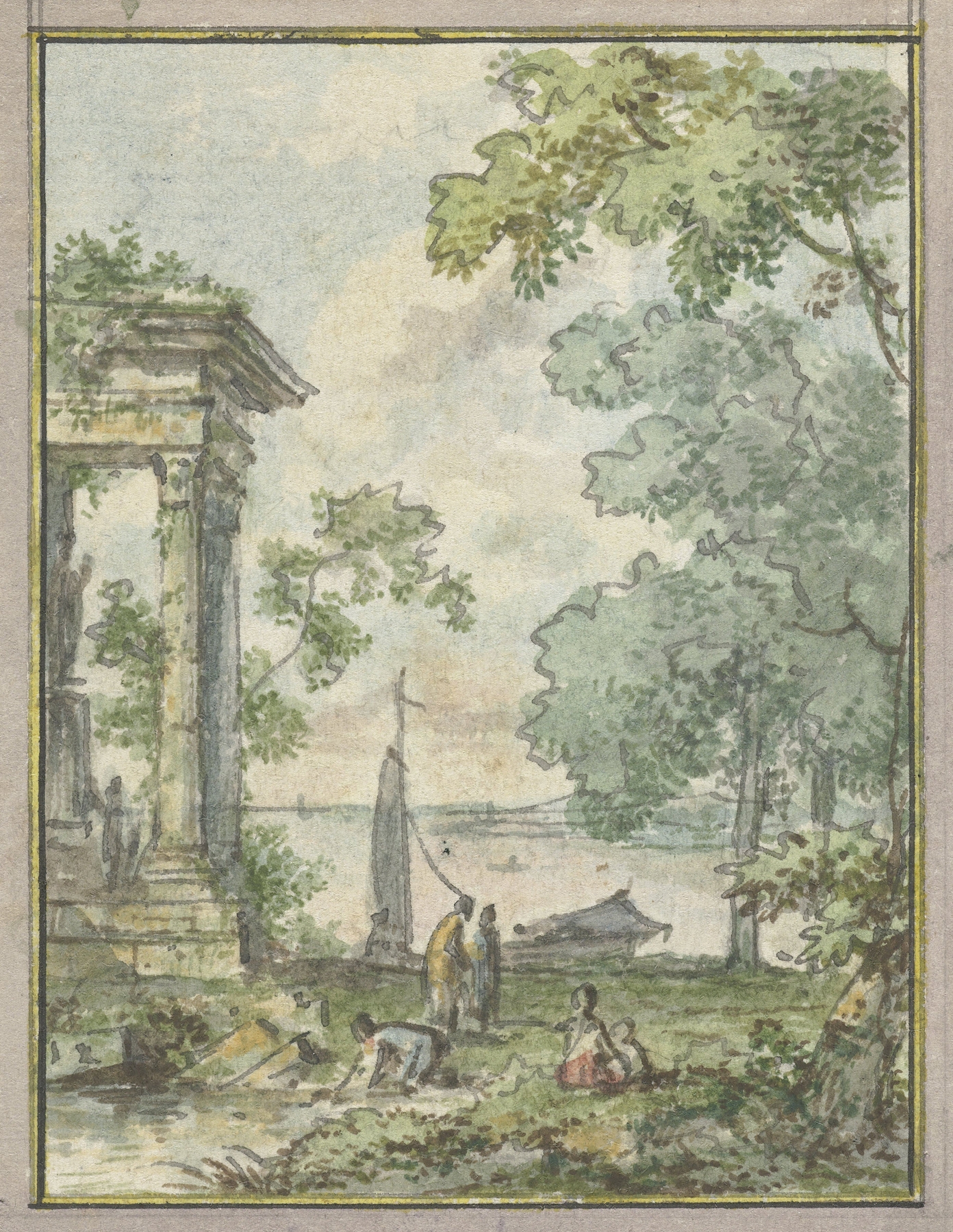
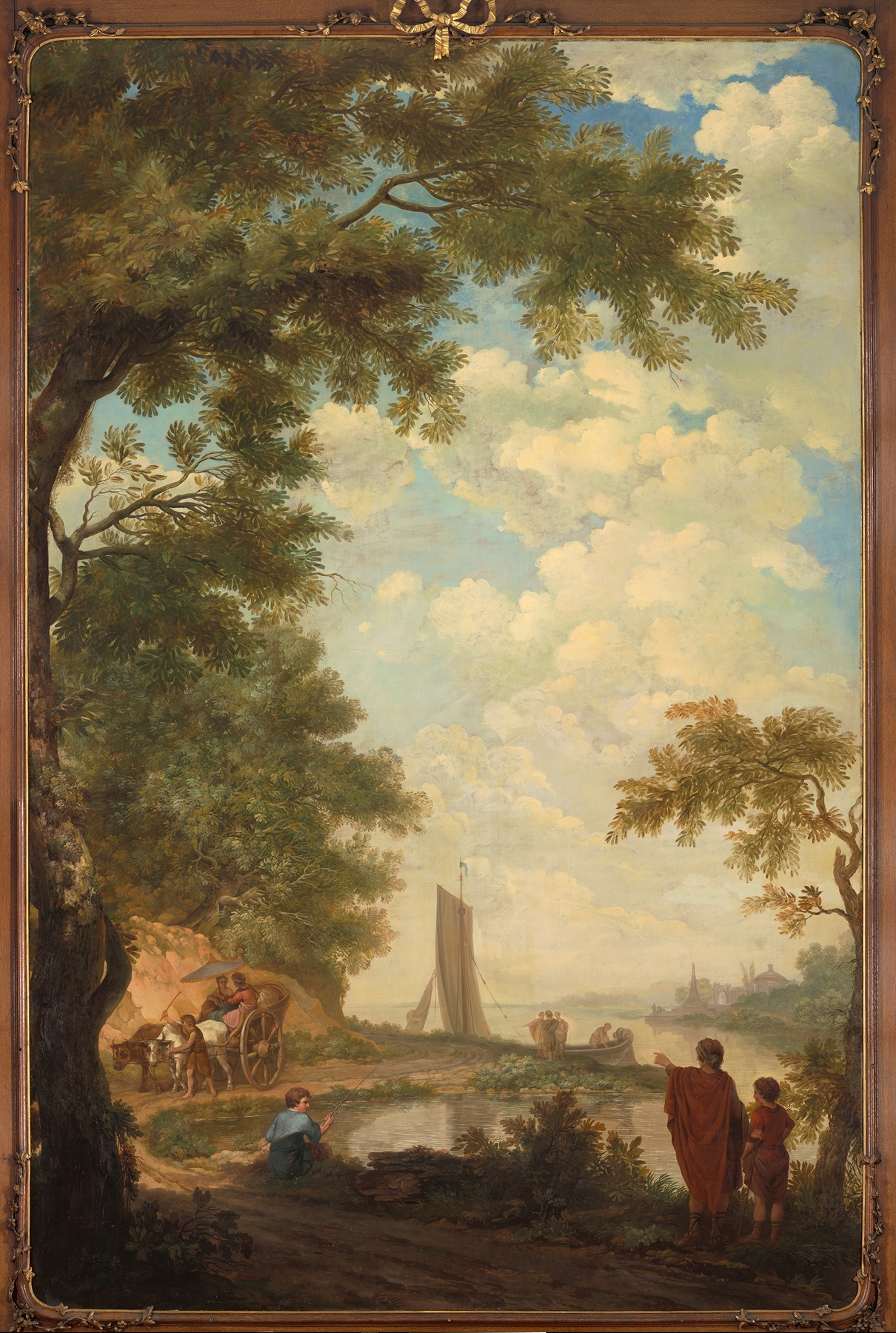
When did color learn to lie? In a world crafted from architectural dreams and the whims of imagination, reality blurs, revealing layers of madness hidden beneath the surface of beauty. Look to the center of Ontwerp voor een Tempel der Eendracht, where intricate columns rise, their forms interwoven with elegance and symmetry. Notice how the soft pastels contrast sharply with the bold strokes of deeper hues, creating a visual tension that invites contemplation. The careful arrangement of elements directs the eye upward, as if urging viewers to ponder the heights of human aspiration against the chaos below.
Each brushstroke and carefully chosen shade serves not just to adorn but to evoke feelings of both wonder and unease. Delve deeper into the details, where playful ornamentation meets stark architectural lines. The juxtaposition of grandeur and fragility encapsulates the madness of ambition, suggesting that the pursuit of harmony may lead to discord. Shadows dance among the light, emphasizing the duality of creation — the ecstasy of invention clashing with the dread of its impermanence.
This tension transforms a mere design into a reflection of the complexities of the human spirit. Created during the late 18th century, Ontwerp voor een Tempel der Eendracht emerged as Jurriaan Andriessen navigated the shifting tides of the Enlightenment and the burgeoning Romantic movement in the Netherlands. His work resonated with a society grappling with ideals of unity and the philosophical underpinnings of architecture as an expression of collective aspiration. This period was marked by a fervent exploration of beauty and chaos, mirrored poignantly in his striking vision for a temple dedicated to harmony.