Ontwerp voor een toneeldecor van een voorportaal van een gevangenis — History & Analysis
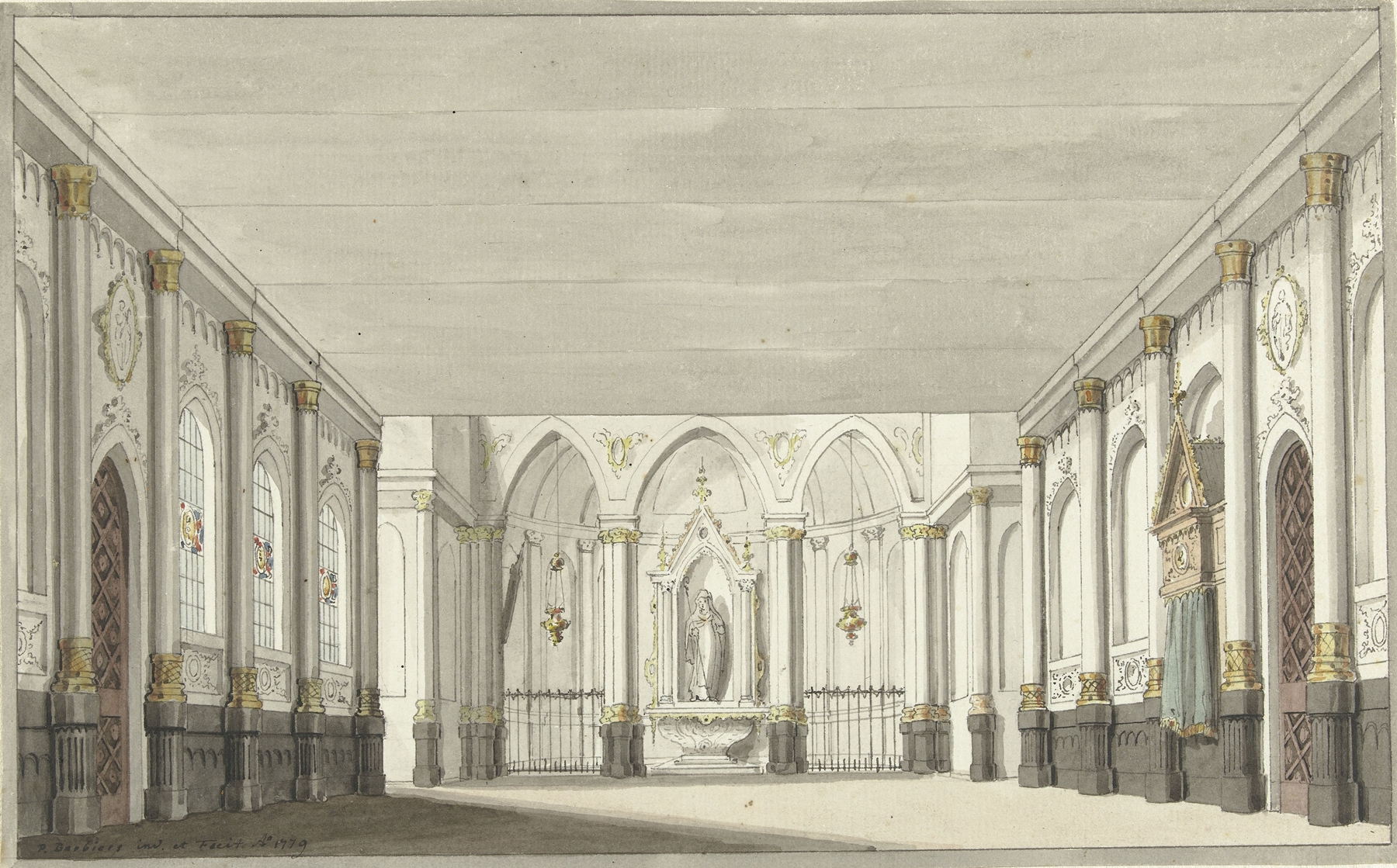
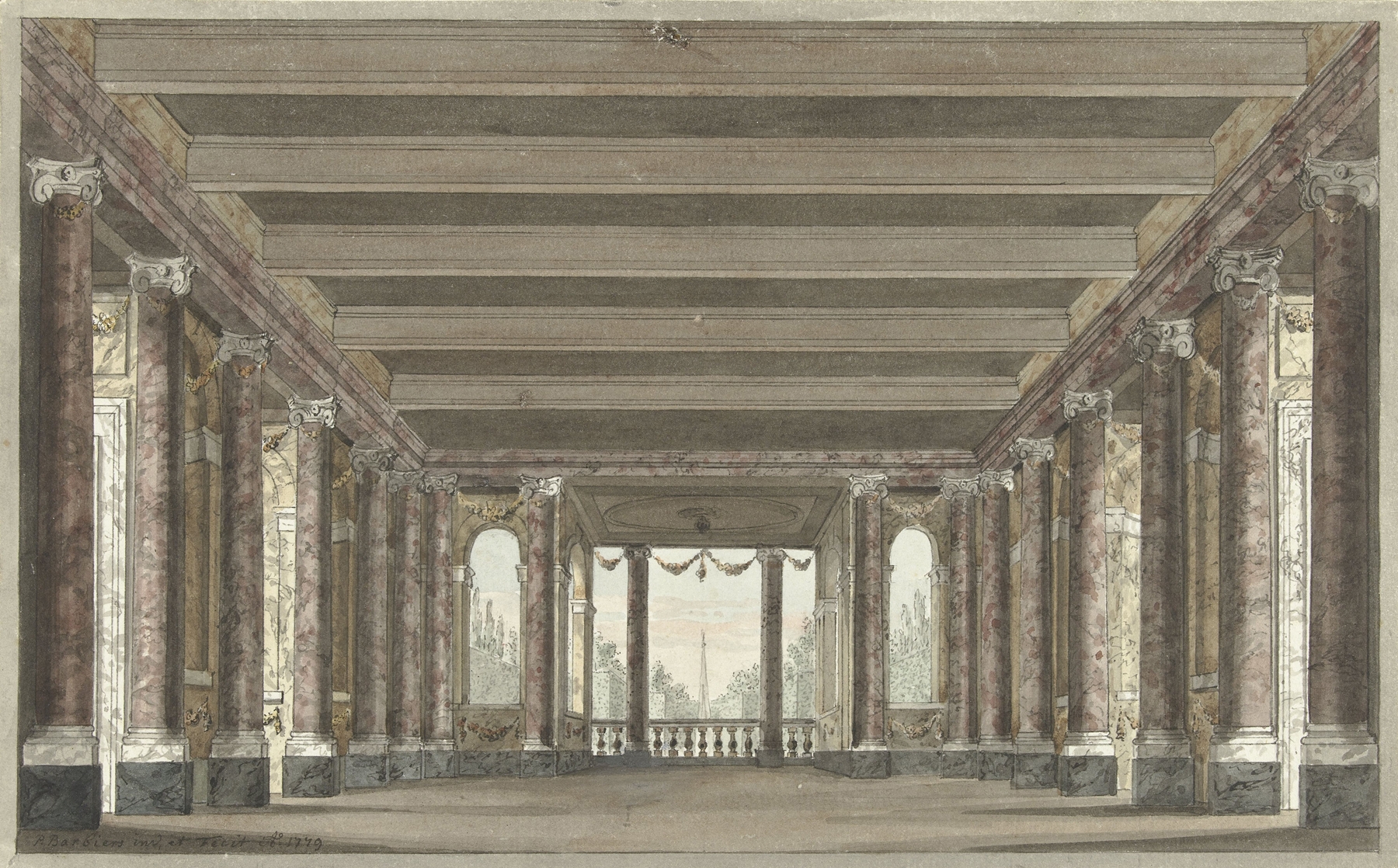
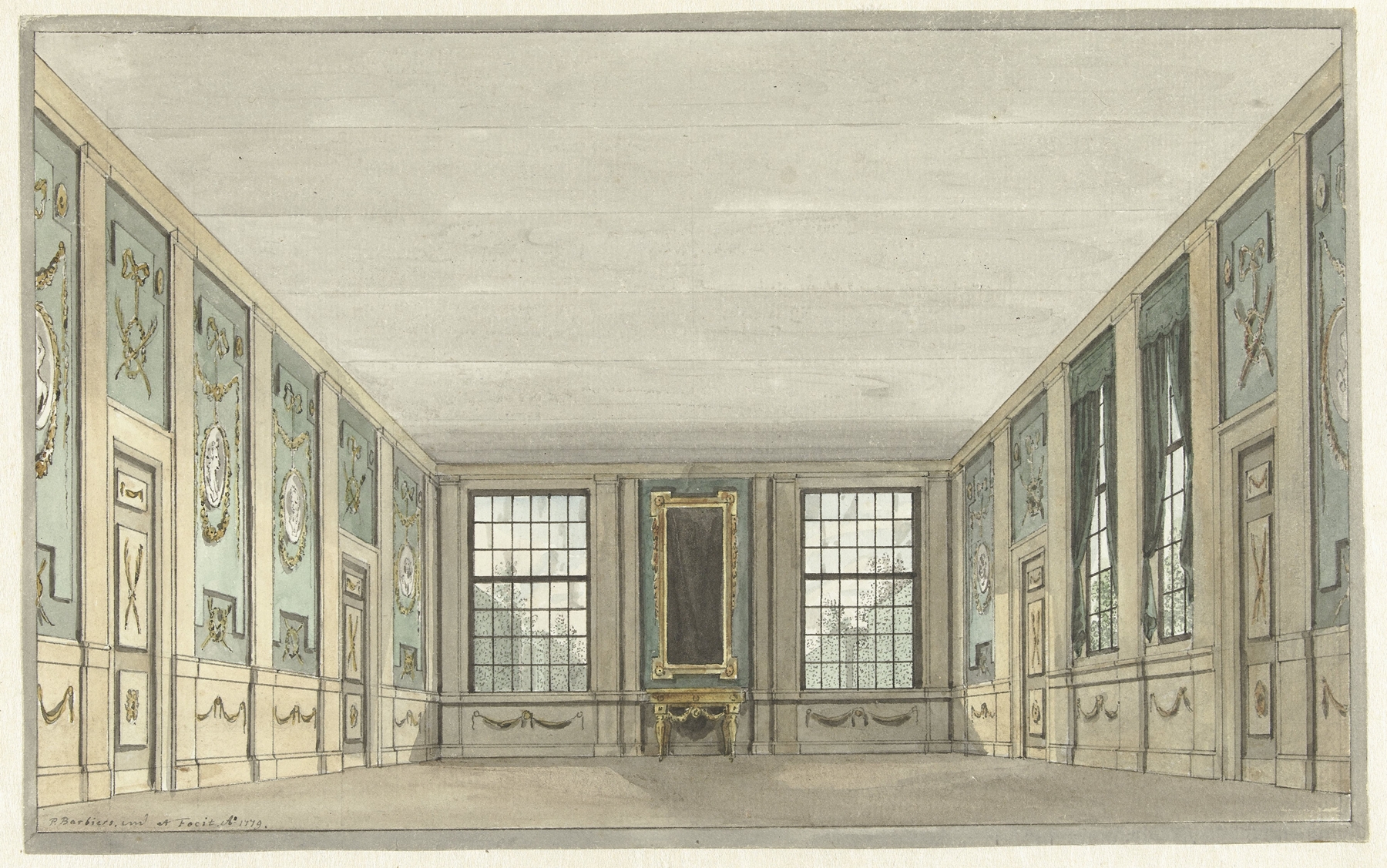
“Sometimes beauty is just pain, disguised in gold.” In the interplay of light and shadow, we find a reflection of our own struggles, reminding us that art can encapsulate both despair and hope. Look to the center of the composition, where the foreboding structure of the prison looms, stark against the subtle warmth of the background. The detailed architecture pulls the eye, inviting a probing glance into the intricacies of confinement. Each brushstroke reveals not merely a design but an embodiment of contradiction; the promise of a theatrical setting vividly contrasted with the grim reality it represents.
Notice how the muted palette serves to heighten the somber mood, blending the triumph of artistic skill with the weight of bleakness. Within this work lies a juxtaposition of beauty and despair. The ornate decorations are elegantly crafted yet serve as a façade, masking the grim purpose of the space they adorn. The use of light emphasizes this tension; areas of brightness punctuate the darkness, suggesting a flicker of hope amidst the overarching theme of isolation.
Each element—be it the imposing walls or the tender touches of embellishment—echoes a narrative of entrapment, silently questioning the cost of freedom. Pieter Barbiers created this piece in 1779, inspired by the theatricality of the time, where art and architecture often blurred boundaries. Working in the Netherlands, he was immersed in a world of Enlightenment ideals that celebrated human emotion and experience. The period was marked by a fascination with the human condition, and this artwork reflects the duality of existence—not just as a theatrical setting, but as a mirror for society’s own confinement and aspirations.