Place de la Concorde no. IV-A — History & Analysis
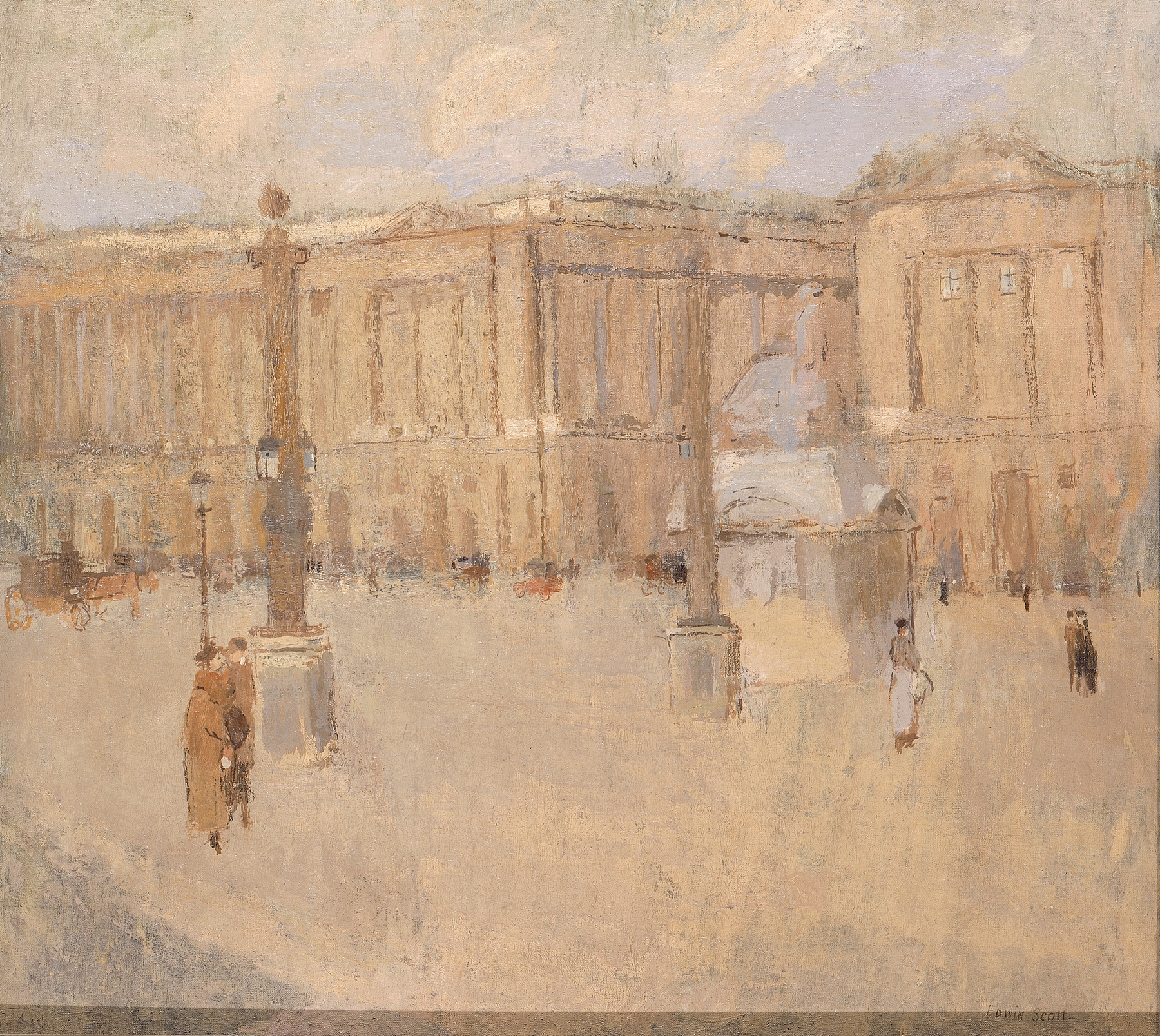
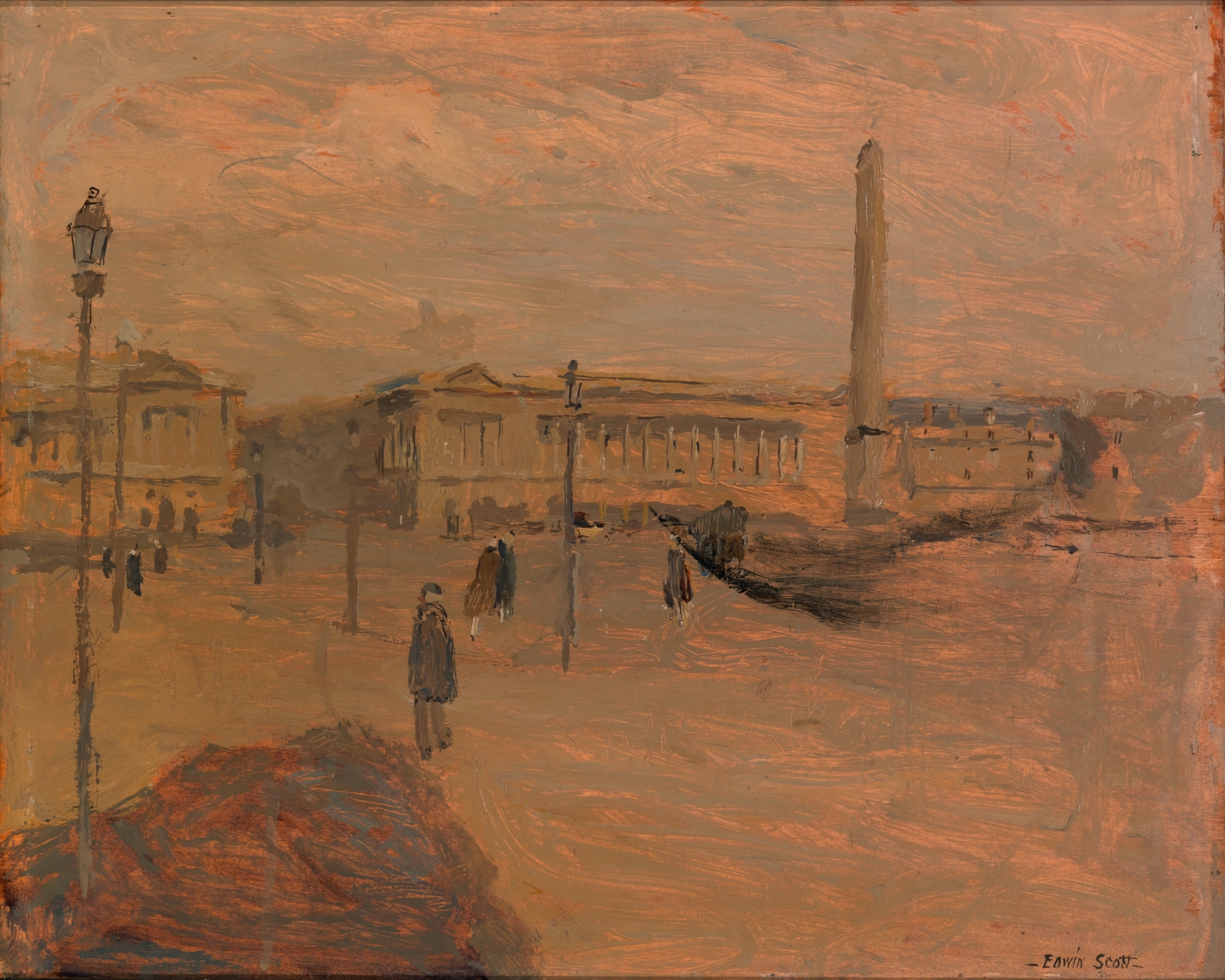
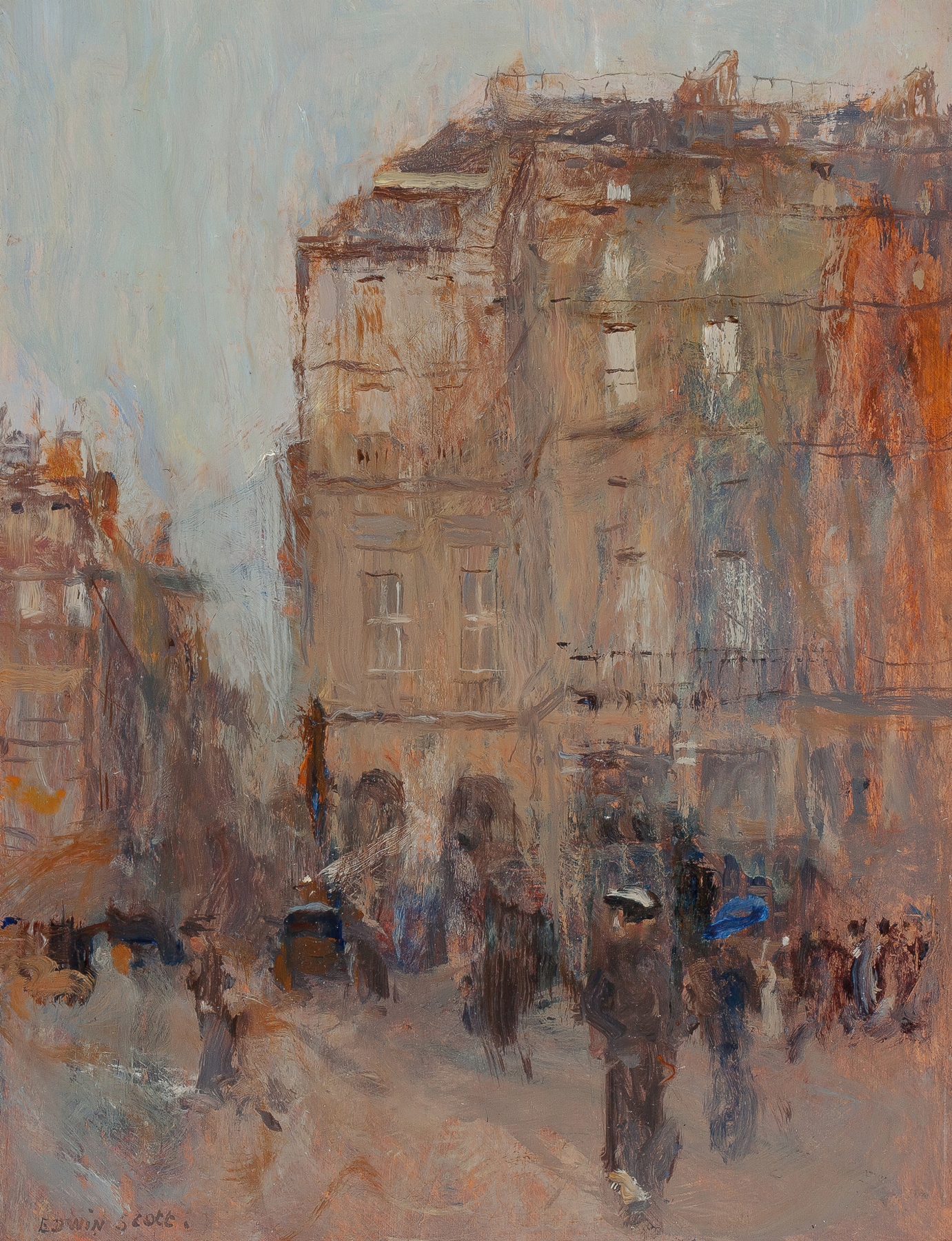
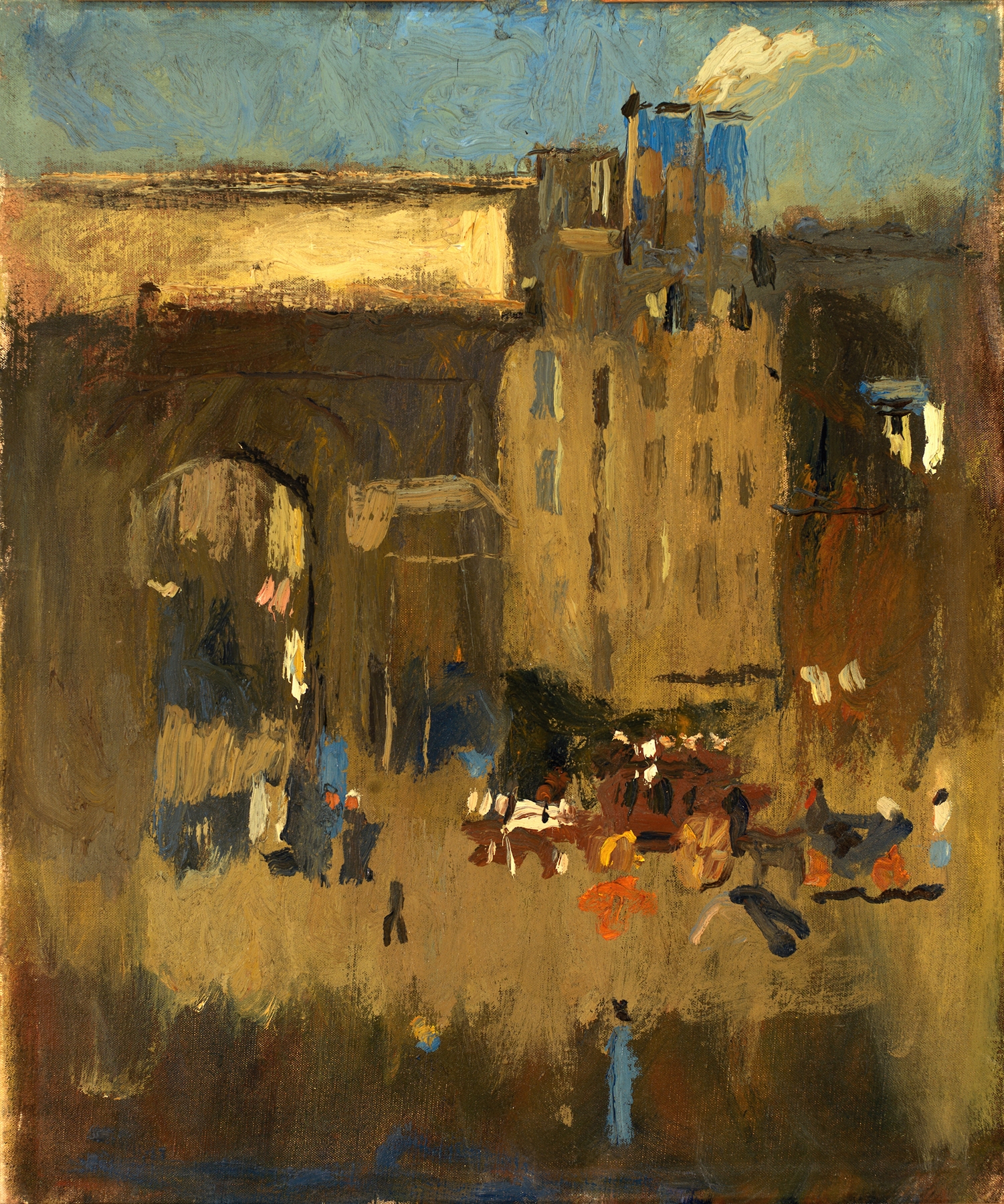
Could a single brushstroke hold eternity? In Place de la Concorde no. IV-A, the artist captures the essence of a moment suspended in time, evoking a sense of revelation with each layer of paint. Look to the center of the canvas where vibrant hues intermingle, creating an almost palpable energy. The sprawling forms suggest movement, while the interplay of light creates dynamic shadows that dance across the surface.
Notice how the delicate palette combines soft blues, warm ochres, and deep shadows, inviting viewers to explore the depth of the Parisian scene. The fragmented strokes pull you into a world that oscillates between abstraction and representation, pulling the viewer’s gaze in a rhythmic pulse. Beneath the surface, this artwork evokes the dichotomy of chaos and tranquility. The vibrant energy of the brushwork contrasts with the serene, almost meditative quality of the scene. One can sense the weight of history, the voices of countless souls that have traversed the place, mingling with the artist’s own introspection.
The painting encapsulates a moment of clarity amidst the tumult of existence, suggesting a profound understanding that lies just beyond sight. Created around 1917, during a time of great upheaval in both the world and the art sphere, this piece reflects Frank Edwin Scott's engagement with modernism. Living in a post-World War I atmosphere, the artist was influenced by the shifting dynamics of society and the exploration of new artistic expressions. This painting symbolizes his unique exploration of color and form, standing as a testament to the dramatic changes in both his life and the landscape of art during that period.