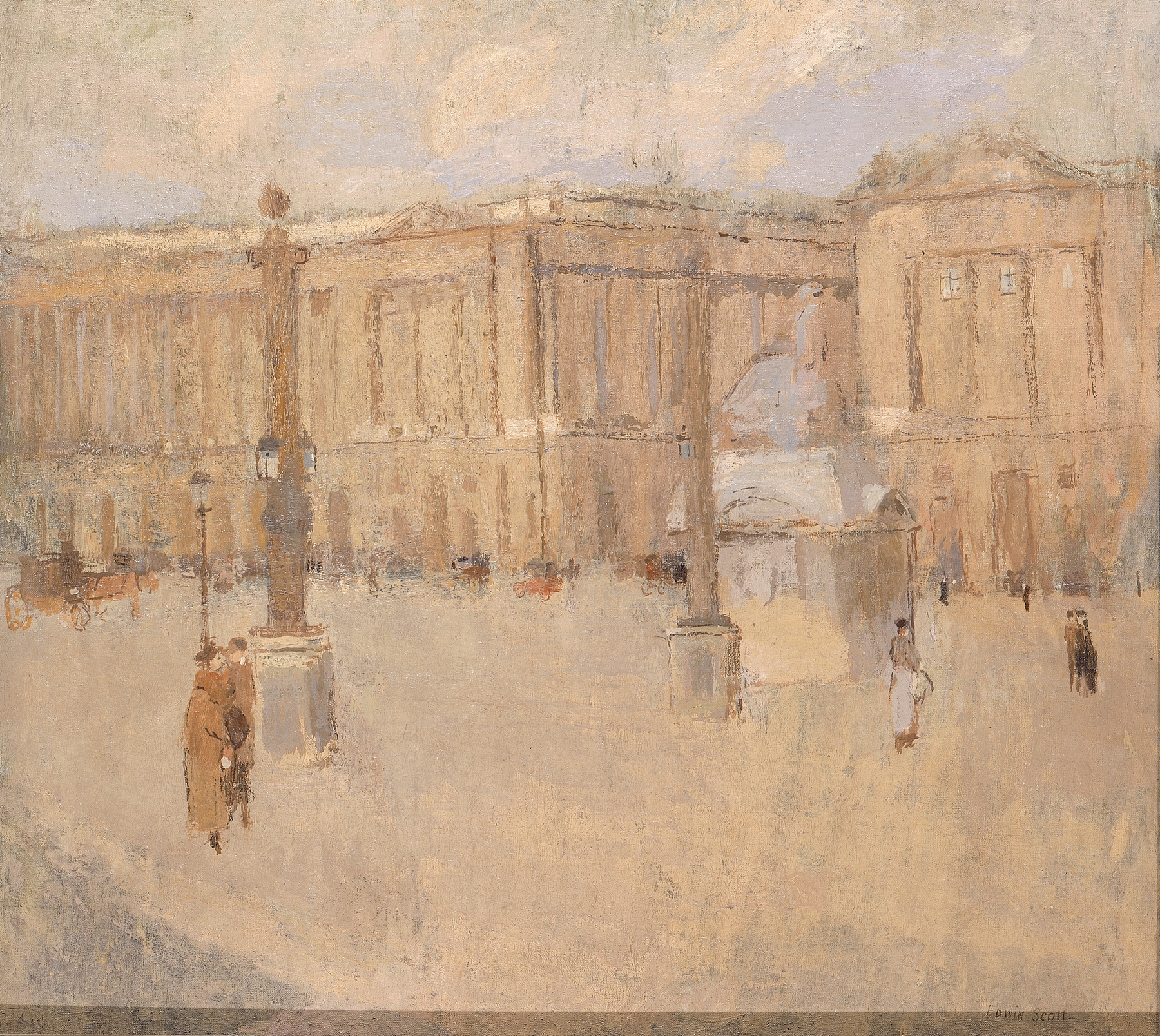
Place de la Concorde no. IV-A — History & Analysis
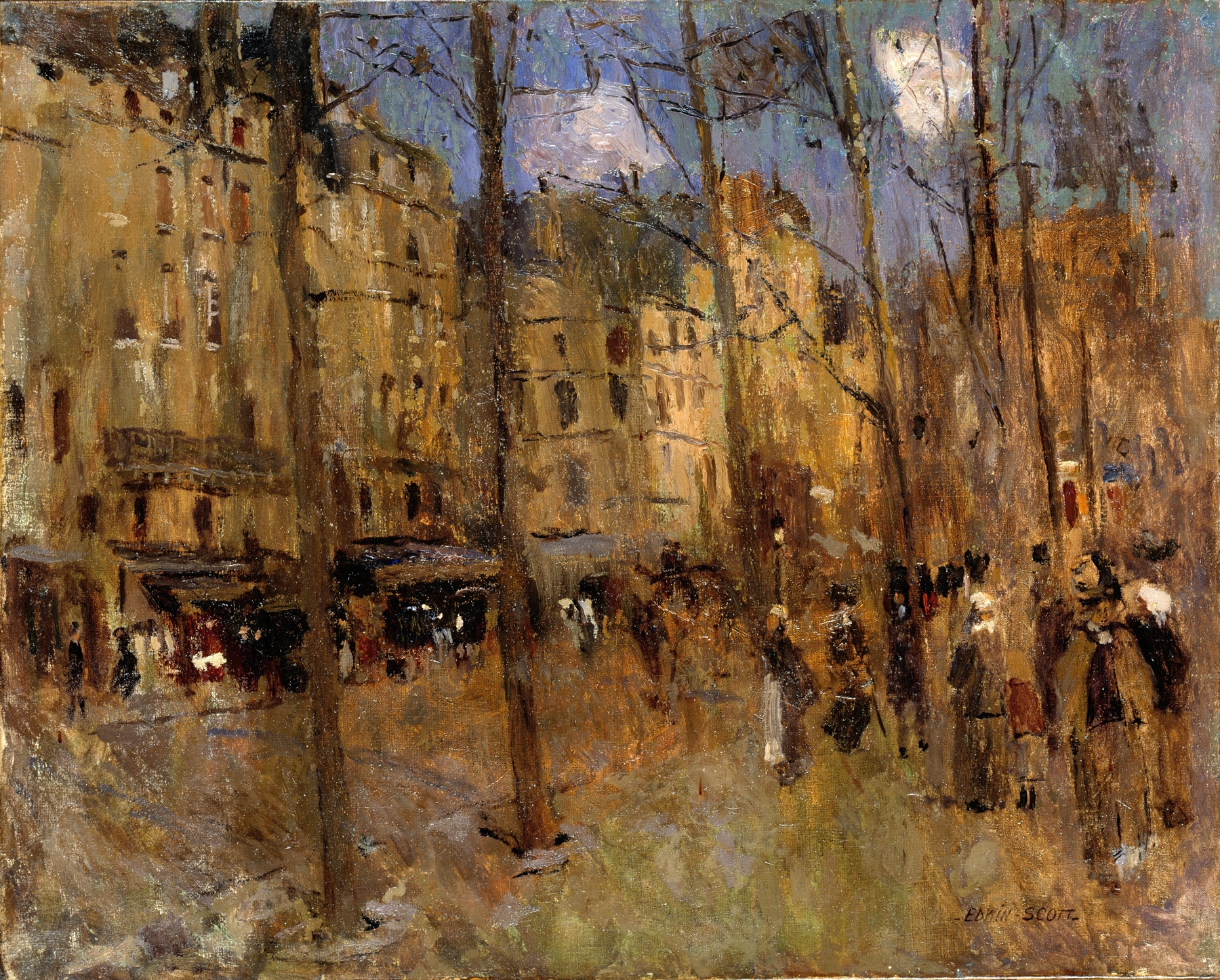
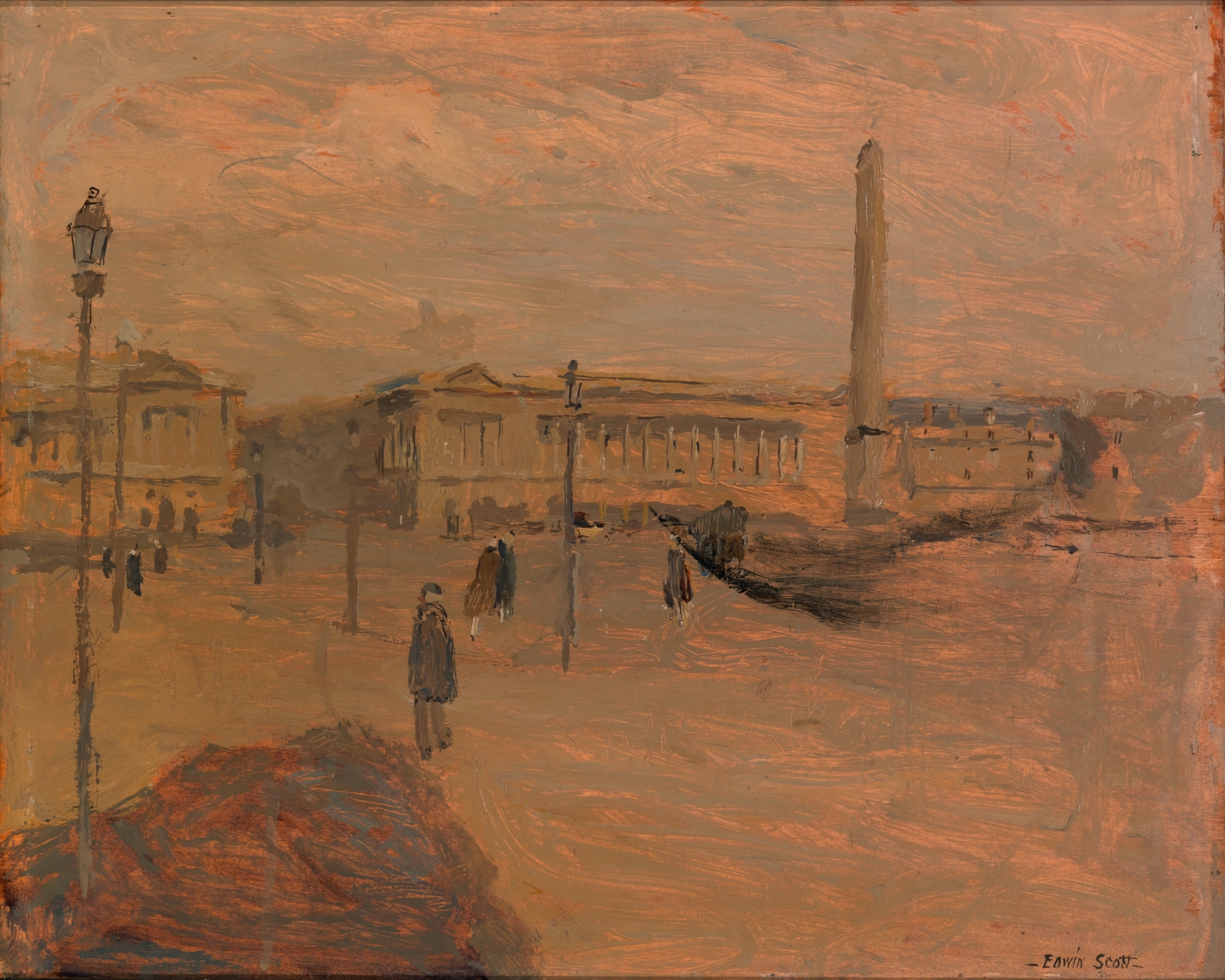
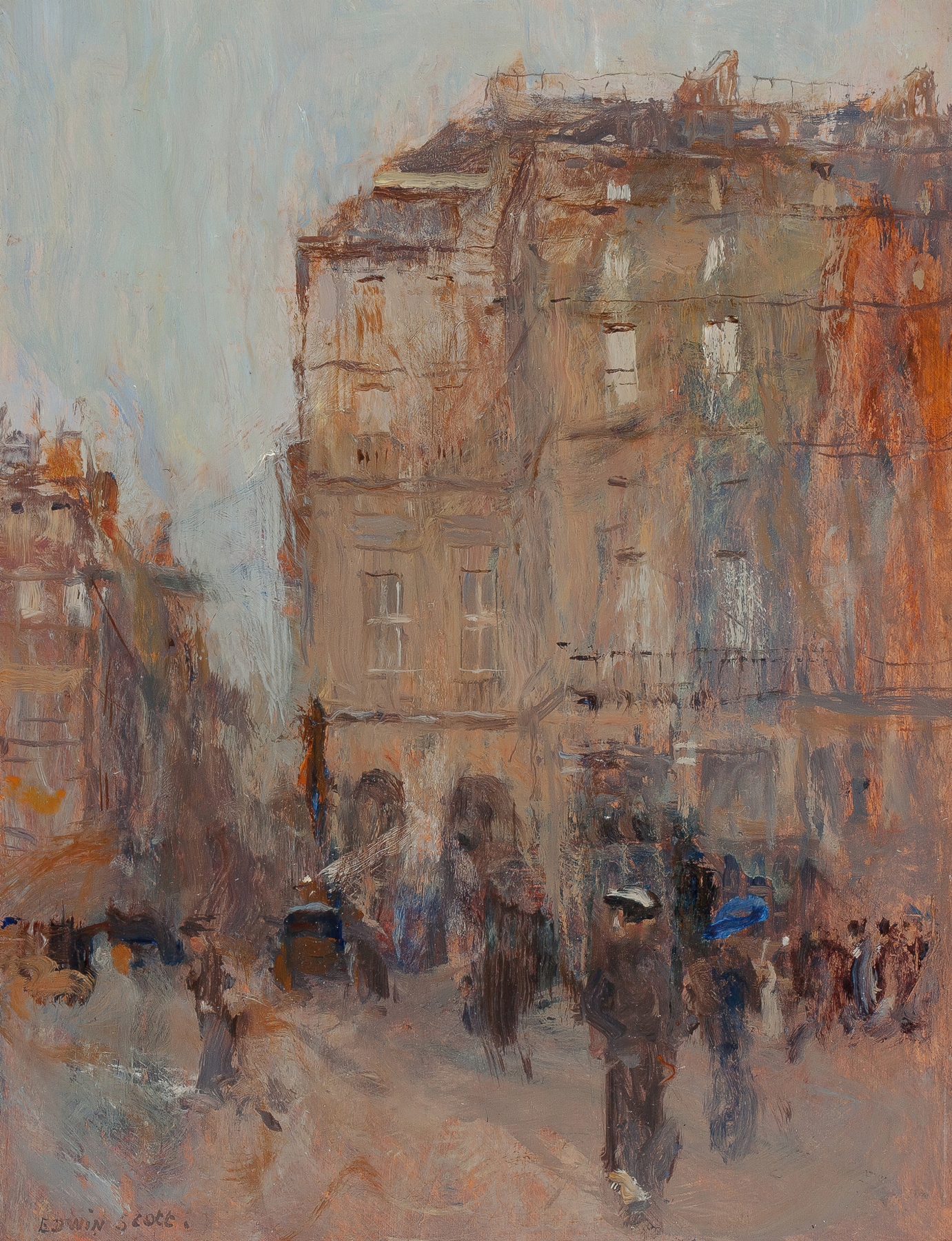
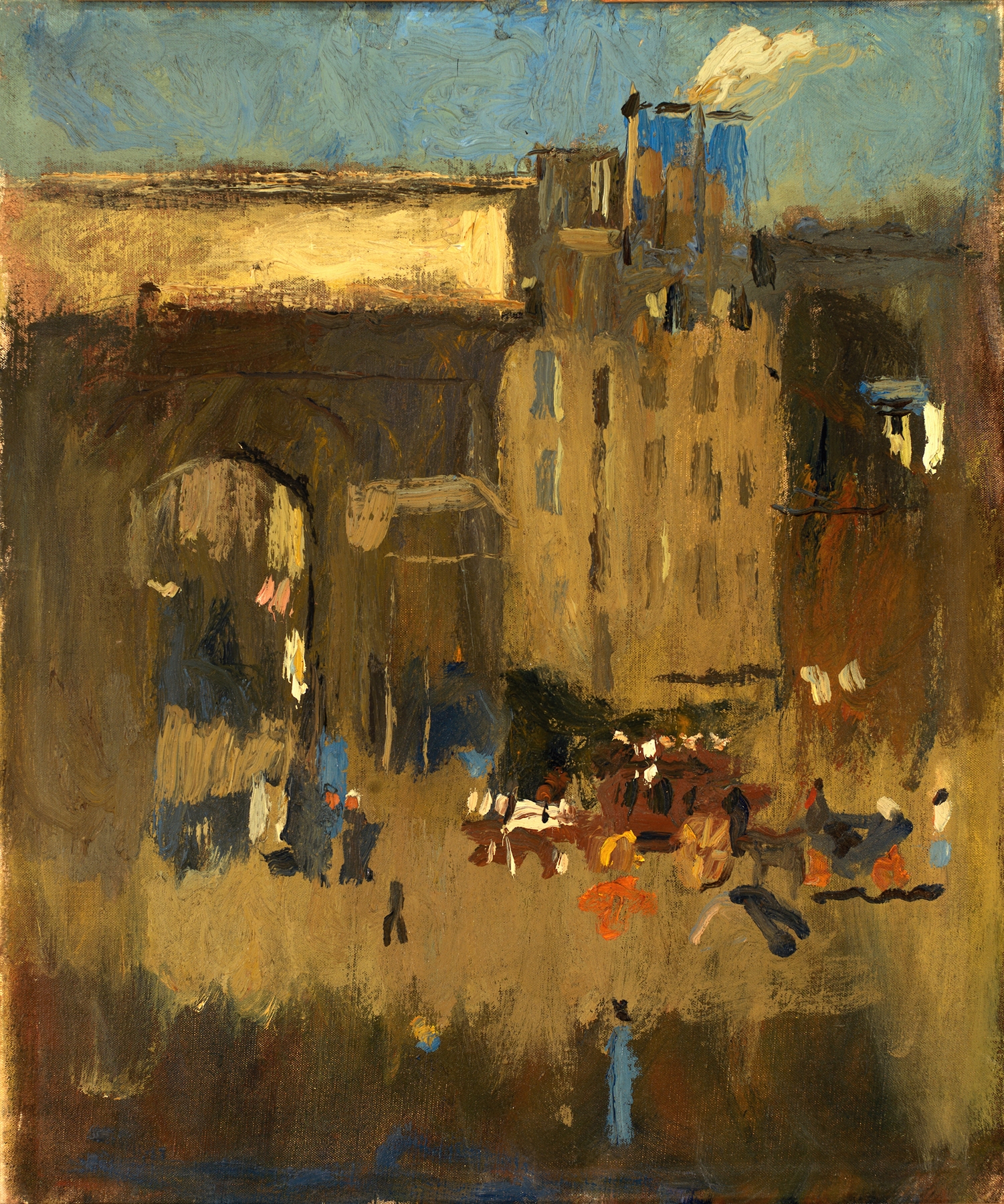
“Sometimes beauty is just pain, disguised in gold.” In the swirling chaos of transformation, we find ourselves caught between the weight of the past and the shimmering promise of the future. Look to the right at the striking contrast between the vibrant blues and golds that define this piece. The brushstrokes pulse with energy, leading the eye toward the radiant lights illuminating the scene, almost as if they have their own heartbeat. Notice how the luminous golden accents play against darker, more subdued hues, creating a dynamic tension that invites a deeper exploration of emotion and atmosphere.
In the painting, the juxtaposition of the bright and the muted hints at the complexities of change. The scattered figures, seemingly lost in thought, embody a world on the brink of transformation, yet they are tethered to the past. Each stroke captures not just the physical space of the Place de la Concorde, but the emotional landscapes of those who tread its pathways, suggesting that beauty may often arise from discomfort or upheaval.
Created in 1917, during a period marked by turmoil and upheaval, the artist found inspiration in the shifting dynamics of society. Living in a world grappling with the consequences of World War I, Scott reflected the complexities of transformation in his art. This piece emerged as a testament to resilience, capturing not only the elegance of Parisian life but also the underlying struggles of a generation seeking to redefine itself amidst chaos.