Portrait of a Gentleman — History & Analysis
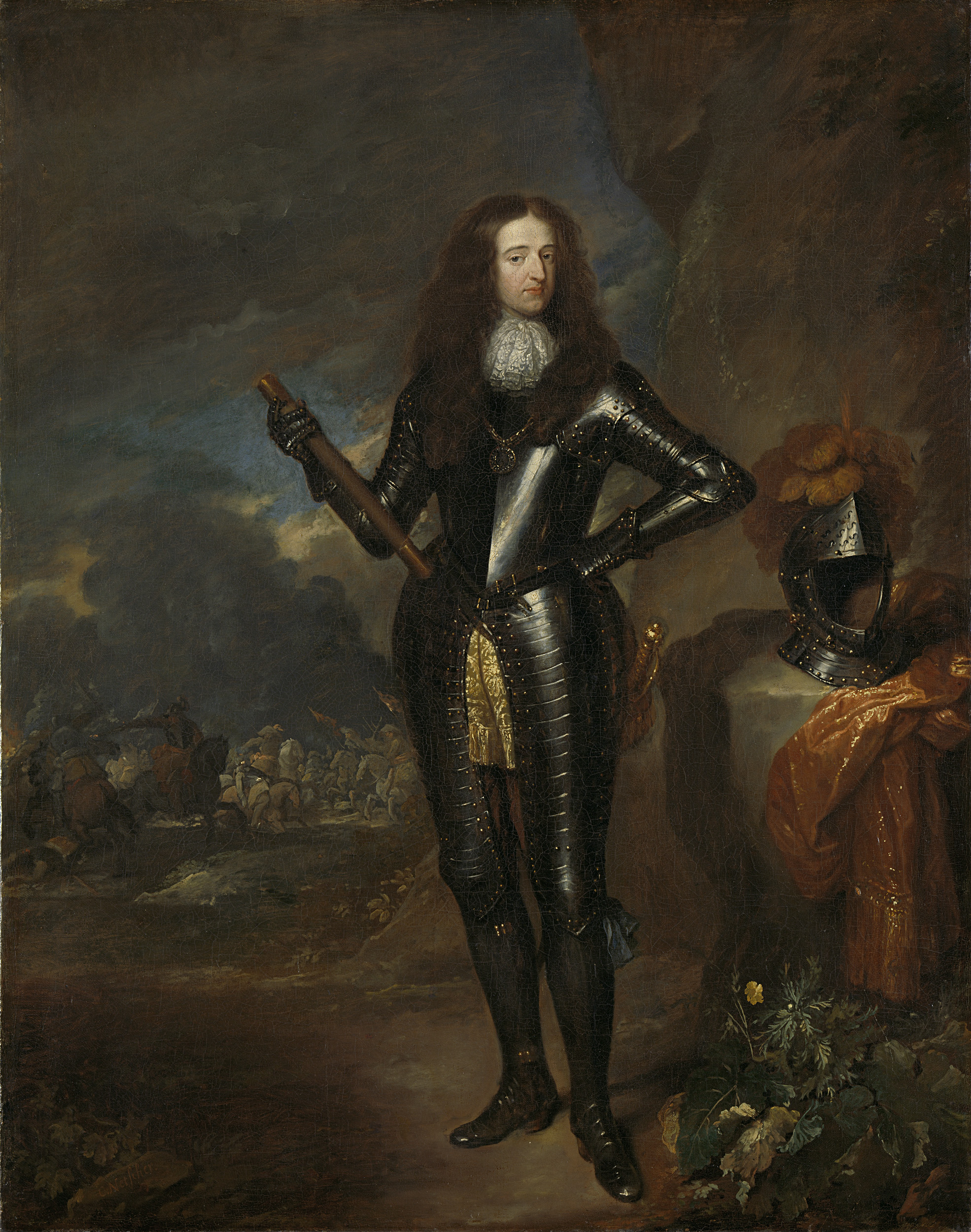
“Every silence here is a confession.” In the stillness of Portrait of a Gentleman, secrets linger just beyond the frame, waiting to be whispered. The gaze of the subject draws us in, inviting us to explore the depths of his unspoken thoughts and hidden stories. Look to the left at the meticulously rendered lace collar, its intricate details a testament to the artist’s skill. Notice how the soft light cascades across the gentleman’s features, illuminating the contours of his face while casting gentle shadows that hint at complexity beneath the surface.
The deep, rich colors of his attire contrast against the muted background, creating a striking focus that highlights not just his clothing, but the powerful presence he commands in silence. Each element in the painting conveys layers of meaning—the tight-lipped expression suggests guarded emotions, while the careful arrangement of his hands rests on a book, implying intellect and contemplation. The subtle interplay of light and shadow not only enhances his physicality but also evokes a tension between the seen and the unseen, prompting viewers to ponder what lies beneath his composed demeanor.
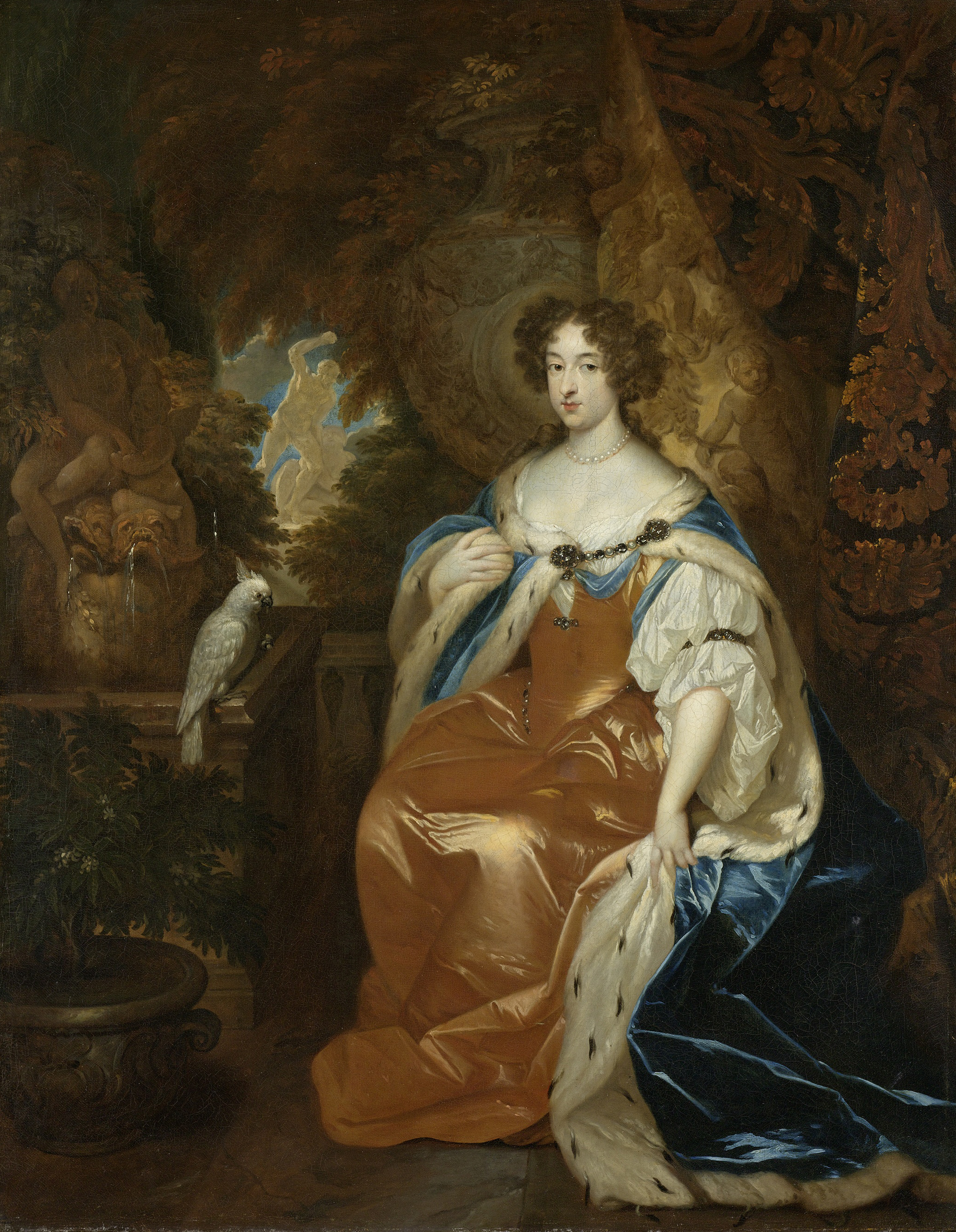
Caspar Netscher created this portrait in 1680, during a period of flourishing Dutch portraiture marked by an emphasis on realism and the individual. Living in a time of cultural and economic prosperity, he honed his craft in the Netherlands, where his work became celebrated for its exquisite detail and ability to convey the inner lives of his subjects. In a world fascinated by status and identity, his portraits invited reflection on the very nature of presence and absence.