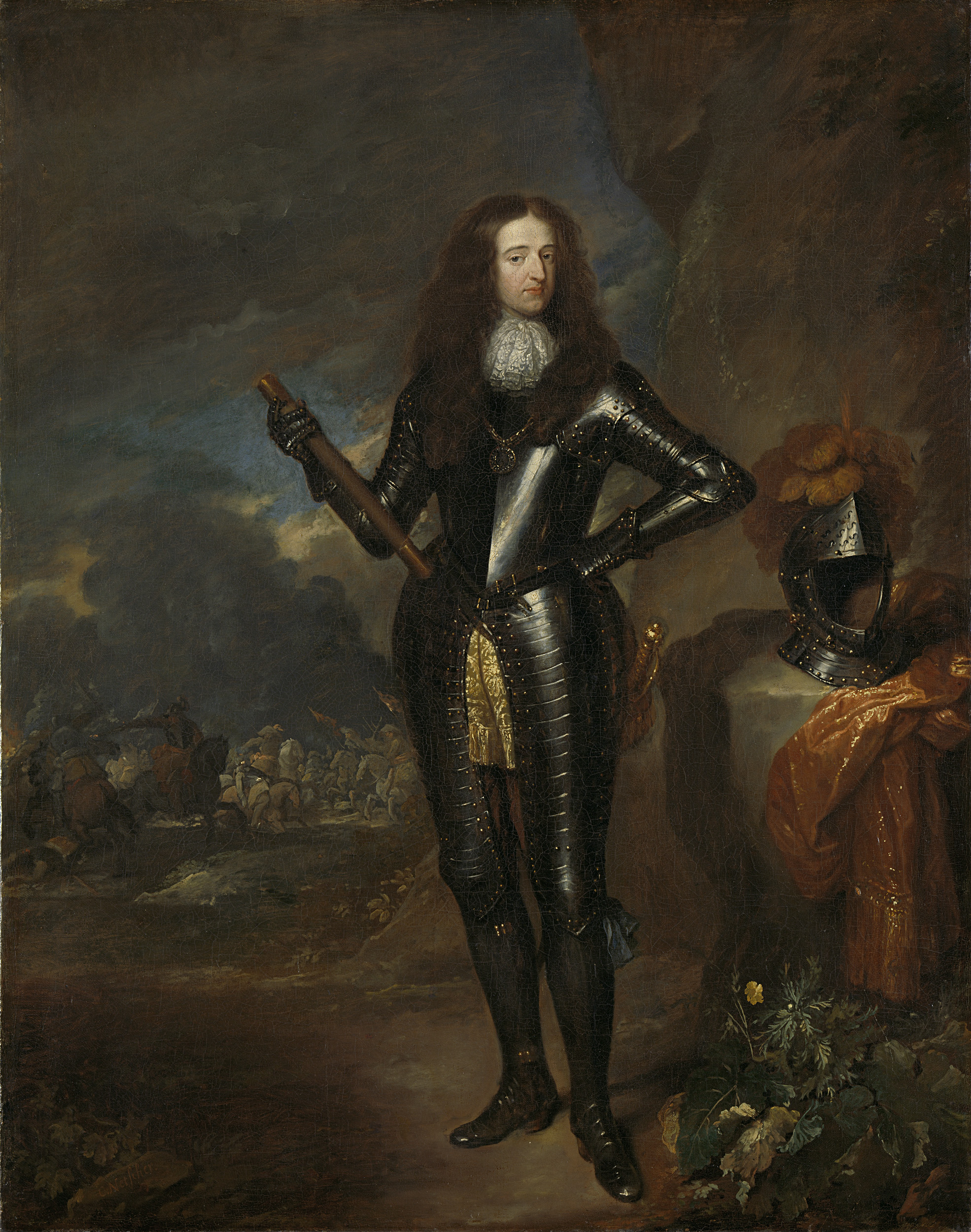
Portrait of Mary Stuart (1662-95), Wife of Prince William III — History & Analysis
What secret hides in the quiet of the canvas? A stillness envelops Portrait of Mary Stuart, inviting us to explore the whispers of rebirth and identity framed in delicate brushstrokes. Focus your gaze on the soft, radiant light that bathes the figure, revealing the gentle contours of her face. Notice how the artist employs a subtle palette of warm earth tones, enhancing the luminosity of her complexion while contrasting sharply with the dark, austere background.
Her gaze is serene yet penetrating, drawing you in as if inviting a conversation about her hidden dreams and unspoken fears. The intricacies of her attire tell stories of both nobility and vulnerability. The luxurious fabric seems to shimmer, symbolizing her elevated status, yet the slight disarray of her collar hints at an underlying tension between her public persona and private struggles. Each brushstroke dances between elegance and fragility, suggesting a life laden with expectations and the burden of royal lineage.
Here lies a woman caught in the delicate balance between power and self-expression, reborn anew in the moment captured. During the 1680s, Caspar Netscher was immersed in the vibrant art scene of The Hague, where he honed his portraiture skills amidst the prevailing Baroque styles. This period was marked by political intrigue and shifting allegiances in Europe, mirroring Mary Stuart's tumultuous life. As Netscher painted this work, he navigated his own artistic identity, marrying detailed realism with intimate psychological exploration, ultimately capturing not just a likeness, but a profound insight into the human condition.