Portrait of a Man — History & Analysis
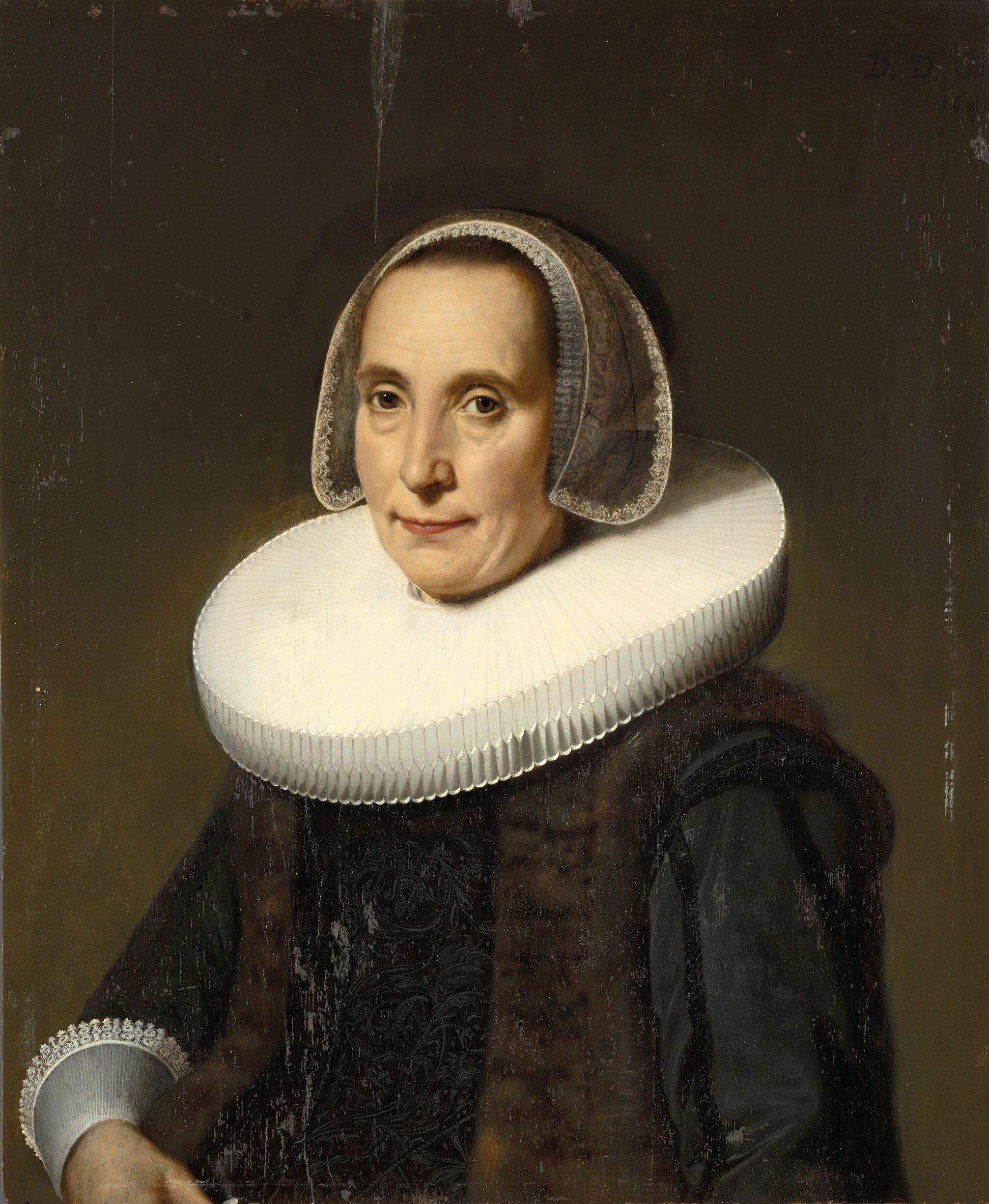
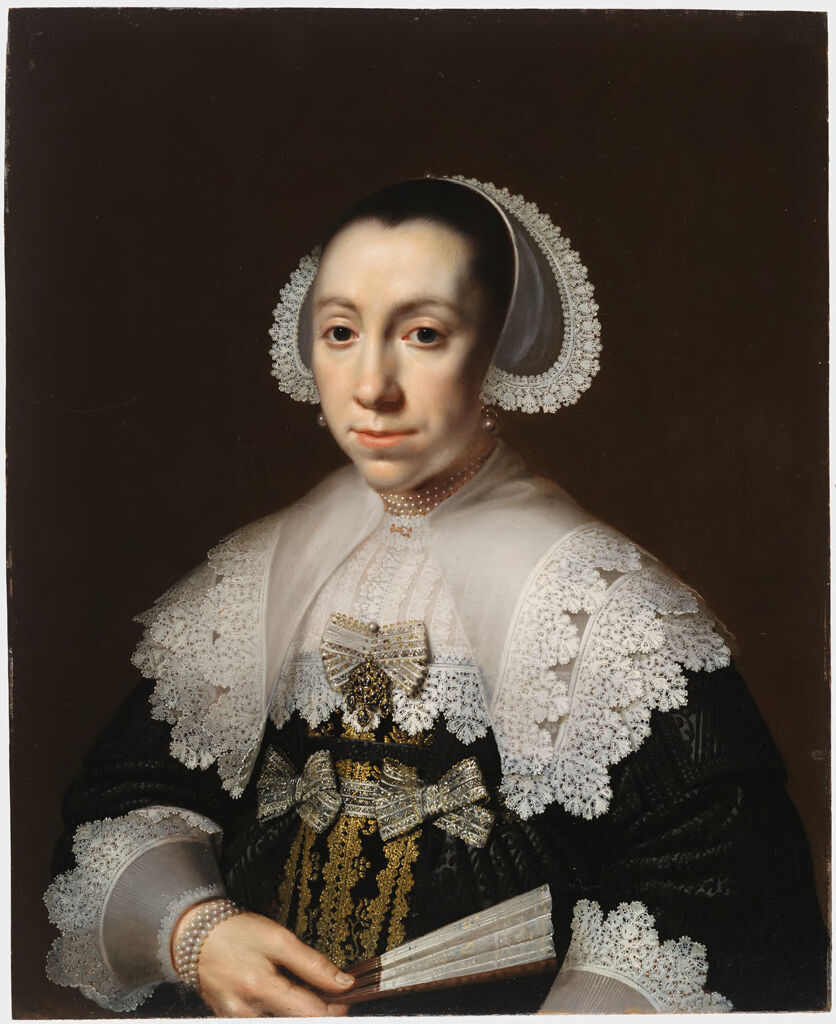
“Under the brush, chaos becomes grace.” In Portrait of a Man, the interplay of light and shadow illuminates not just the subject’s features but the very essence of his being. Focus first on the face, where a soft yet deliberate light dances across the cheekbones, creating a gentle contrast that brings depth to the expression. Notice the meticulous detailing in the fabric of his collar, the textures evoking the richness of his attire; the dark hues envelop him like a shadow, while the lighter strokes surrounding his face create a halo effect that captures our gaze. Each brushstroke reveals the artist’s skill, drawing us into the man’s quiet introspection.
But beneath the surface, a dialogue unfolds between confidence and vulnerability. The way his gaze meets ours suggests a story untold, hinting at inner thoughts or unspoken burdens. The slight tilt of his head, juxtaposed against the rigid lines of his clothing, creates tension — a reminder of the duality of presence and solitude inherent in human experience. The chiaroscuro technique reflects the very fabric of life, revealing how light can both reveal and obscure.
During the years 1640-1650, Dirck Dirckszoon van Santvoort was painting in the Netherlands, a period marked by the flourishing of portraiture amidst the rise of the Dutch Golden Age. His works reflected the socio-political climate of the time, where self-identity and status were increasingly expressed through art. This period witnessed the artist perfecting his craft, capturing the nuances of human emotion and the complexities of character within the frame of a single portrait.