Portrait of a Young Woman — History & Analysis
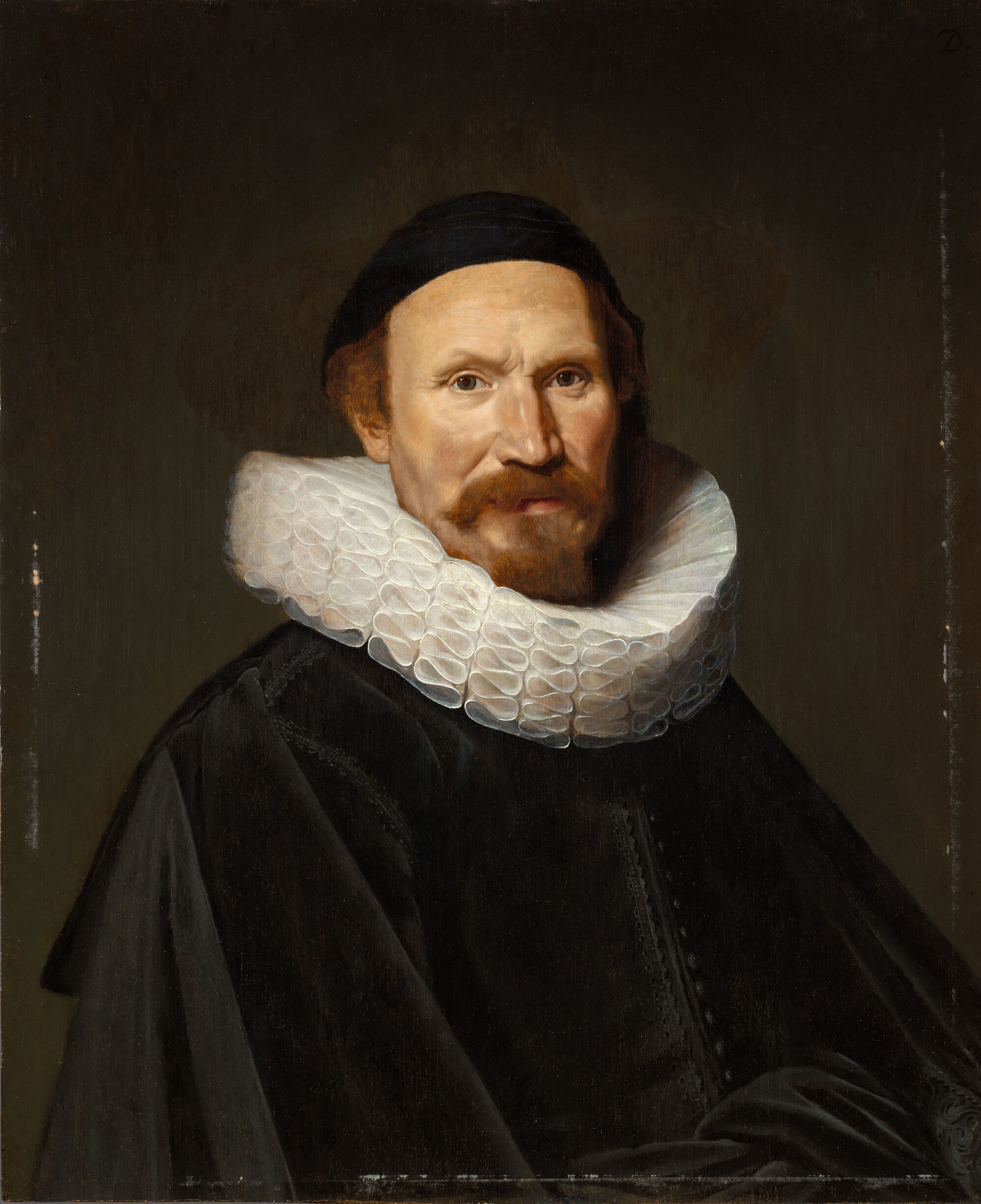
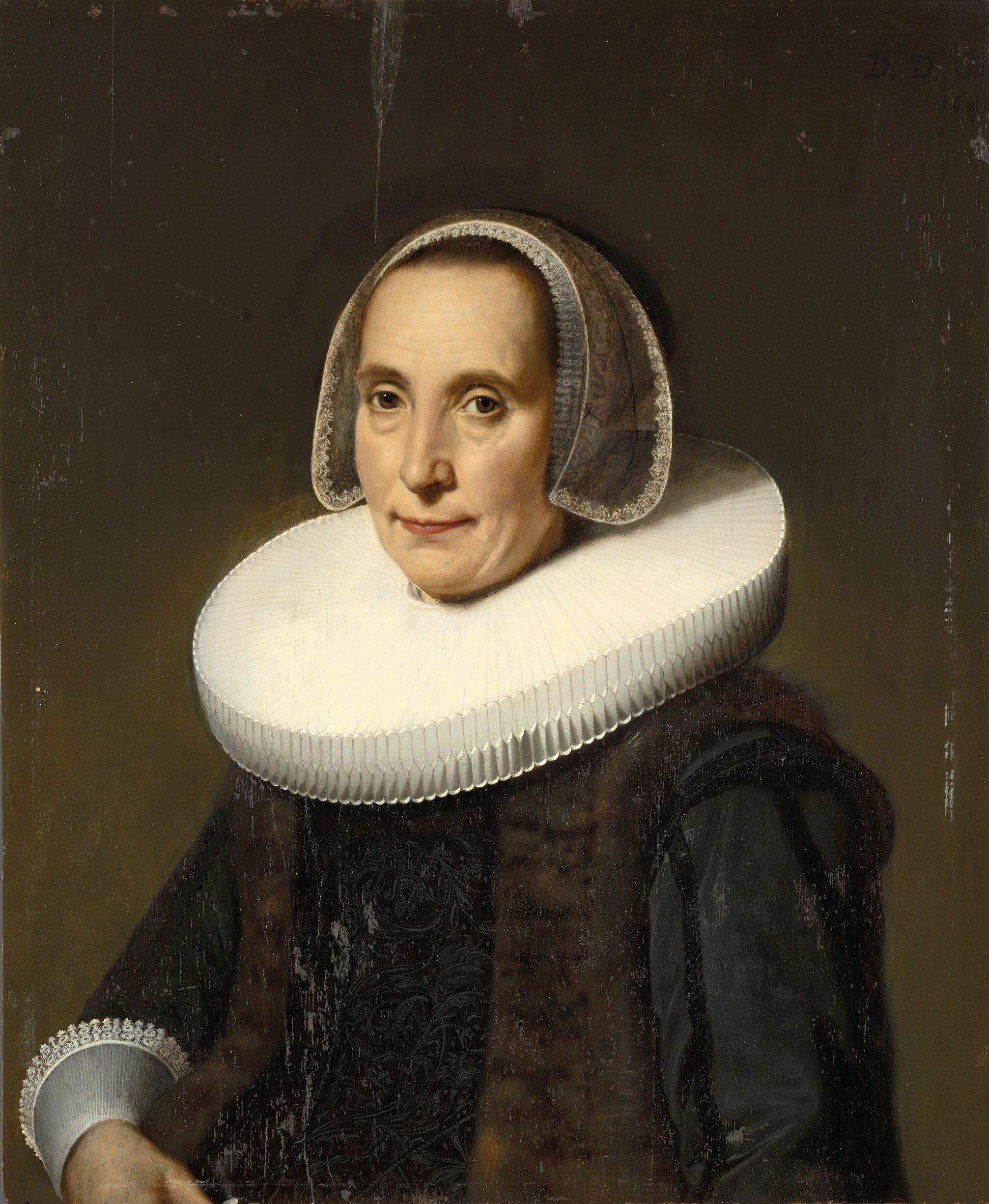
When did color learn to lie? In Portrait of a Young Woman, the interplay of hues whispers secrets and veils truths, urging the viewer to look deeper into the soul captured on canvas. This painting is a mirror reflecting not just the visage of a young woman but the intricate tapestry of identity and presence layered within her gaze. Focus on the delicate contours of her face, rendered with a meticulous hand that captures both youth and maturity.
Notice how the light caresses her skin, creating soft shadows that lend a three-dimensional quality to her features. The subtle interplay of warm and cool tones in her attire hints at both comfort and status, while the deep background recedes into an enigmatic darkness, emphasizing her figure and drawing our attention to her thoughtful expression. The moment is ripe with emotional tension—the slight tilt of her head suggests a quiet confidence, yet her eyes betray a flicker of introspection, inviting speculation about her thoughts. The intricate lace of her collar serves as a reminder of societal expectations, framing her within the confines of her era, yet her poise transcends time, beckoning a connection with viewers across centuries.
This duality of presence and reflection hints at the complexities of identity, the way one navigates between self and perception. Created between 1635 and 1640, this work emerged during a period of burgeoning portraiture in the Dutch Golden Age when artists sought to balance realism with idealism. Van Santvoort, influenced by his contemporaries, painted this piece at a time when the market for personal likenesses was expanding, reflecting the interplay of emerging wealth and individualism in society. This portrait not only captures a moment in a young woman's life but also serves as a commentary on the evolving nature of identity within the cultural fabric of the time.