Portrait of a Man — History & Analysis
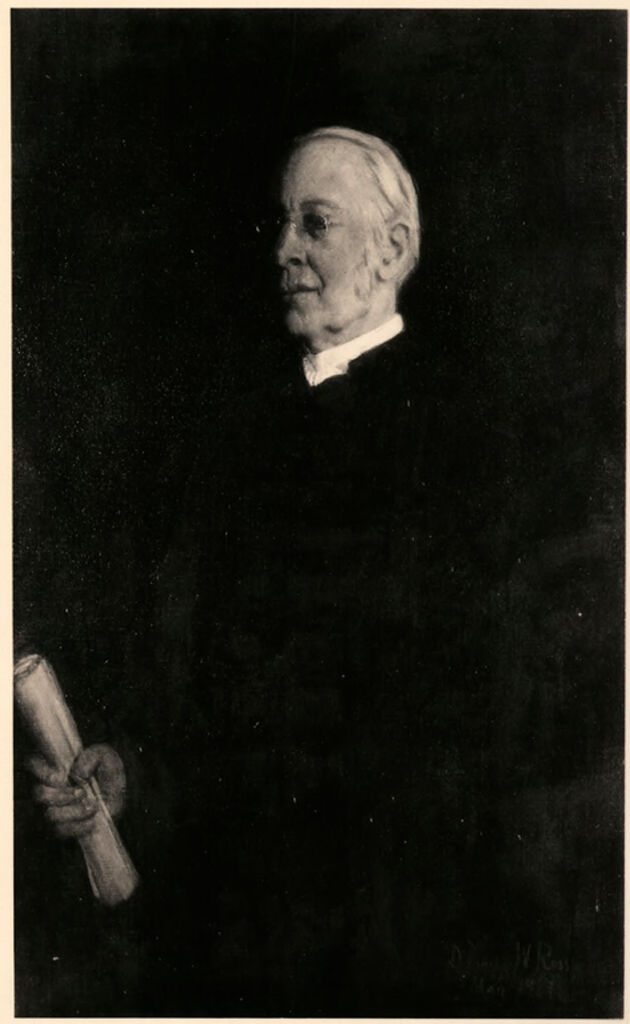
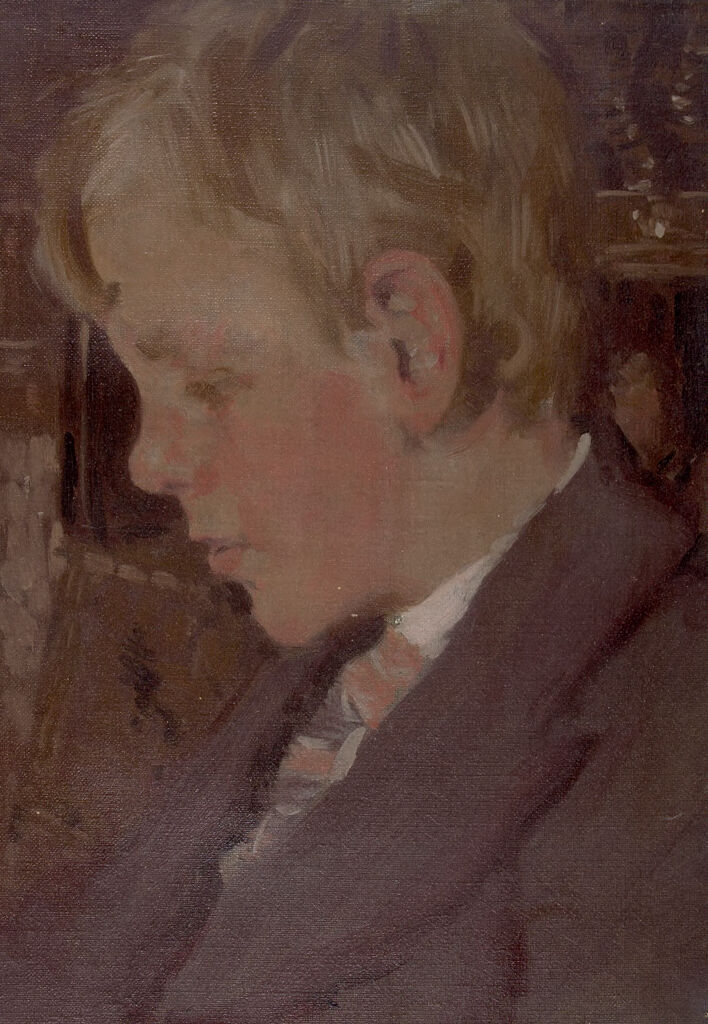
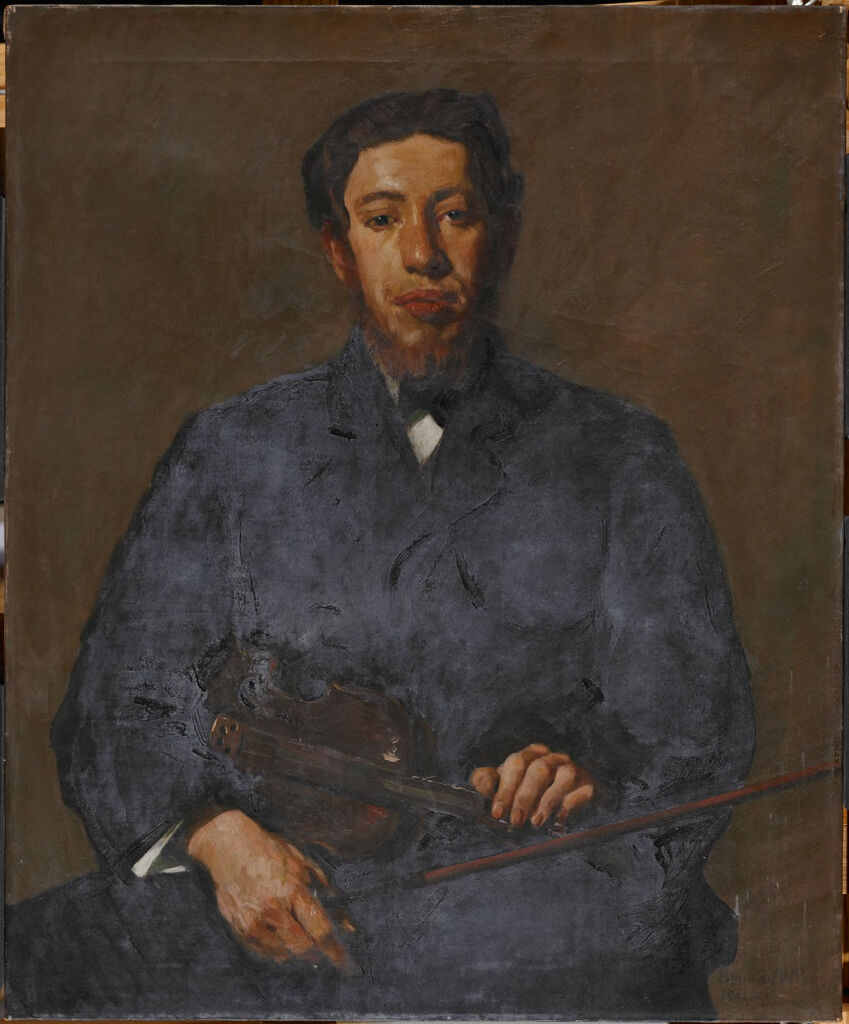
Who listens when art speaks of silence? In the *Portrait of a Man*, the stillness is profound, yet brimming with the energy of unspoken thoughts and subtle movements. Look closely at the man's gaze, directed just beyond the viewer's line of sight. Notice how the gentle play of light accentuates the contours of his face, illuminating the thoughtful furrow of his brow and the slight parting of his lips. The artist employs a muted palette, with earthy tones that evoke a sense of intimacy and reflection. The brushwork is delicate, capturing not only the likeness of the subject but also the emotional weight carried within his expression. This portrait is steeped in tension, where the visible serenity contrasts with the underlying currents of restlessness. The man's posture suggests a readiness to engage, yet his gaze withdraws into a private realm. It invites contemplation on the nature of identity and the often-hidden narratives that shape each individual. The subtle movement implied by his body language feels like a moment suspended in time, where thoughts swirl just beneath the surface. Created between 1904 and 1905, this piece reflects a pivotal moment in Denman Waldo Ross's career, as he embraced a more introspective approach to portraiture. Working in Boston during a period of artistic experimentation, he was influenced by the rise of modernism and the shift towards psychological depth in art. This painting not only showcases his skill but also marks a step toward exploring the complexities of the human experience.