Aquamanile in the form of a horse — History & Facts
In the delicate embrace of history, the Aquamanile in the form of a horse inspires awe, a testament to craftsmanship that transcends time. Look closely at the intricate details of the horse's mane, where each curl is expertly rendered to evoke movement, as if a gentle breeze could set it dancing. The polished surface catches the light, revealing a rich patina, while the spout, elegantly integrated into the creature's mouth, draws the eye with its seamless design. The overall composition balances realism and stylization, celebrating both the beauty of the animal and the skill of the unknown artisan. Beneath its functional purpose as a vessel for water, the aquamanile embodies themes of nobility and grace, reflecting the reverence for animals in medieval society.
The choice of a horse—a symbol of power and honor—suggests a connection to the elite, possibly hinting at the importance of ritual in daily life. The harmonious interplay of form and function captivates viewers, inviting them to ponder the delicate link between art and utility. Crafted in the late 12th to early 13th century, this piece emerged during a period marked by the flourishing of Gothic art and architecture. In an era of spiritual and social transformation, the anonymous creator contributed to a burgeoning appreciation for intricate metalwork, setting the stage for later advancements in both art and craftsmanship.
More Artworks by Unknown Artist

The Ideal City
Unknown Artist

Ridder, Dood en Duivel
Unknown Artist

Shiva Nataraja
Unknown Artist
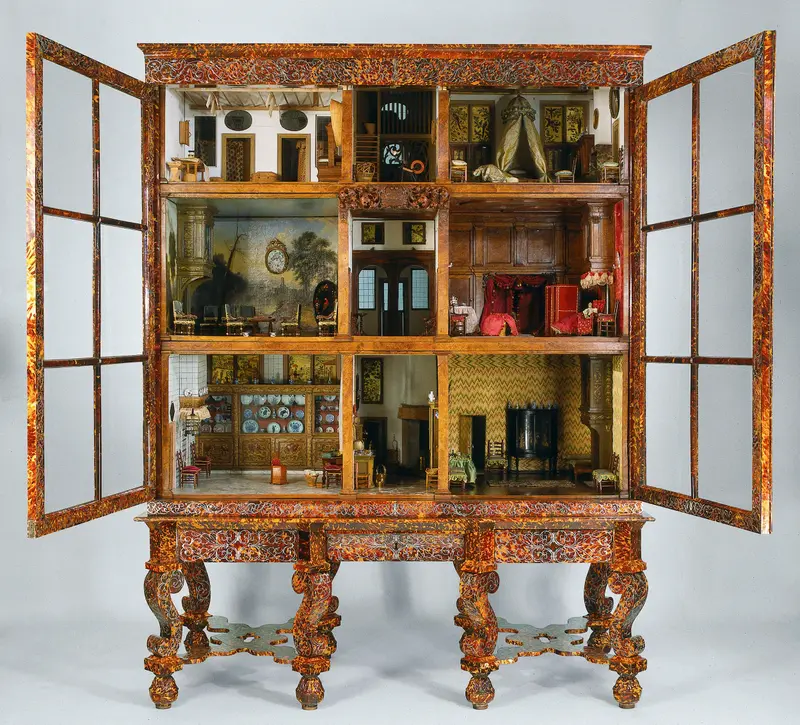
Dolls’ house of Petronella Oortman
Unknown Artist
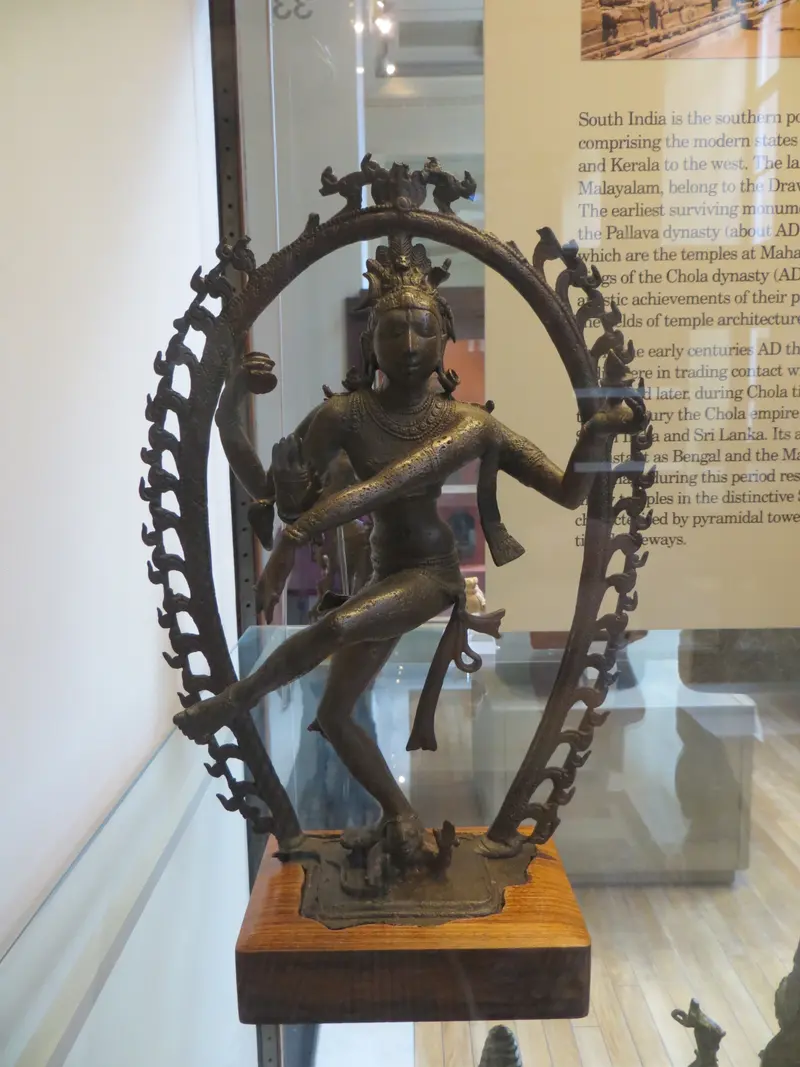
Shiva Nataraja
Unknown Artist
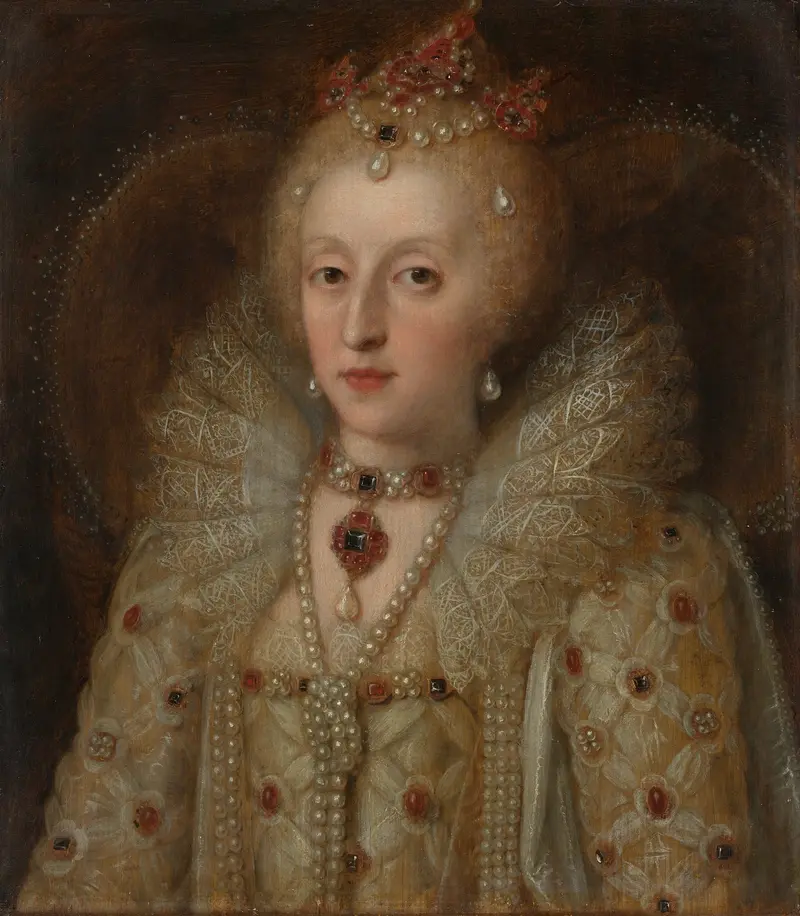
Portrait of Elizabeth I, Queen of England
Unknown Artist
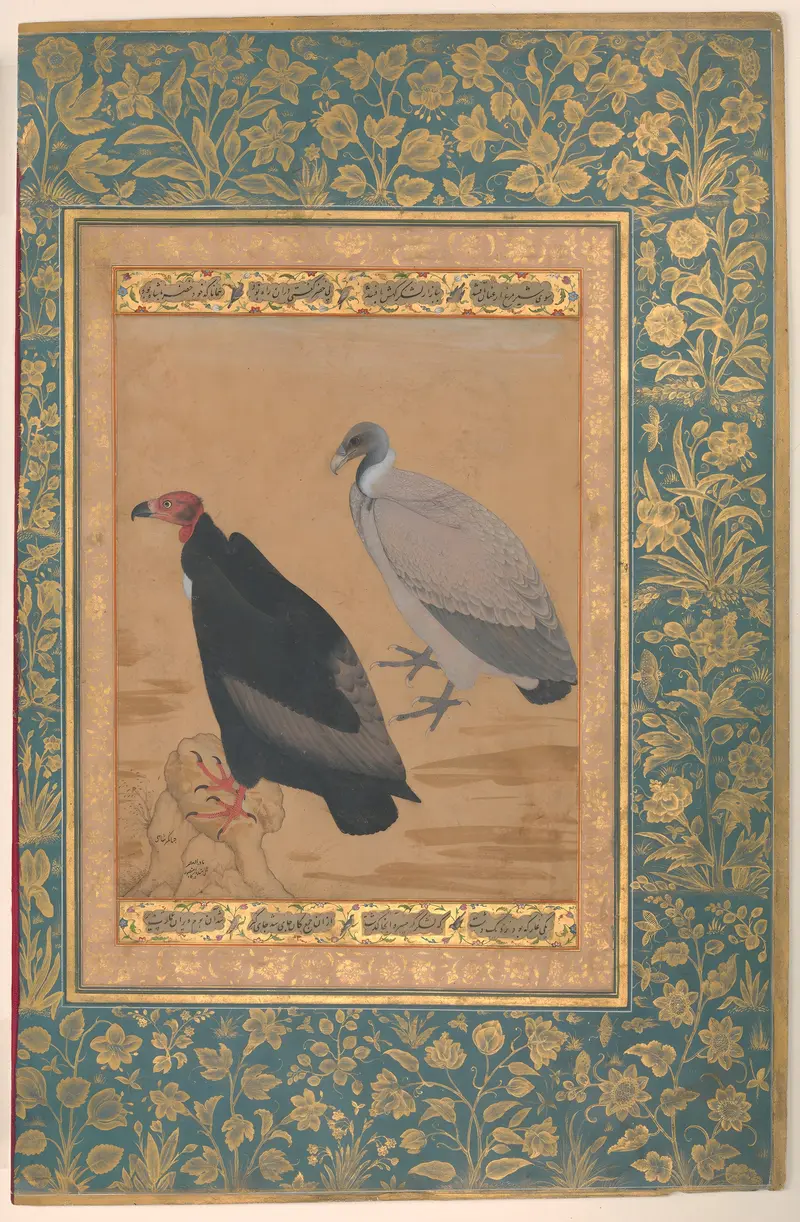
"Red-Headed Vulture and Long-Billed Vulture", Folio from the Shah Jahan Album
Unknown Artist

The Tale of Genji
Unknown Artist
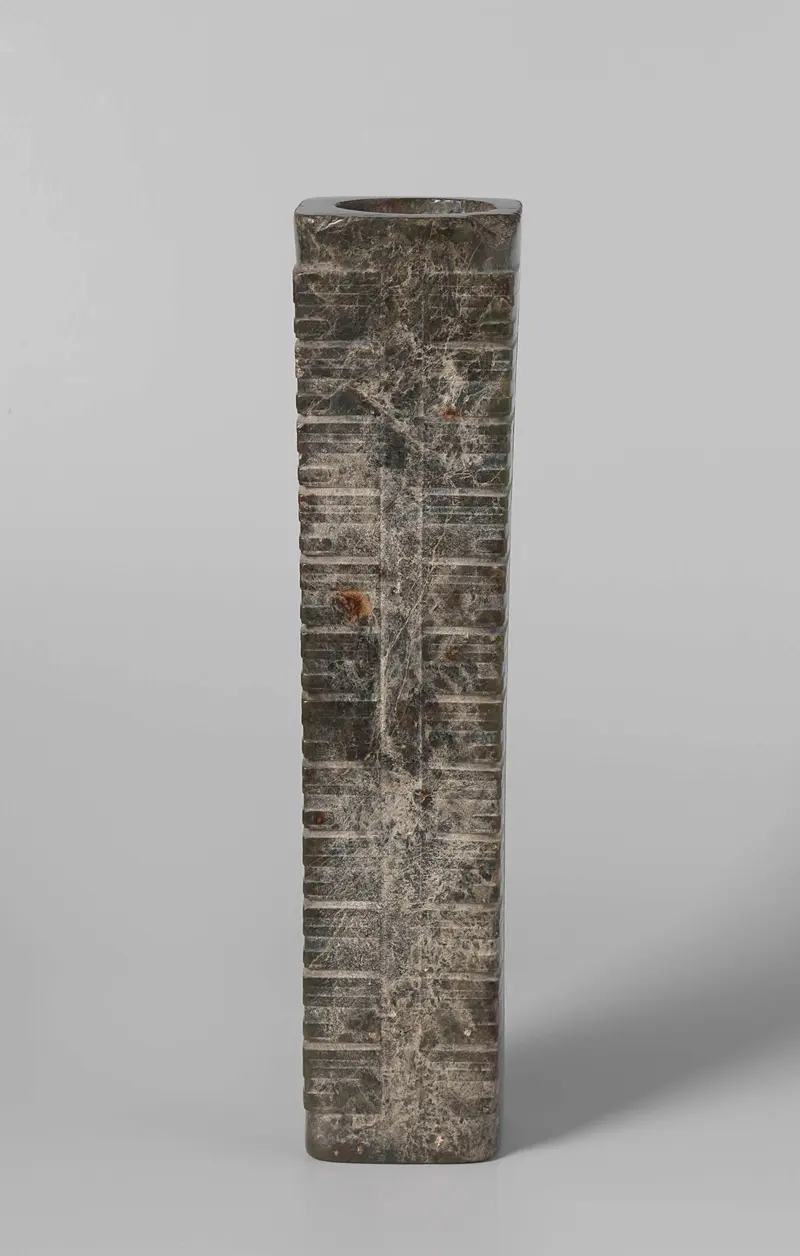
Cong
Unknown Artist
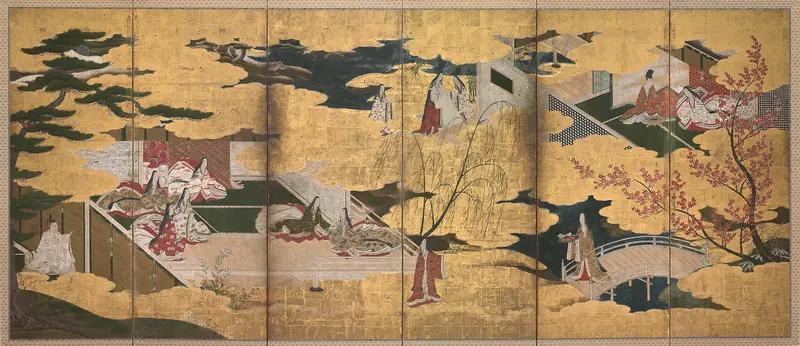
The Tale of Genji
Unknown Artist