Portrait of William III, Prince of Orange and King of England after 1689 — History & Analysis
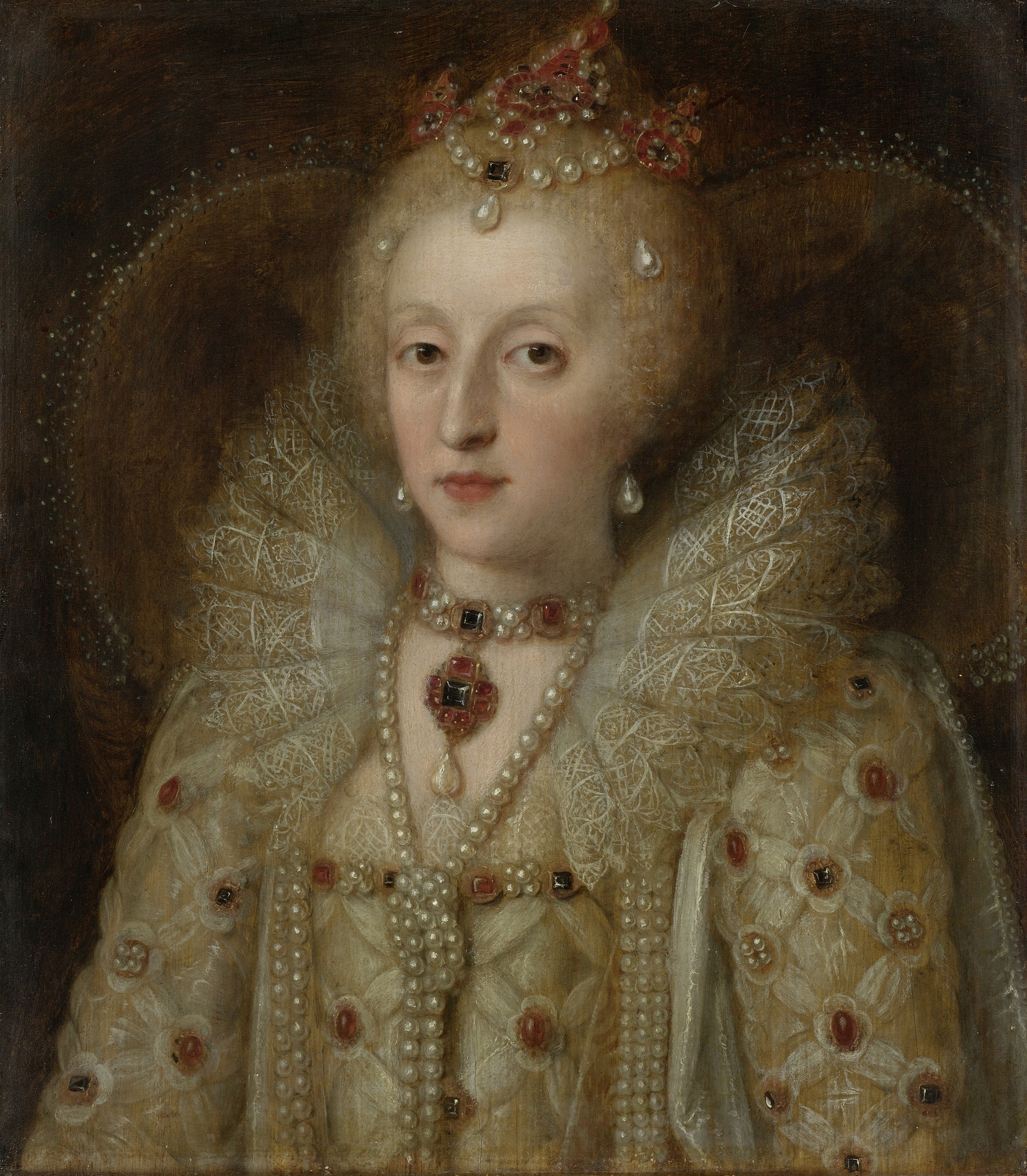
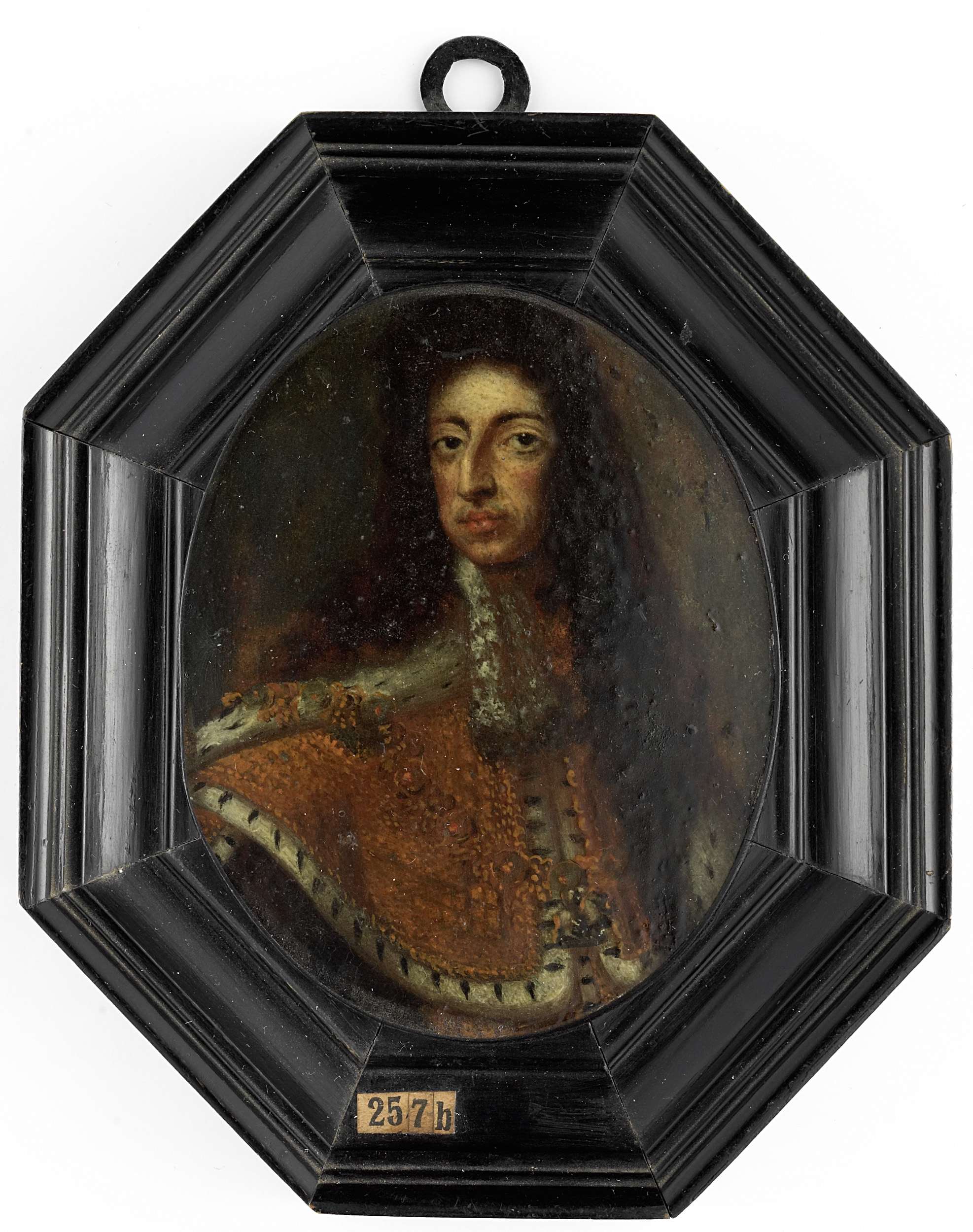
“The canvas doesn’t lie — it simply waits.” In this stillness, the viewer confronts the intricate layers of obsession that envelop the subject, a man poised at the intersection of power and perception. How does a ruler truly wish to be seen, and what shadows linger behind the facade? Focus on the regal attire that drapes the figure, rich in texture and color, whispering tales of both triumph and burden. Notice how the deep blues and golds command attention, drawing the eye towards the meticulously detailed embroidery that speaks of wealth and status. The sitter’s gaze, direct yet enigmatic, holds you captive — it is an invitation to ponder his inner world as much as his external authority. Hidden in the brushstrokes is a tension between vulnerability and strength. The slight tilt of his head suggests contemplation, perhaps self-awareness, and hints at the weight of his responsibilities. The subtle play of light across his face illuminates a nuanced expression, a blend of confidence and an unvoiced doubt. Each detail — from the soft folds of his collar to the firm grip of his hand — deepens the viewer's understanding of a life consumed by the public's expectations and the relentless march of history. Created around 1695, this portrait emerged during a transformative period for the artist, whose name remains lost to time. In the aftermath of William's ascension to the English throne in 1689, the world of art was shifting, reflecting the complexities of power dynamics and identity. The artist captures not just a likeness, but the embodiment of an era and the intricate dance between a man's ambition and the public's gaze.