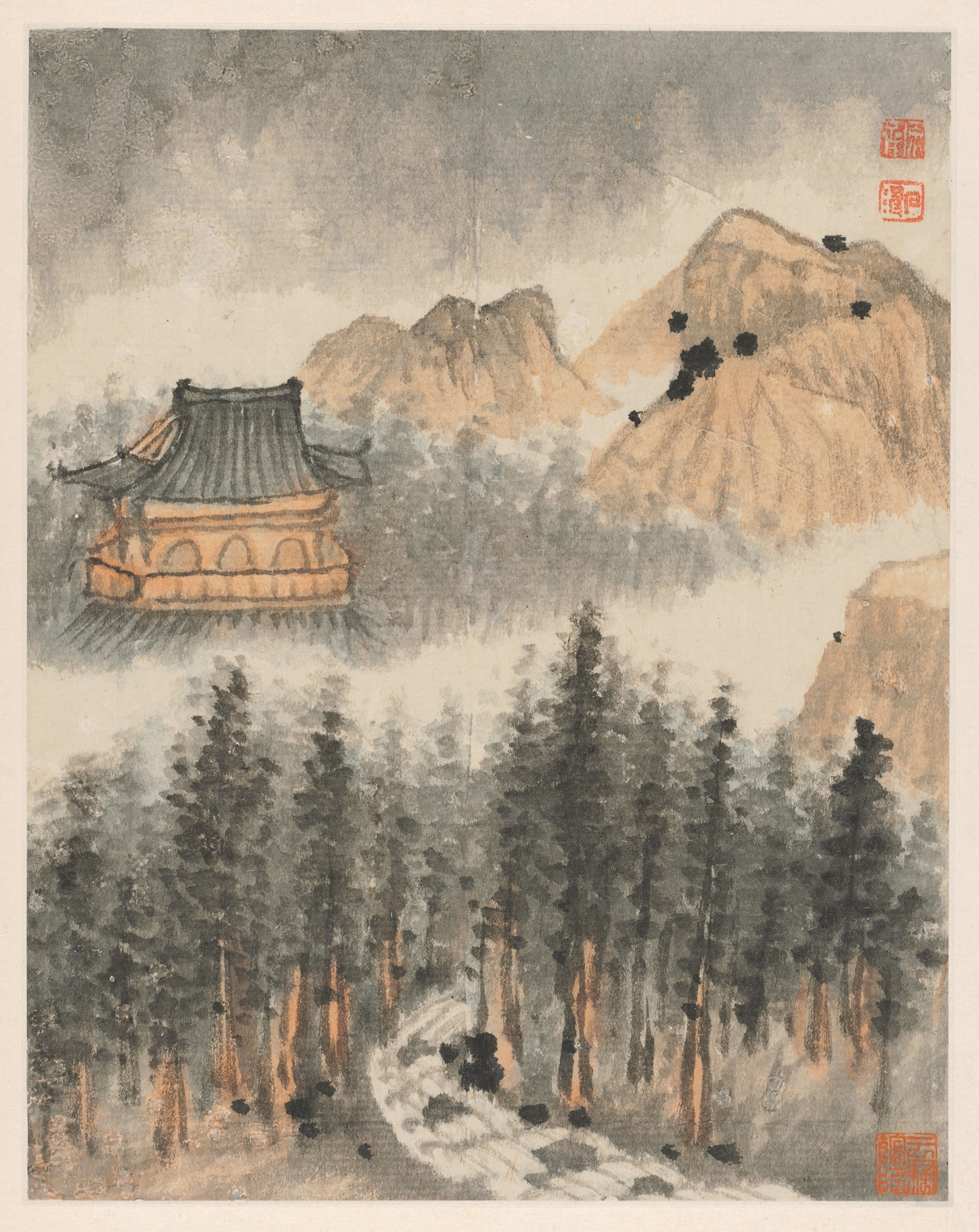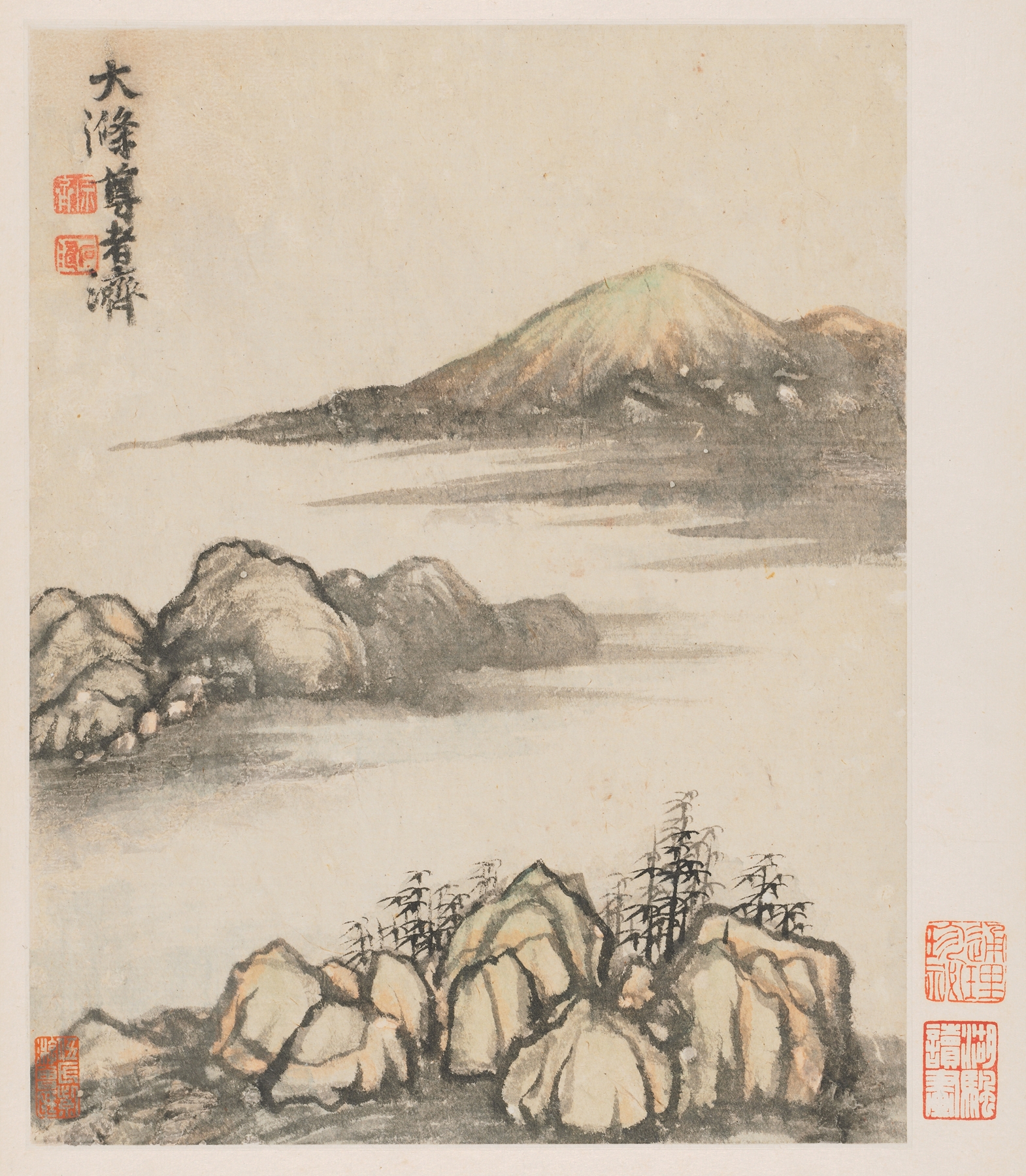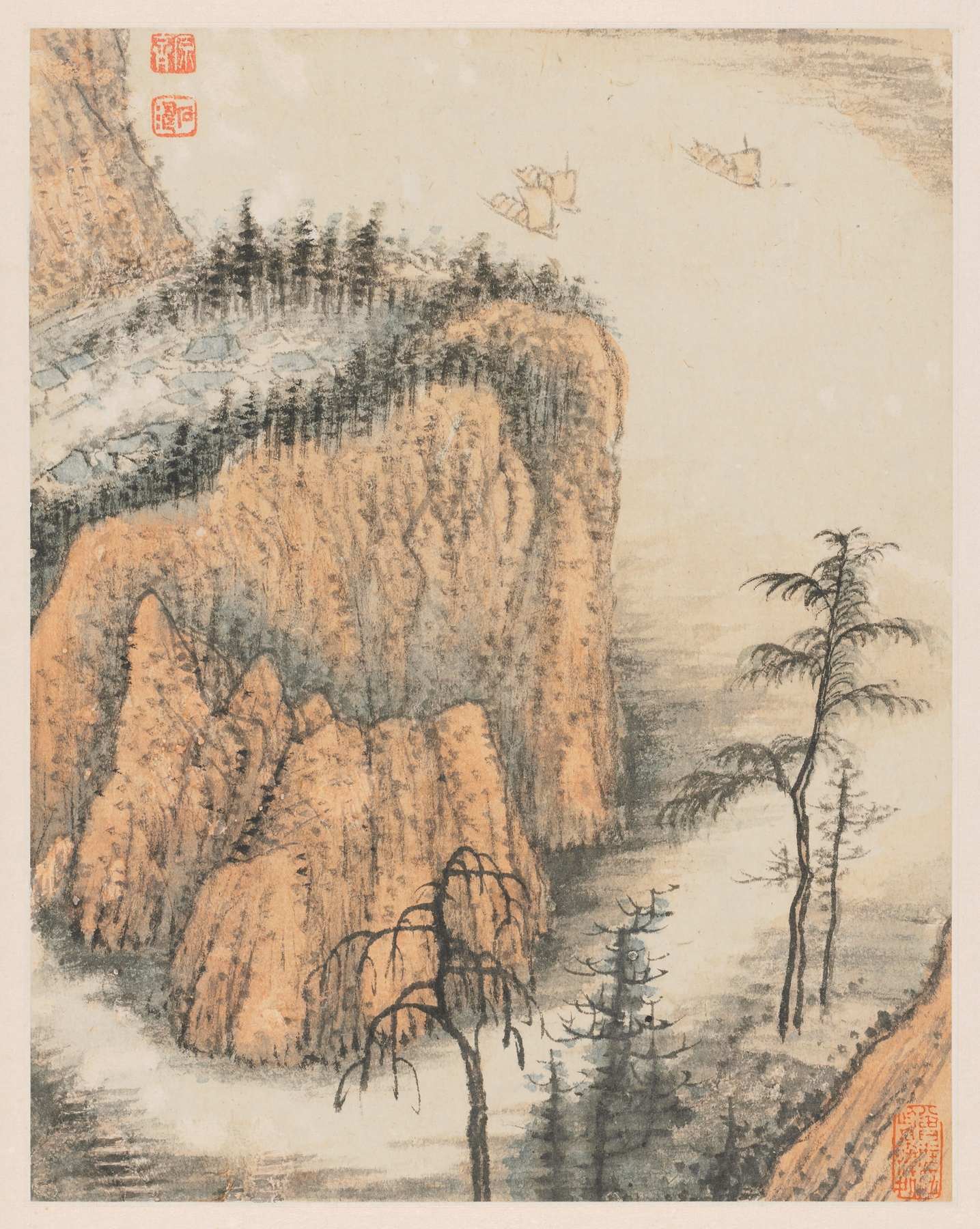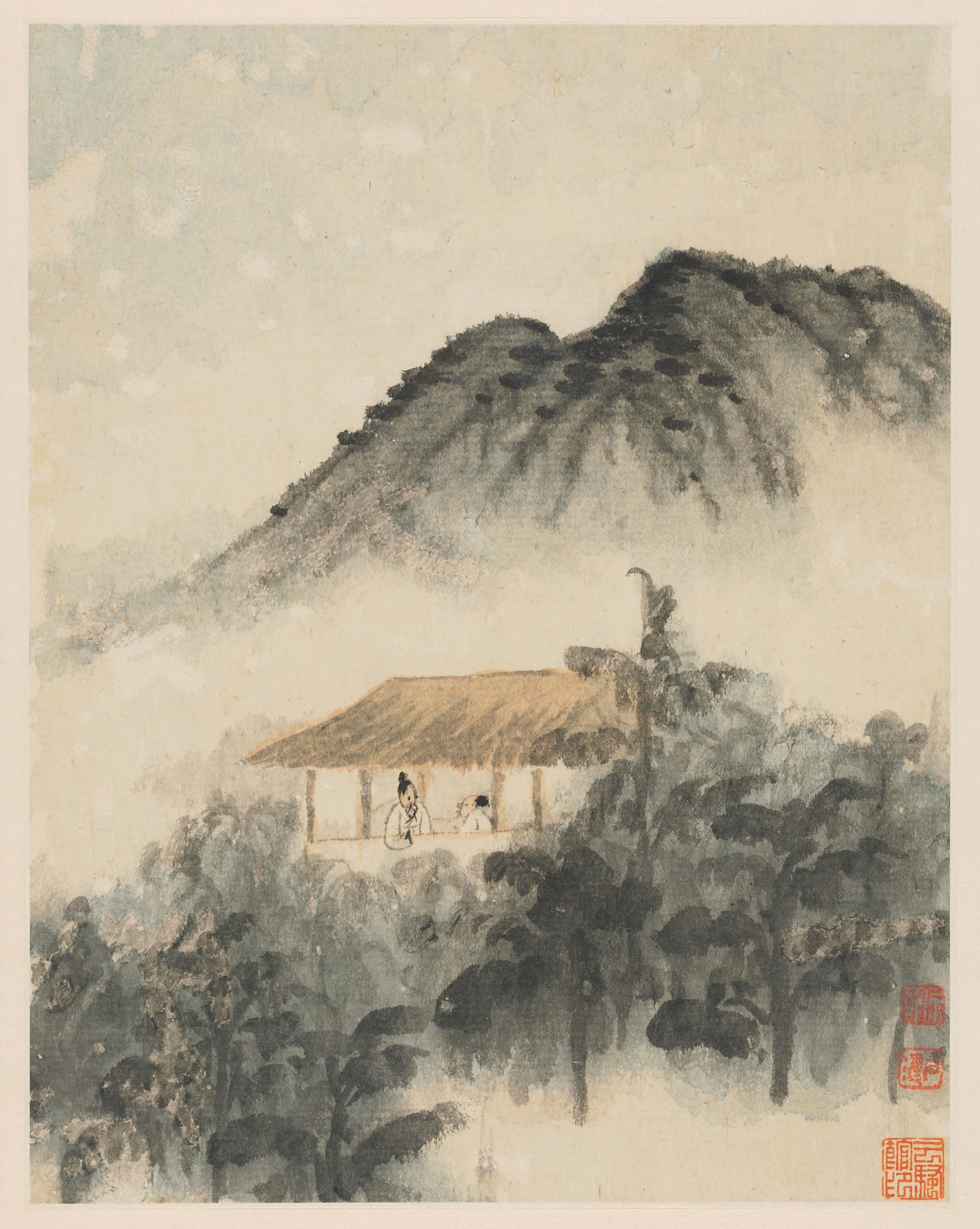
Reminiscences of Qinhuai River pl6 — History & Analysis
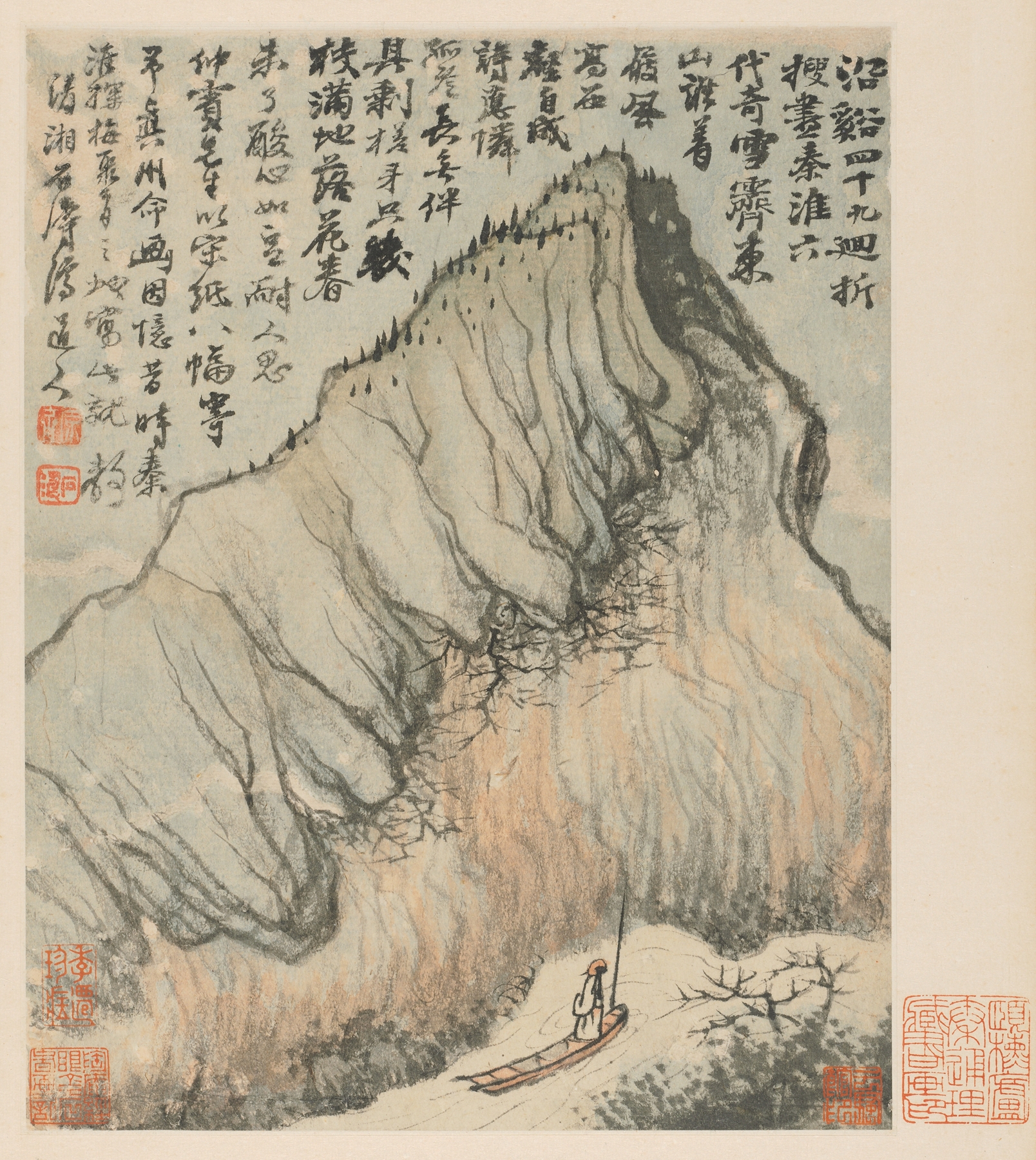
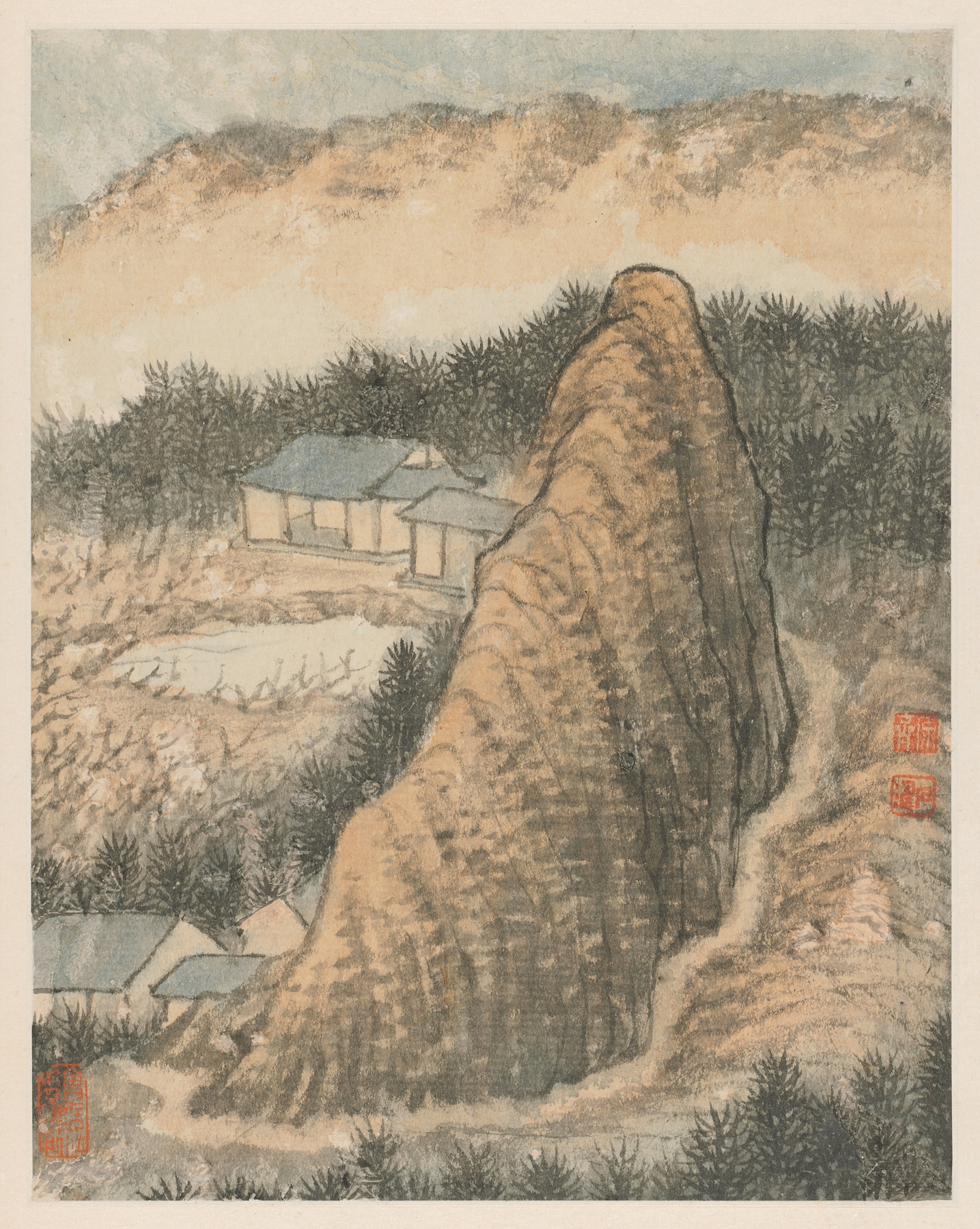
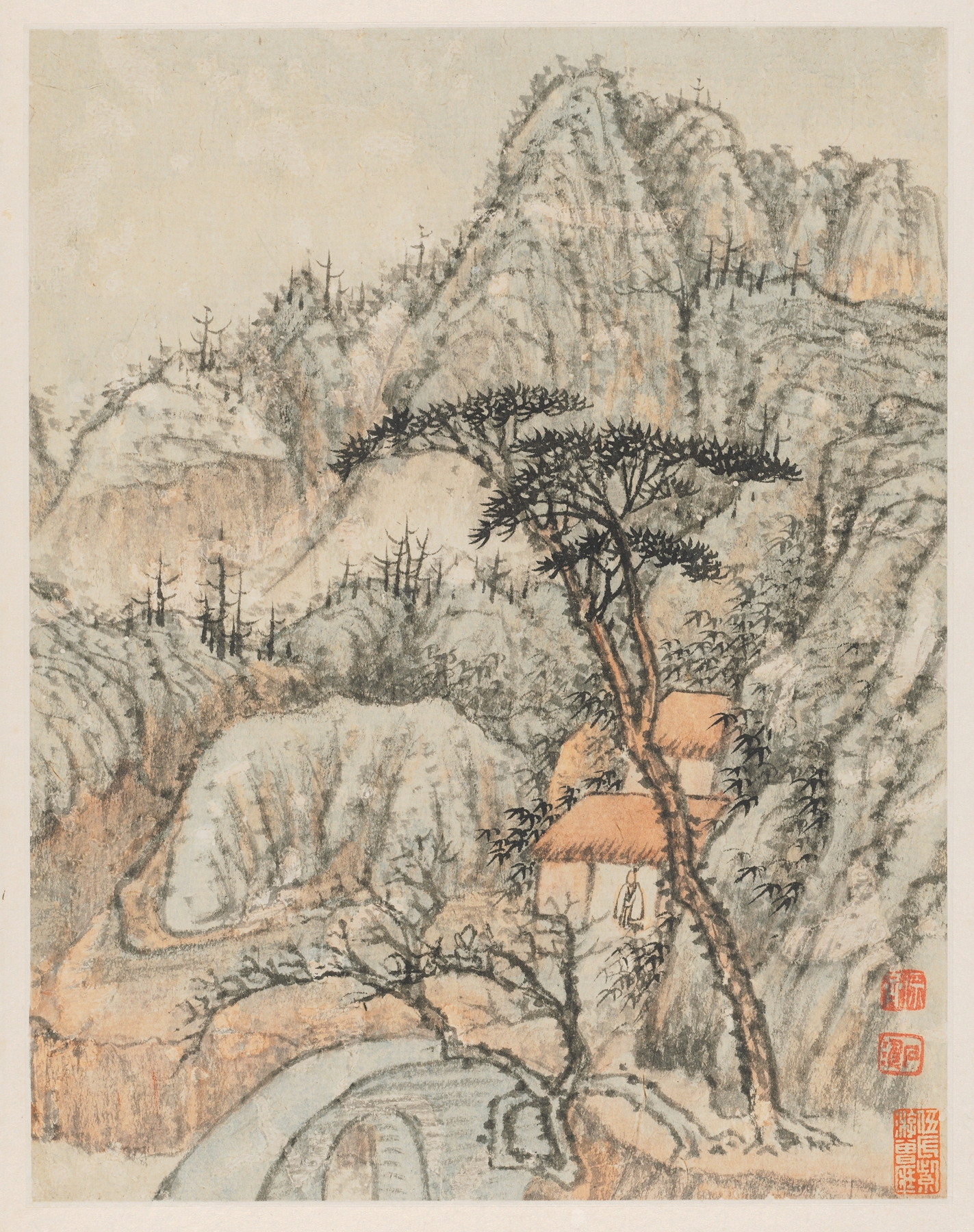
“Under the brush, chaos becomes grace.” This fleeting moment of transformation lingers in the air, inviting reflection on the nature of emptiness and the search for meaning in the void. Focus on the soft, flowing lines that lead your gaze through the landscape, revealing Shitao’s masterful balance of chaos and calm. Notice how the subtle shades of ink dance along the paper, creating a rhythmic pulse that feels both alive and meditative. The sparse composition draws your attention to the delicate interplay between light and shadow, where negative space breathes, allowing each stroke to resonate and exist in its own right.
Layers of meaning emerge in the juxtaposition of the serene river and the evanescent mountains that cradle it. The emptiness speaks volumes; it whispers of solitude and contemplation, evoking a sense of timelessness. Small, deliberate marks invite introspection, suggesting the transient beauty of nature, while the unfilled spaces evoke the philosophical ideologies surrounding emptiness in both art and life.
Created between 1642 and 1707, this piece reflects Shitao’s profound engagement with the world around him during a period of political upheaval and cultural transition in China. As an artist deeply influenced by Zen Buddhism and Daoist thought, he sought to capture the essence of experience through his brush strokes. In a time when traditional forms were being challenged, he carved a path toward innovation, embracing simplicity and spontaneity that continues to inspire today.