River Landscape in Moonlight — History & Analysis
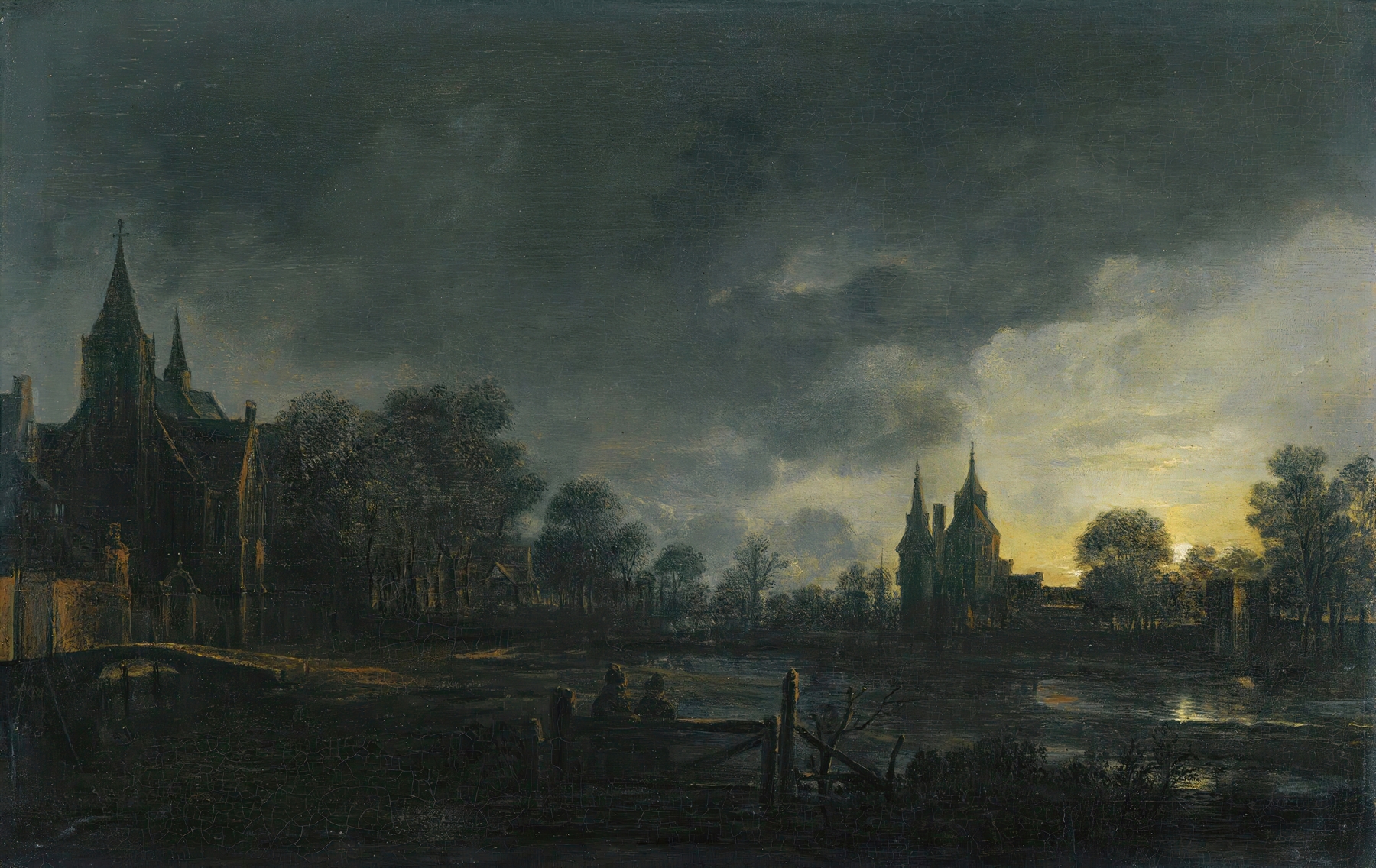
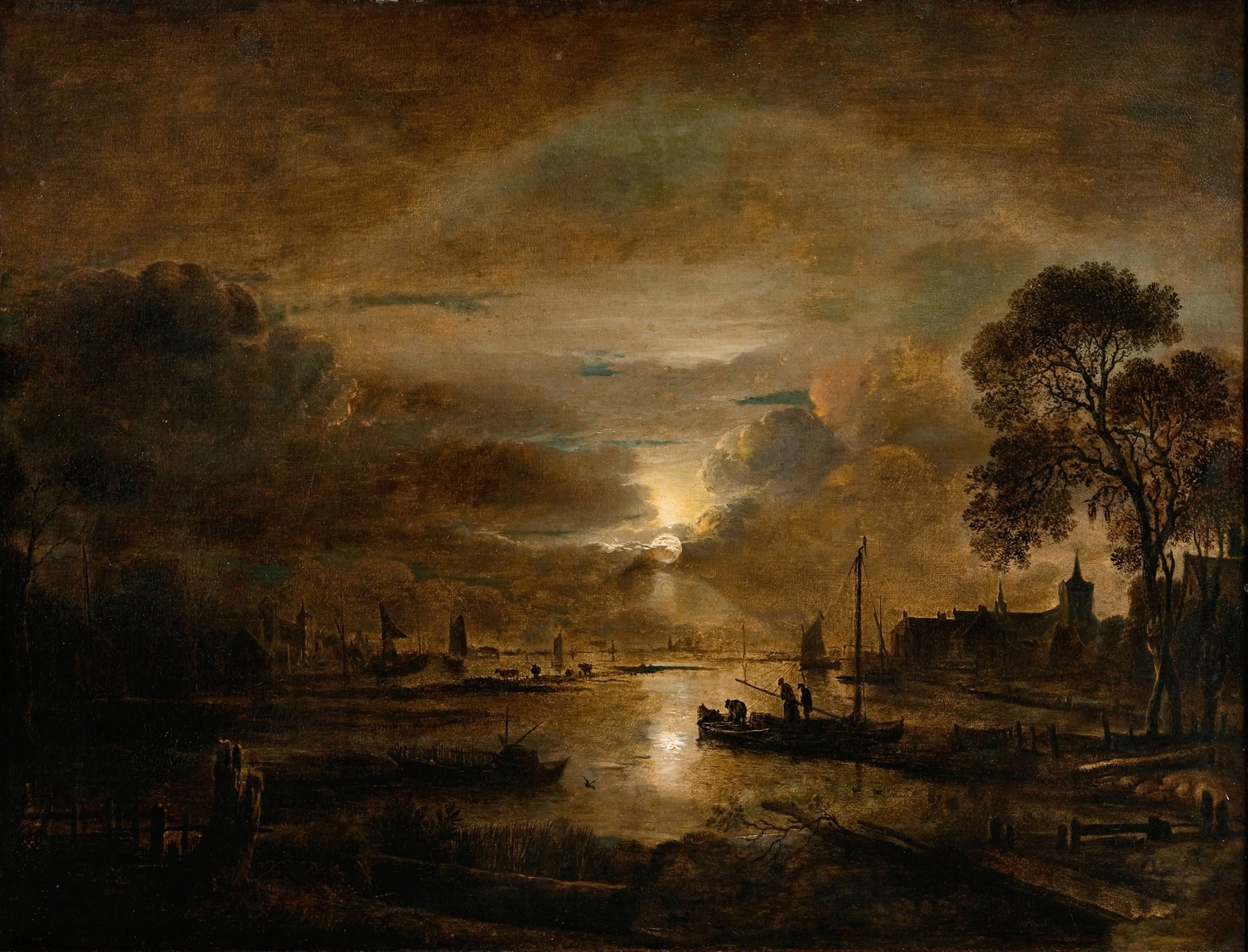
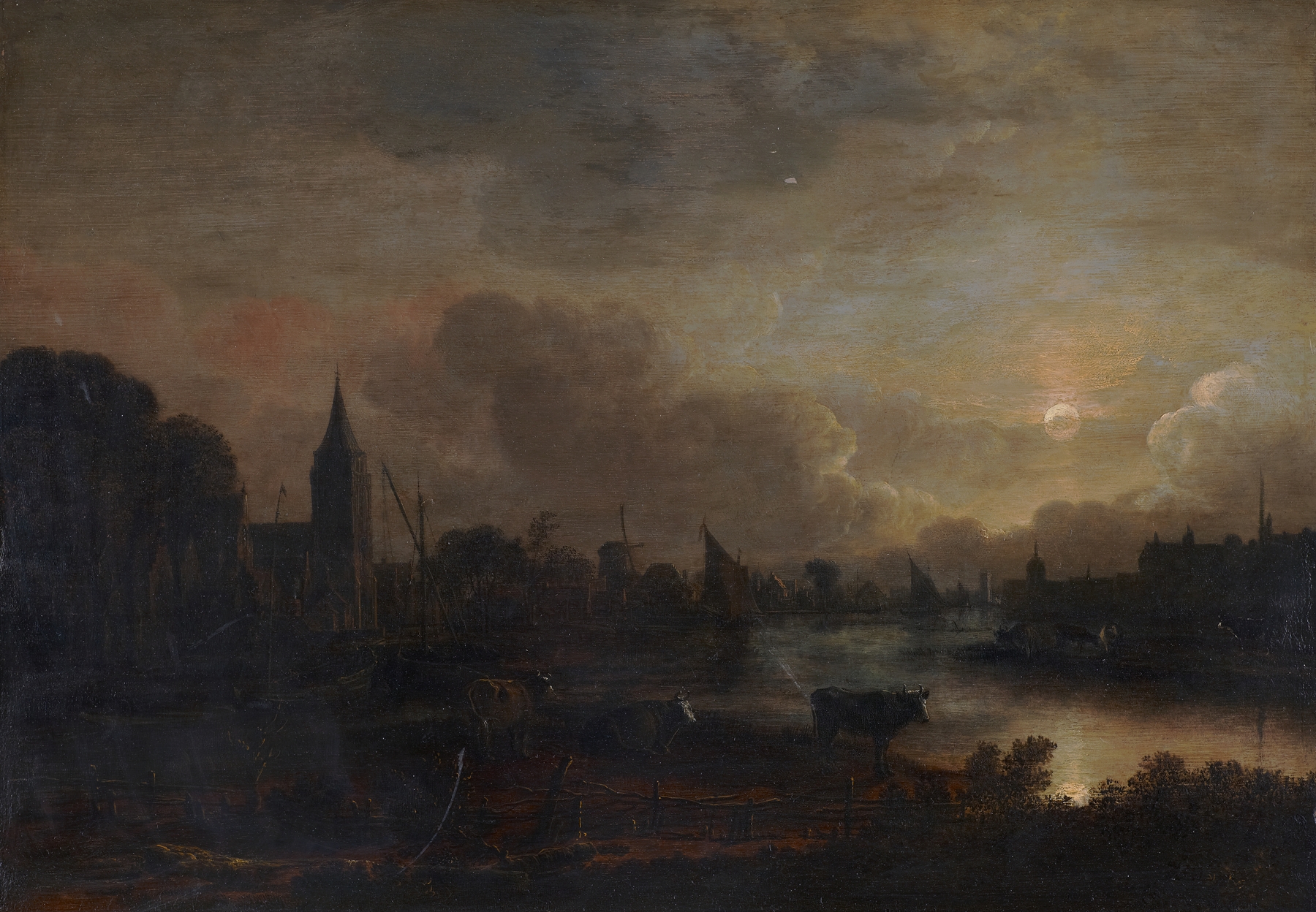
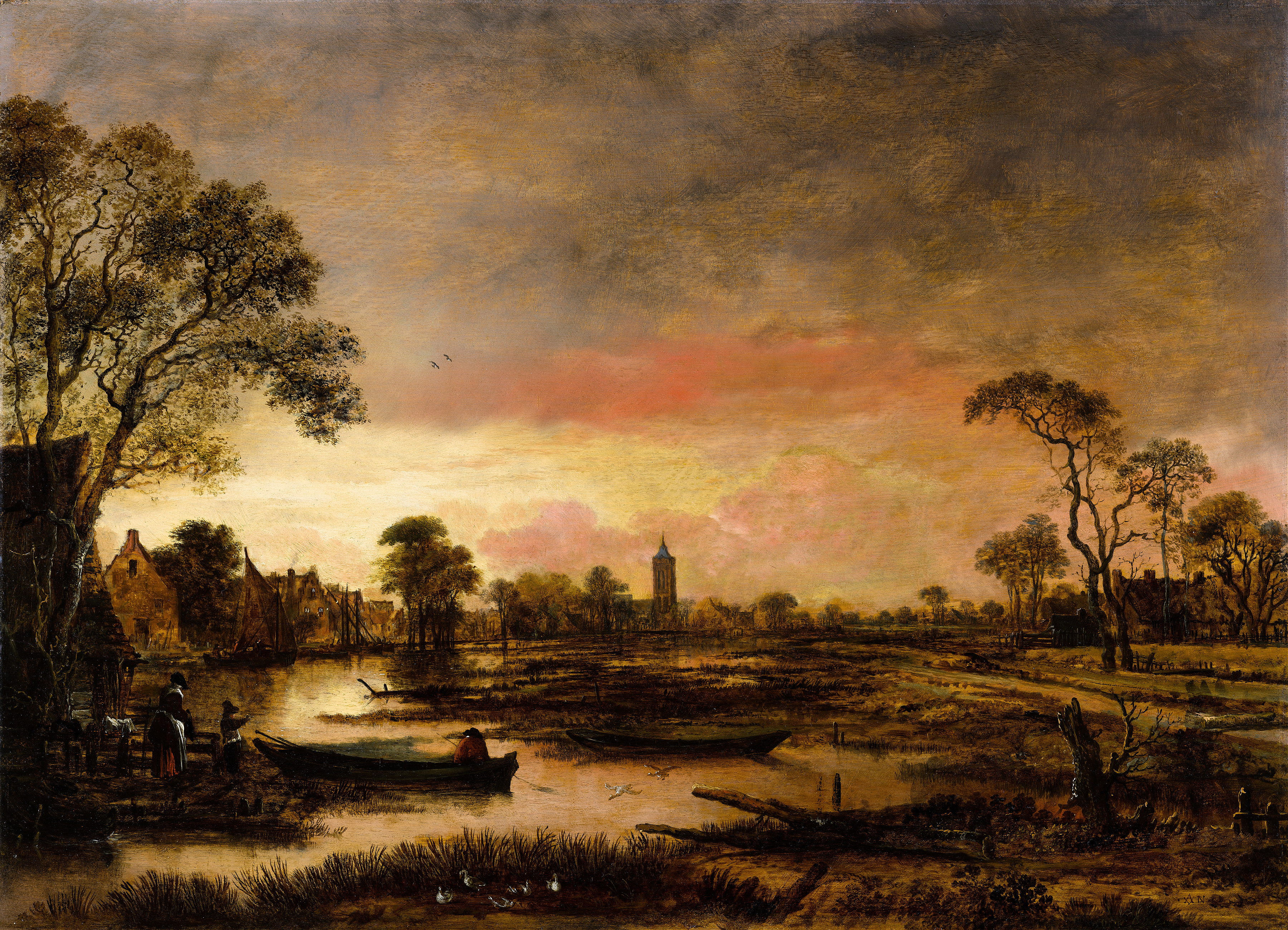
What if silence could speak through light? In the embrace of night, a tranquil river reflects the mysteries of destiny, revealing a world suspended in time. Look to the left at the deep, dark waters, where the moon casts its ethereal glow, illuminating the landscape in an otherworldly shimmer. Notice how the soft brushstrokes create a gentle undulation, echoing the quiet flow of the river. The trees frame the scene, their silhouettes etched against the luminous sky.
The delicate balance of light and shadow invites the viewer into this serene moment, yet a subtle tension lingers, as if the night holds secrets just beyond reach. Hidden within this celestial setting lies a contrasting interplay of hope and melancholy. The moon, a solitary beacon, symbolizes both guidance and loneliness, suggesting the duality of destiny—where paths converge and diverge under its watchful gaze. The stillness of the water serves as a mirror to the soul, reflecting not just the landscape but the weight of unspoken thoughts and dreams.
The chilling air seems to whisper of the unknown journeys that await beyond the horizon. During the years between 1645 and 1655, the artist painted River Landscape in Moonlight while residing in the Netherlands, a period marked by the emergence of Dutch landscape painting. Aert van der Neer sought to capture the sublime beauty of nature through his masterful light effects and moody atmospheres. This artwork reflects both his personal exploration of the seen and unseen, as well as the cultural milieu of a nation captivated by the allure of its waterways and the nighttime skies.