Rue de Village — History & Analysis
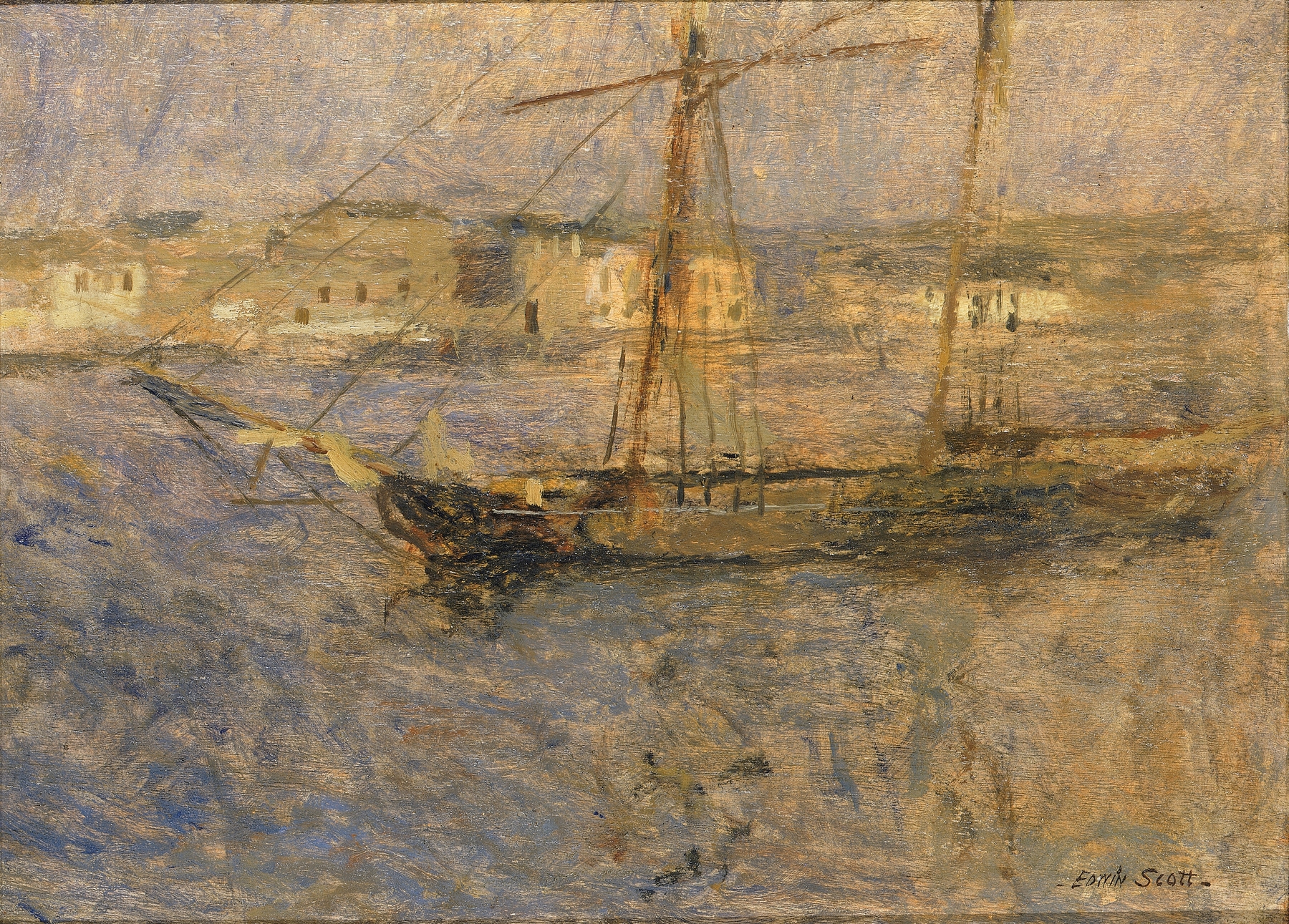
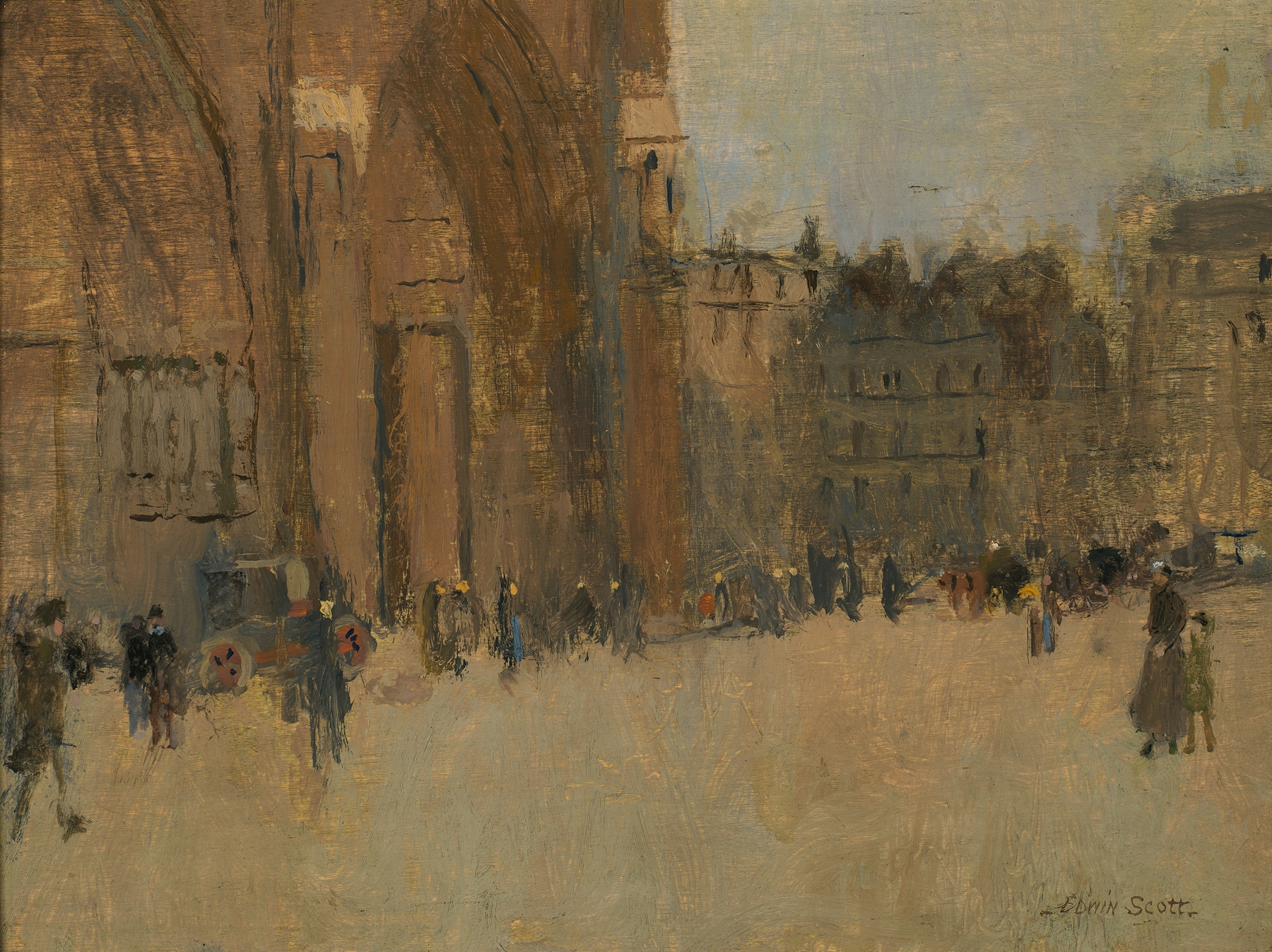
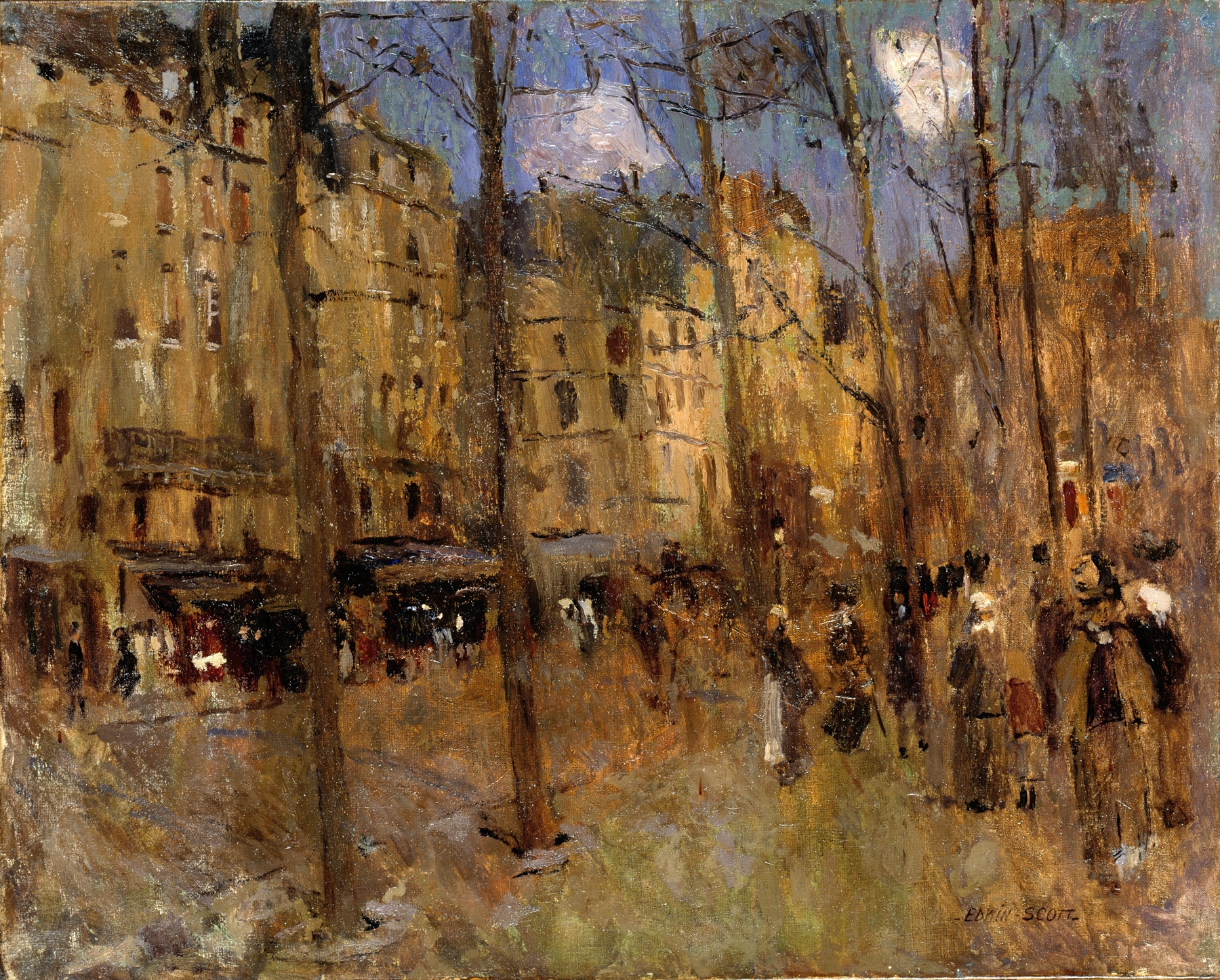
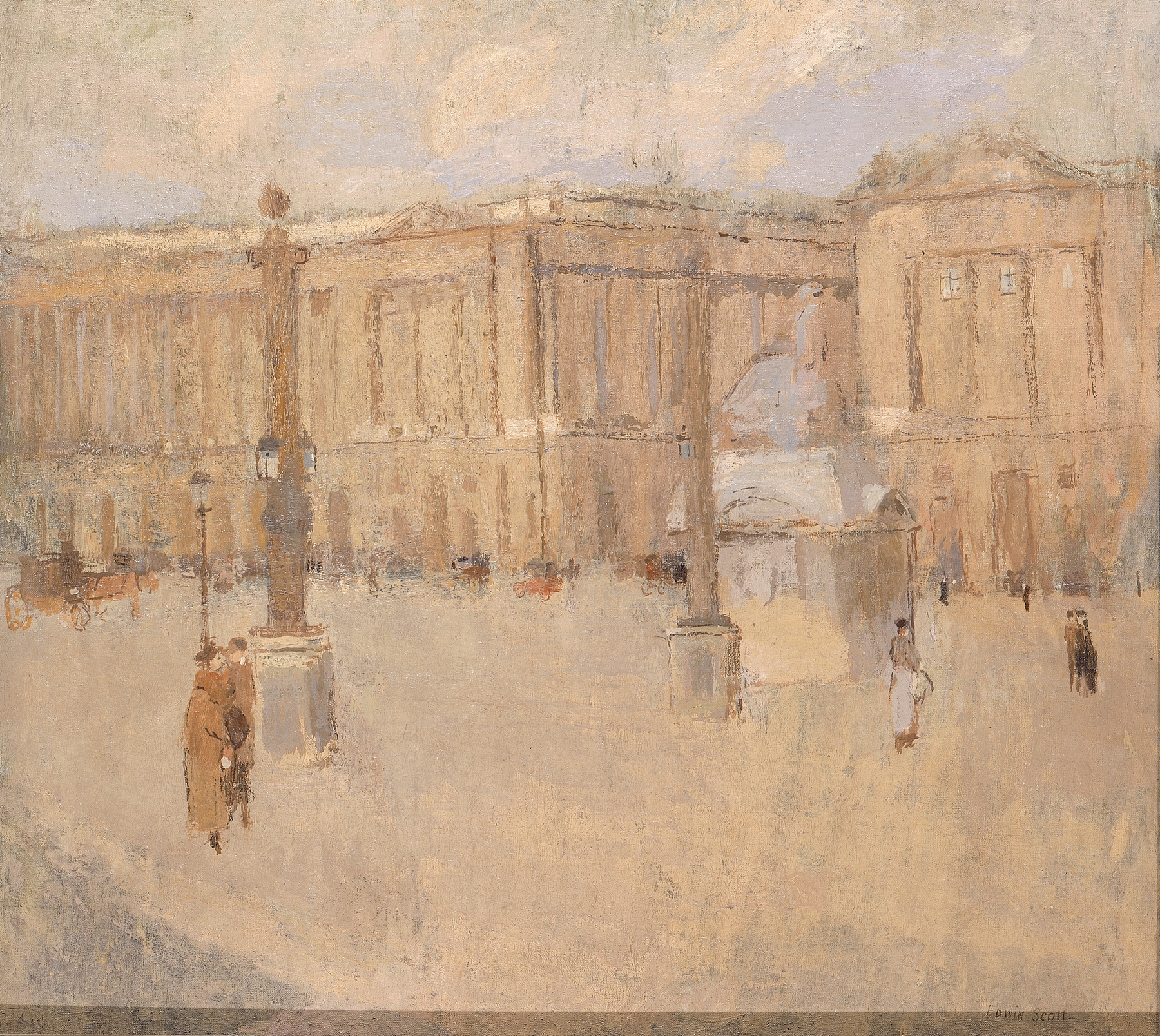
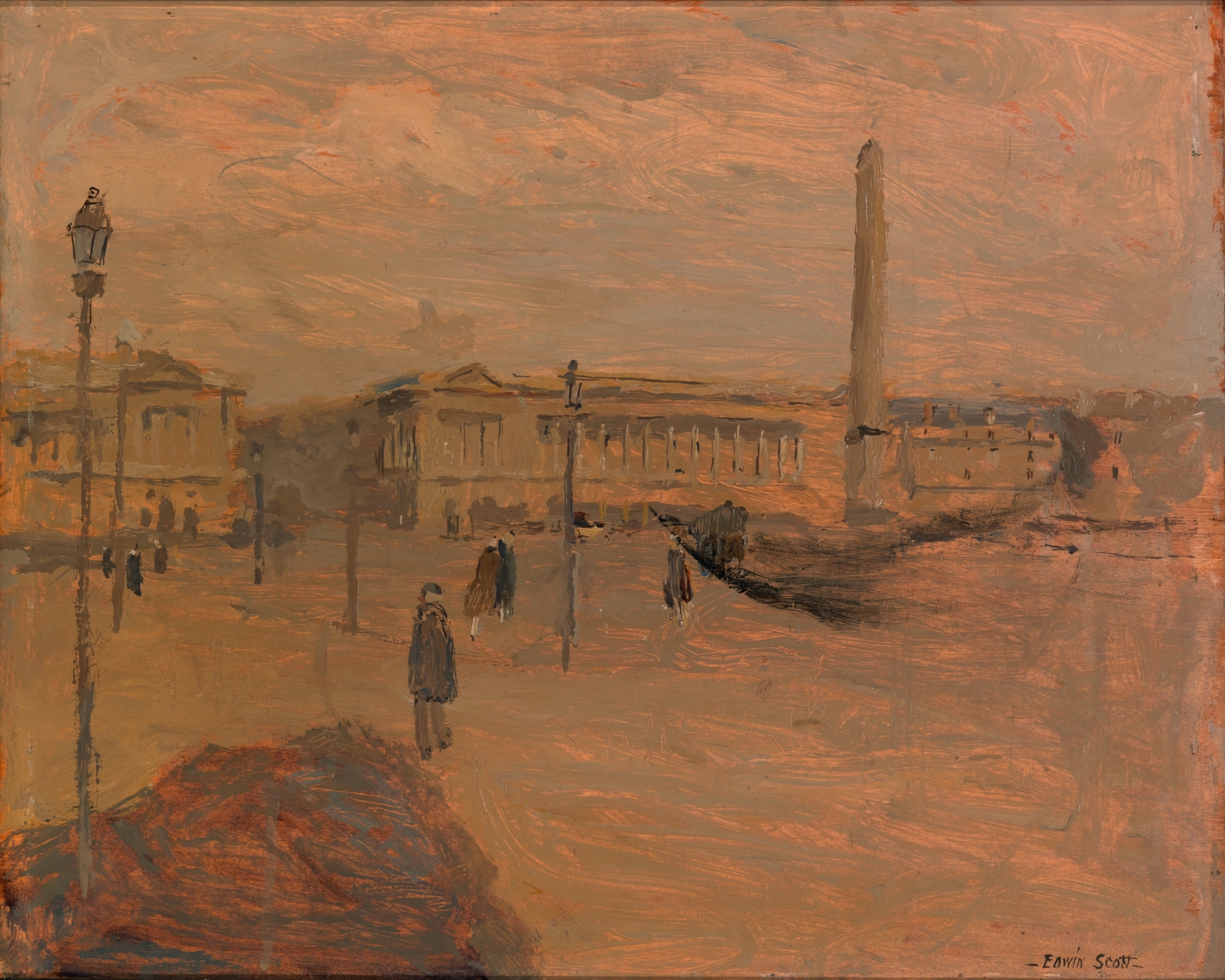
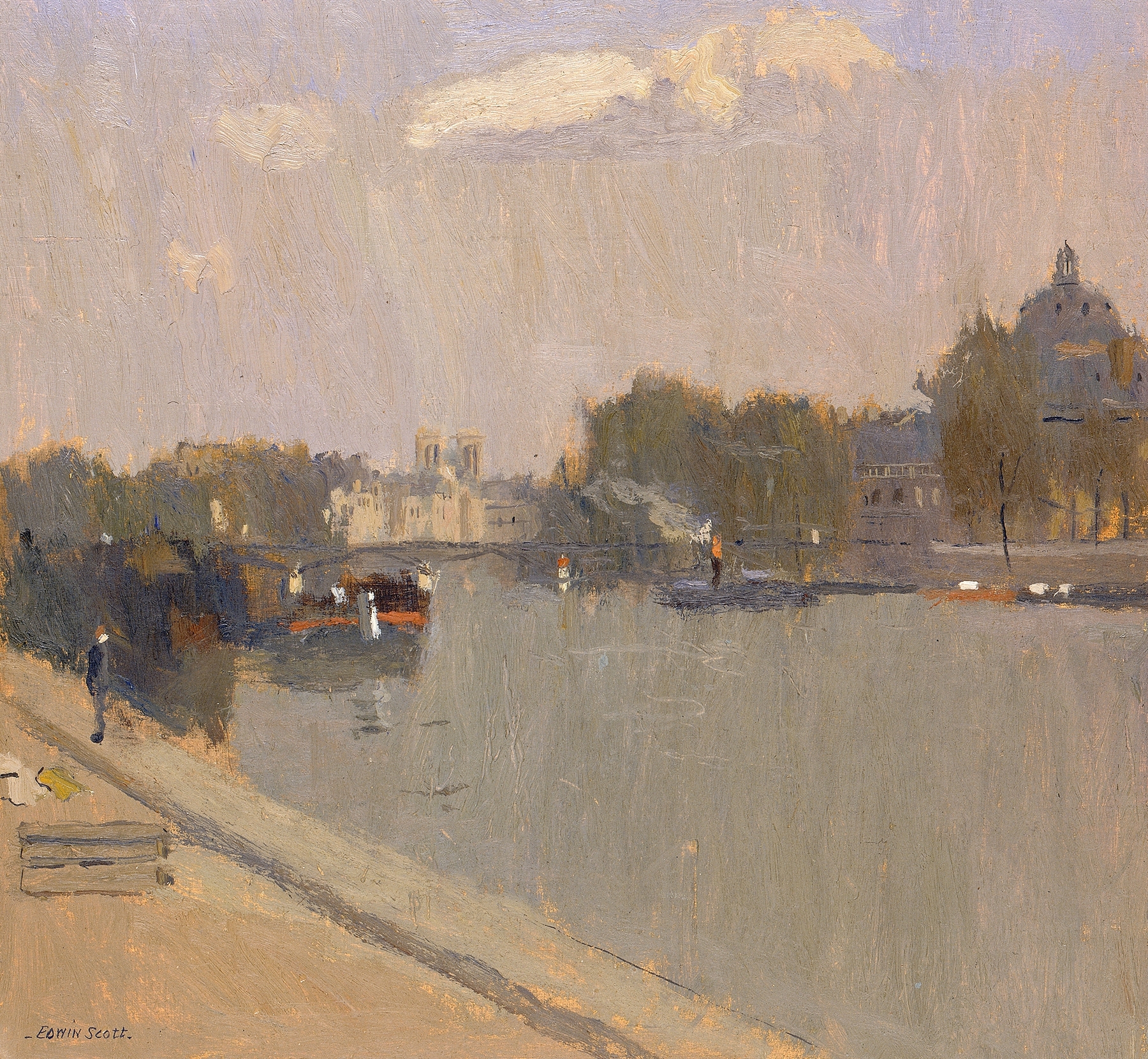
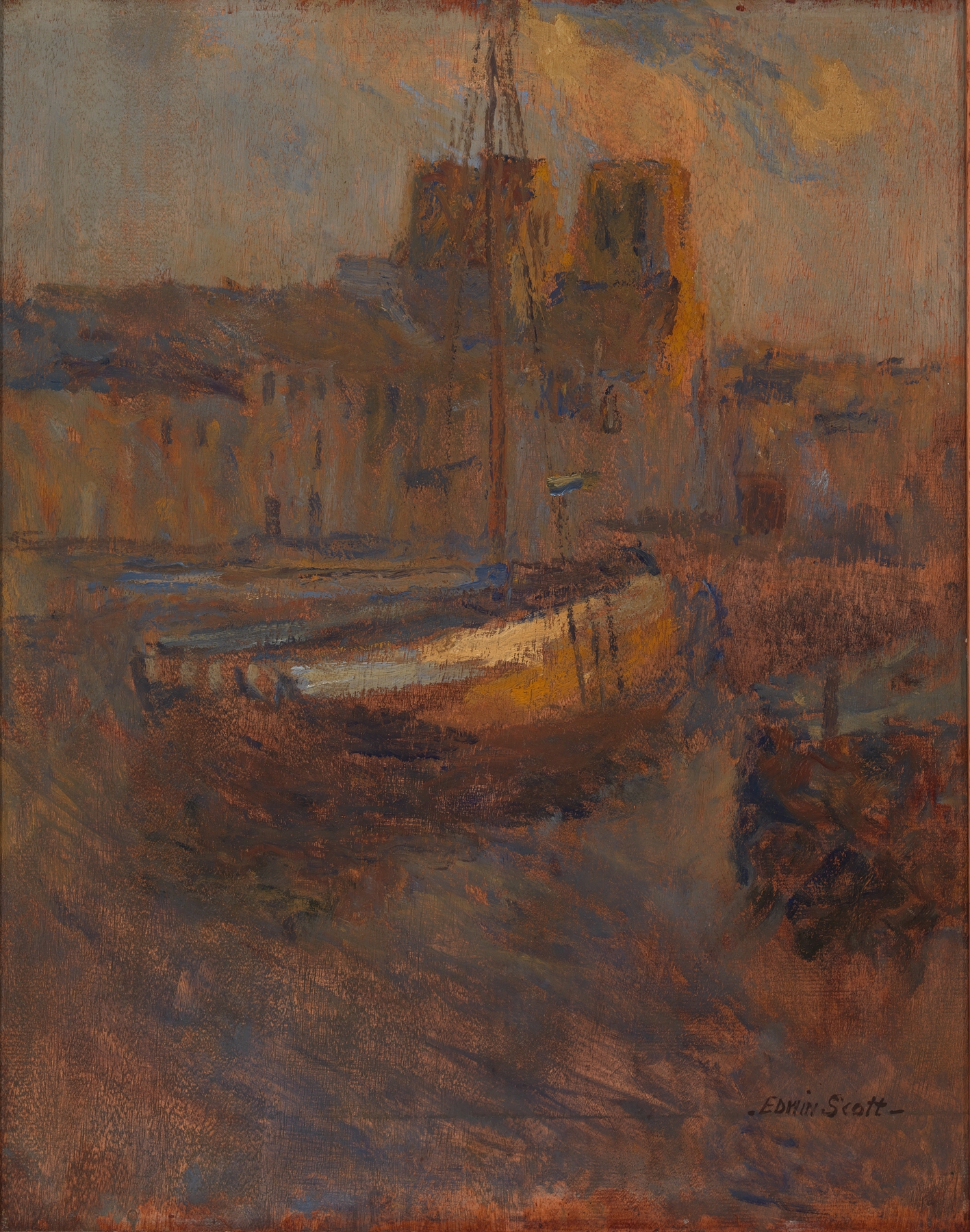
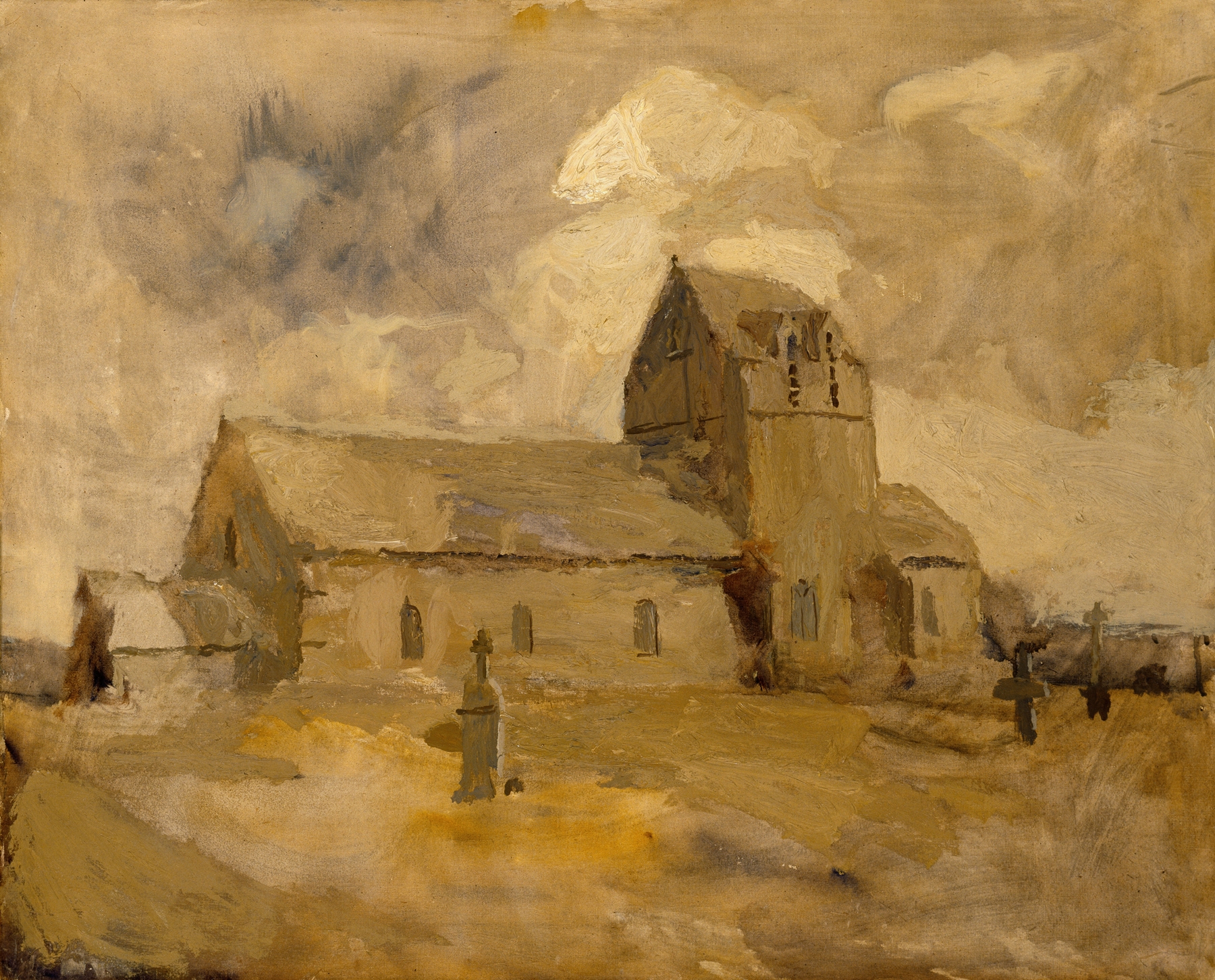
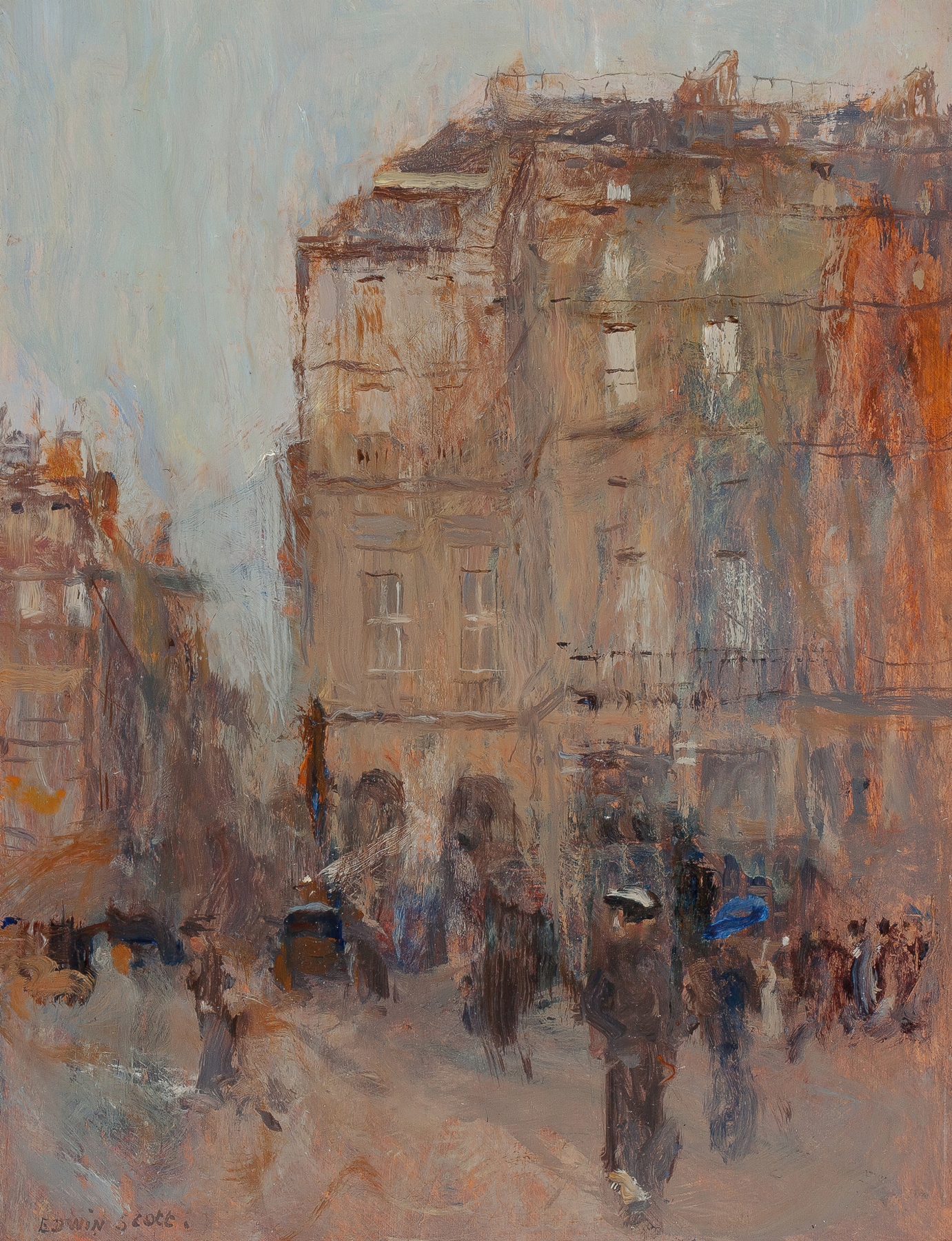
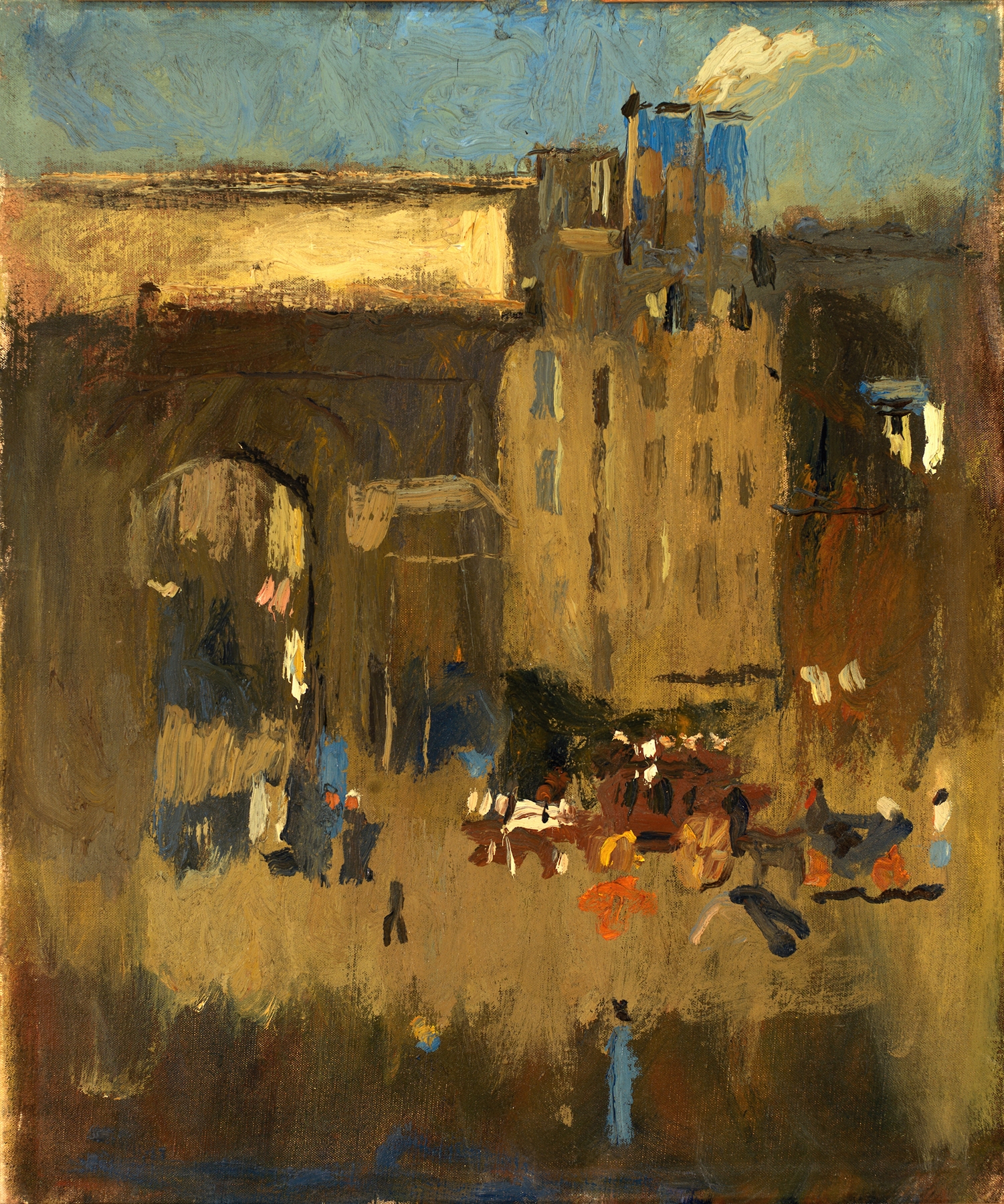
“Under the brush, chaos becomes grace.” What unseen forces of belief weave through the vibrant strokes of color, creating images that pulse with life and energy? Look to the foreground, where the cobblestone streets converge, inviting your gaze deeper into a village teeming with character. Notice the interplay of warm ochres and deep blues, forming an inviting, yet slightly chaotic scene. Each building leans slightly, as if caught in a gentle breeze, their facades adorned with lively splashes of color that beckon you to explore their stories.
The artist’s technique captures the essence of a moment suspended in time, with every brushstroke blending seamlessly, creating a captivating harmony amid the apparent disorder. Beneath the surface, hidden tensions emerge. The vibrant hues clash yet coexist, symbolizing the struggle between tradition and innovation that defines this village life. A solitary figure stands at the edge, almost lost in thought, embodying doubt amidst the lively chaos around them—a reflection of personal faith in a world that often feels uncertain.
This contrast invites the viewer to consider their own beliefs and experiences within the framework of community and belonging. In an unspecified period of his career, Scott created this work during a time when artists were grappling with the transition into modernity. Influenced by the changing landscape of art and society, he sought to capture the spirit of everyday life amidst the chaos of progress. At this juncture, he began to explore the relationship between faith, humanity, and the natural beauty that surrounds us, paving the way for a new chapter in his artistic journey.