Sater vrouw speelt op een doedelzak — History & Analysis
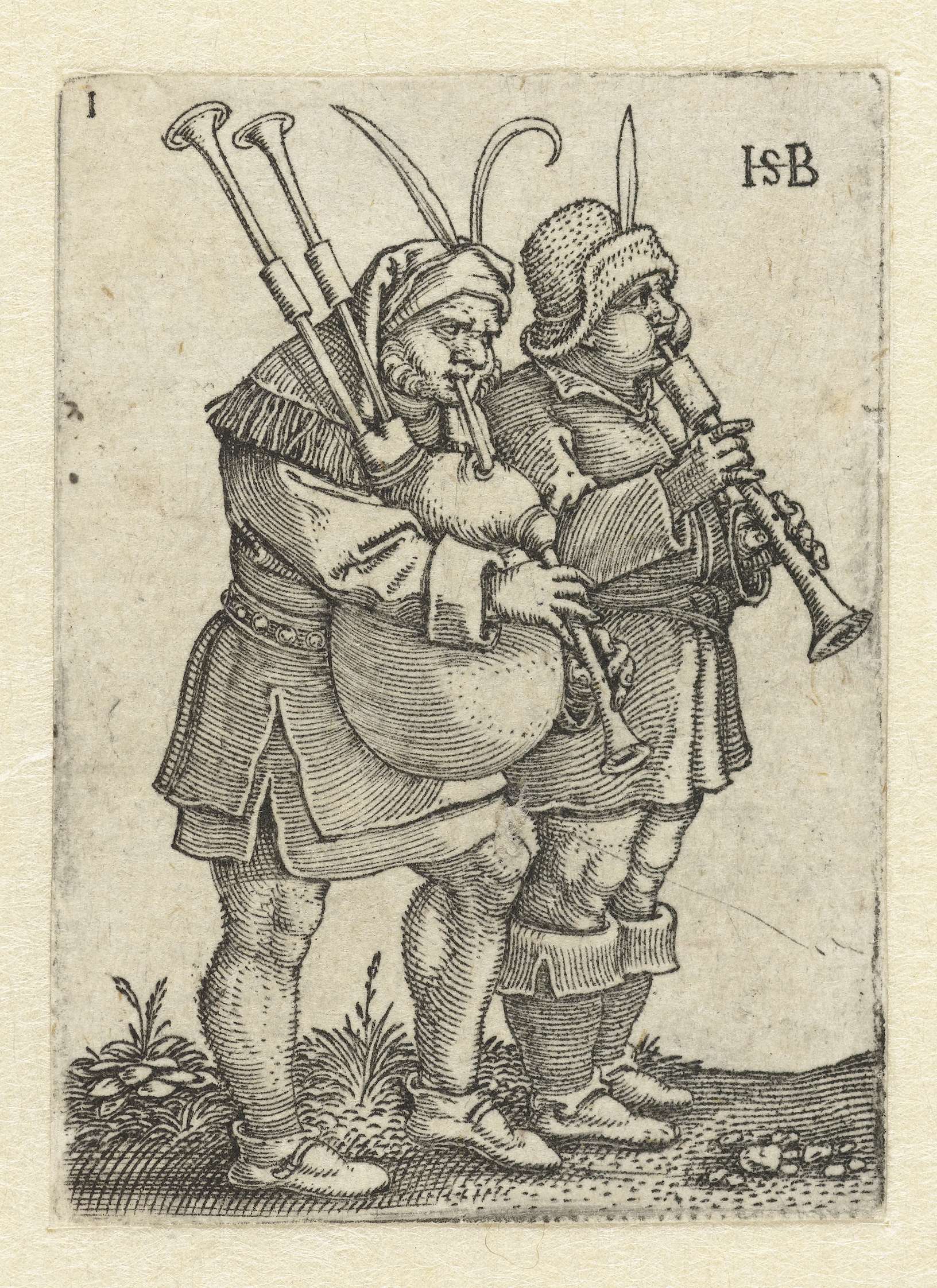
What if silence could speak through light? In the gentle glow of a solitary figure, we find ourselves enveloped in an atmosphere where sound becomes visual, and stillness conveys profound emotion. Look to the left at the satyr, fully engaged in playing a bagpipe, his face contorted in a rapture that harmonizes with the depth of the surrounding shadows. Notice how the light falls upon his intricately textured skin, illuminating the wild curls of his hair that flirt with the dark background.
The muted colors paint a scene that balances the vibrancy of his expression against the somber tones, creating a rhythmic contrast that draws the eye across the canvas. The juxtaposition of the satyr’s unfettered joy against the stillness of the background evokes an emotional tension that speaks to the complexities of desire and solitude. Each crease of his lively features and posture hints at a deeper narrative—perhaps a celebration of life, or an introspective moment caught in time. The bagpipe, a symbol of both revelry and melancholy, highlights the duality of existence, inviting the viewer to ponder the connection between music, emotion, and the very nature of human experience.
Created during the early 16th century, this work emerged from a period of burgeoning individualism and artistic exploration in Northern Europe. Beham, a prominent figure in the German Renaissance, painted this piece while engaging with the shifting tides of artistic expression and techniques of the time. The interplay of light and shadow in his work reflects not just the technical advancements of the era, but also the burgeoning inquiry into the human condition that characterized the art world during this transformative phase.