Scapin — History & Analysis
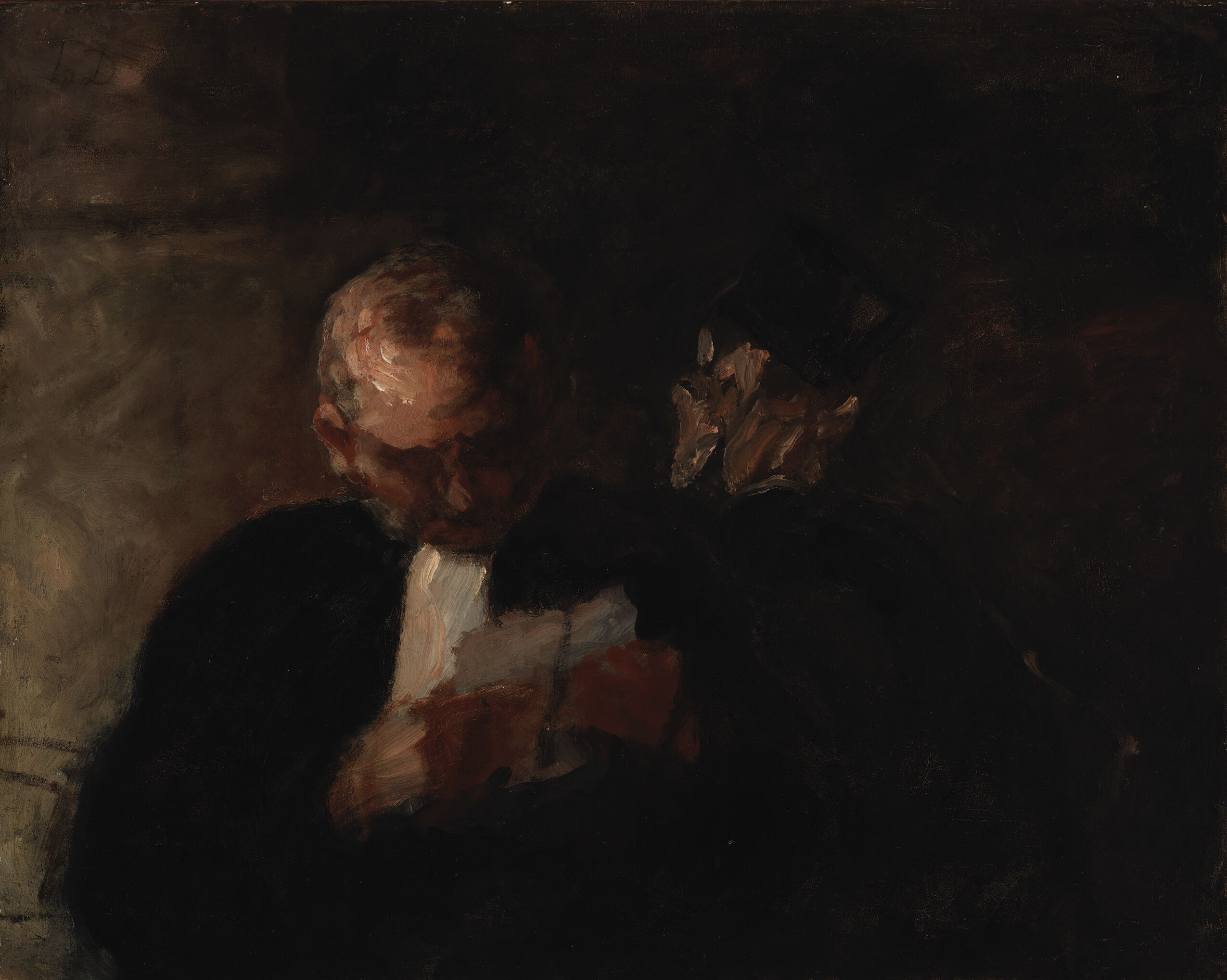
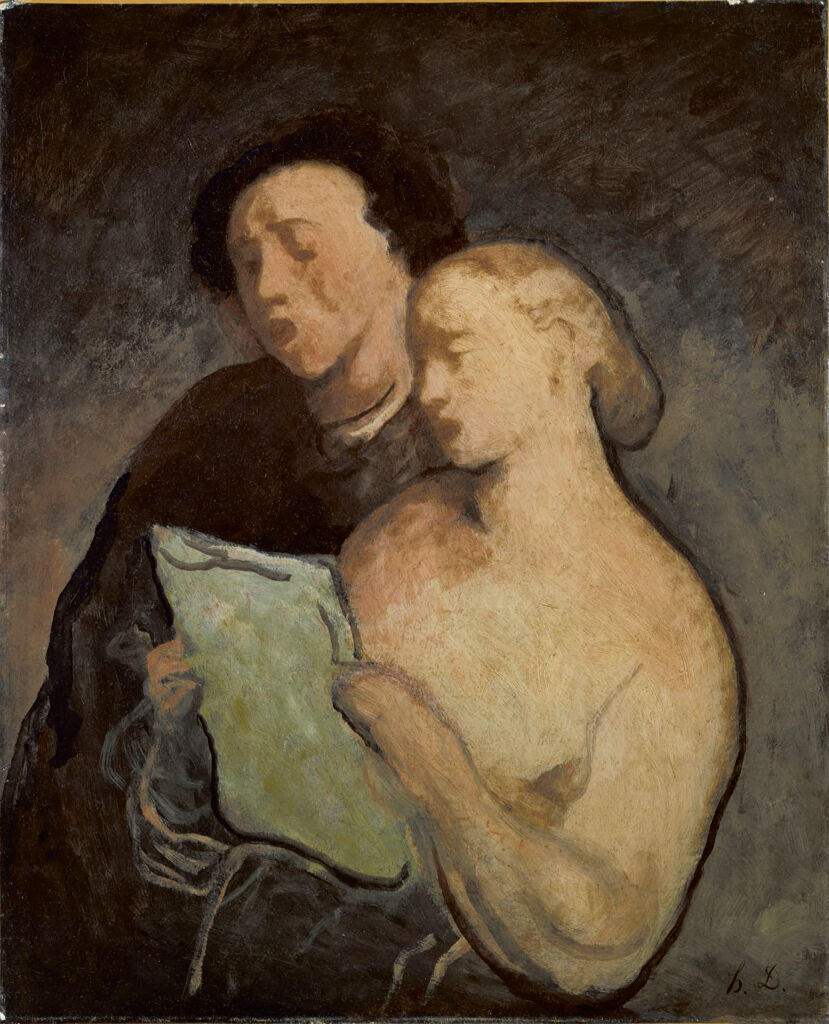
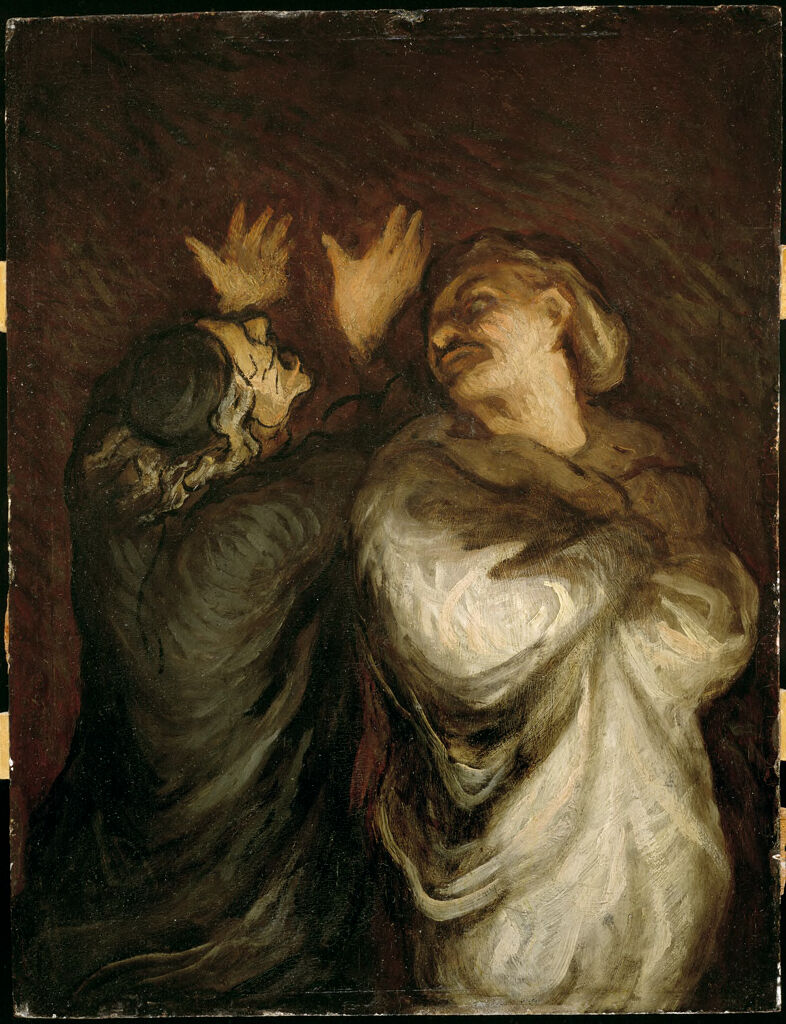
Where does light end, and longing begin? In the delicate balance of desire and reality, Scapin beckons the viewer to explore the depths of human emotion through the lens of theatrical expression. Look to the left at the figure clad in vivid hues, their posture suggesting a blend of mischief and charm. The masterful use of light casts a glow that elevates the character, drawing attention to their animated features.
Notice how the brushwork captures the fluidity of movement, evoking a sense of playfulness and urgency, while the darker background amplifies the vibrancy of the character’s personality, inviting us into their world. Beneath the surface, the painting reveals layers of ambition and deception. The figure's outstretched arm suggests manipulation, a reminder that desire often masquerades as comedy. The contrasting colors reflect the tension between aspiration and the stark reality of unfulfilled dreams, emphasizing the struggles inherent in the pursuit of personal desires.
This duality resonates, reminding us that laughter can hide a heart heavy with longing. Painted between 1860 and 1862, the artist was deeply immersed in the socio-political landscape of France, grappling with issues of class and representation. This period marked a turning point in the art world, as Daumier transitioned from lithography to painting, exploring themes of caricature and human experience. The creation of Scapin reflects his engagement with the theater and its capacity to mirror societal truths, capturing the zeitgeist of a nation in flux.