Still Life — History & Analysis
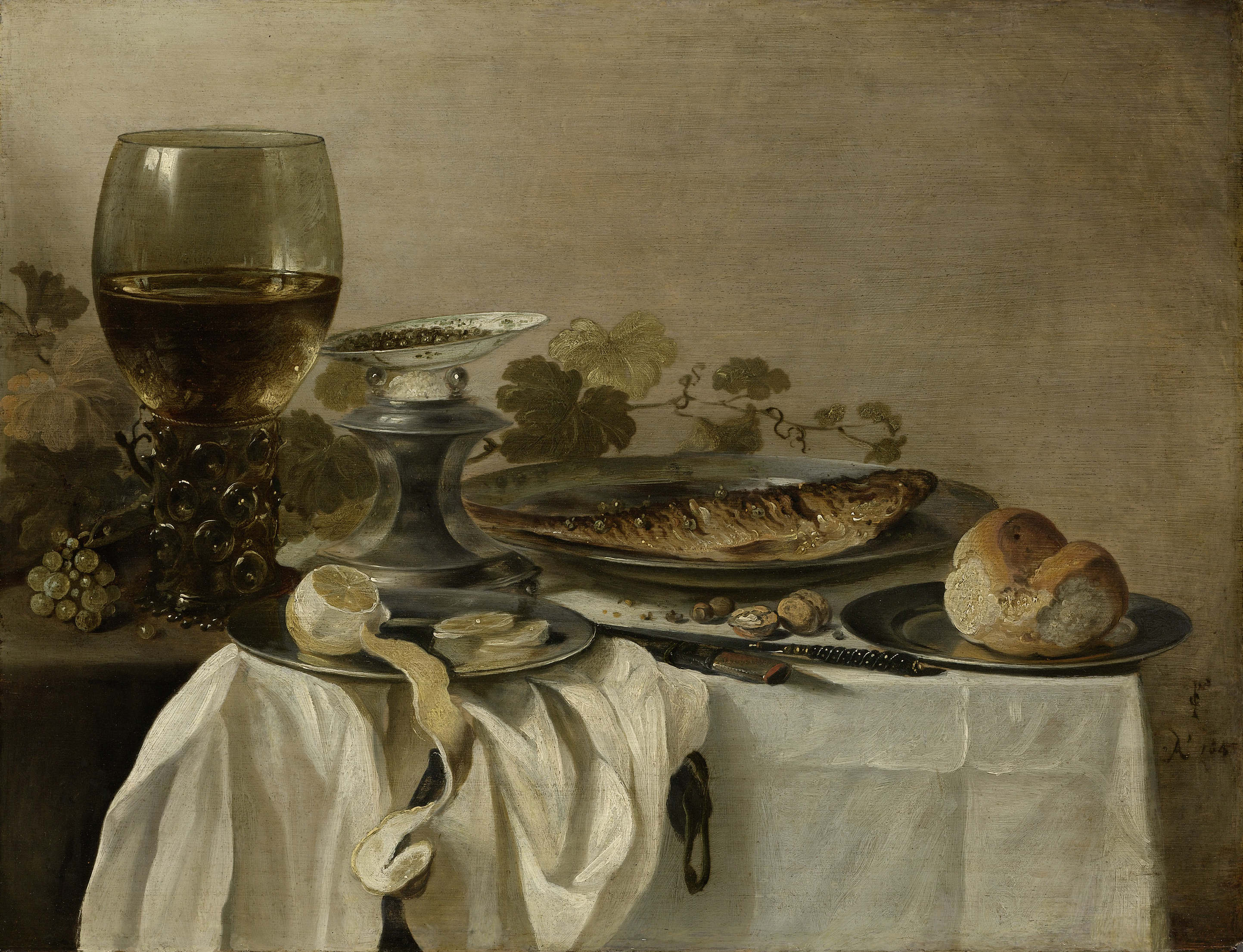
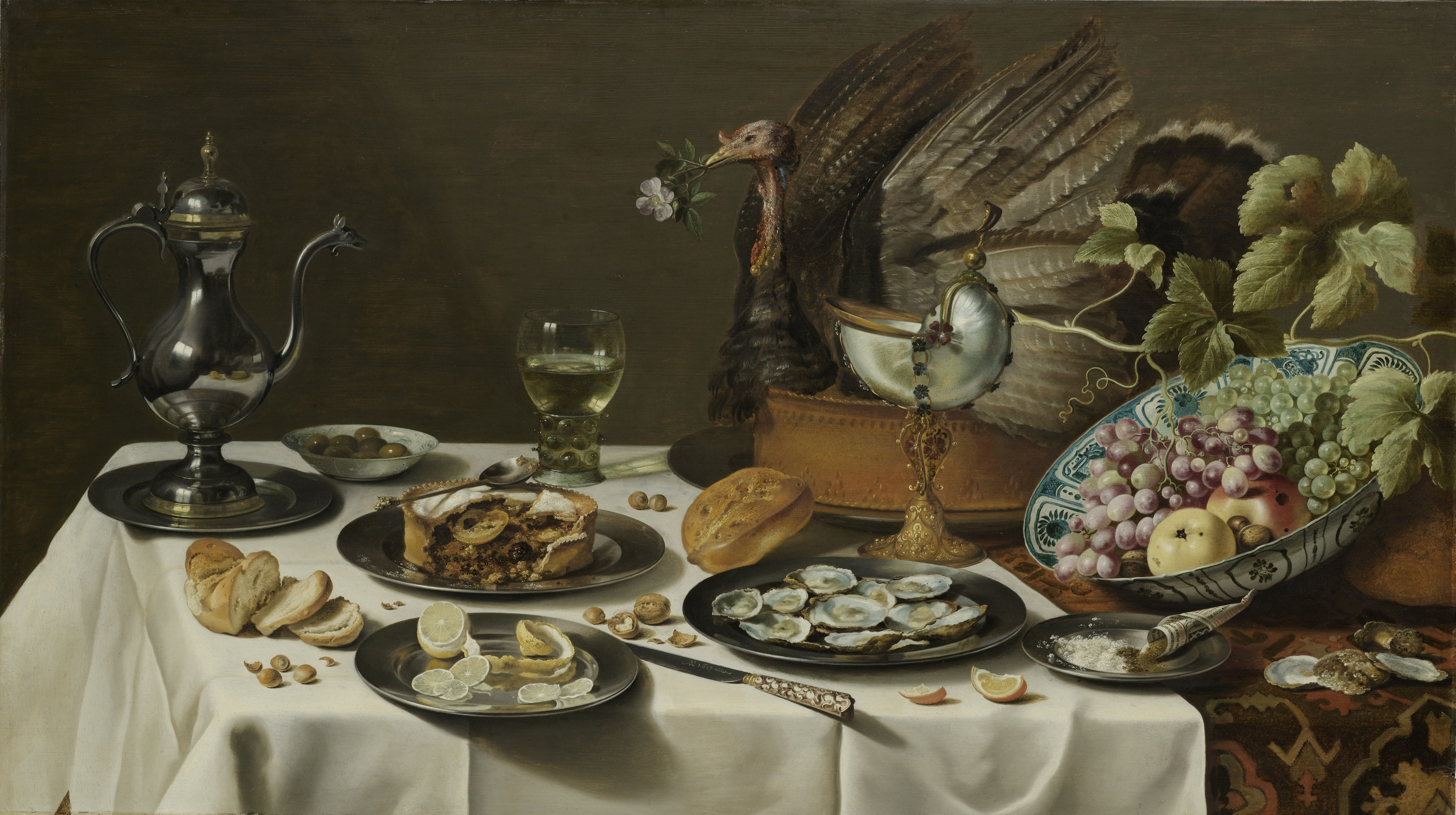
Can beauty exist without sorrow? In the delicate arrangements of fruit, glass, and porcelain, one can sense the weight of impermanence that lies beneath their polished surfaces. Look to the right at the gleaming silver goblet, its polished sheen reflecting the warm light that cascades over the scene. Notice how the grapes and the plums, lush and vibrant, seem almost too ripe, poised on the edge of decay.
The subtle interplay of light and shadow deepens the richness of each object, creating a reverent stillness that invites contemplation. The dark background serves to amplify the colors, isolating each element in a way that evokes both admiration and melancholy. Delve into the empty space surrounding the sumptuous objects, which hints at absence and loss. The flawless arrangement speaks to a fleeting moment, perhaps a last gathering before the inevitable decay that awaits even the most cherished possessions.
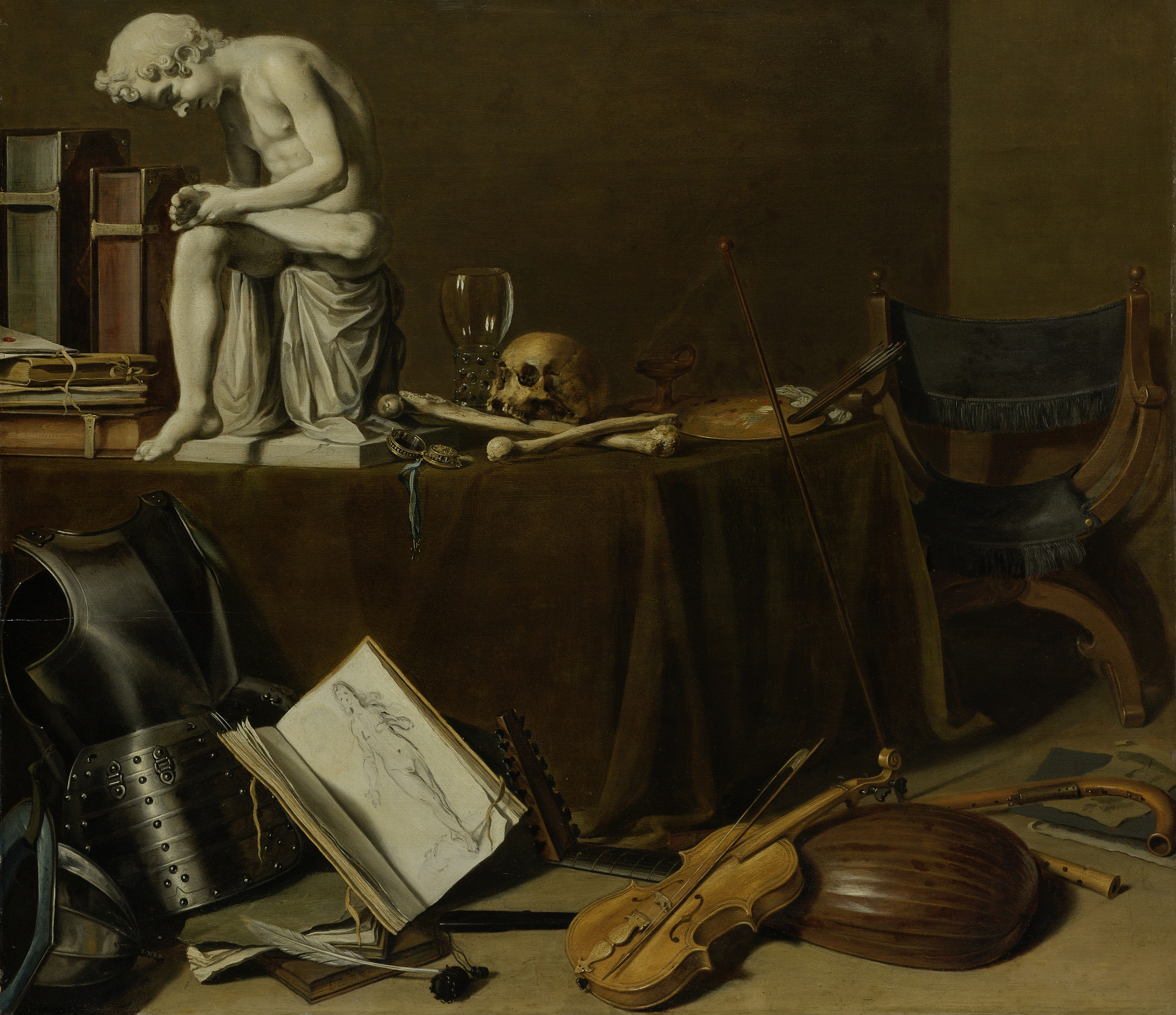
The presence of skull-like reflections in the glass subtly reminds the viewer of mortality, reminding us that beauty, while striking, is always intertwined with the reminder of its transience. Created around 1625 in the Netherlands, the artist was at the forefront of the still life genre, which gained popularity for its ability to convey depth and narrative through everyday objects. During this period, Claesz navigated a burgeoning art market shaped by the significant socio-economic changes of the time, reflecting both the public's desire for material wealth and an emerging fascination with the philosophical questions of existence and time.