
Temple of Amada of Hassaya in Nubia. — History & Analysis
“Under the brush, chaos becomes grace.” This sentiment captures the essence of vast landscapes that evoke a profound sense of solitude, inviting contemplation amidst the remnants of ancient civilizations. Focus first on the majestic structure looming in the center, the Temple of Amada of Hassaya, its weathered stones standing resolutely against the expansive desert backdrop. Notice how the artist employs warm earth tones to illustrate the temple’s grandeur while cool blues and soft whites in the sky create a stark contrast, highlighting the isolation of this historical site. Your gaze should wander along the sun-kissed façade, where intricate carvings tell stories of a bygone era, each shadow revealing the passage of time.
The interplay between light and shadow elicits a feeling of loneliness, reflecting both the temple's past glory and its present desolation. The empty expanse surrounding the temple not only accentuates its solitude but invites the viewer to ponder the transience of human achievement. In this moment of stillness, nature reclaims its space, and the grand edifice serves as a poignant reminder of what once was, now dwindling in memory yet preserved in artistry.
David Roberts created this work between 1846 and 1849 during a time of increasing fascination with ancient civilizations, particularly Egypt. His travels to Nubia were part of a broader Romantic movement that sought to capture the sublime in nature and history. The artist’s journey through foreign lands not only influenced his artistic style but also fueled a growing interest in the cultural implications of these ancient sites.
![Karnac [Karnak]. Nov. 29th, 1838., by David Roberts, public domain](https://froigstrpvutwqtqikzt.supabase.co/storage/v1/object/public/art-images/artworks/4d03dc1f7193c7d916a2bc790dd85d799ca595e465dea5741c39c1c0d95500f2.jpg)
![Temple of Edfou [Idfû], ancient Appolinopolis, Upper Egypt., by David Roberts, public domain](https://froigstrpvutwqtqikzt.supabase.co/storage/v1/object/public/art-images/artworks/b51e83da008fb52a9e3832297709f860ad8821d94936f0ccc0984f79e32cfea9.jpg)
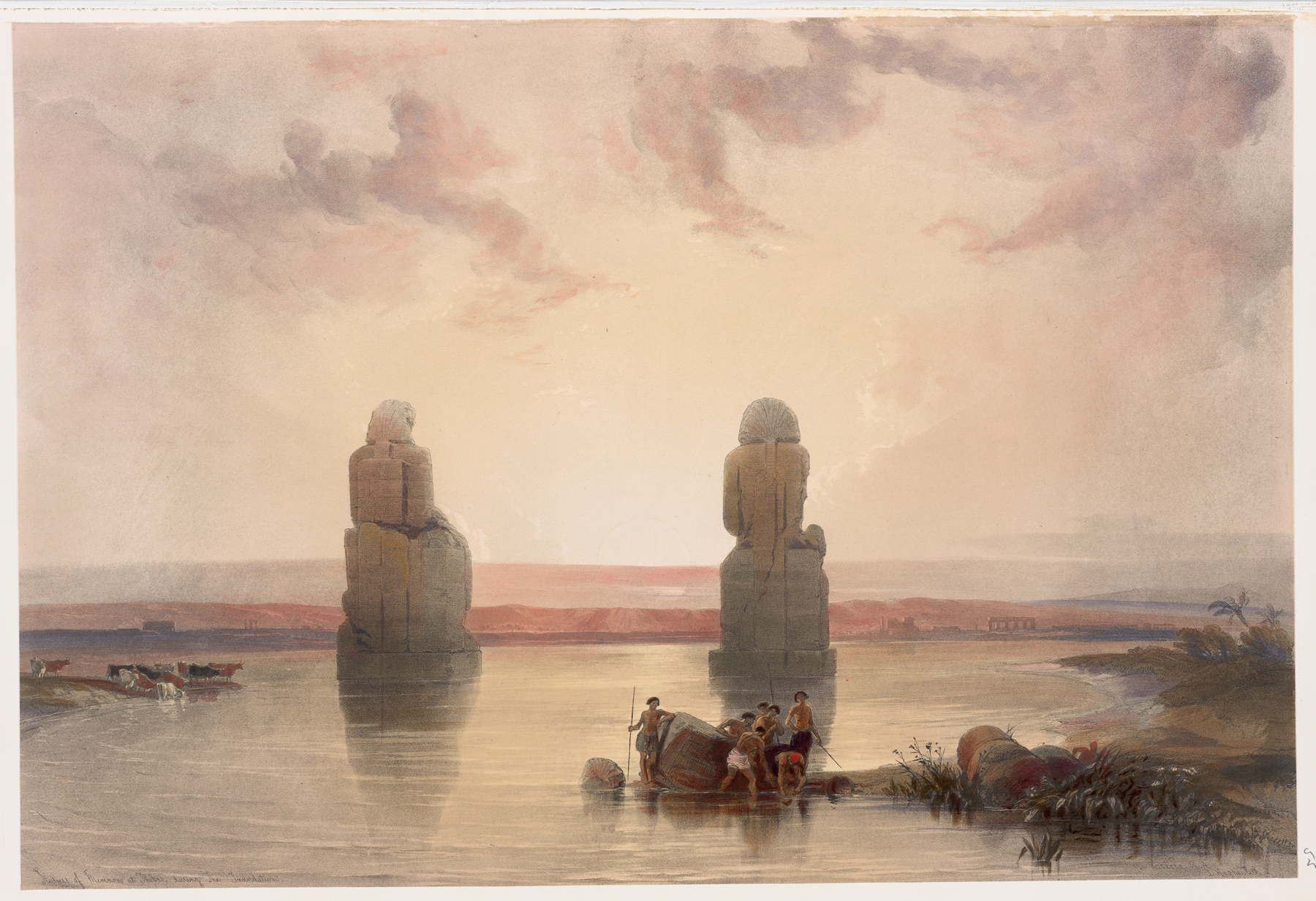
![Entrance to the tombs of the kings of Thebes. Bab-el-Malouk [Bîbân al-Mulûk]., by David Roberts, public domain](https://froigstrpvutwqtqikzt.supabase.co/storage/v1/object/public/art-images/artworks/9f12d85330f523f7a10051ef2b6b1ebe90468ae48e1601ee63ecff2779bfca39.jpg)
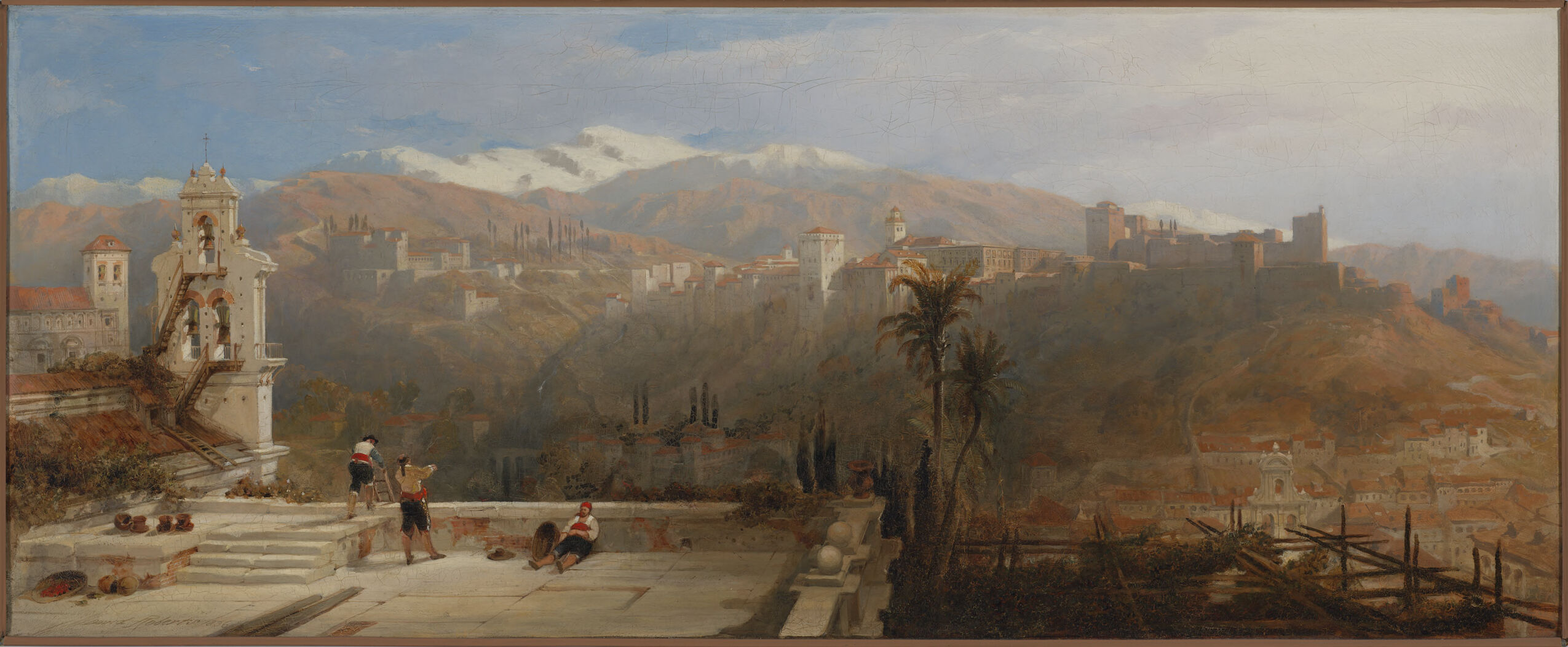
![Temple of Kalabshee [Kalabsha, Kalâbishah], Nubia. Nov. 1838., by David Roberts, public domain](https://froigstrpvutwqtqikzt.supabase.co/storage/v1/object/public/art-images/artworks/c5ed0b38c9a784f56a7ac4d7d514cecf800d77b6cf2f043be350b267a07d899e.jpg)