The Dentist — History & Analysis
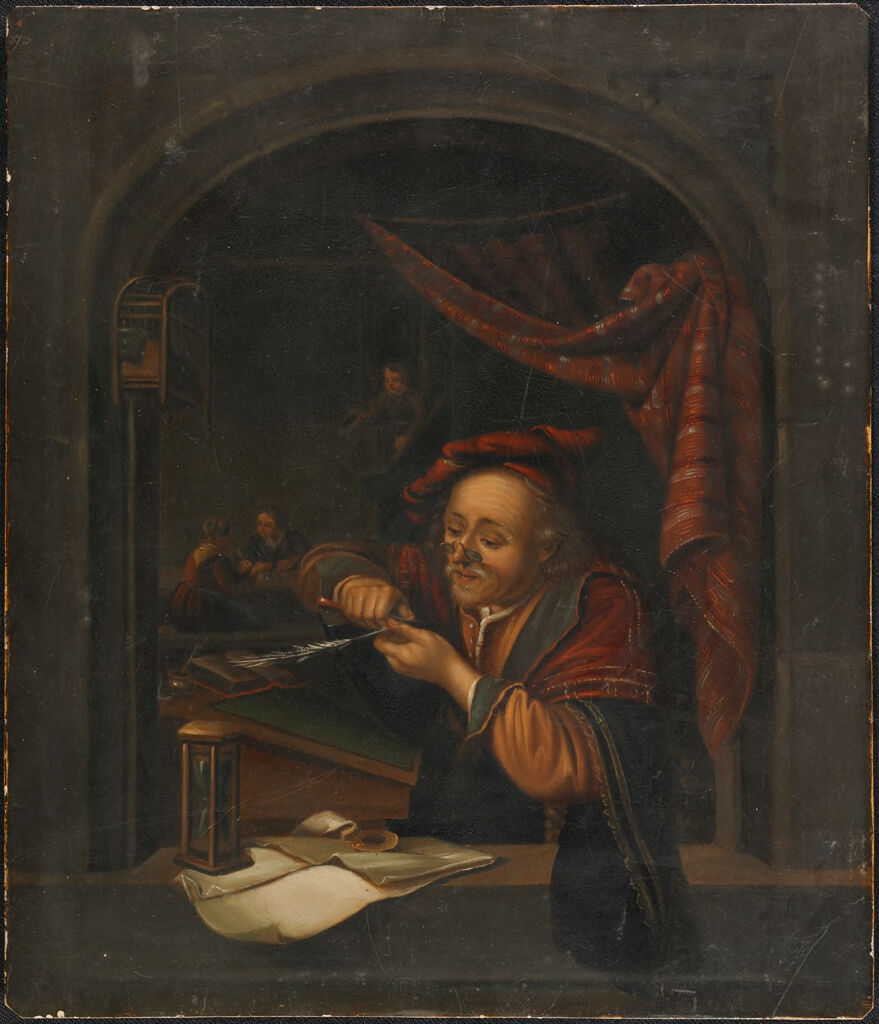
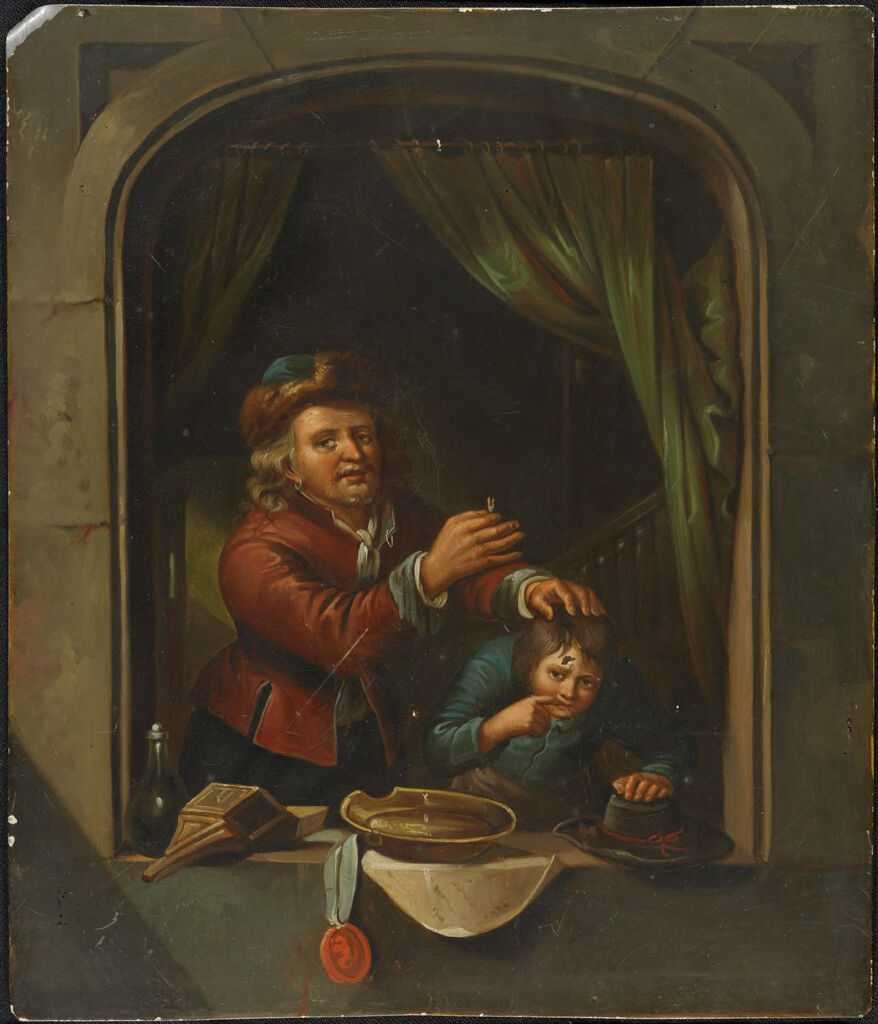
When did color learn to lie? In The Dentist, the paints seem to whisper secrets of longing, revealing how the surface can mask deeper truths beneath. Focus your gaze on the central figure, the dentist, who commands the scene with an air of both authority and delicacy. Notice how the soft light cascades from an unseen source, illuminating his focused expression and the intricate tools laid out before him.
The rich, warm hues of the wood and the reflective surfaces create a sense of intimacy, drawing you into this moment of care, while the shadows linger, hinting at the tension of the procedure underway. Explore the juxtaposition of the dentist’s confident demeanor against the apprehensive face of his patient. Each brushstroke captures the tension of anticipation—the patient’s tightly shut eyes and slight grimace speak volumes about vulnerability and fear. The gold and deep reds evoke a warmth that contrasts with the sterile nature of dental work, suggesting a longing for reassurance amidst discomfort.
This complex interplay of emotion and color compels the viewer to ponder what lies beneath the surface, both in the art and in human experience. During the 17th century, Gerhard Dou was entrenched in the Dutch Golden Age, reflecting the era’s obsession with realism and detail. Working in Leiden, he focused on genre scenes that captured everyday life with meticulous precision. At this time, artistic techniques such as chiaroscuro were gaining prominence, and Dou's dedication to illuminating the intricacies of his subjects contributed to a deeper understanding of the human condition within the art world.