The Garden — History & Analysis
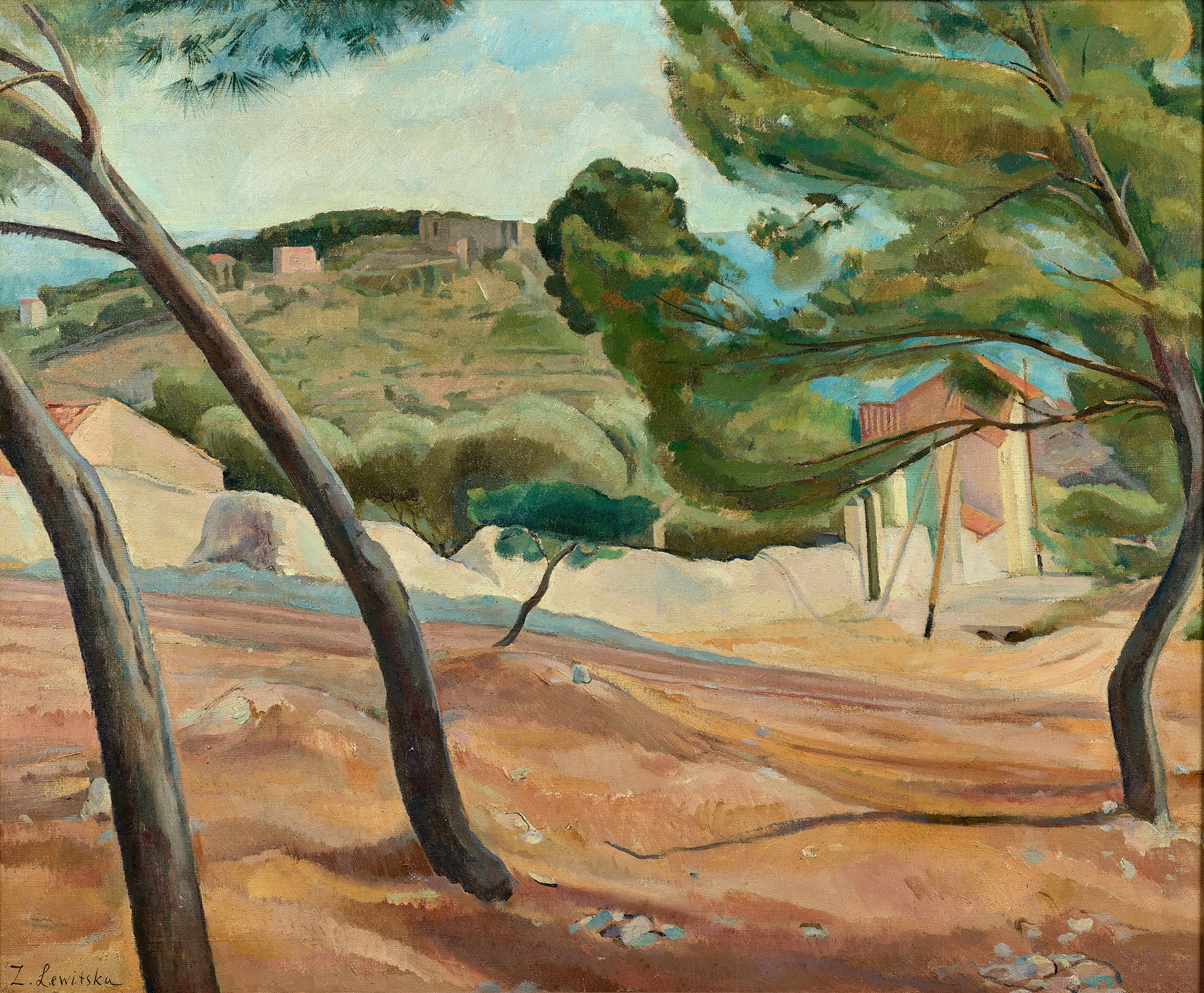
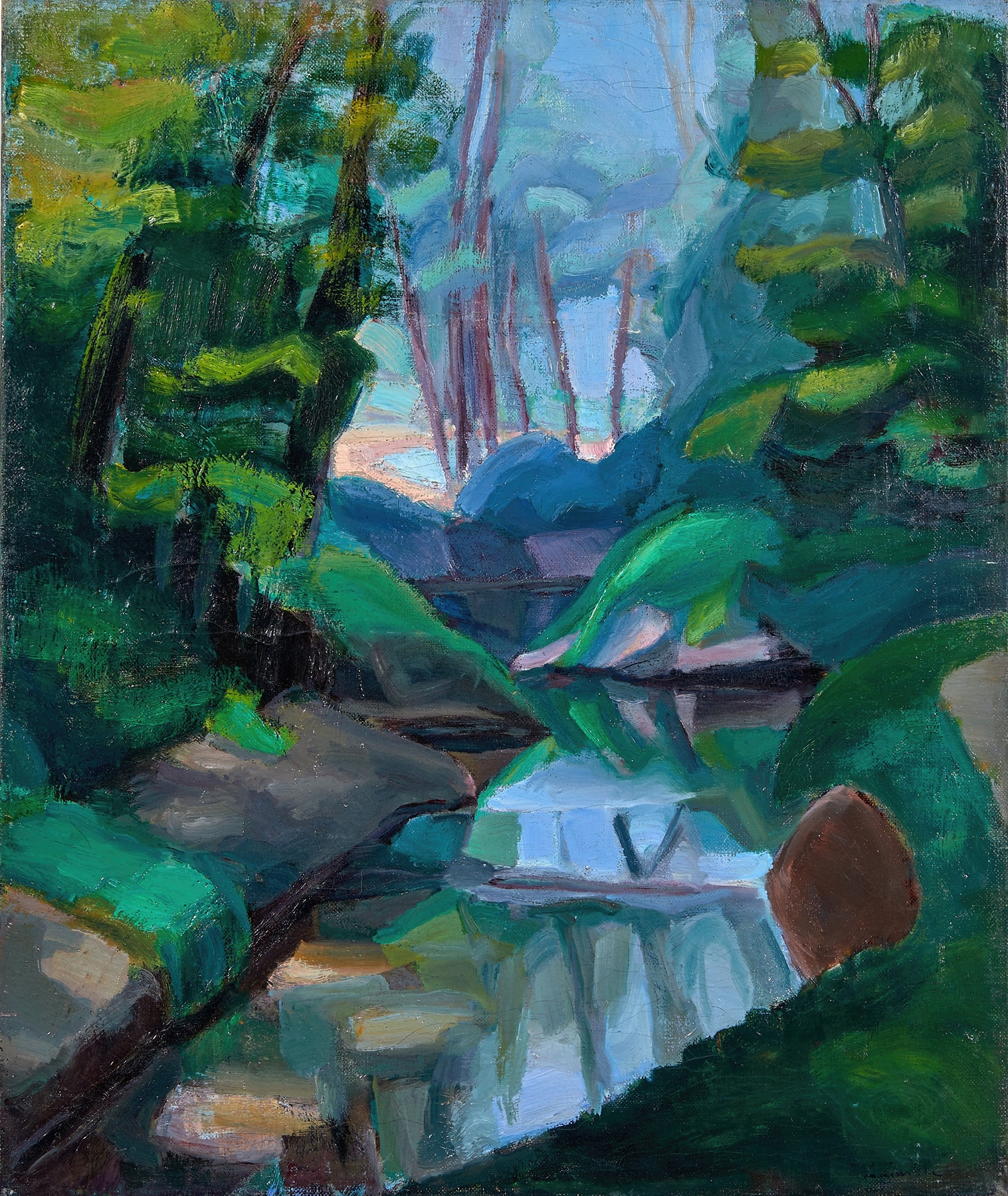
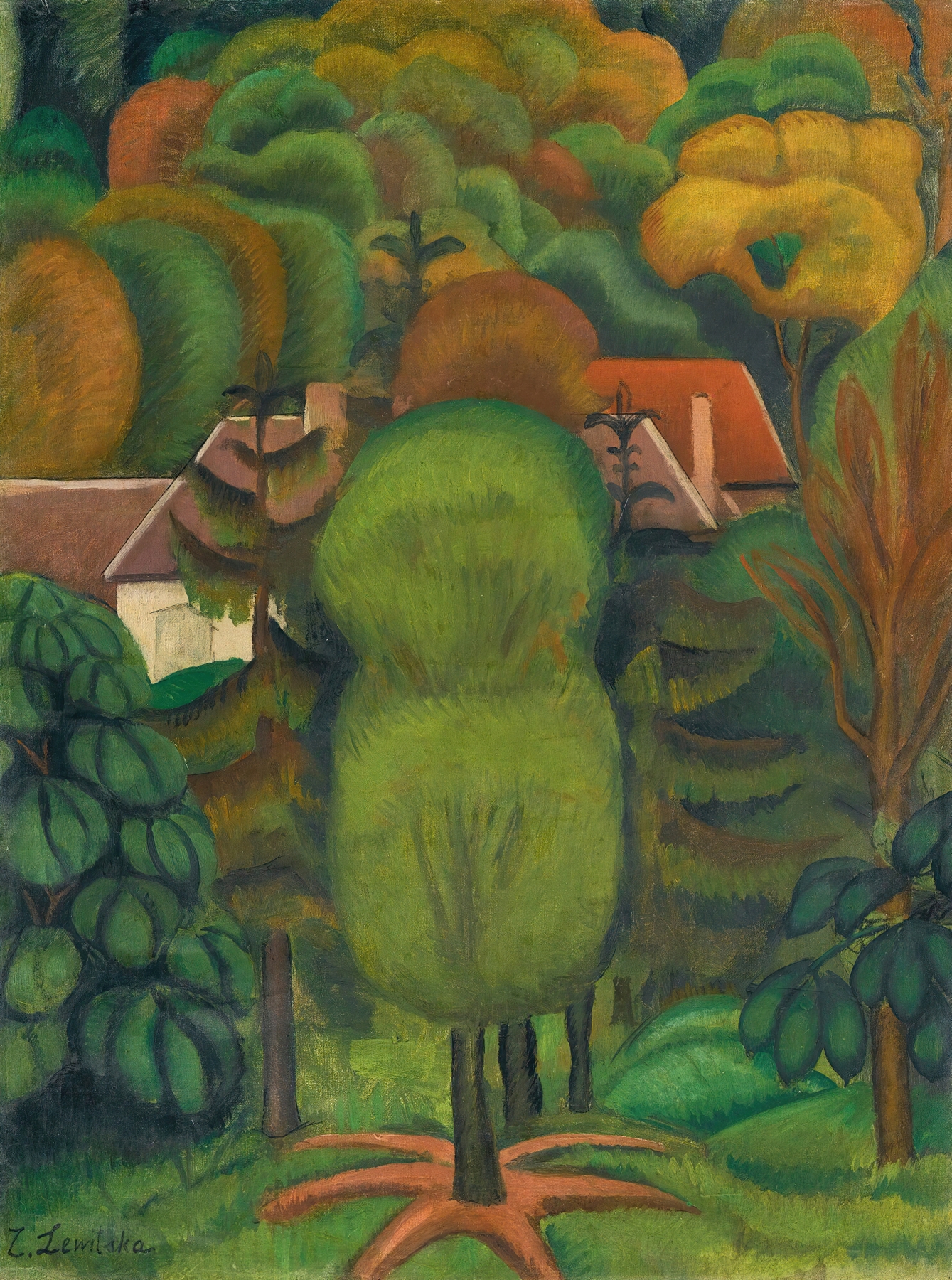
A gentle breeze stirs the leaves, rustling softly in a secluded corner of the garden. Sunlight filters through the branches, casting dappled patterns on the ground where blossoms dance in the warmth. In this tranquil haven, a solitary figure kneels, hands buried in the earth, a connection to the living soil that nurtures life and growth. Look to the left at the tapestry of vibrant greens, where the lush foliage envelops the scene.
Notice how the light falls upon the petals, illuminating them with a soft golden hue, inviting you to immerse in their beauty. The composition draws your eye in a circular motion, echoing the natural rhythm of life, while the brushwork conveys both energy and serenity, the strokes alive with intention. Beneath this exuberance lies a subtle tension between cultivation and decay. The delicate blossoms hint at fleeting beauty, while the dark soil represents the eternal cycle of life and death.
The figure's earnest labor suggests a pursuit of truth, as each droplet of sweat mingles with the earth, symbolizing the sacrifice inherent in nurturing one’s aspirations amidst the relentless passage of time. Created during a period of personal exploration and artistic maturation, the artist painted this evocative piece without a specified date, embodying the universal quest for meaning in life. Amidst the burgeoning art movements of the early 20th century, Lewitska sought to capture the essence of existence through her unique lens, crafting a narrative of growth, resilience, and the undeniable bond between humanity and nature.