
The Great Sphinx, Pyramids of Gezeeh. — History & Analysis
“Between color and silence, truth hides.” The yearning for the ancient whispers of history lingers in the air, inviting us to explore the depths of forgotten civilizations. Look to the foreground where the majestic Sphinx, a sentinel of time, dominates the canvas. Its weathered stone face gazes enigmatically into the distance, bathed in the warm hues of ochre and burnt sienna. Notice how the pyramids rise behind it, their sharp angles contrasted against the smooth, eroded contours of the Sphinx.
The artist’s meticulous brushwork captures the harshness of the desert sun, casting elongated shadows that hint at the passage of time and the secrets held within these monumental structures. Delve deeper into the composition, and you’ll discover the subtle interplay of light and texture that reveals a profound emotional tension. The worn features of the Sphinx suggest both wisdom and weariness, evoking a sense of loss amid the grandeur of the pyramids. Each grain of sand seems to whisper tales of a civilization long gone, emphasizing a contrast between permanence and transience.
The distant pyramids, while towering, are rendered with a softness that invites contemplation on the inevitability of decline, urging the viewer to reflect on their own fleeting existence. David Roberts created this work between 1846 and 1849, during a time of burgeoning interest in Egyptian culture and archaeology. Traveling through Egypt, he sought to capture the essence of its historical landmarks as European fascination with the East surged. His paintings not only served as documentation of a pivotal moment in art history but also expressed a personal longing for connection to a distant past, illuminating the artist's own explorations in the worlds of memory and identity.
![Karnac [Karnak]. Nov. 29th, 1838., by David Roberts, public domain](https://froigstrpvutwqtqikzt.supabase.co/storage/v1/object/public/art-images/artworks/4d03dc1f7193c7d916a2bc790dd85d799ca595e465dea5741c39c1c0d95500f2.jpg)
![Temple of Edfou [Idfû], ancient Appolinopolis, Upper Egypt., by David Roberts, public domain](https://froigstrpvutwqtqikzt.supabase.co/storage/v1/object/public/art-images/artworks/b51e83da008fb52a9e3832297709f860ad8821d94936f0ccc0984f79e32cfea9.jpg)
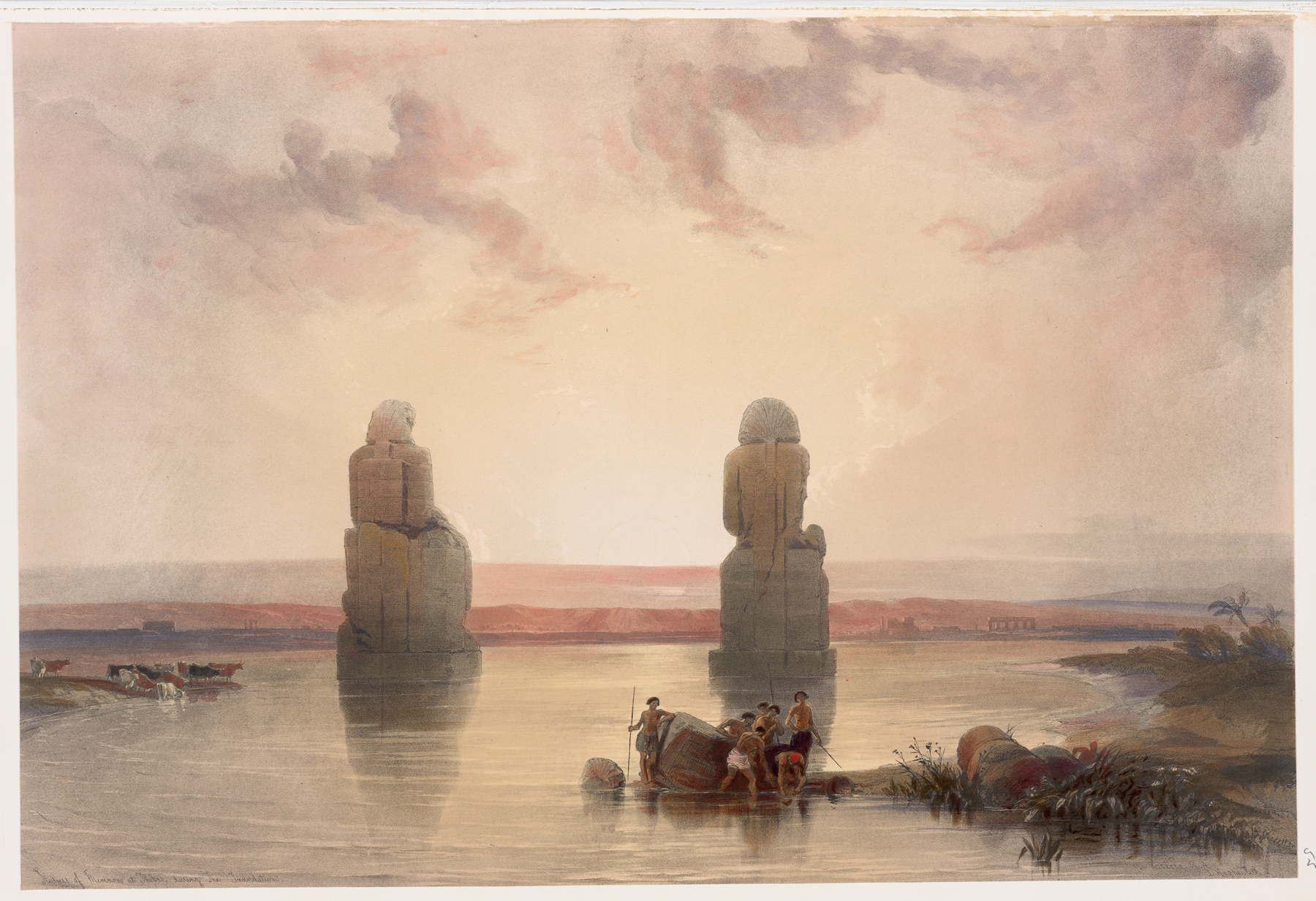
![Entrance to the tombs of the kings of Thebes. Bab-el-Malouk [Bîbân al-Mulûk]., by David Roberts, public domain](https://froigstrpvutwqtqikzt.supabase.co/storage/v1/object/public/art-images/artworks/9f12d85330f523f7a10051ef2b6b1ebe90468ae48e1601ee63ecff2779bfca39.jpg)
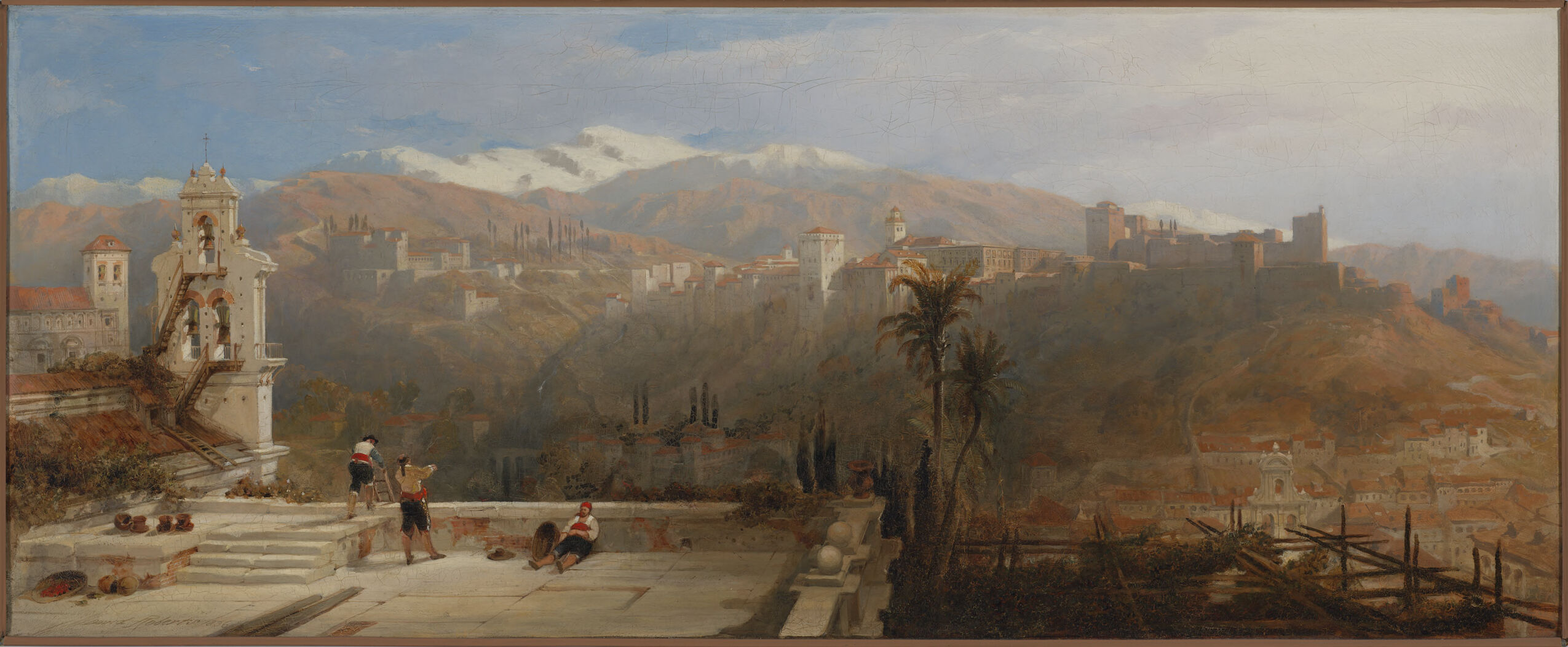
![Temple of Kalabshee [Kalabsha, Kalâbishah], Nubia. Nov. 1838., by David Roberts, public domain](https://froigstrpvutwqtqikzt.supabase.co/storage/v1/object/public/art-images/artworks/c5ed0b38c9a784f56a7ac4d7d514cecf800d77b6cf2f043be350b267a07d899e.jpg)