The Piazza del Campidoglio, Santa Maria d'Aracoeli, and the Cordonata, Rome — History & Analysis
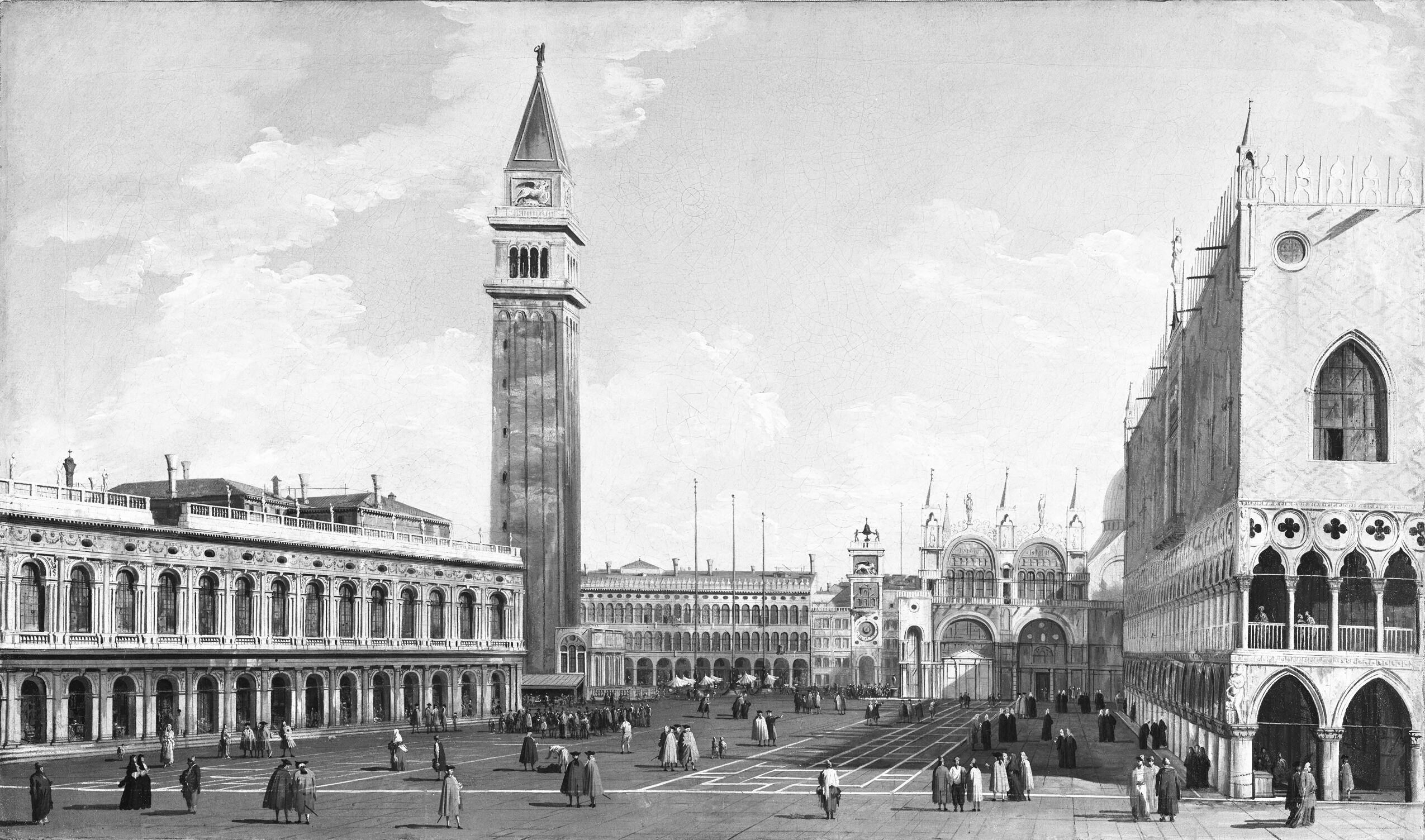
“Every silence here is a confession.” In the delicate interplay of light and shadow, a narrative unfolds that invites contemplation and reverence for the sacred space. Look to the foreground, where the majestic Cordonata spirals up towards the grandeur of Santa Maria d'Aracoeli. The crisp lines of the stone steps draw your gaze upward, inviting you into the heart of this architectural marvel. Notice the warm light bathing the scene, illuminating the weathered façades of the buildings, creating a harmonious blend of golden and earthy tones.
The careful placement of figures, both small and large, infuses the painting with a sense of scale and movement, as they traverse the steps, seemingly in conversation with history. Beneath the surface, the painting speaks to the contrast between the permanence of stone and the fleeting nature of human existence. The figures, dwarfed by the monumental structures, evoke a profound sense of humility, as if they carry the weight of countless untold stories. Light dances on the marble surfaces, suggesting a dialogue between the divine and the earthly, as the sacred space invites introspection and contemplation.
It is a reflection on the passage of time, where the past and the present converge in this iconic setting. Created in the 18th century, this work emerged during Canaletto's time in Venice, a flourishing period for the artist known for his detailed cityscapes. Amidst the vibrant atmosphere of the European Grand Tour, travelers sought to capture the essence of Italy’s rich history and architecture, a theme Canaletto adeptly brought to life through his meticulous technique and vibrant use of light.