The Piazzetta, Venice — History & Analysis
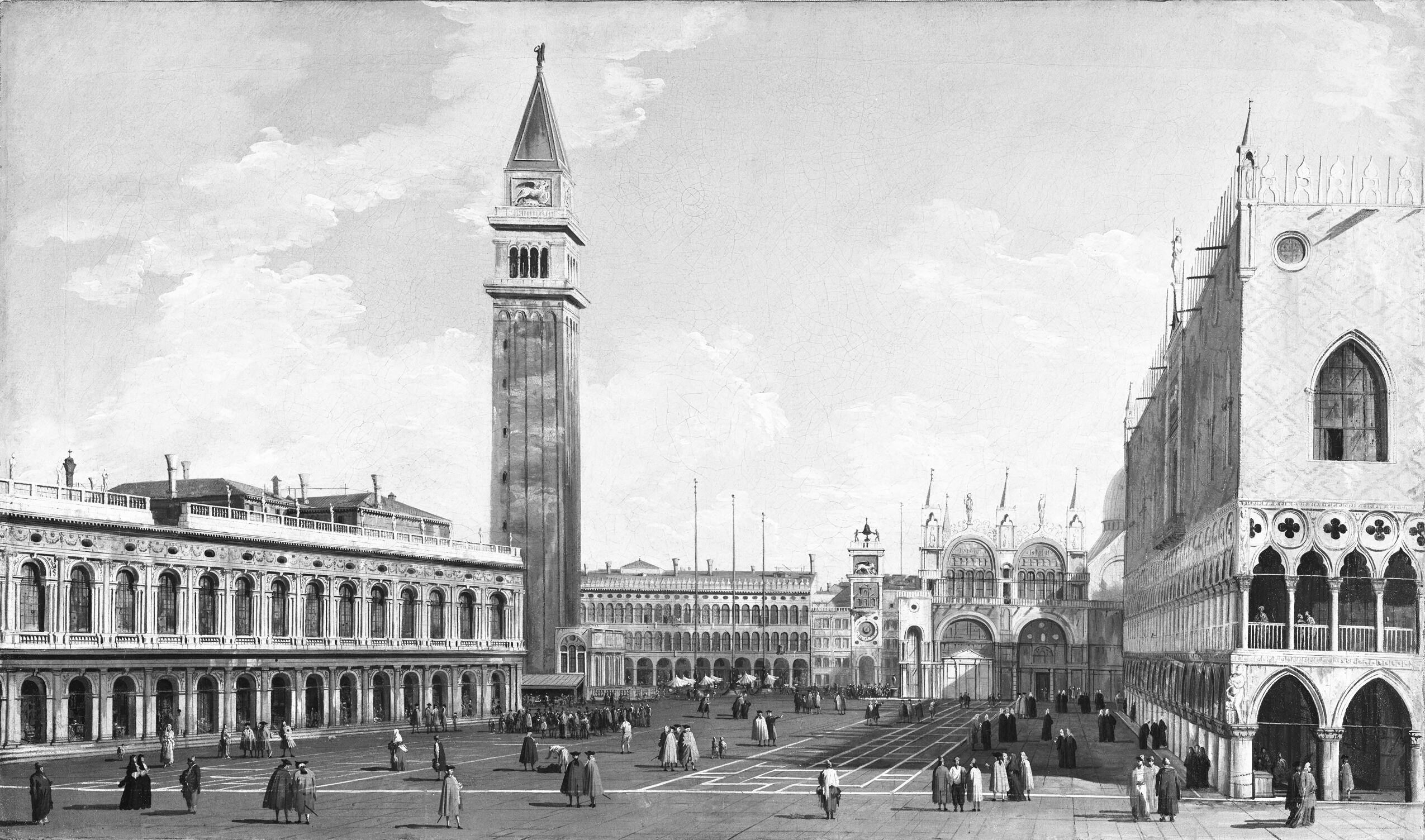
Can paint confess what words never could? In The Piazzetta, Venice, a seemingly tranquil scene unravels the layers of human connection and the subtle threads of betrayal that weave through its architecture and figures. Look to the left at the towering columns, their pristine white contrasting sharply with the soft pastel hues of the sky. Notice how the gentle light dances upon the surface of the water, which reflects not only the magnificence of the buildings but the essence of the moment. The vibrant boats gliding across the canal draw the eye, inviting movement into a composition meticulously crafted with precision.
Each figure, from the elegantly dressed pedestrians to the distant tourists, embodies a narrative, their gestures and postures laden with unspoken stories. As you delve deeper, consider the juxtaposition of grandeur and intimacy. The vastness of the piazzetta feels both open and enclosed, suggesting that amidst the public spectacle, personal betrayals may lurk in shadows. The vibrant colors evoke serenity, yet the bustling activity hints at a world ripe with emotional tension.
Every brushstroke reveals a fragment of history, whispering to the observer that not all that is beautiful is free from deception. In the 18th century, while painting this piece, the artist was at the height of his career in Venice, a city thriving on commerce and diplomacy, yet rife with intrigue. The flourishing art market catered to an elite clientele, and Canaletto’s work often served as a means to reconcile the splendid facade of Venetian life with the personal complexities hidden beneath its surface. This masterpiece encapsulates the duality of a seemingly perfect city, a visual testament to the layered truths of human experience.