The Quadrangle, All Soul’s, Oxford — History & Analysis
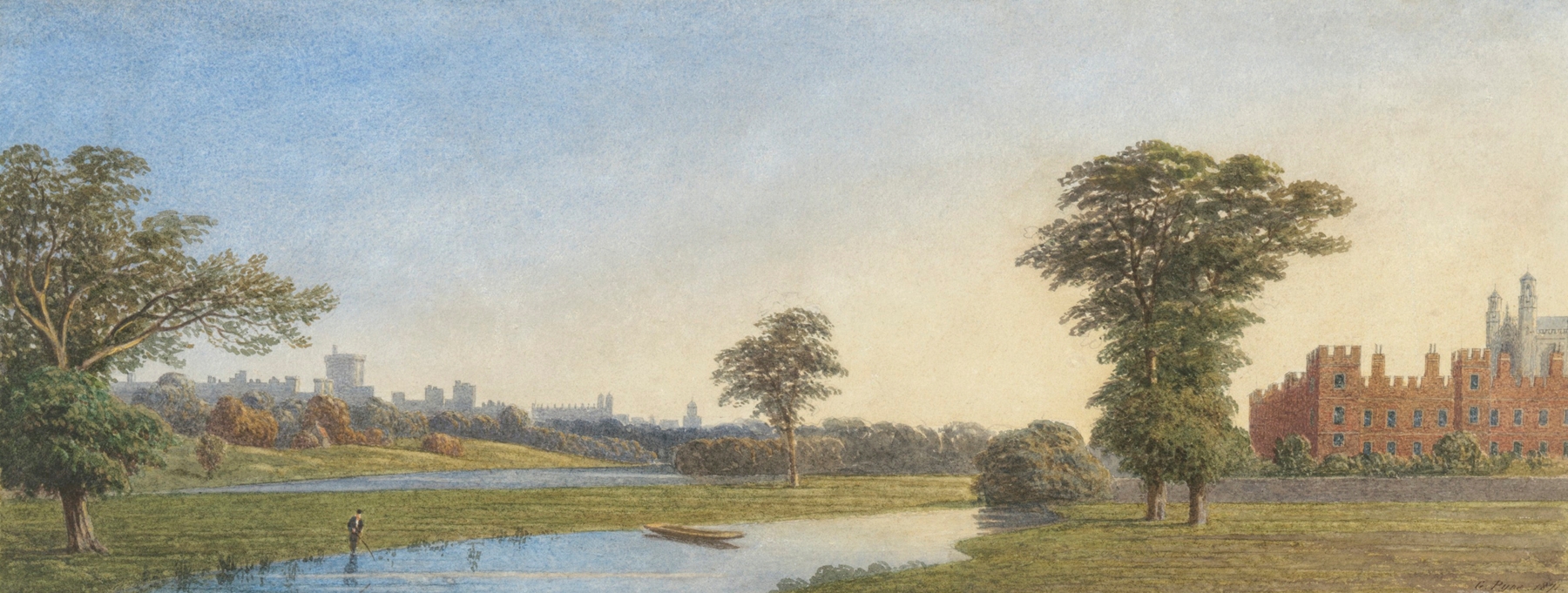
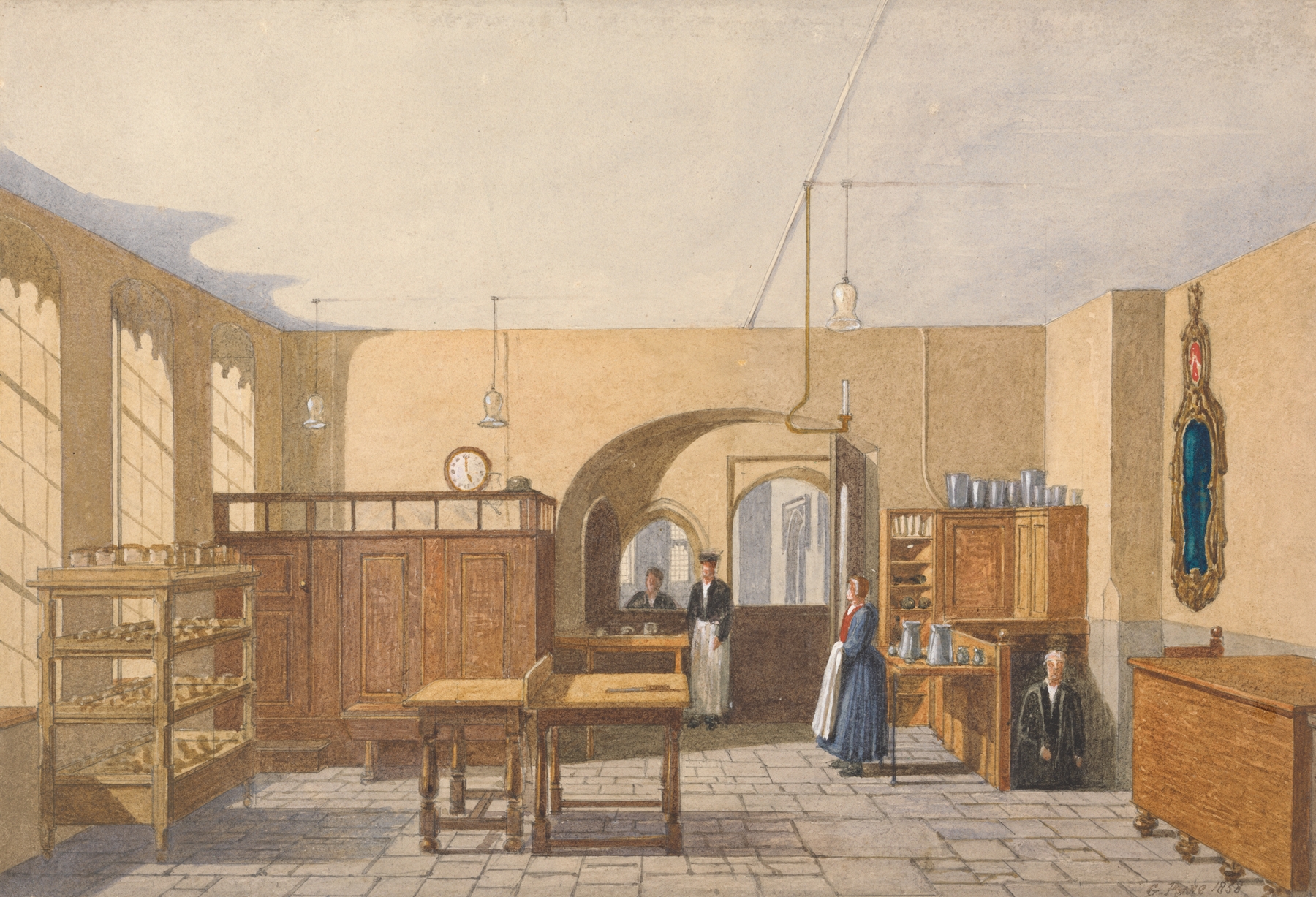
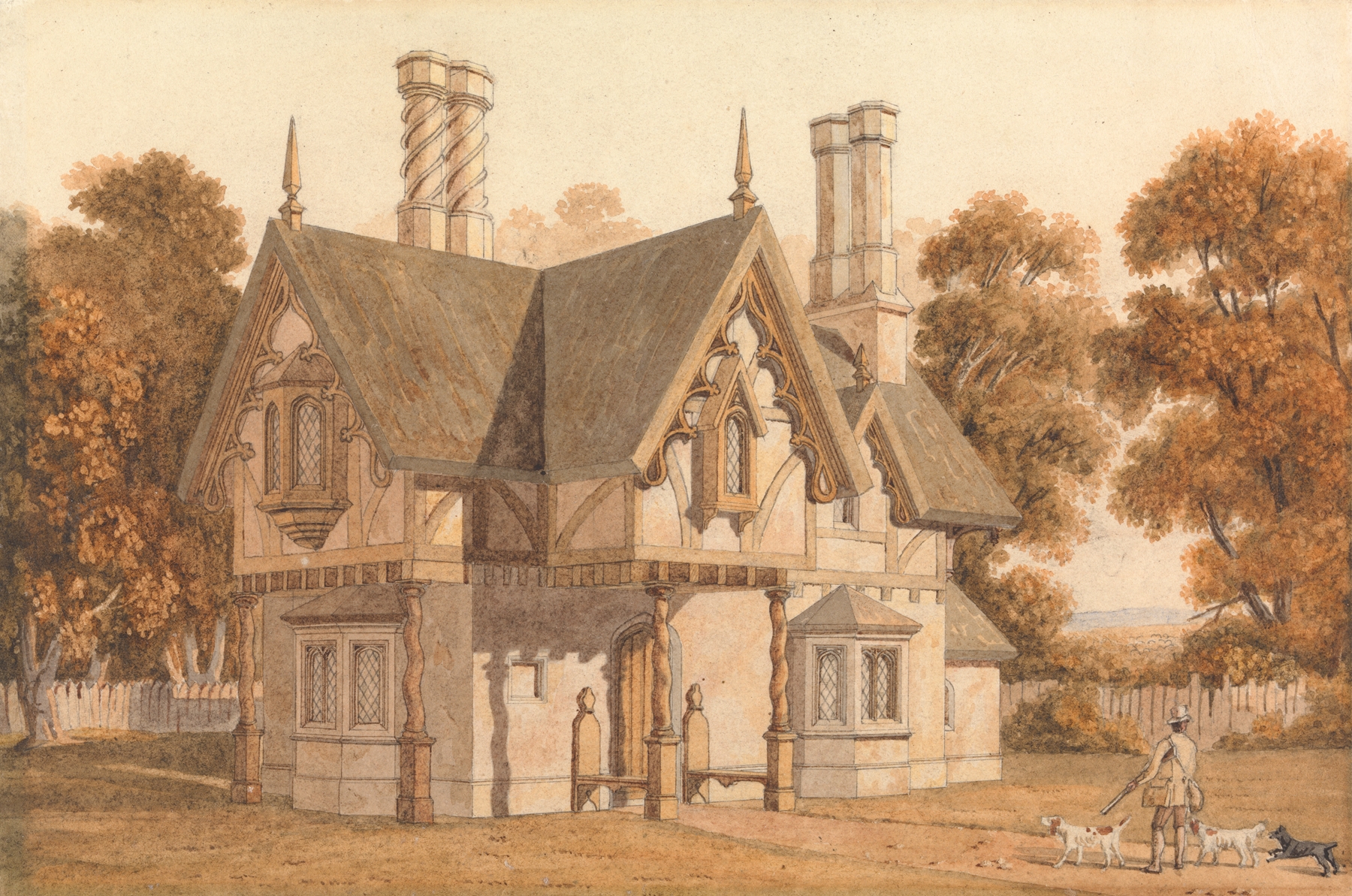
What if beauty was never meant to be finished? In George Pyne’s The Quadrangle, All Soul’s, Oxford, we are invited into a moment of revelation, where the timeless dialogue between architecture and nature unfolds in an unbroken embrace. Look to the center of the composition, where the iconic quadrangle stands majestically. The warm hues of the aged stone contrast with the lush green grass, drawing our eyes to the interplay of light and shadow.
Notice how the delicate linework captures the intricate details of the windows above, each reflection shimmering with history. The painter’s deft brush strokes evoke the texture of the building, while a gentle breeze seems to sway the trees just outside, enhancing the scene’s tranquility. Beneath its serene facade, the artwork whispers of deeper tensions—between the crafted elegance of human creation and the untamed softness of nature. The juxtaposition of the rigid, geometric lines of the quadrangle against the organic forms of the surrounding flora speaks to the harmony achievable between civilization and the wild.
Additionally, the soft palette evokes nostalgia, prompting introspection about the transient nature of beauty and learning within the hallowed grounds of Oxford. Painted in 1849, this piece emerged during a pivotal time in British art, where Romanticism's embrace of nature collided with the reverence for academic achievement. Pyne, immersed in the culture of Oxford and influenced by the picturesque movement, captured a moment suspended in time—a fleeting glimpse into an institution dedicated to the pursuit of knowledge and beauty, forever echoing through its storied halls.