The Village Chaslepont — History & Analysis
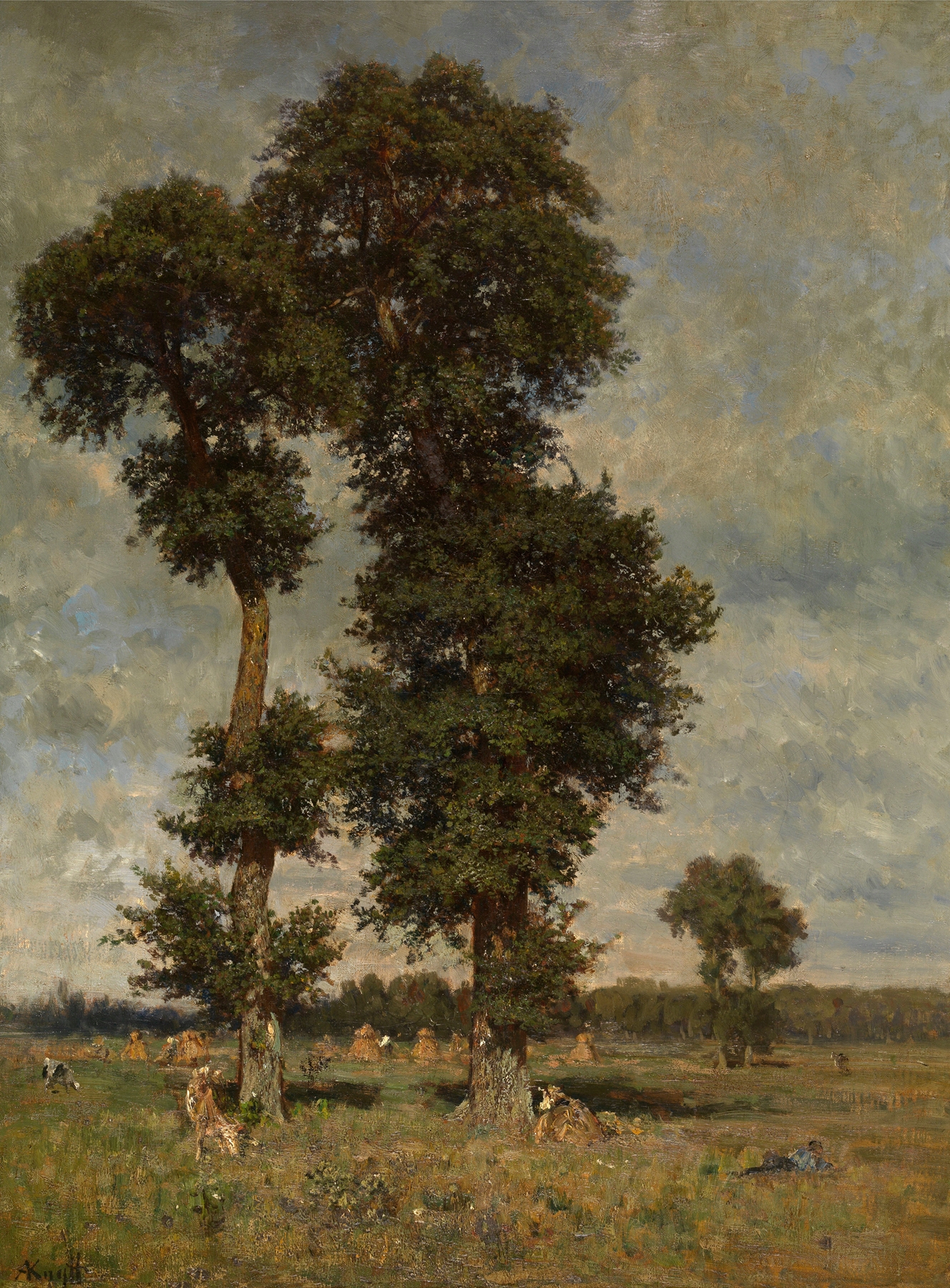
“The canvas doesn’t lie — it simply waits.” In its stillness, it embodies beauty, inviting us to pause and reflect on what lies beneath the surface. Look to the left side of the piece, where a quaint village unfolds against a lush backdrop. The muted palette of greens and browns beckons the eye, as gentle brushstrokes create a sense of movement in the trees and rooftops. Notice how the light filters through the foliage, casting soft shadows that dance along the cobbled paths, guiding your gaze deeper into the serene landscape.
Each element is carefully composed, from the quaint buildings to the distant hills, creating a harmonious balance that feels both inviting and contemplative. Delve into the emotional undertones of the painting — a delicate juxtaposition of tranquility and nostalgia. The serene village suggests a simple, idyllic life, yet the viewer can sense an underlying absence, a hint of longing for days gone by. The interplay of light and shadow reflects not just the physical space, but also the emotional landscape of the inhabitants, whose stories linger in the air.
This tension between the beauty of the scene and the quiet, unspoken stories within it speaks to the universal human experience of fleeting moments. Alfred De Knyff painted this piece during a time when the Impressionist movement was evolving in Europe, exploring new ways to capture light and atmosphere. While specific dates of his work remain unclear, he was active in the late 19th century, influenced by the changing landscapes of modern life. His art, steeped in the essence of beauty, sought to connect viewers with the emotional weight of their surroundings, elevating ordinary moments into extraordinary reflections of existence.