The Virgin and Child — History & Analysis
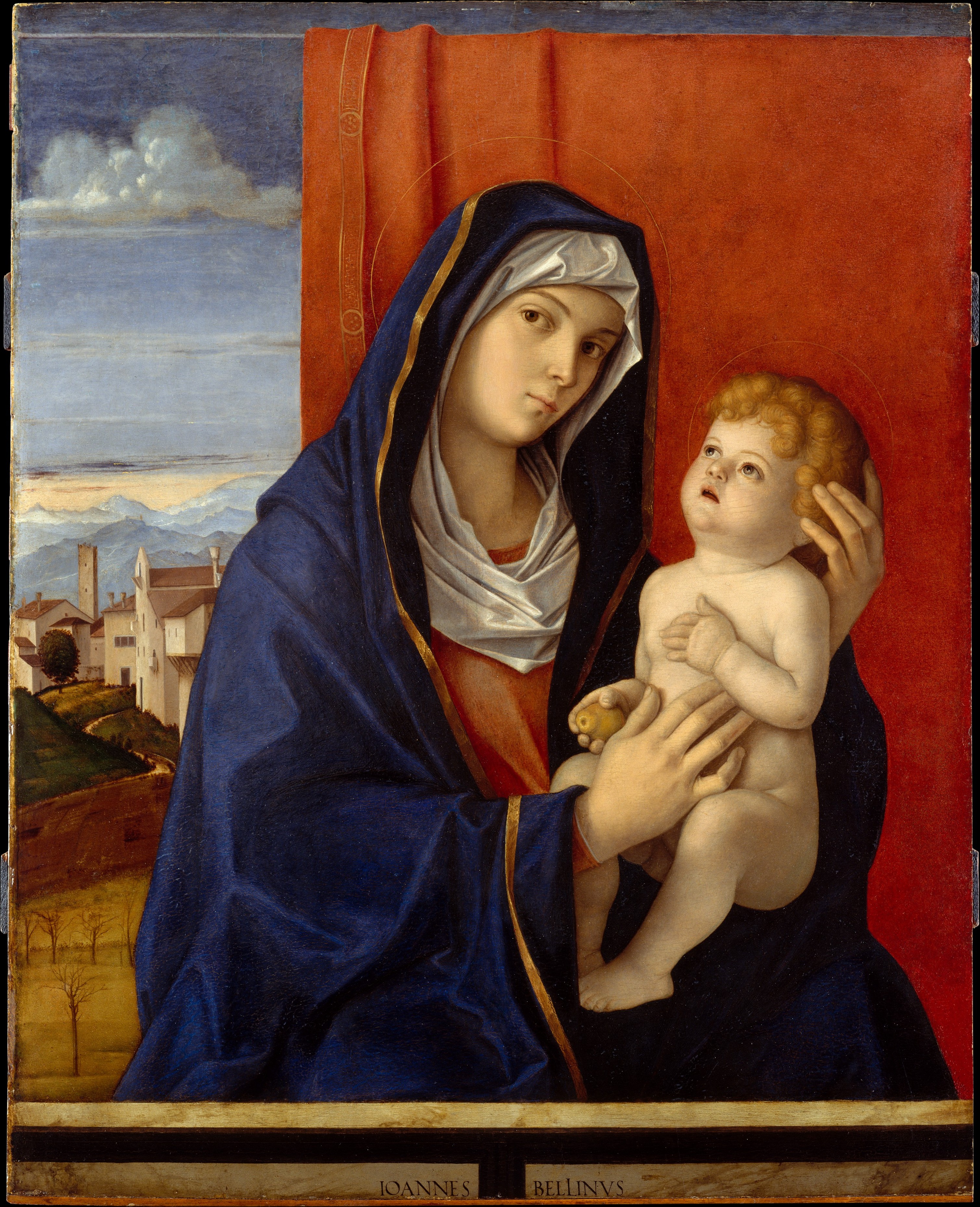
Who listens when art speaks of silence? The language of creation flows through every brushstroke, whispering secrets of the divine in stillness and serenity. Focus on the gentle gaze of the Virgin, her soft features illuminated by a warm, ethereal light that envelops both her and the Christ Child. Notice how the harmonious colors—deep blues and lush greens—create a sacred atmosphere, drawing you into the intimate bond between mother and son.
The delicate drapery around them flows like a gentle breeze, while the background, softly blurred, suggests an infinite space, echoing the heavenly realm they inhabit. Within this serene composition lies a profound emotional tension. The Virgin's serene expression juxtaposes the weight of her sacred responsibility, while the child's innocent gaze reflects both divine wisdom and vulnerability. The subtle play of light and shadow emphasizes their connection, inviting contemplation of motherhood, faith, and the essence of creation itself.
Small details, such as the tender way she cradles the child, suggest an understanding of sacrifice and love that transcends time. Giovanni Bellini painted this piece around 1470, during a period marked by the flourishing of the Venetian Renaissance. Immersed in a world rich with artistic innovation and spiritual exploration, he was influenced by both the prevailing Gothic traditions and the emerging mastery of perspective and color. This work, emblematic of his profound understanding of human emotion and divine representation, reflects not just the artist's faith, but also the cultural expressions of his time.