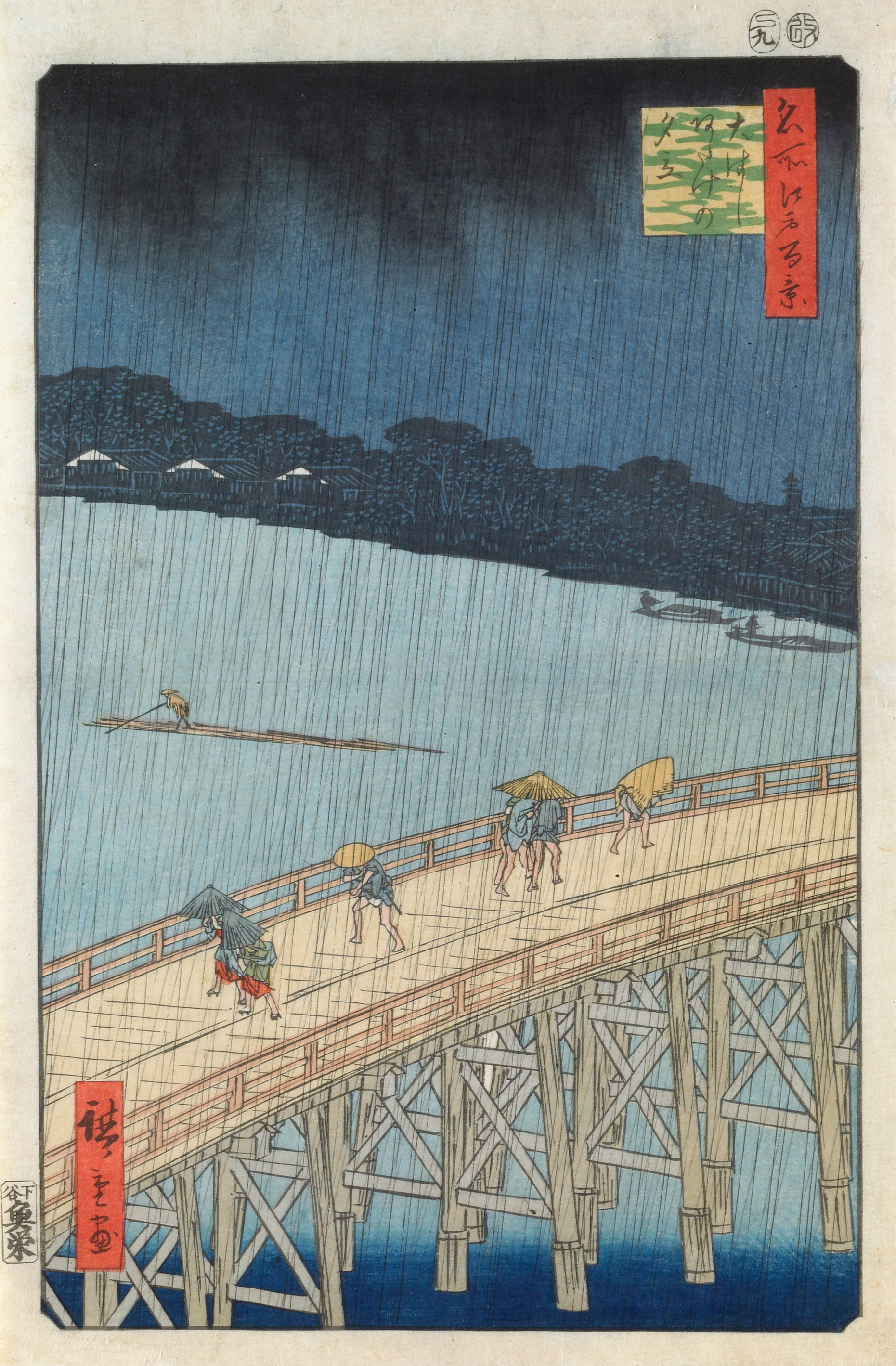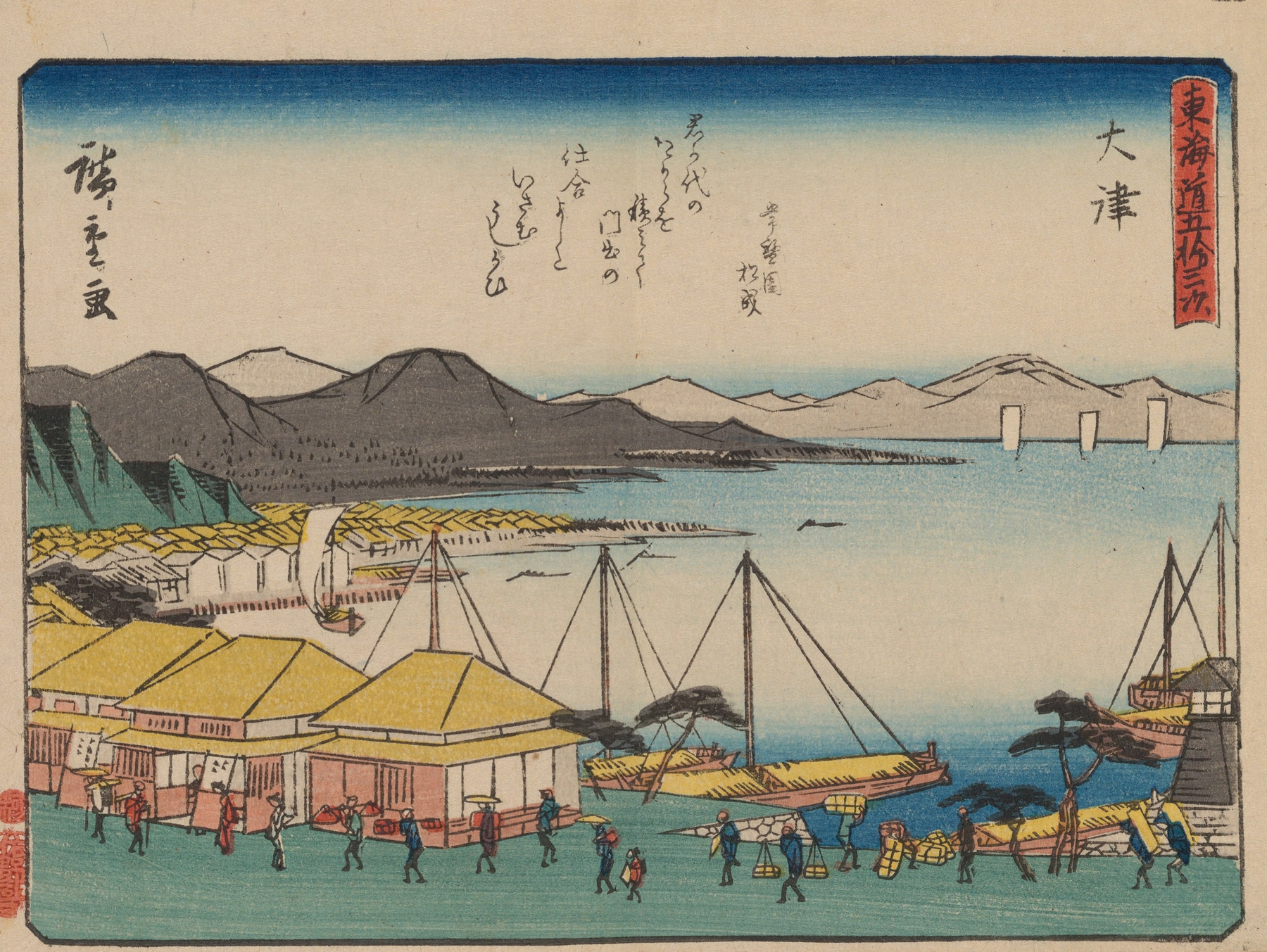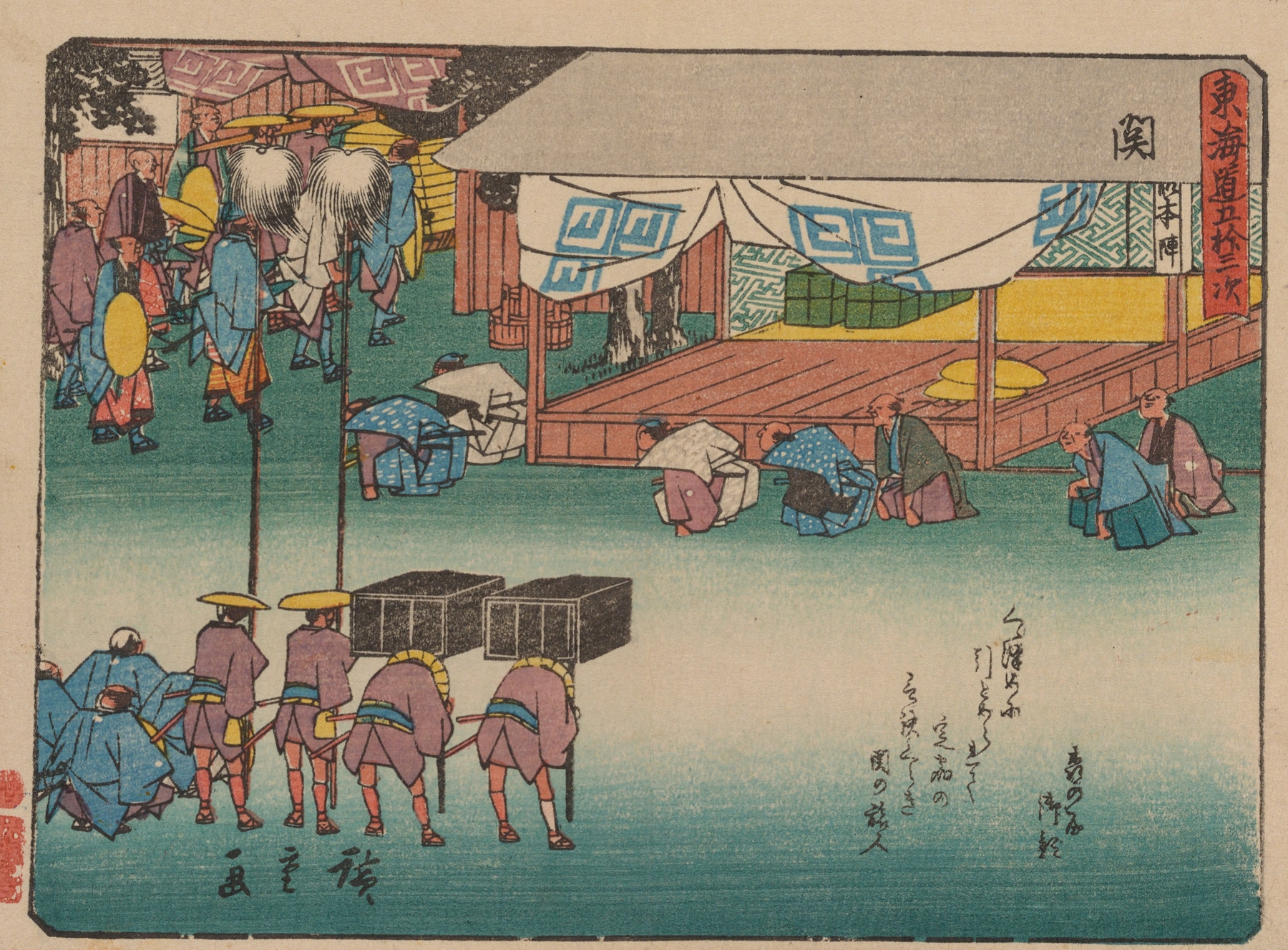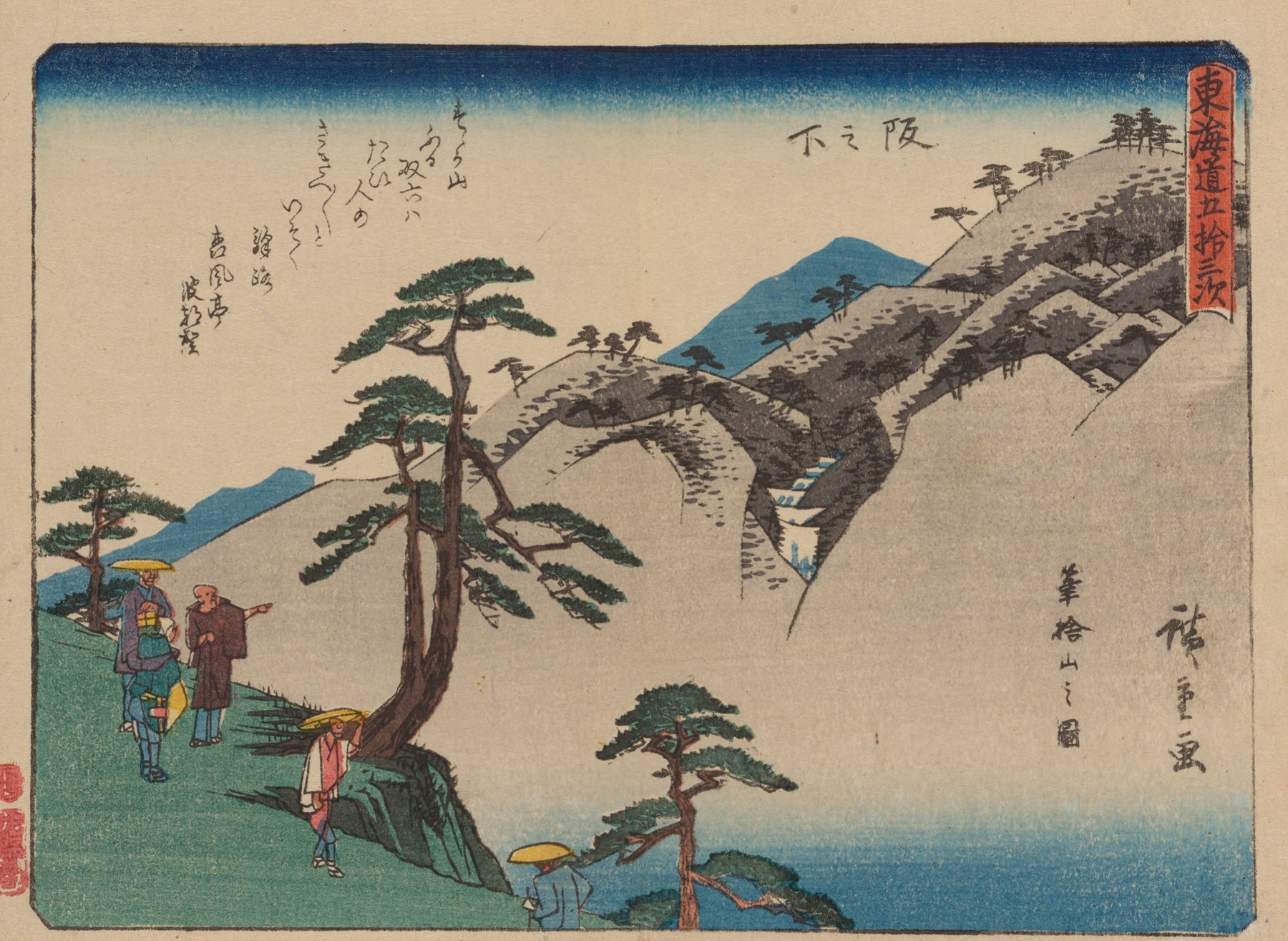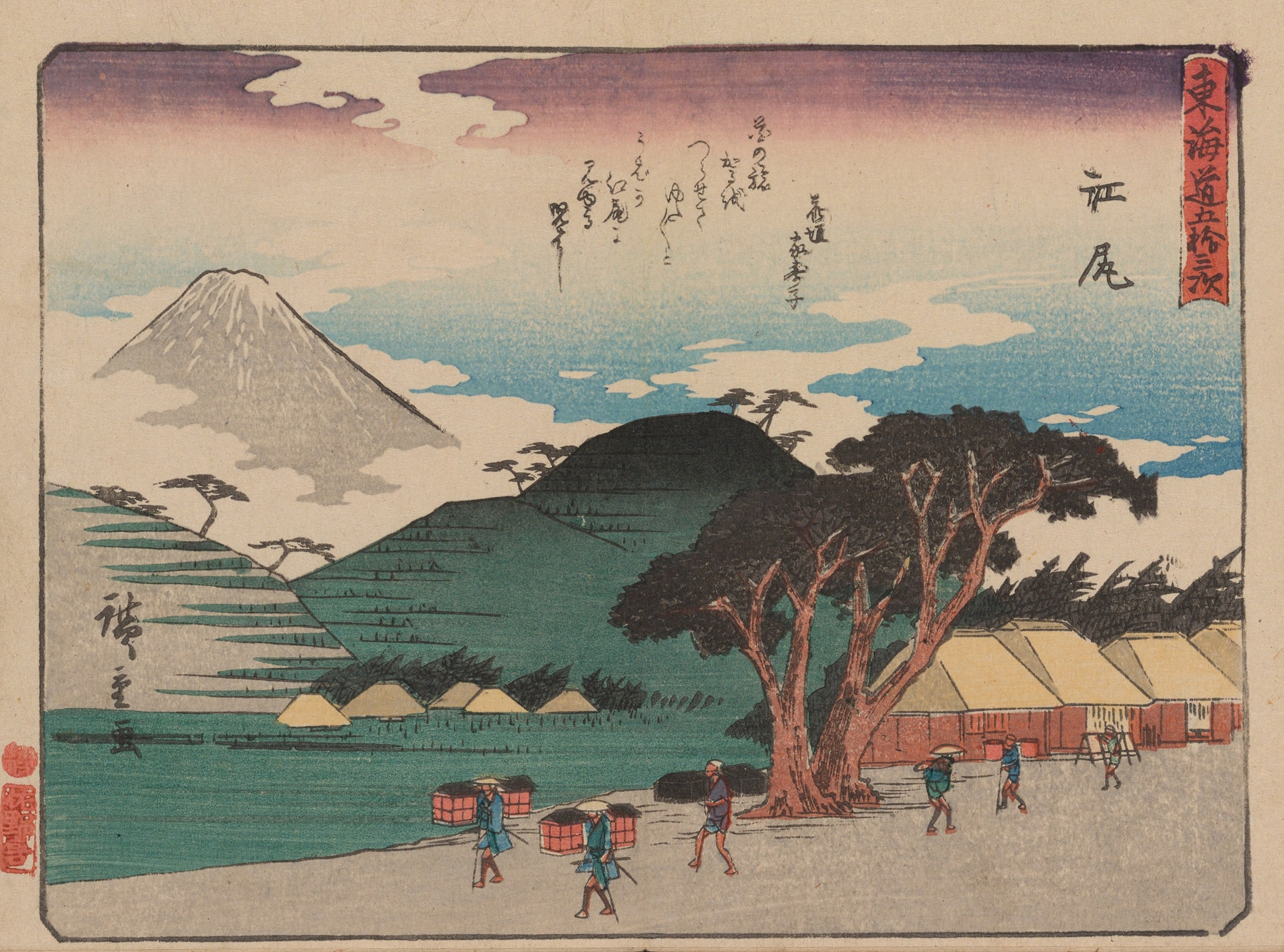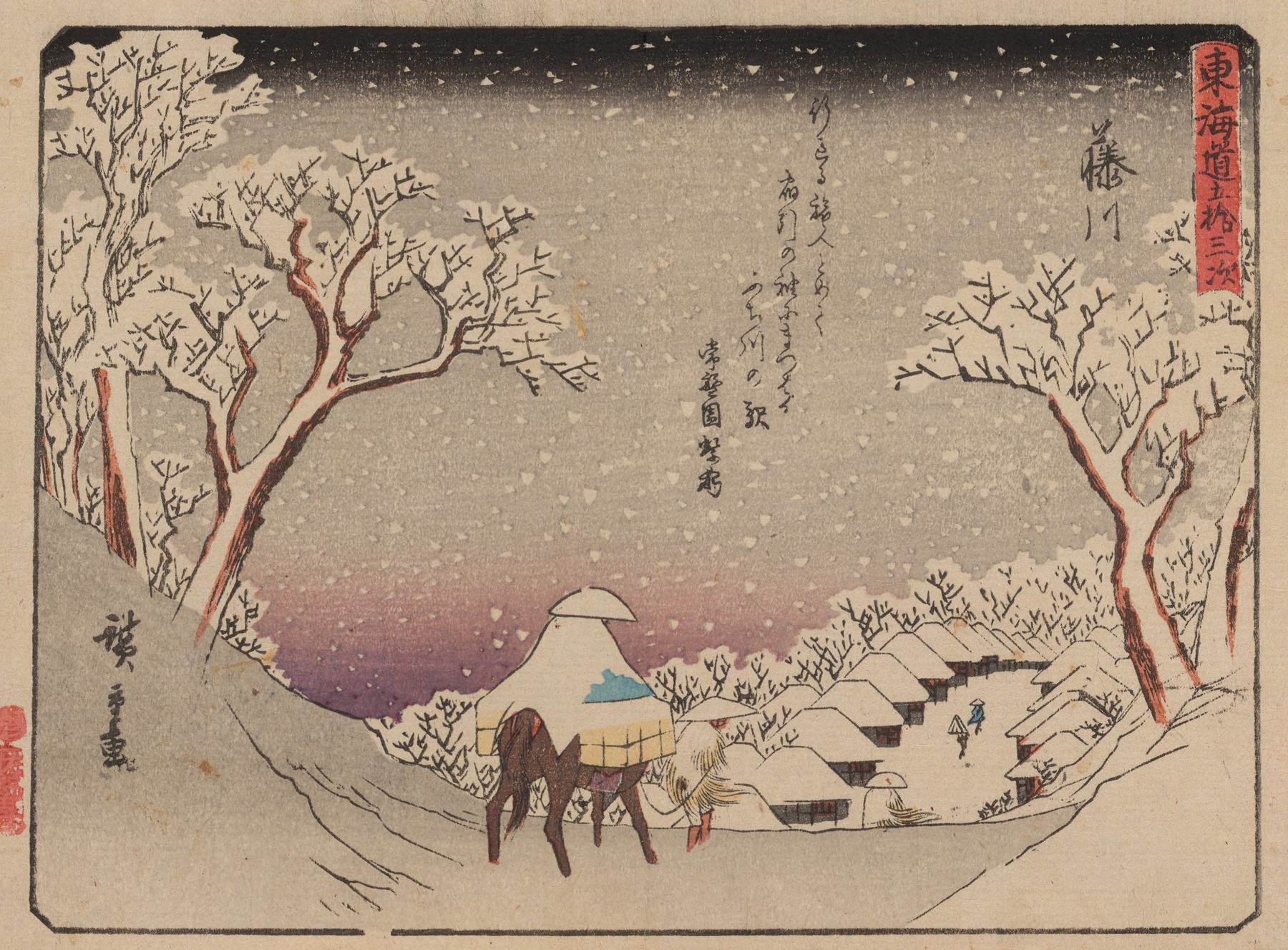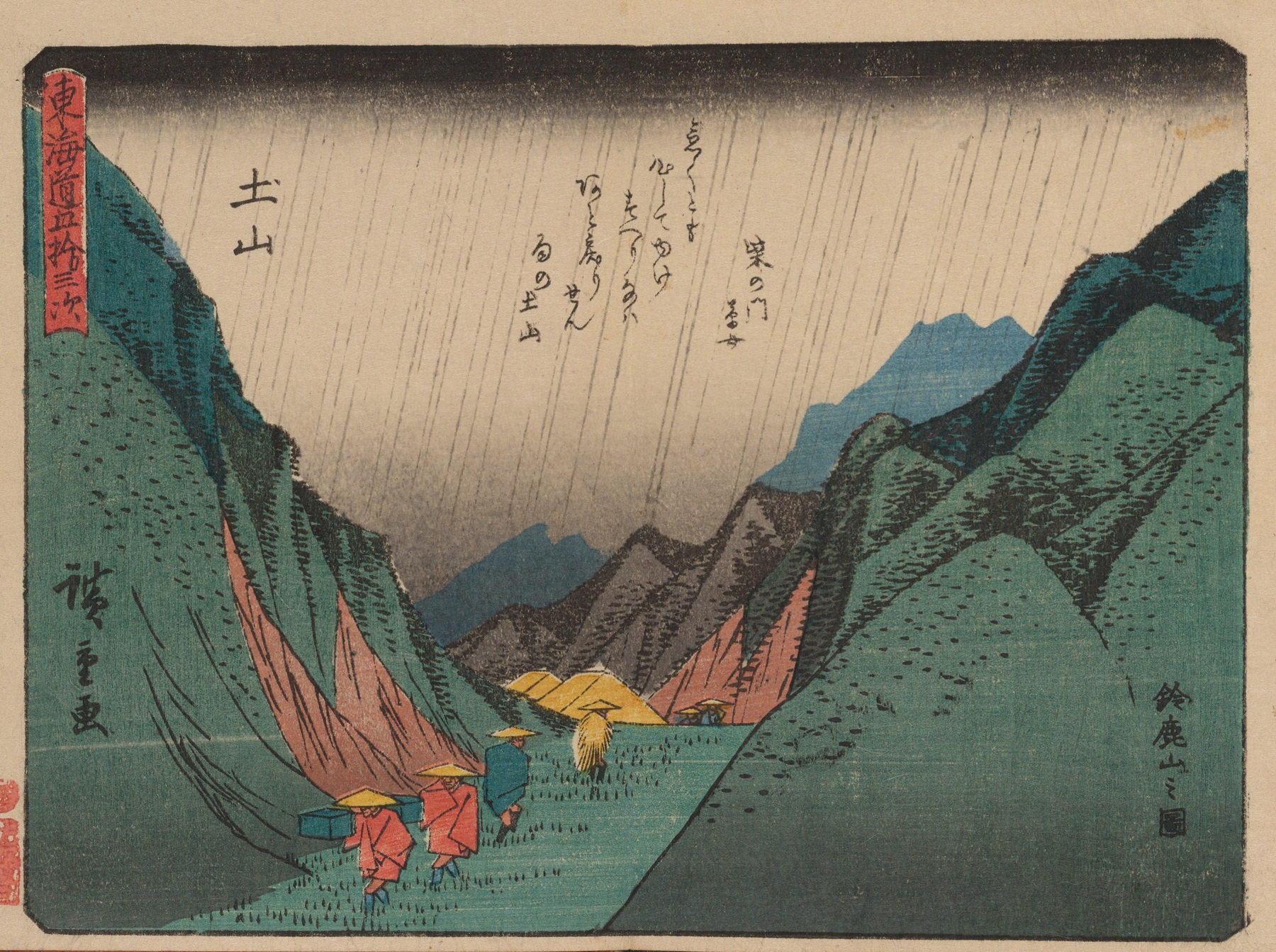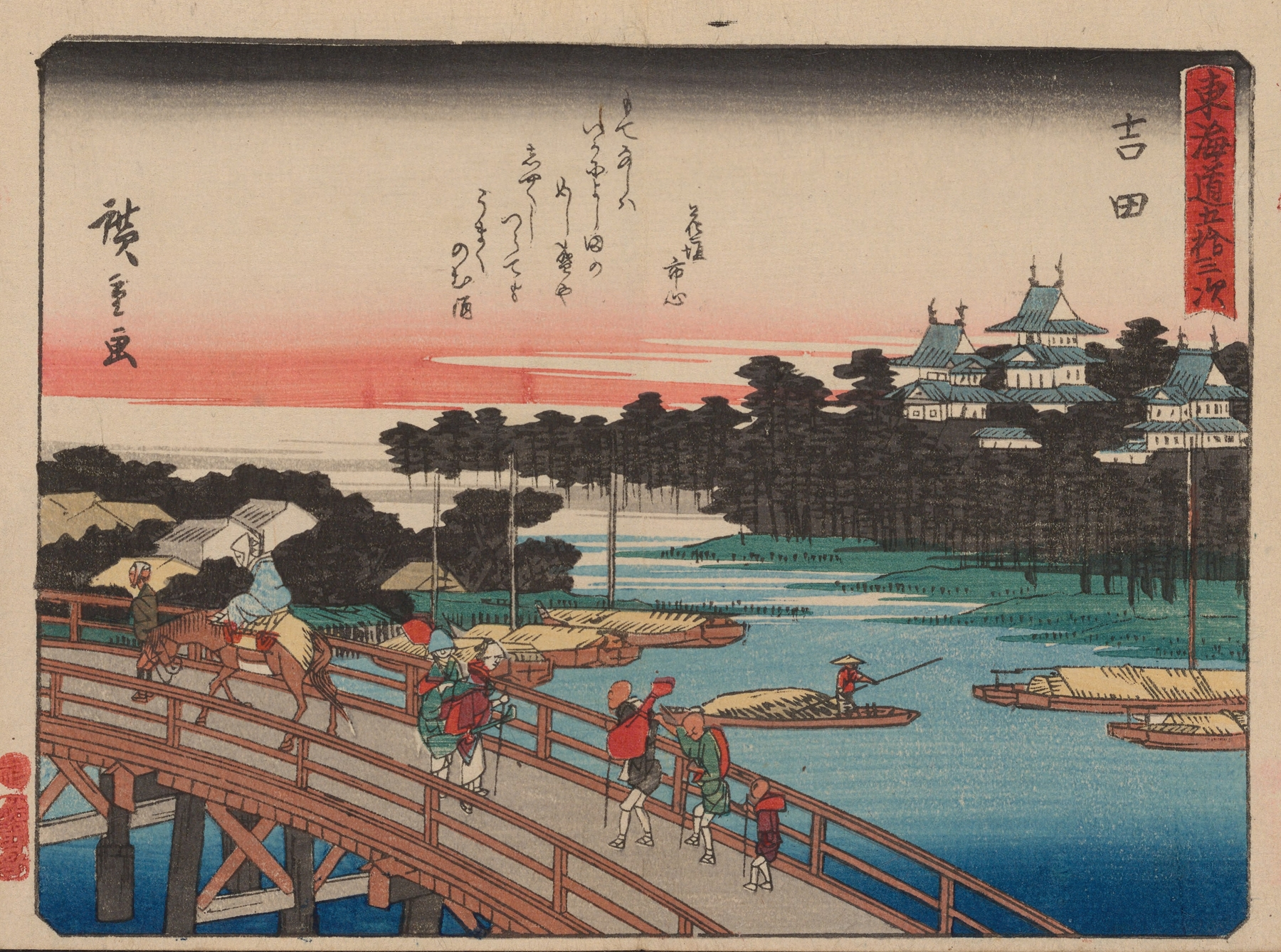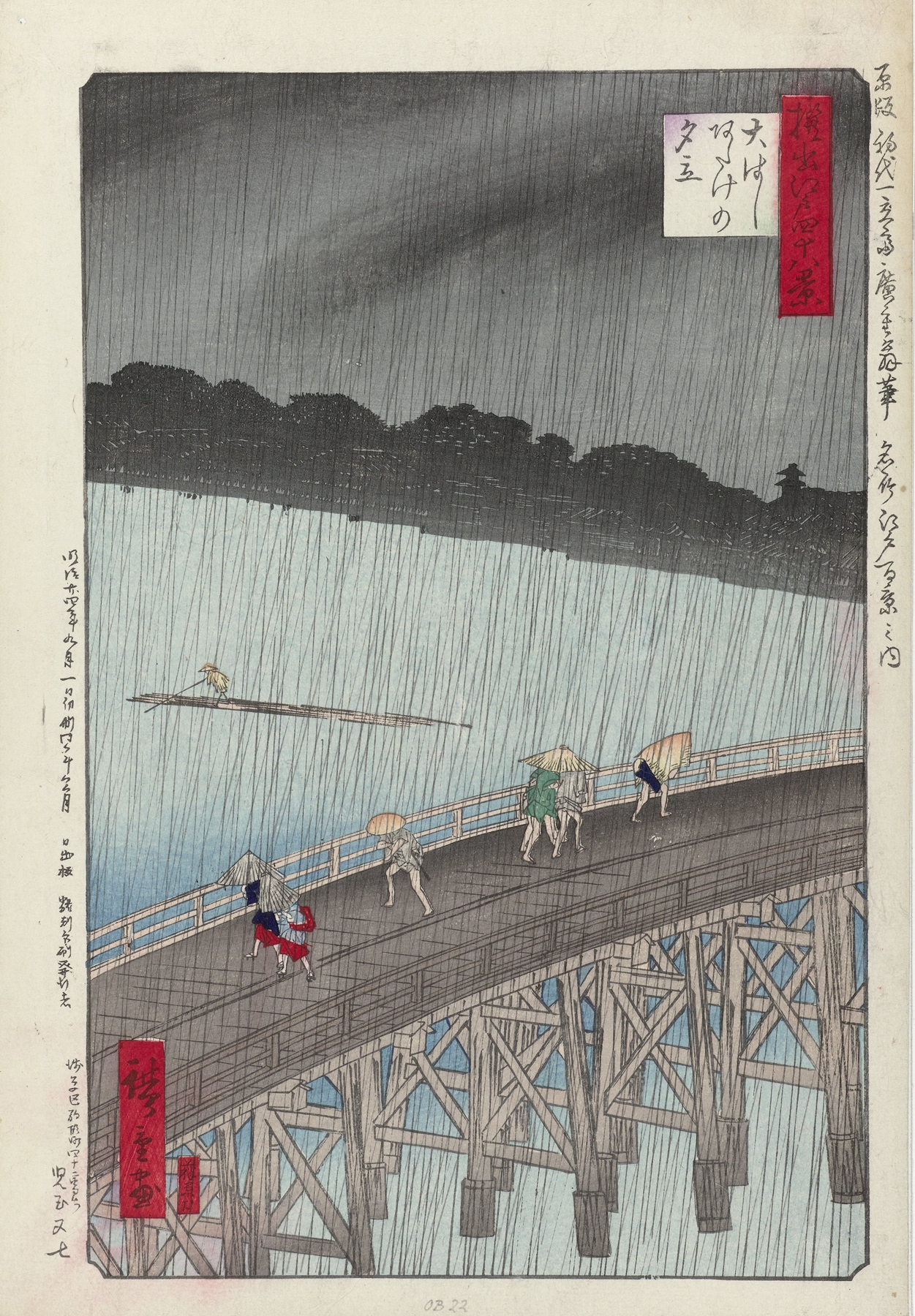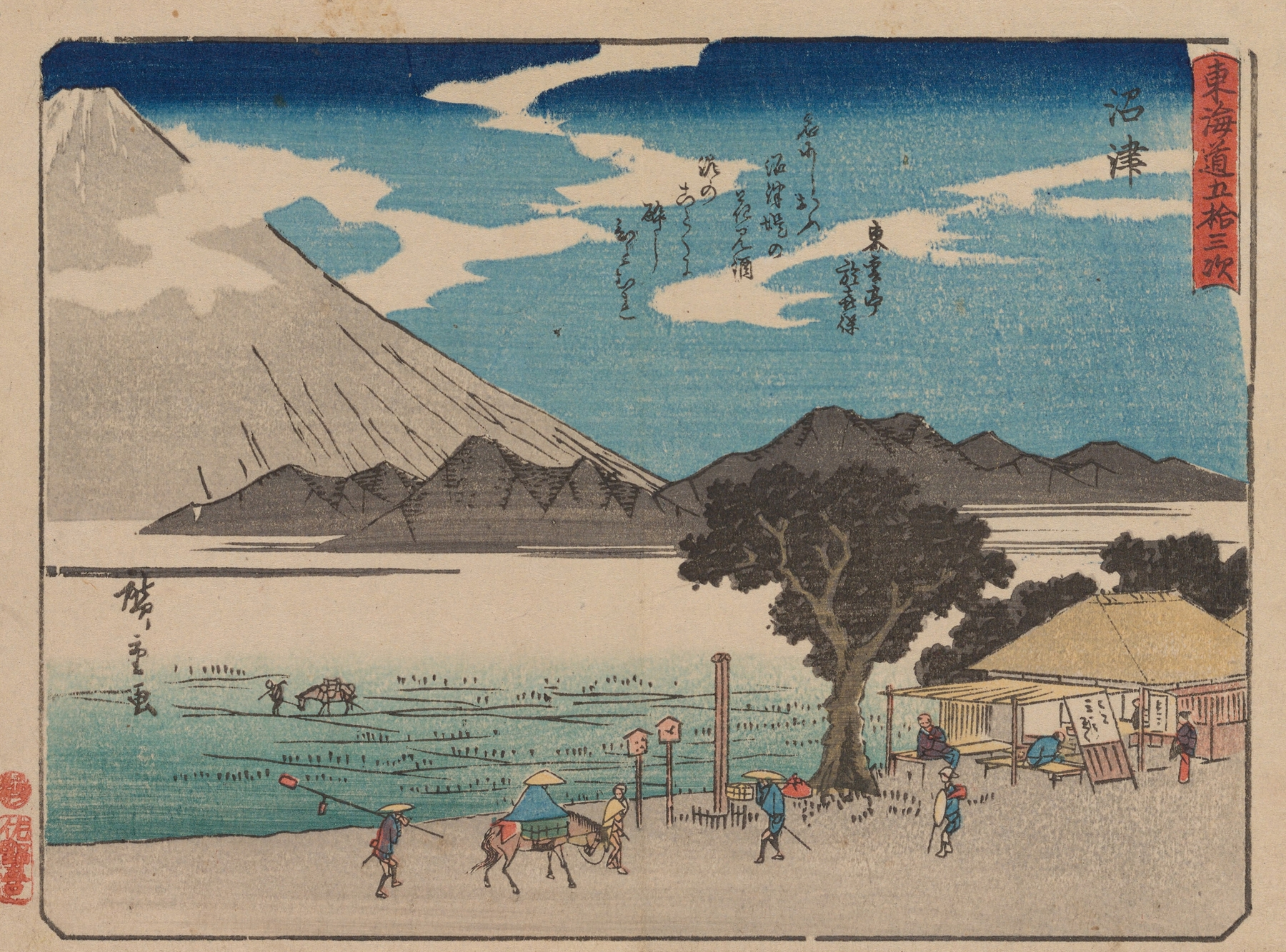

Can beauty exist without sorrow? This question lingers in the air, echoing through the delicate landscapes captured in the art of the past, where fleeting moments often whisper of deeper truths. Look to the center of the composition, where a serene river winds its way through a tranquil landscape. The palette, softened with pastel hues, invites the viewer to trace the gentle curves of the water and the surrounding hills. Notice how the towering mountains, cloaked in mist, loom like silent sentinels over the scene, hinting at the passage of time. The subtle interplay of light and shadow creates a sense of movement, suggesting life’s transience amidst nature's enduring beauty. Within this serene vista lies a poignant tension between life and death. The vibrant cherry blossoms, bursting forth in their brief bloom, symbolize the ephemeral nature of existence, a theme deeply rooted in Japanese culture. Each stroke of Hiroshige’s brush captures the fleeting joy of beauty, reminding us of the inevitable decay that follows. The river, both a lifeline and a path to the unknown, invites contemplation about the fragility of moments and the cycle of mortality that colors them. Created between 1868 and 1912, this work emerged during a time of great change in Japan, as the nation transitioned into the Meiji era. Utagawa Hiroshige, renowned for his ukiyo-e woodblock prints, was influenced by the shifting tides of modernization and globalization. This period saw a growing interest in capturing the essence of nature, alongside a deep appreciation for the fleeting beauty that defined Japanese aesthetics.