Venice — History & Analysis

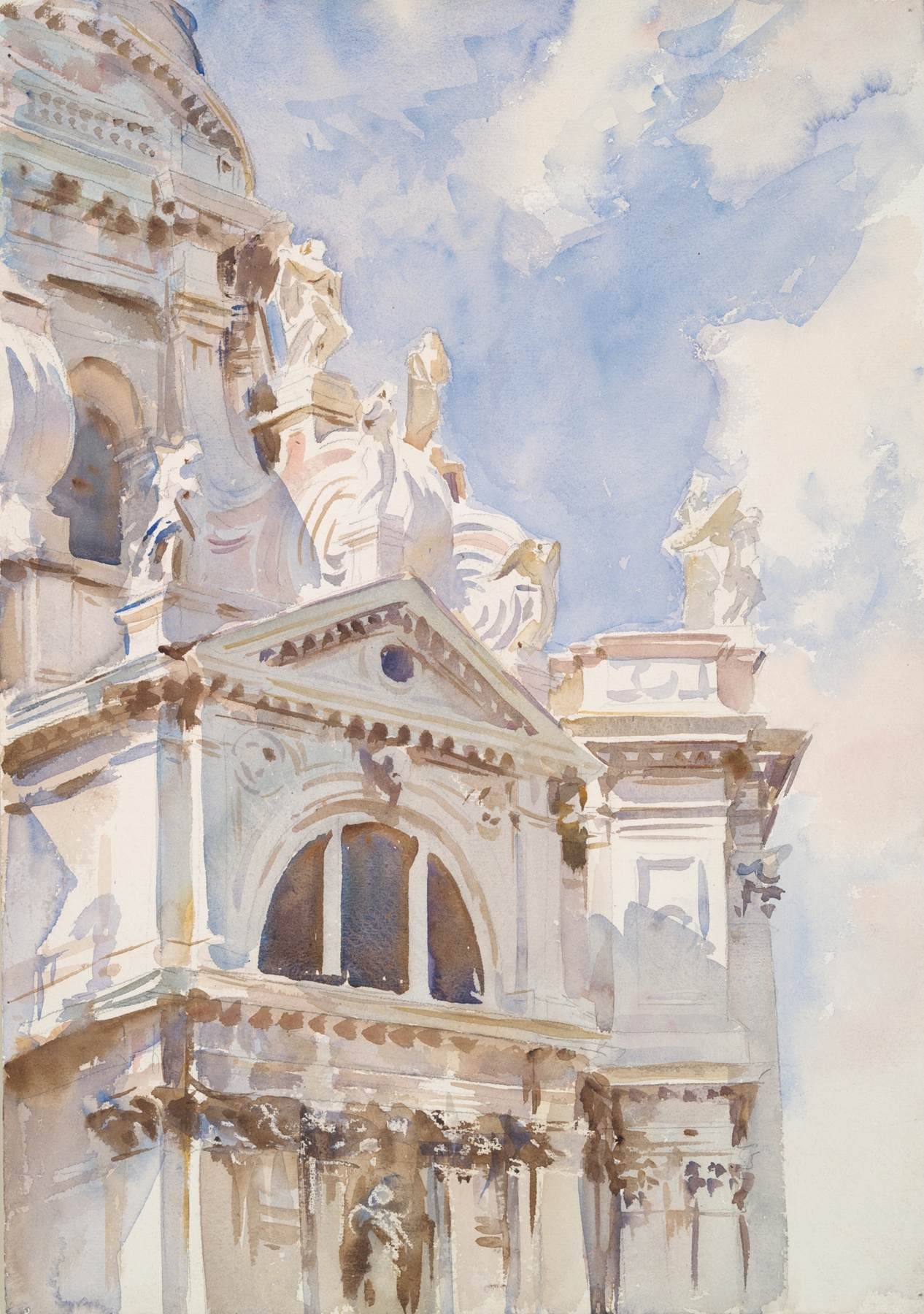
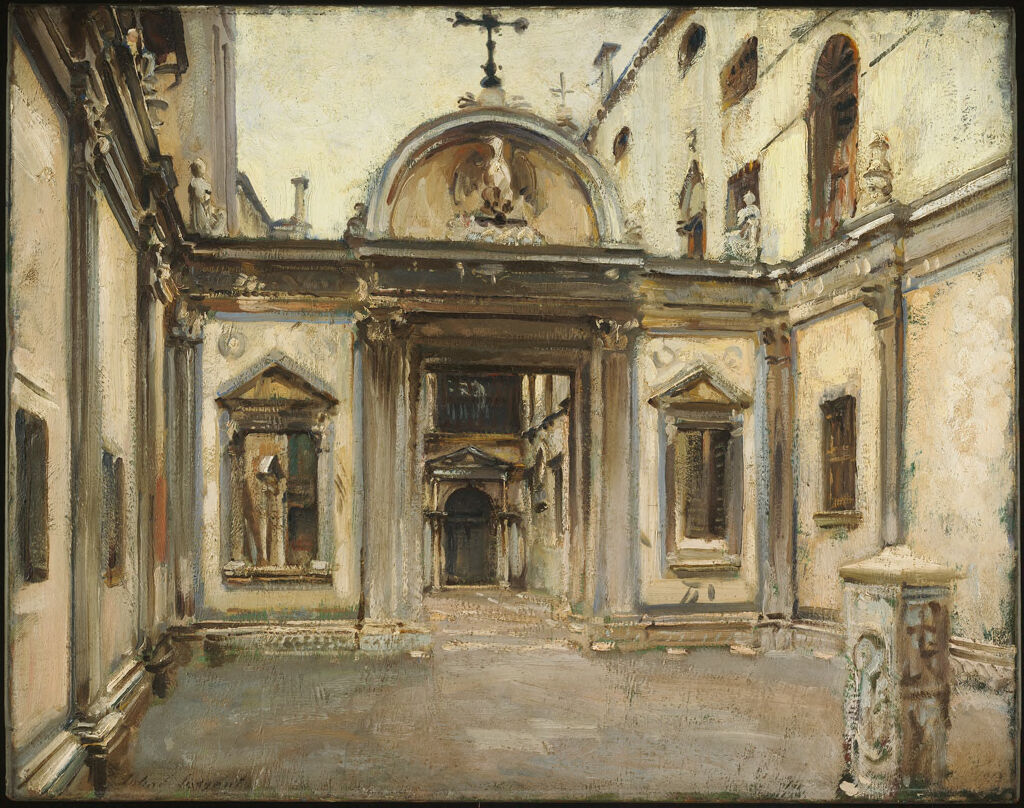
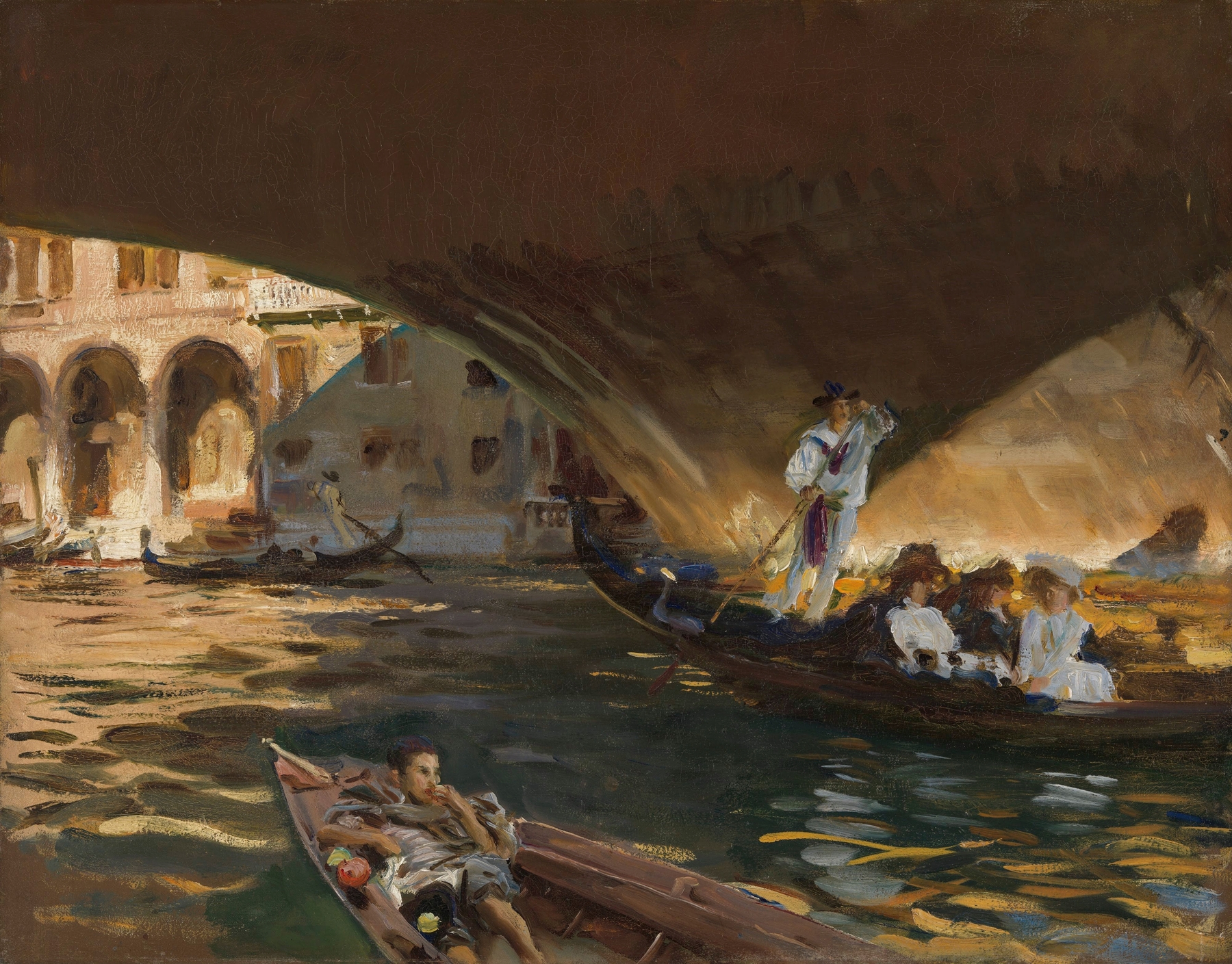
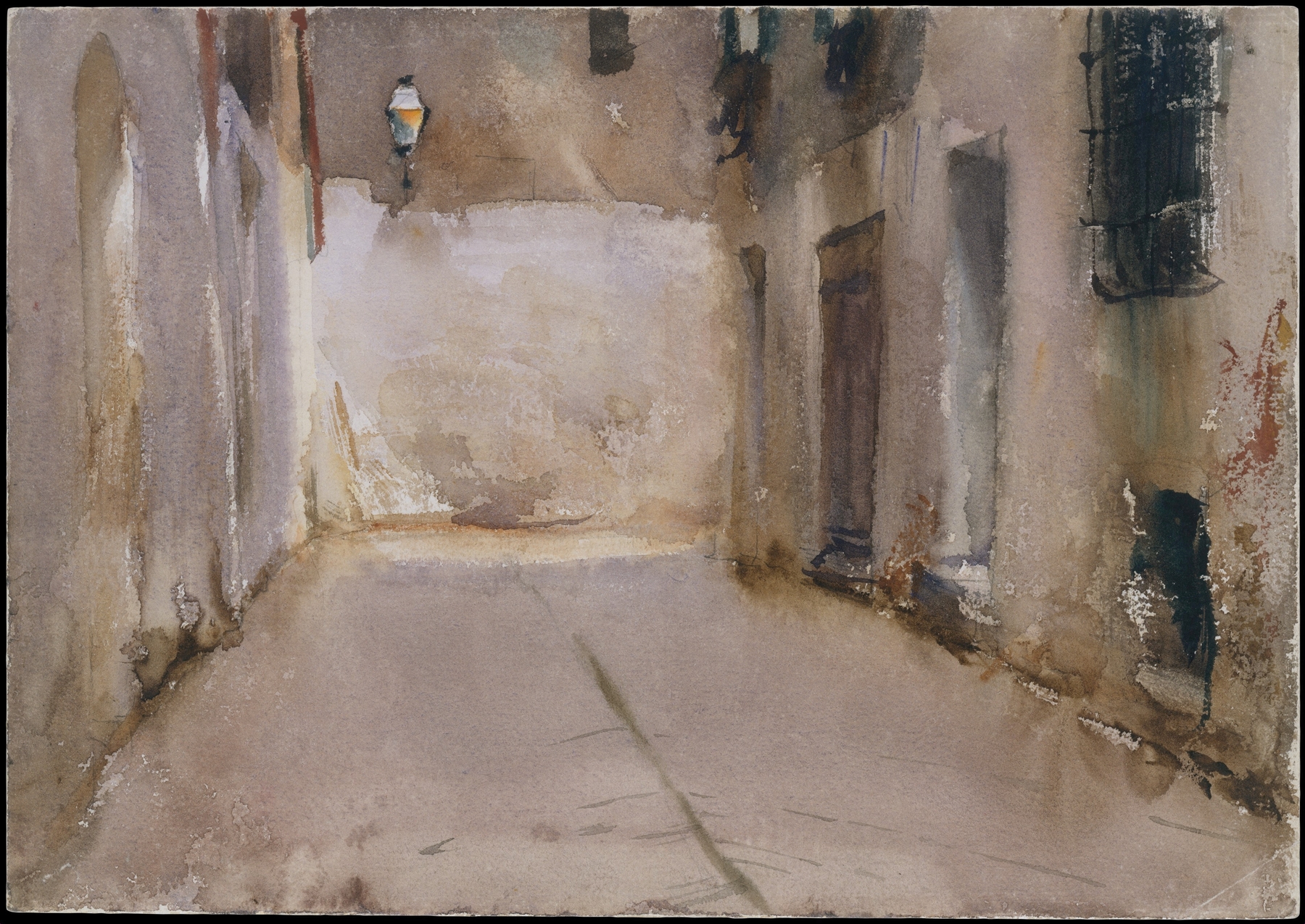
Where does light end, and longing begin? In the ethereal brushstrokes of Sargent's work, the boundaries blur, crafting a dreamscape that invites both wonder and reflection. Look to the left at the shimmering canals, where soft, golden hues intermingle with the delicate blues of the water. Notice how the light falls upon the intricate architecture, casting playful shadows that dance upon the surface, creating an illusion of depth and movement. The composition, framed by elegant gondolas, pulls the viewer's eye towards the horizon, where the sky meets the city in a gentle embrace.
Each stroke is a whisper, a subtle gesture that conveys the artist's intimate dialogue with the Venetian landscape. Beneath the surface beauty lies a palpable tension between reality and fantasy. The vibrant colors, while captivating, evoke a sense of yearning, as if the viewer is caught in a moment that teeters on the edge of memory and imagination. The juxtaposition of the bustling life on the water against the serene cityscape speaks to the duality of existence—both vibrant and ephemeral.
This duality invites contemplation on the nature of experience, suggesting that what we see may be but a reflection of what we feel. During the early 1880s, Sargent was in a phase of exploration, traveling through Europe and honing his mastery of light and form. Painting in Venice during this transformative period, he engaged with a city renowned for its beauty and complexity, reflecting the Romantic ideals of the time. The work embodies the artist's fascination with capturing transient moments, a concept that would define much of his later career.