View of Hilterfingen — History & Analysis
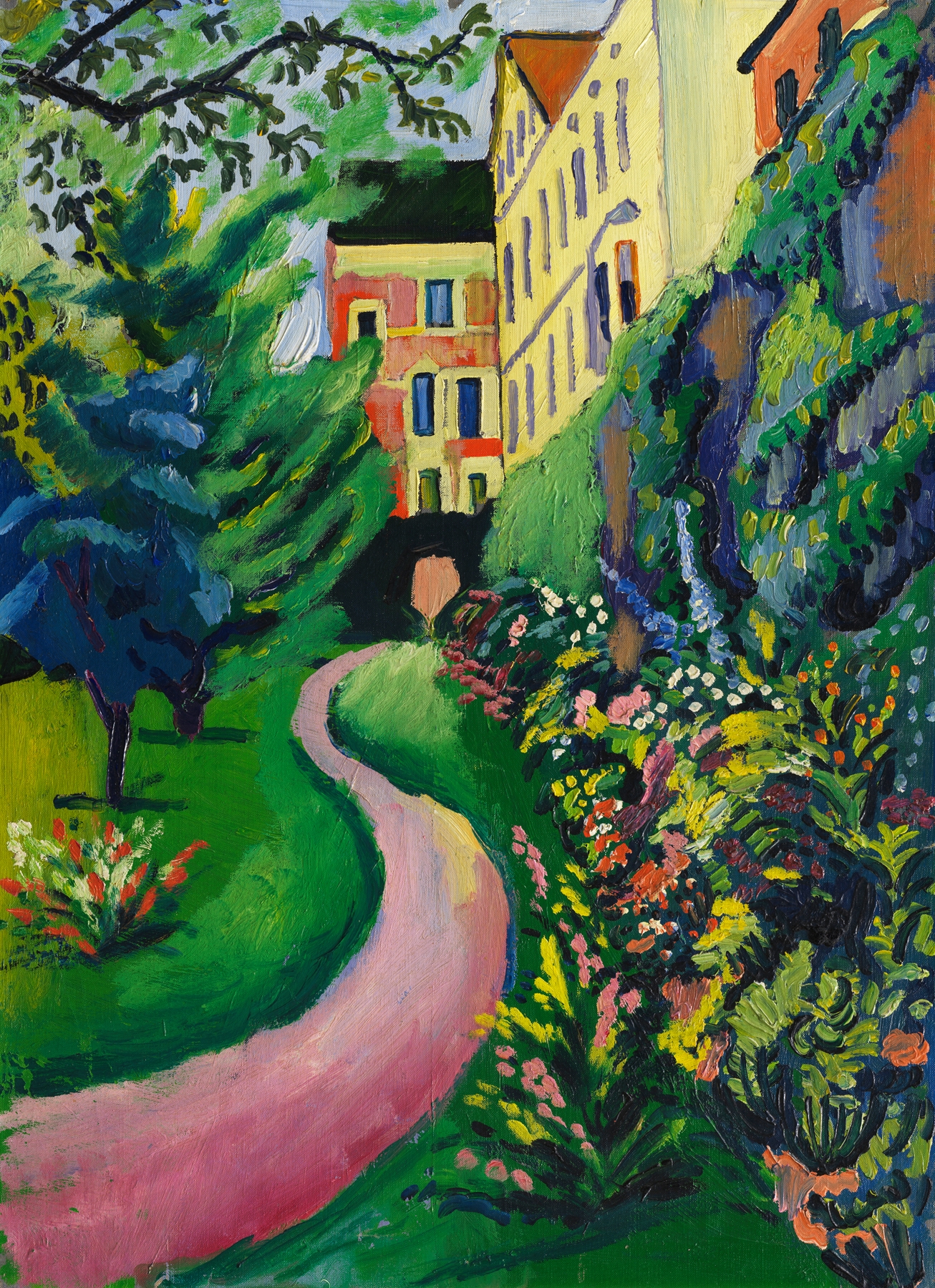
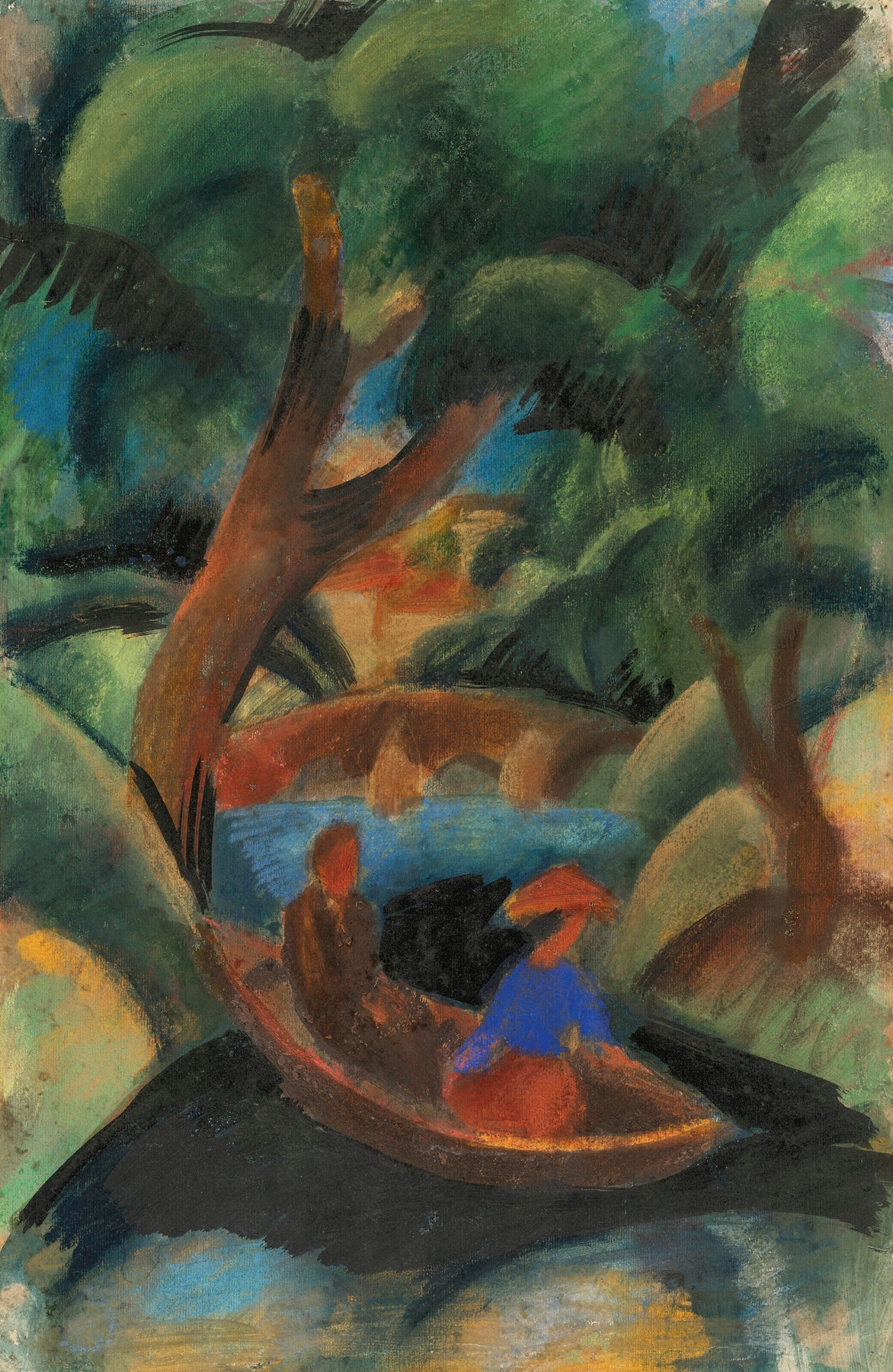
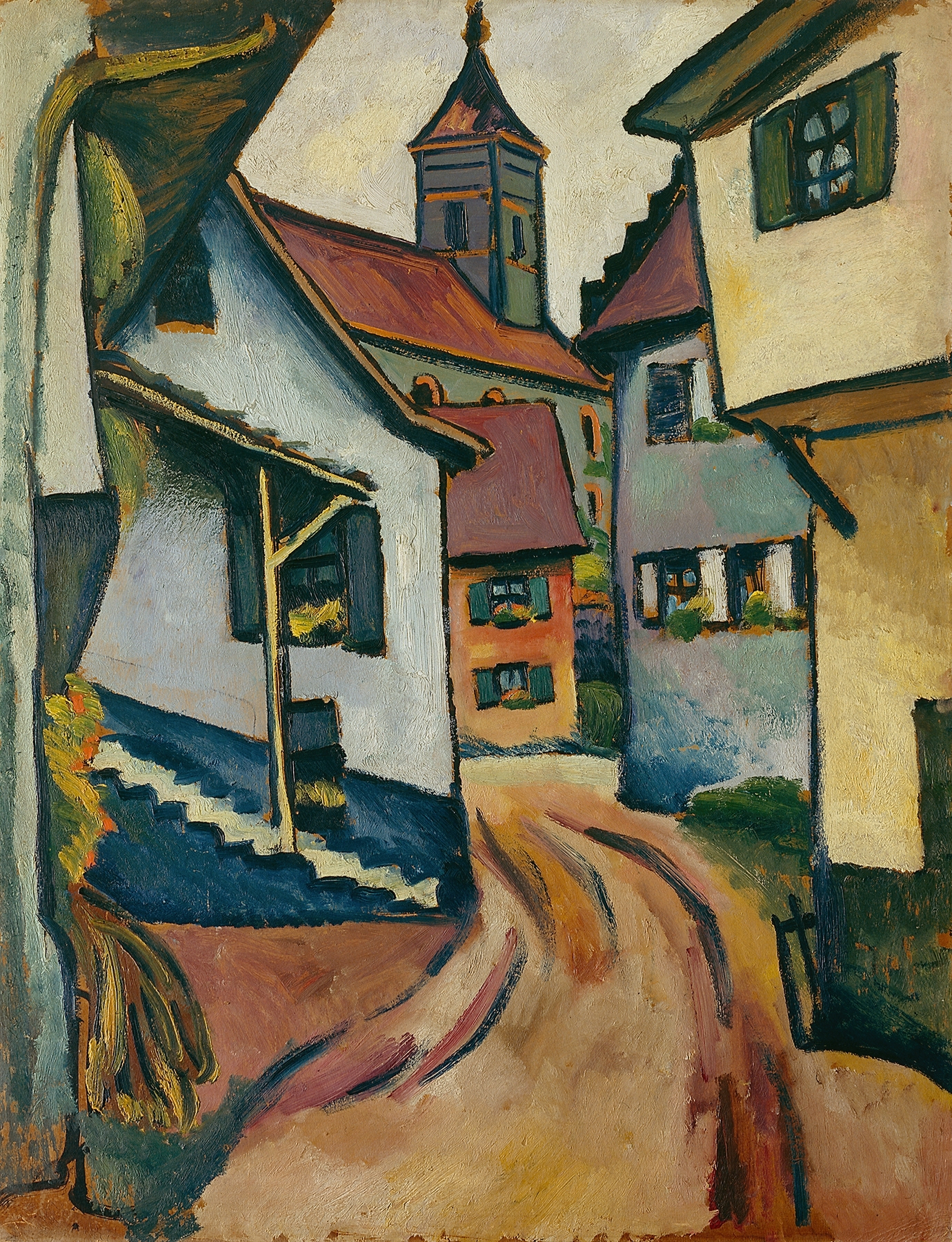
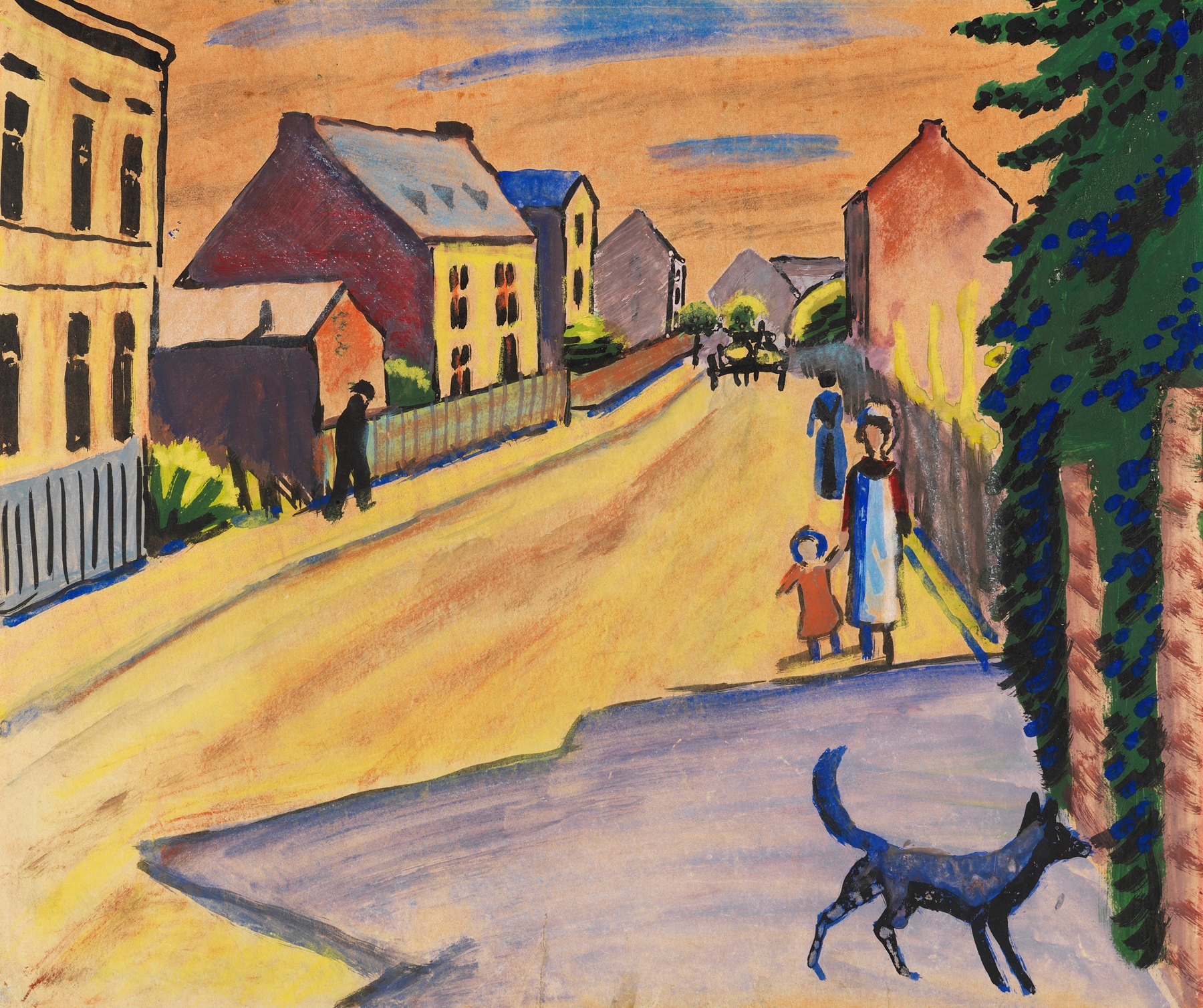
“Every silence here is a confession.” In this tranquil image, destiny looms large, hovering just beyond the edges of perception. The landscape, painted in vibrant hues, beckons the viewer to explore its depths while whispering secrets of the past and future. Look to the center, where the shimmering lake reflects the sky's cerulean blues and gentle greens. The soft brushstrokes convey a sense of fluidity, as if the water itself dances in the sunlight. Surrounding the lake, the verdant hills rise gracefully, punctuated by quaint houses nestled comfortably within nature's embrace.
Notice how the warm yellows and soft pinks of the buildings contrast with the coolness of the surrounding landscape, creating a harmonious balance that draws the eye across the canvas. Beneath its serene surface, the painting evokes the tension between nature and human presence. The houses, though charming, speak to the fragility of existence, hinting at the inevitable passage of time and the transient nature of life. The vibrant colors suggest hope and vitality, yet they also hold an undertone of melancholy. Is this a moment of peace before the storms of fate arrive?
That question lingers, infusing the scene with a sense of foreboding. In 1914, View of Hilterfingen emerged from the hands of August Macke during a time of personal exploration and artistic evolution. Living in Germany, Macke was part of the Expressionist movement, grappling with the complexities of modern life and the approaching tumult of World War I. His work reflects a yearning for connection with nature and a desire to capture the essence of fleeting moments, standing as a poignant testament to his creative vision amidst a world on the brink of chaos.