Our street in gray — History & Analysis
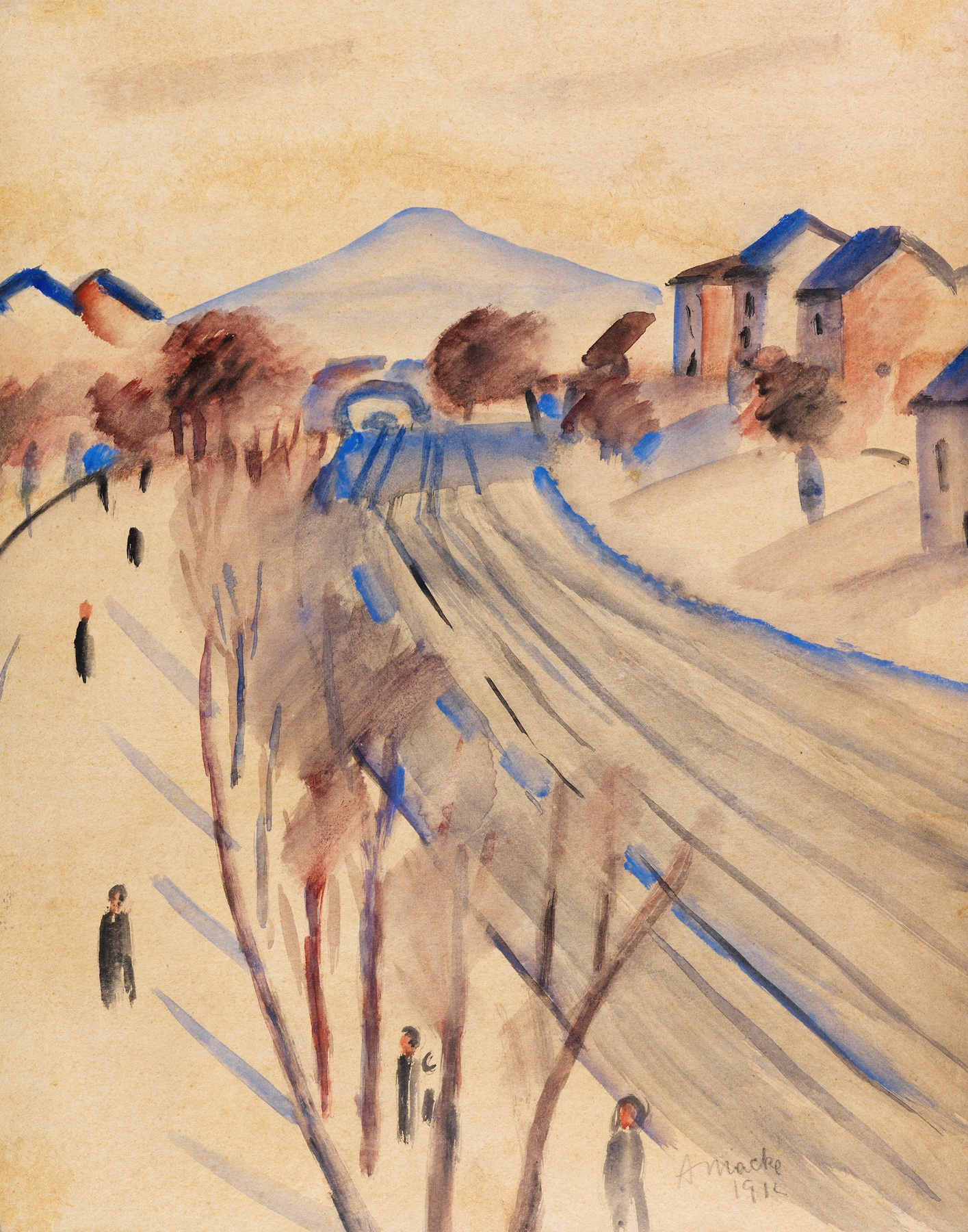
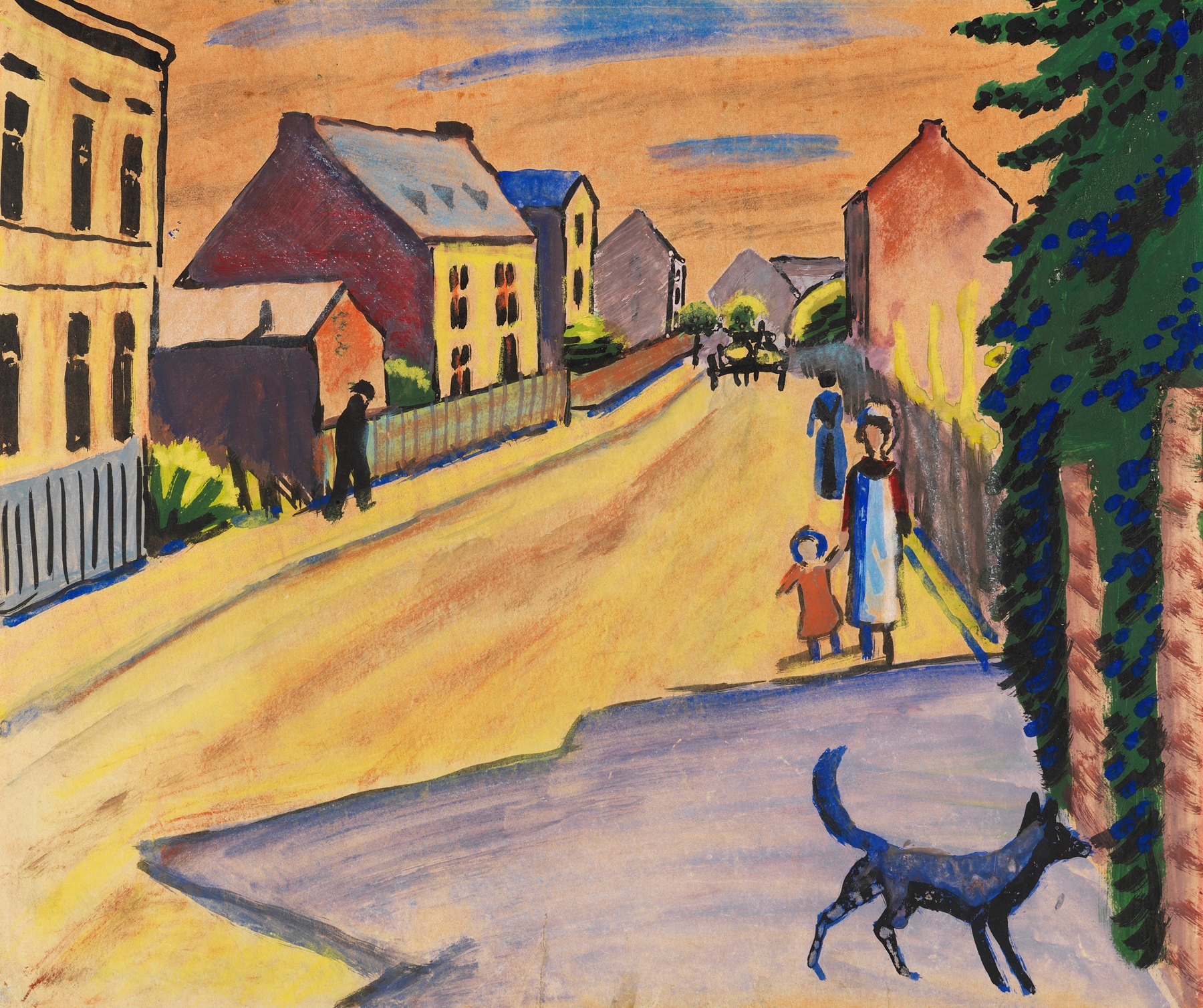
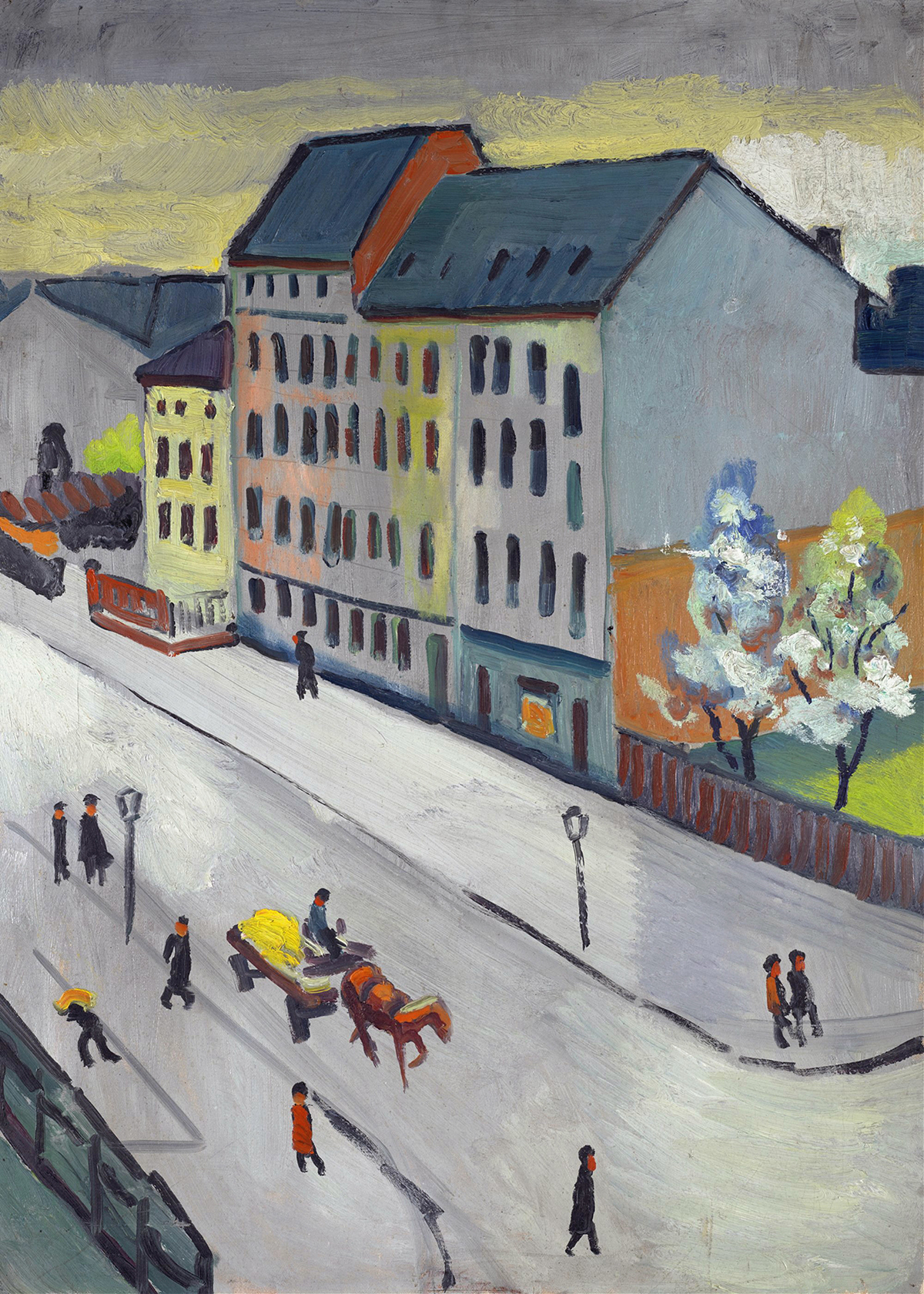
What secret hides in the quiet of the canvas? A serene yet unsettling calm envelopes the scene, leaving the viewer to wonder what lurks beneath the surface of this muted urban landscape. Look to the left at the delicate interplay of grays that fill the cobblestone street, subtly guiding your eyes toward the figures that dot the scene. Notice the gentle curves of the buildings, their soft angles contrasted by the rigid lines of the street, creating an uneasy tension.
The subdued palette suggests an atmosphere thick with unspoken emotions, where the light struggles to break through the oppressive grayness, hinting at the fear that pulses beneath the stillness. Delve deeper into the composition, and you’ll find contrasting elements that evoke a sense of isolation. The figures, though present, appear disconnected from one another, their faces shrouded in ambiguity and their postures hinting at unvoiced anxieties. Each stroke of paint seems to echo the era's collective uncertainty, possibly reflecting a premonition of the tumultuous events that would soon engulf society.
August Macke created this work in 1911 while living in Germany, a period marked by burgeoning modernism and the emergence of new artistic movements. As part of the expressionist group Der Blaue Reiter, he sought to convey emotional truths through color and form. The anxieties of the time, coupled with personal transformations in his life, influenced his exploration of themes like fear and isolation, as seen in this haunting depiction of urban existence.