View of St. Catherine’s Hill near Guildford — History & Analysis
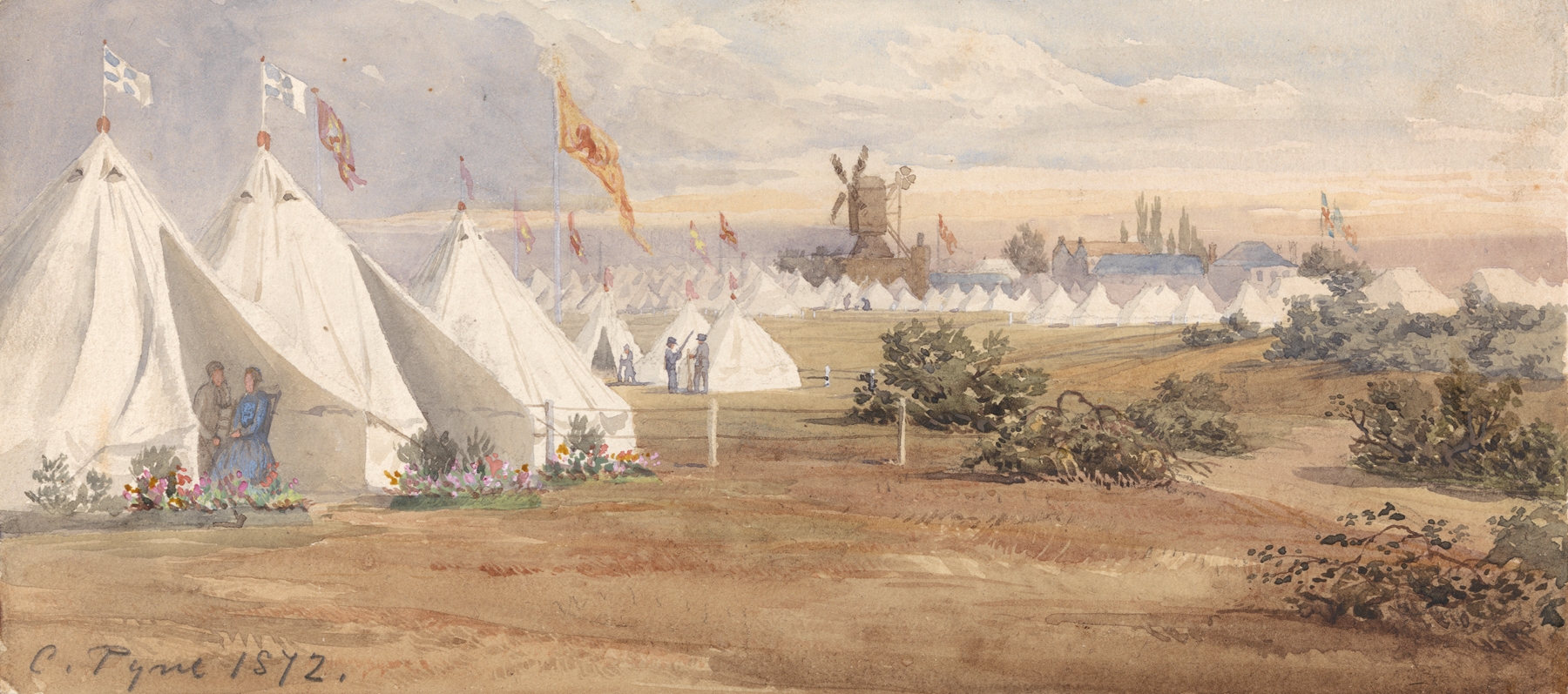
“Every silence here is a confession.” In the vast expanse of landscape painting, there exists a profound emptiness that speaks volumes, inviting contemplation and reflection. Focus first on the gentle slope of St. Catherine’s Hill, where the muted greens and browns blend harmoniously, creating a serene canvas that stretches toward the horizon. Notice how the light plays upon the rolling terrain; it glimmers softly, revealing the textures of the grass and the interplay of shadow and sunlight.
The composition, with its careful balance between the hill and the sky, guides the viewer's gaze outward, invoking a sense of stillness that breathes life into the scene. Within this tranquil landscape, there are hidden emotions that resonate deeply. The emptiness of the field may evoke feelings of solitude, while the delicate brushwork captures a fleeting moment, suggesting the passage of time.
Subtle contrasts between the vibrant earth tones and the expansive sky reflect the tension between nature's vitality and the quiet of absence, creating a narrative that is both personal and universal. Charles Claude Pyne painted this work during a period marked by introspection and a shift toward capturing the subtleties of landscape in the late 19th century. While specific details about the date remain elusive, the era was characterized by a growing appreciation for the natural world, as artists sought to convey the essence of their surroundings amid a rapidly changing society.