View of the interior of the St. Bavo Church in Haarlem — History & Analysis
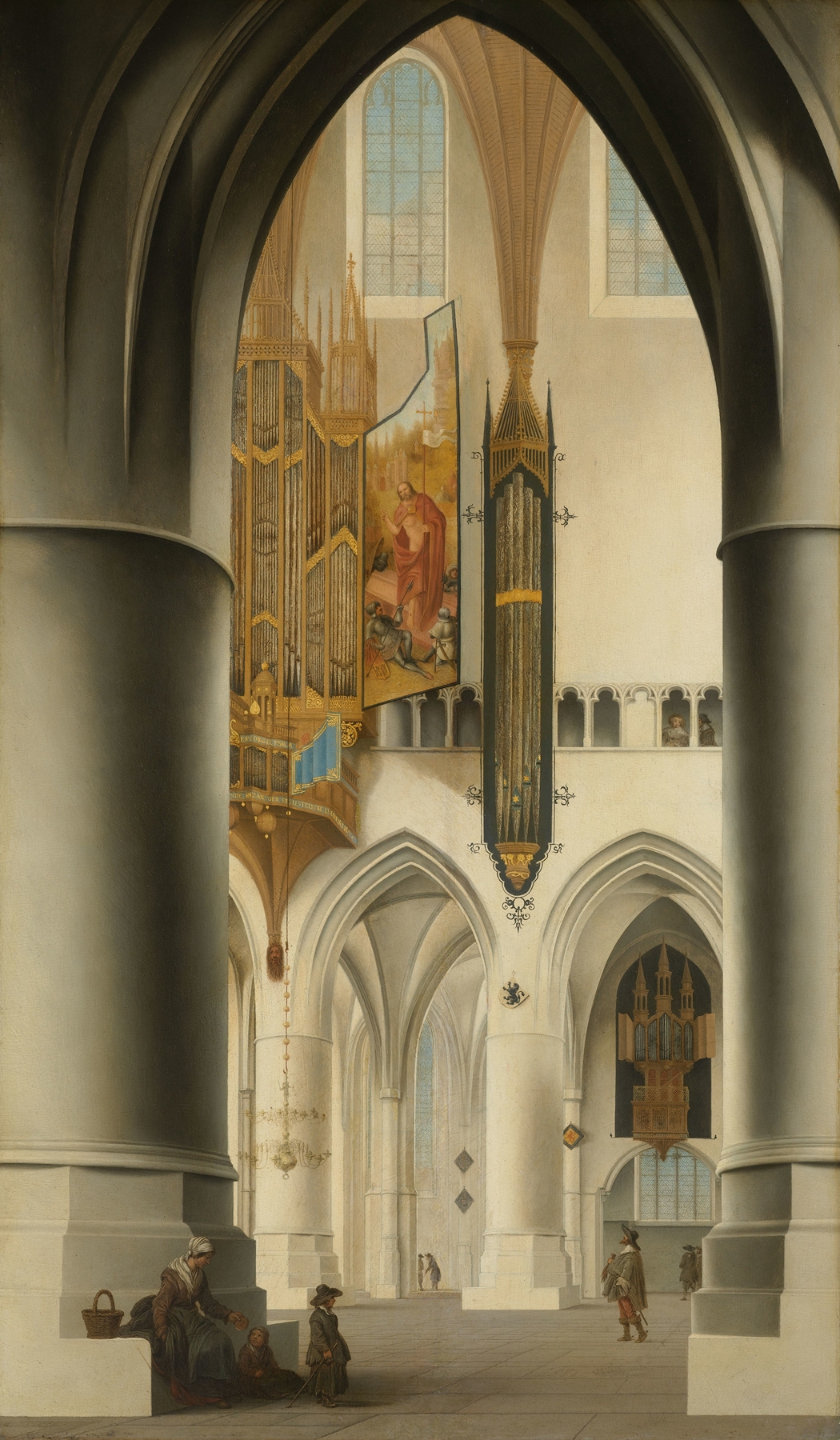
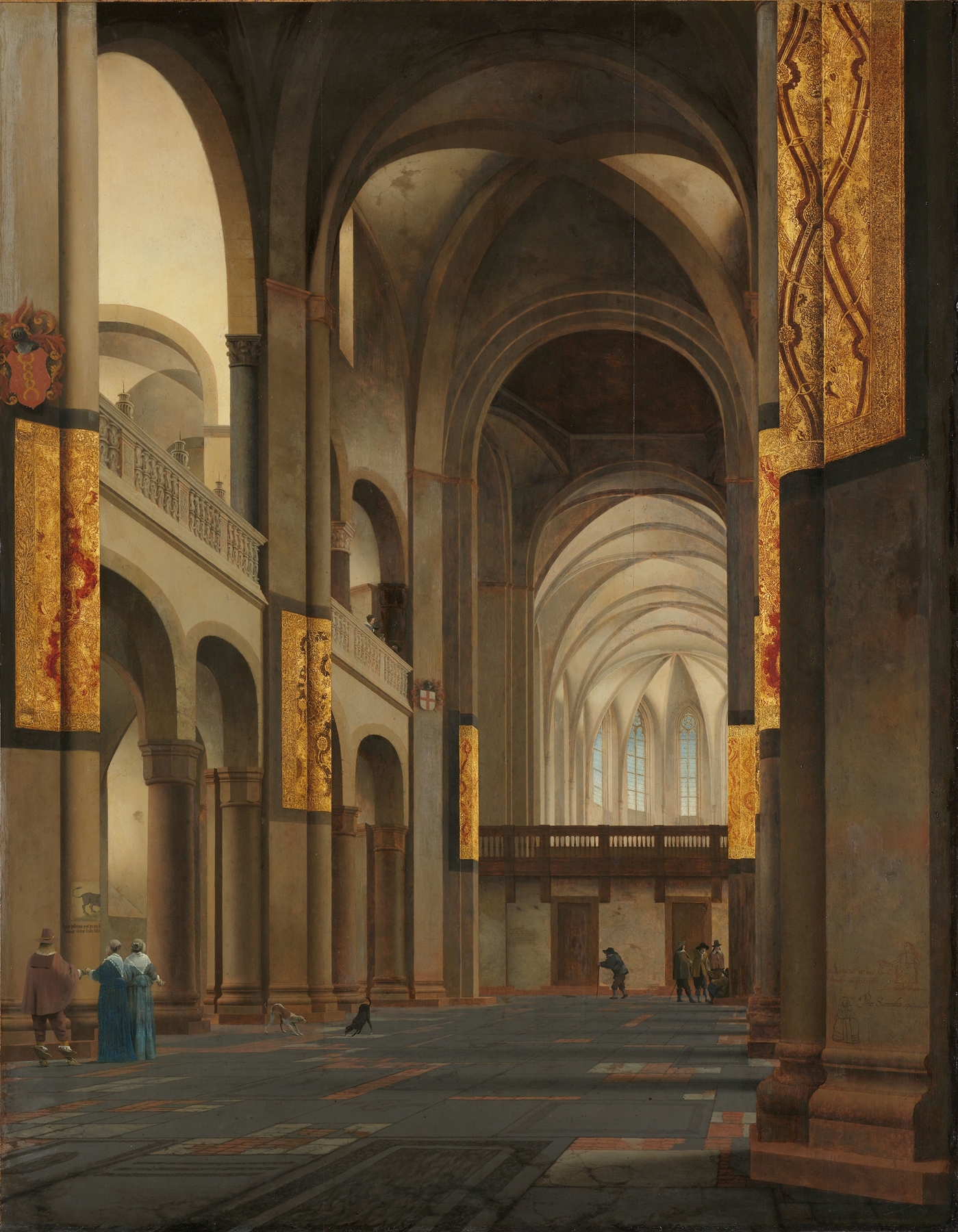
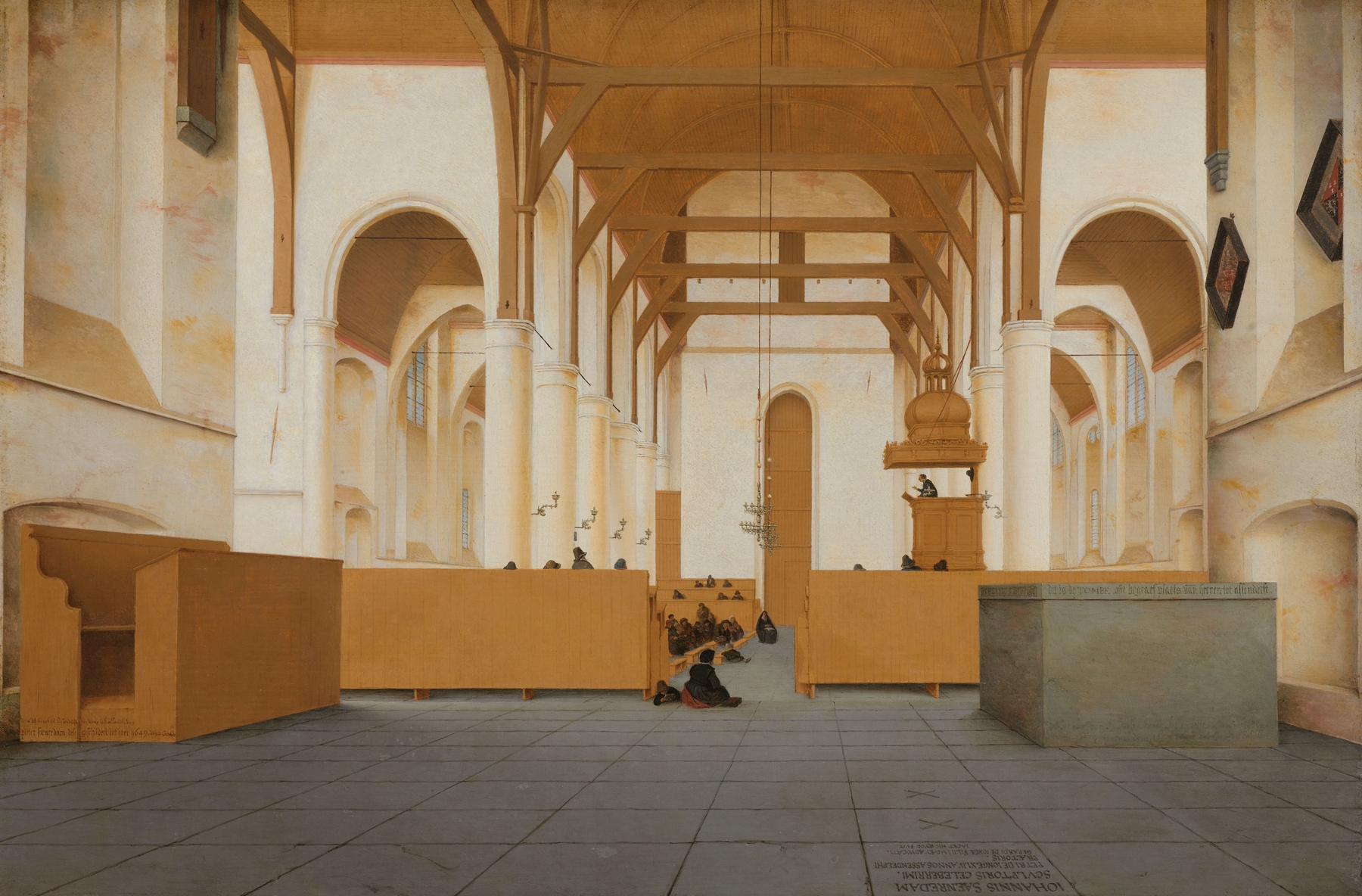
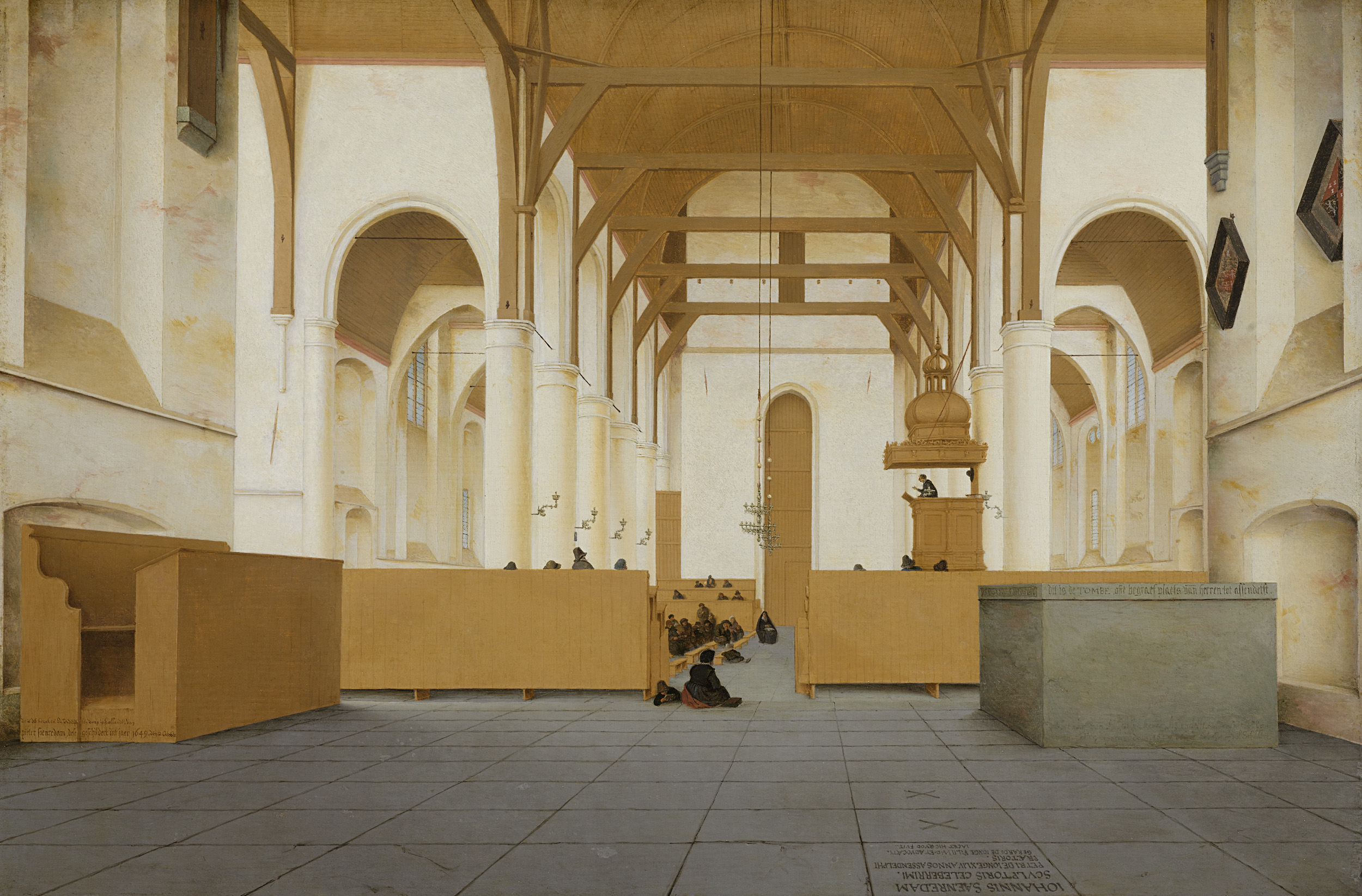
What secret hides in the quiet of the canvas? In the stillness of View of the interior of the St. Bavo Church in Haarlem, a serene decay waits, echoing the passing of time within these sacred walls. Look to the right at the intricate details of the organ pipes, their muted hues echoing the deep, solemn atmosphere of the church. Notice how the light falls upon the wooden pews, illuminating the dust particles that dance in the soft beams streaming through the tall stained glass.
The composition draws the eye upward, through the soaring arches, inviting contemplation on the grandeur of both man and faith. Each brushstroke conveys a meticulous precision, enhancing the sense of both reverence and melancholy. As you absorb the scene, consider the interplay between light and shadow. The waning daylight hints at the inevitable decay, an echo of the church’s history and the transience of human endeavors.
The empty pews suggest a retreat from collective worship, perhaps offering a reflection on the changing role of faith in society. This stillness carries a weight; it is both a sanctuary and a tomb, where joy and sorrow blend seamlessly. Created in 1635, the artist was deeply entrenched in the Dutch Golden Age, a time marked by both flourishing art and growing interest in realism and architecture. Saenredam, known for his meticulous depictions of church interiors, painted during a period of personal exploration and professional growth, capturing the spiritual essence of spaces that held profound communal significance amid societal shifts.