Village Pond — History & Analysis
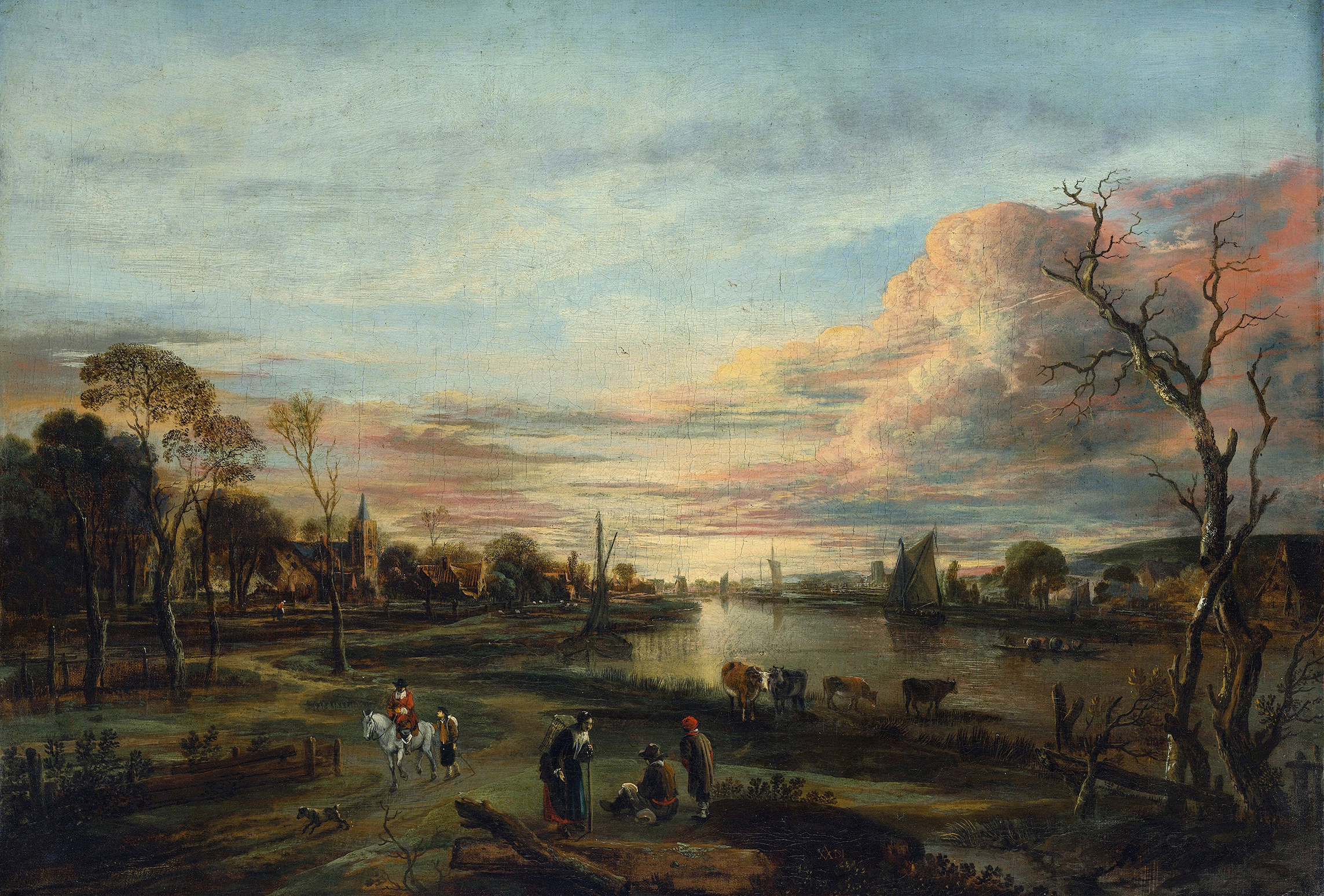
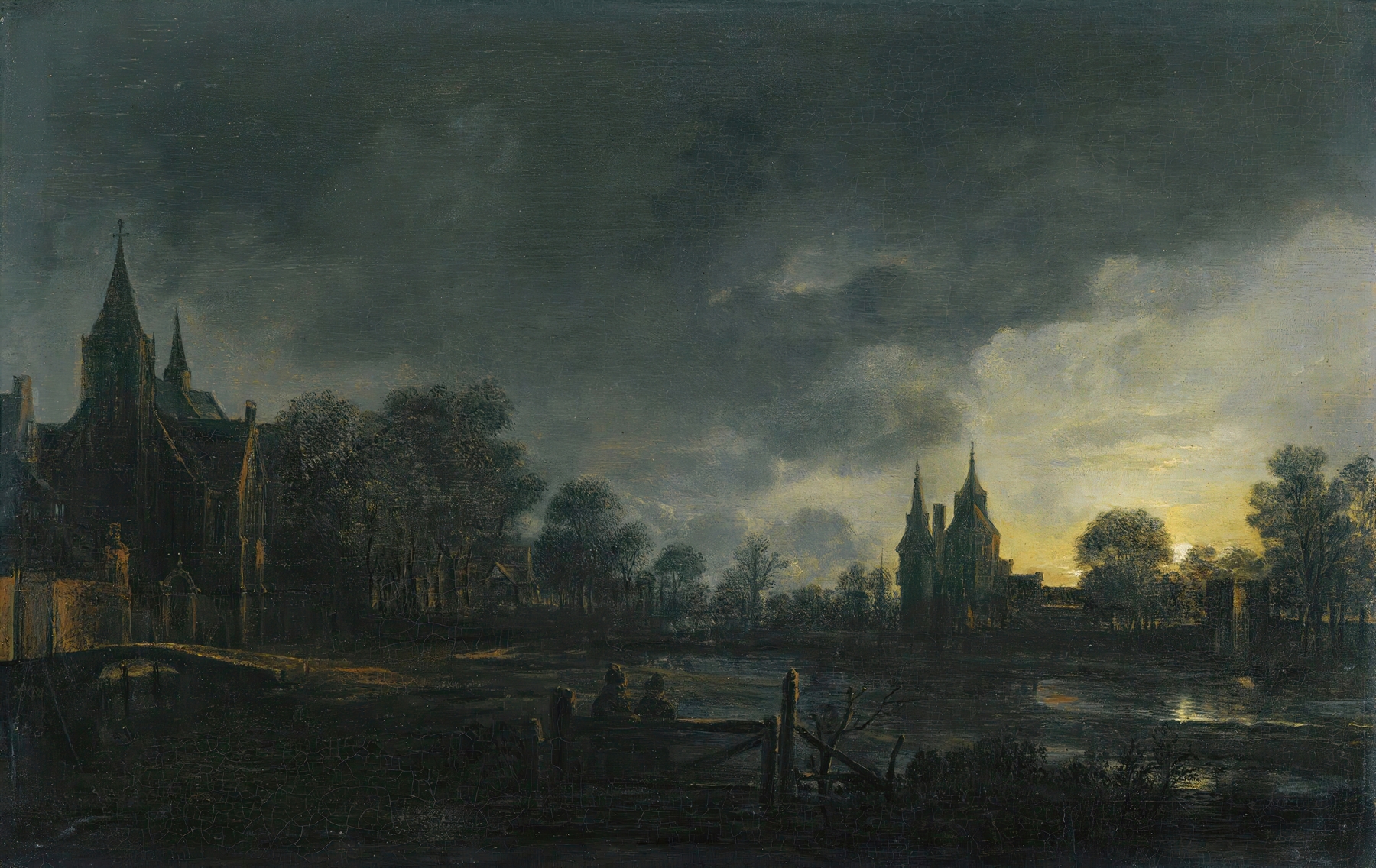
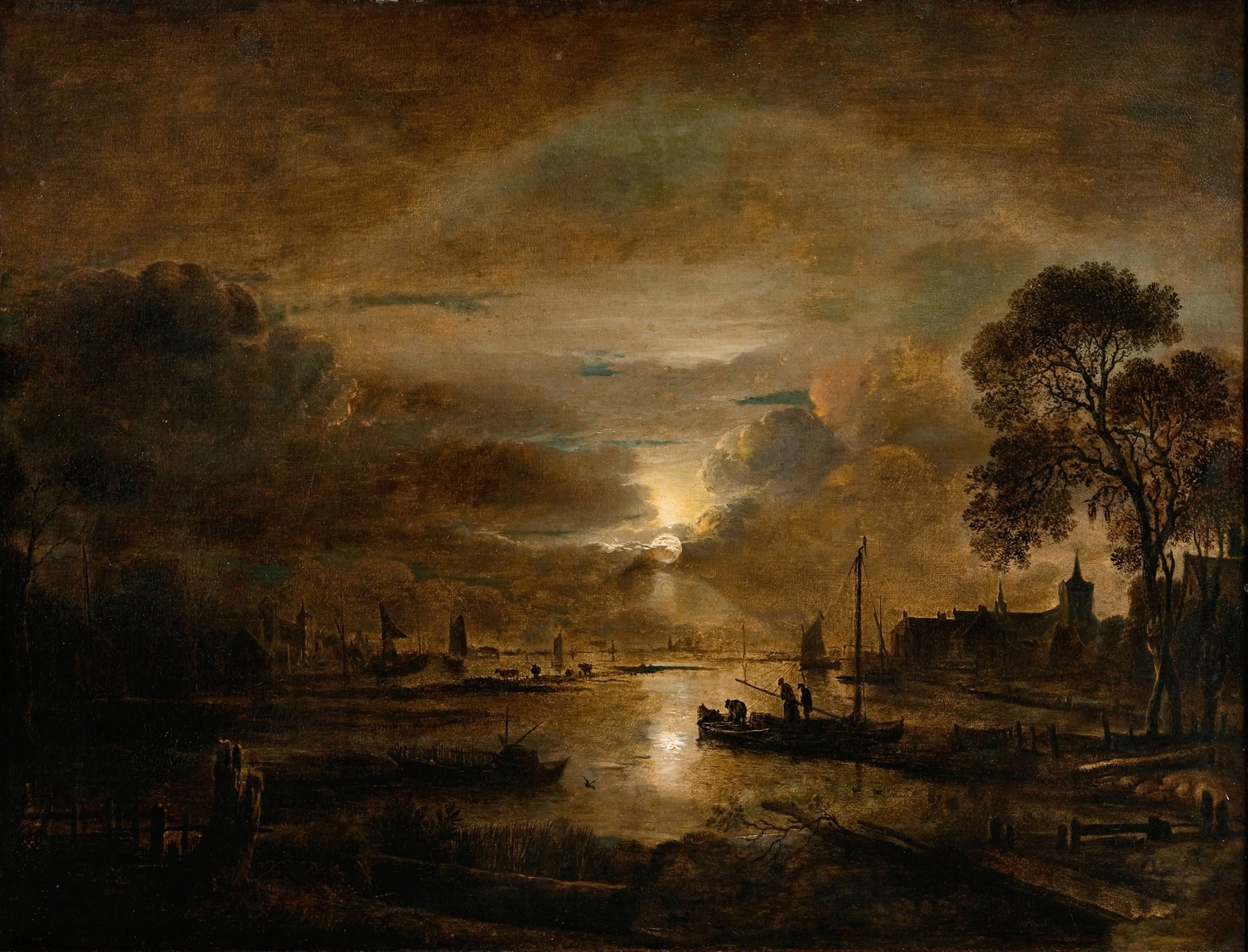
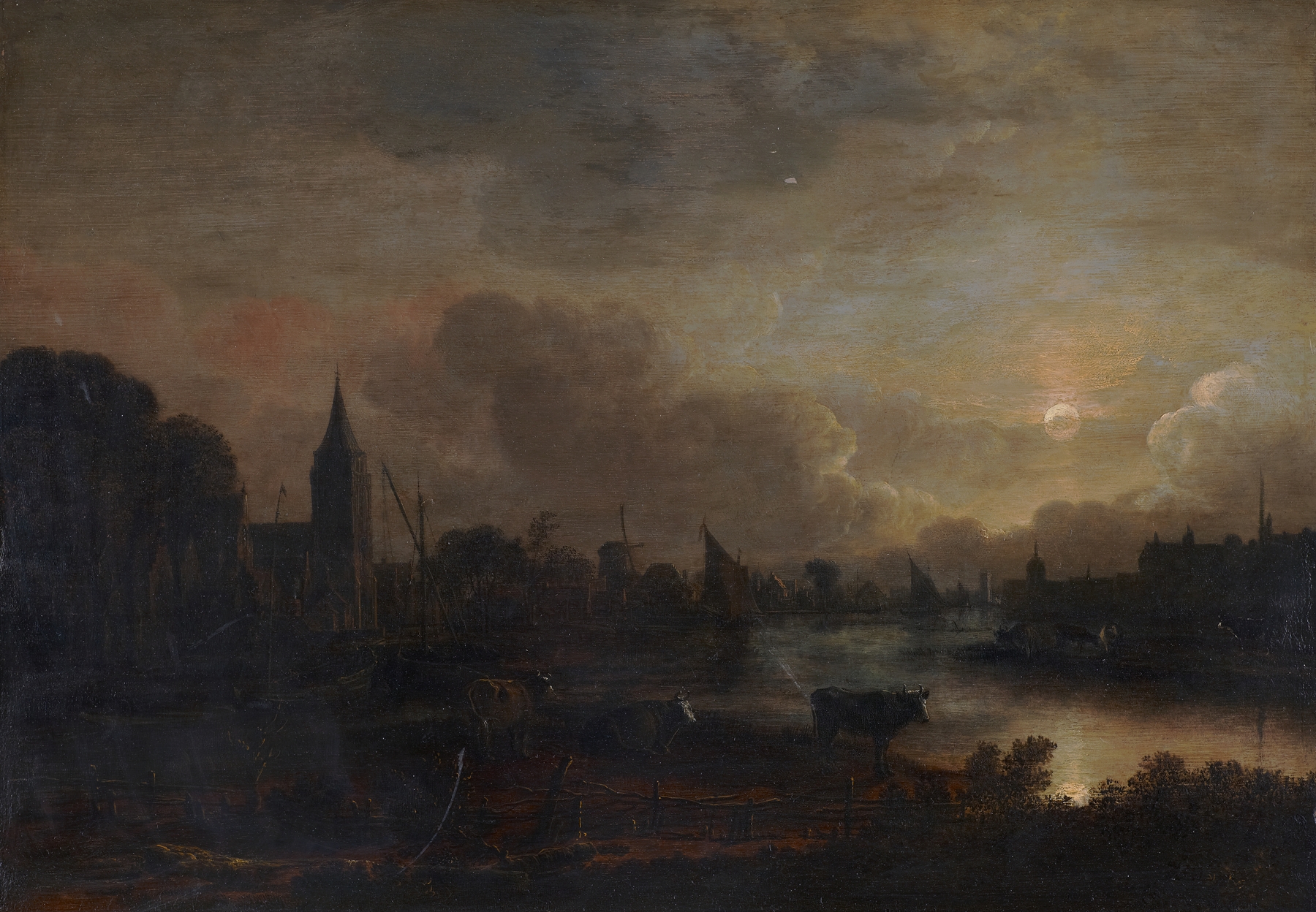
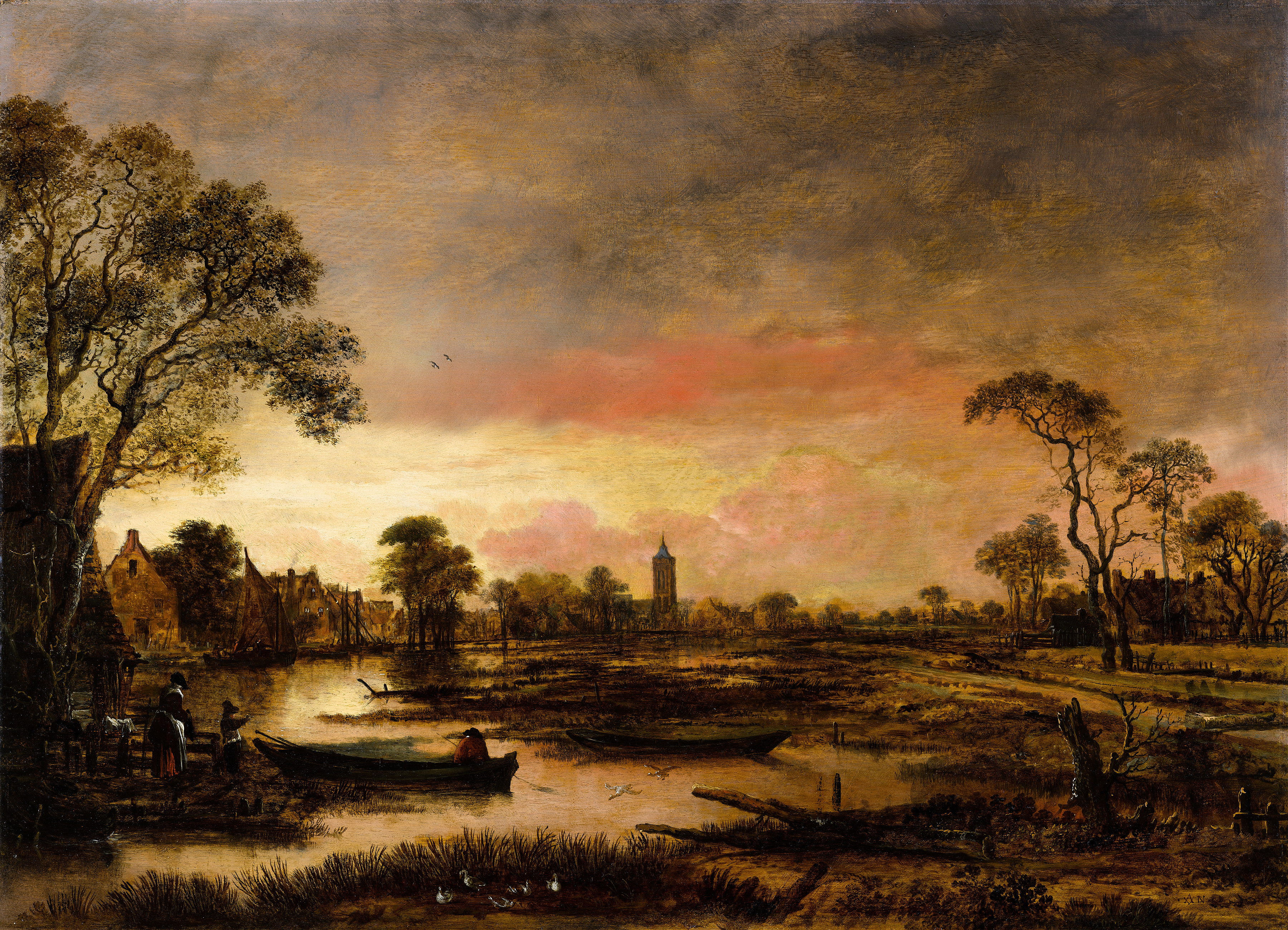
“Every brushstroke is a heartbeat remembered.” In a world so often defined by motion and noise, fragility finds its voice in stillness and reflection. Look to the center of the canvas, where the tranquil waters of the pond mirror the soft, muted colors of the surrounding landscape. The rich greens and browns blend seamlessly, offering a naturalistic harmony that invites you in. Notice how the light delicately caresses the surface of the water, creating a shimmering effect that dances with the breath of the wind.
The thick, textured strokes convey both the solidity of the earth beneath and the ethereal quality of the atmosphere above, bridging the tangible with the ephemeral. As you explore the perimeter of the scene, subtle details come to life: a solitary figure stands at the pond’s edge pondering, perhaps contemplating the deeper currents of existence. Wisps of mist rise from the water, evoking a sense of mystery and transience that contrasts with the steadfastness of the trees. The layers of paint create a palpable tension, suggesting that beauty and fragility coexist, reminding us that still moments can harbor profound emotional weight.
In the mid-17th century, Aert van der Neer painted this work during a period marked by the burgeoning Dutch Golden Age, where artists were exploring new landscapes and personal reflections through their art. Living in Amsterdam, he was influenced by the naturalistic styles of his contemporaries, as well as the shift toward more intimate and contemplative subjects. Village Pond stands out as a testament to his ability to capture fleeting moments of beauty amid the calmness of rural life.