
Violet and Silver—The Deep Sea — History & Facts
A broad expanse of deep blue sea fills the lower half of Violet and Silver—The Deep Sea, its surface broken only by a few small, white-crested waves that suggest gentle movement across the water. Above the horizon, the sky dominates the scene, layered with streaks of violet and silver-grey clouds that drift across a luminous blue background. The clouds are rendered with thick, visible touches of paint, their forms soft-edged and shifting, echoing the ever-changing nature of the sea below.
The composition is strikingly simple, divided almost evenly between sea and sky, with the horizon line running straight and low, anchoring the viewer’s gaze to the tranquil expanse. Brushwork is broad and loose, especially in the clouds and the sea’s surface, where thick strokes and visible pigment create a textured, almost atmospheric effect. Hints of violet and silver intermingle with blue throughout the painting, reinforcing the title and heightening the sense of shifting light and color.
No boats, birds, or human figures are present anywhere on the water or in the sky, emphasizing the emptiness of the scene. The lower right corner of the painting features a dark, irregular patch that stands out against the otherwise even blue of the sea. Near the top left edge, the blue sky transitions into a slightly warmer, brownish tone, suggesting a subtle shift in atmosphere.
The paint is thinly applied in places, allowing the texture of the canvas to show through, especially in the sky and along the edges. Some of the horizontal cloud bands are defined by loose, almost sketchy lines that create a sense of movement and layering in the sky.
Sources: Art Institute of Chicago, record 1955.743 · Wikidata Q20268184
More Artworks by James McNeill Whistler
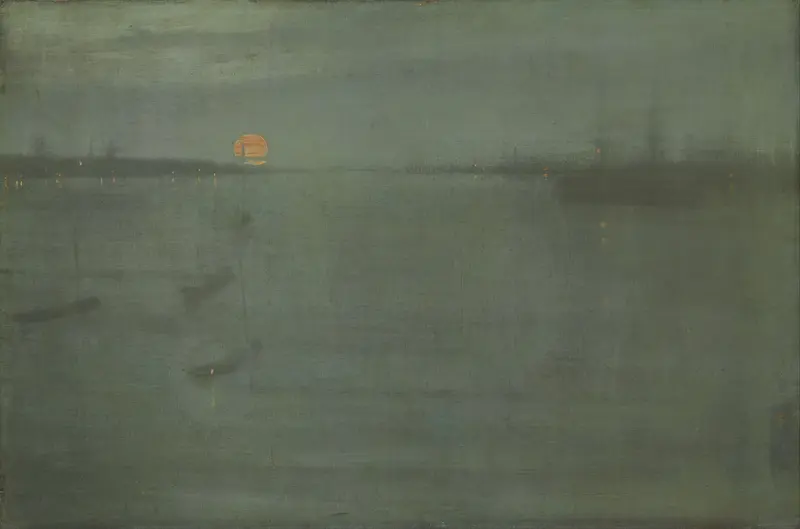
Nocturne: Blue and Gold—Southampton Water
James McNeill Whistler
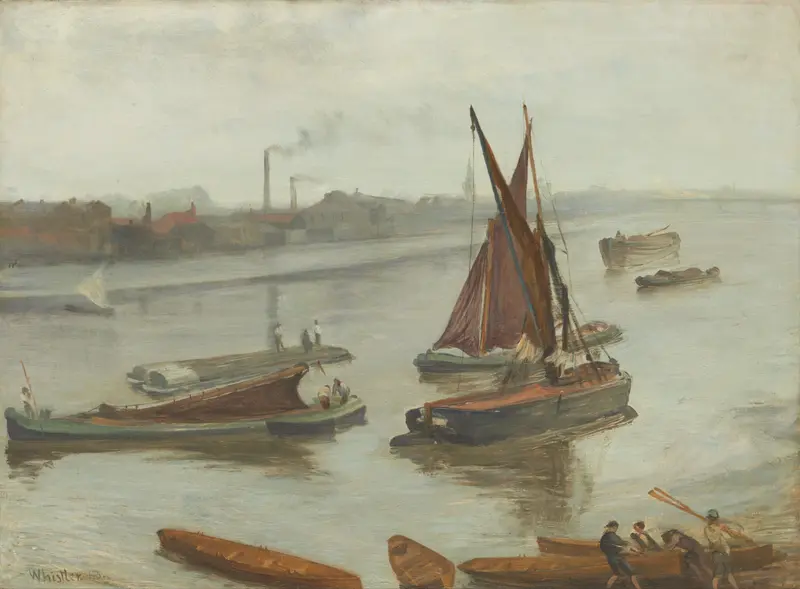
Grey and Silver: Old Battersea Reach
James McNeill Whistler
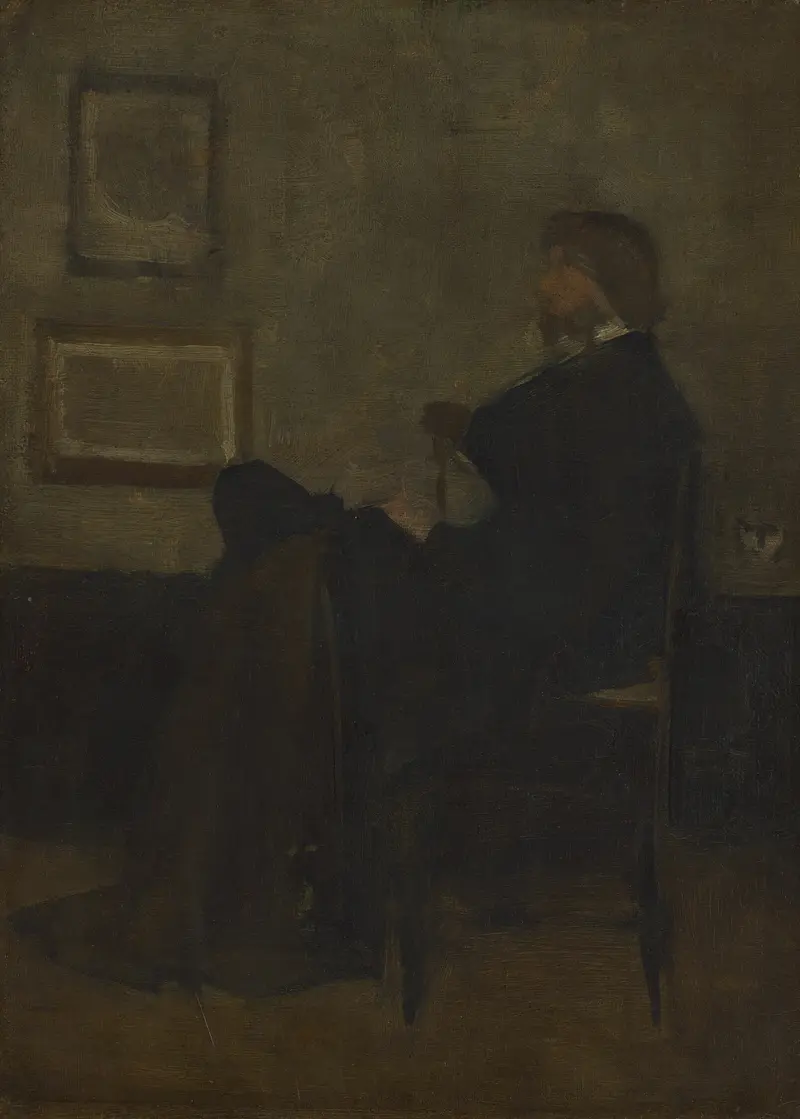
Study for "Arrangement in Grey and Black, No. 2: Portrait of Thomas Carlyle"
James McNeill Whistler
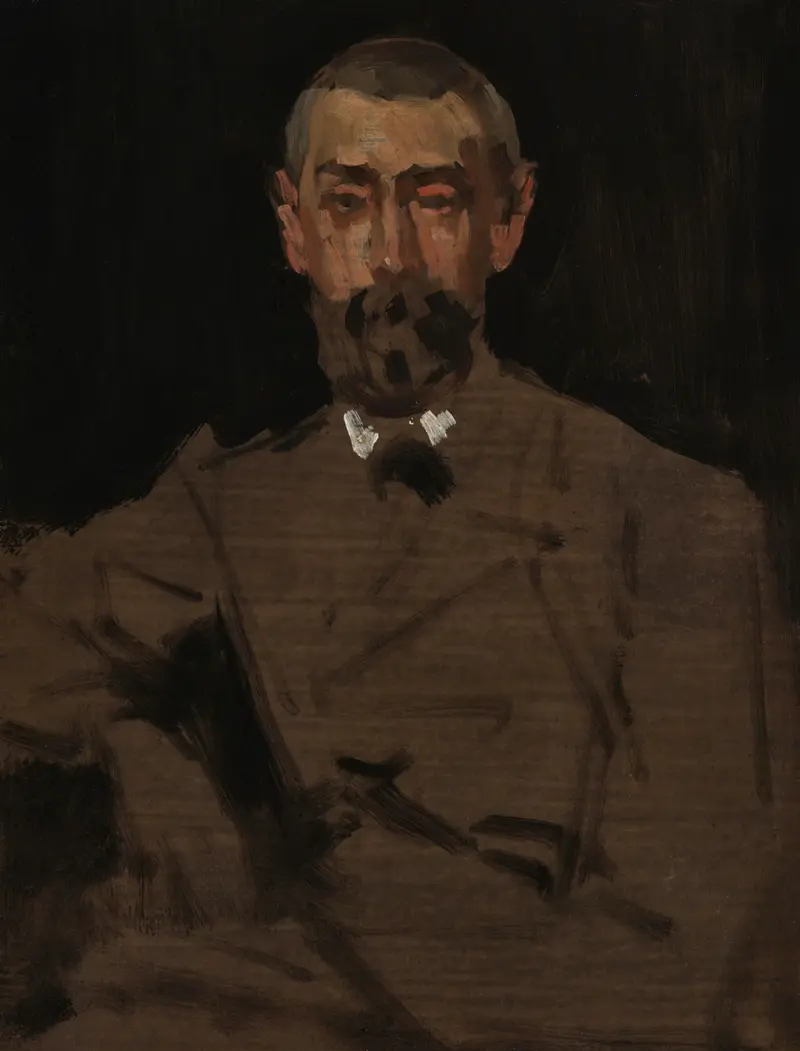
Portrait of M. R. Elden
James McNeill Whistler

The Princess from the Land of Porcelain
James McNeill Whistler
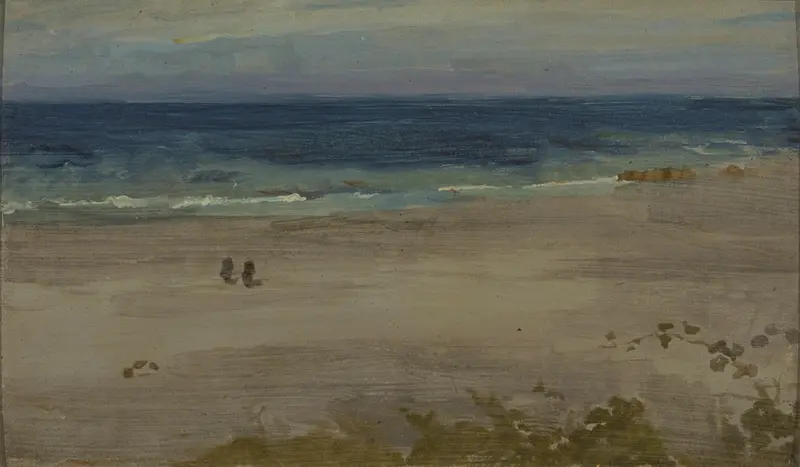
The Blue Sea
James McNeill Whistler
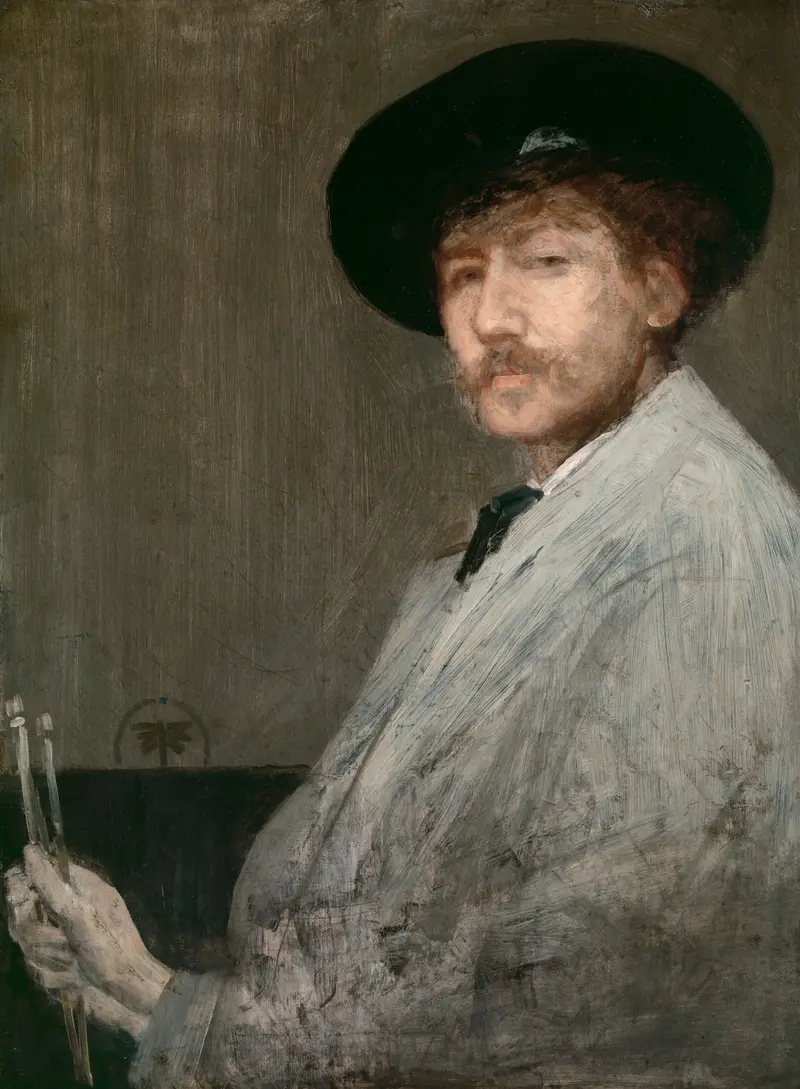
Arrangement in Gray: Portrait of the Painter
James McNeill Whistler
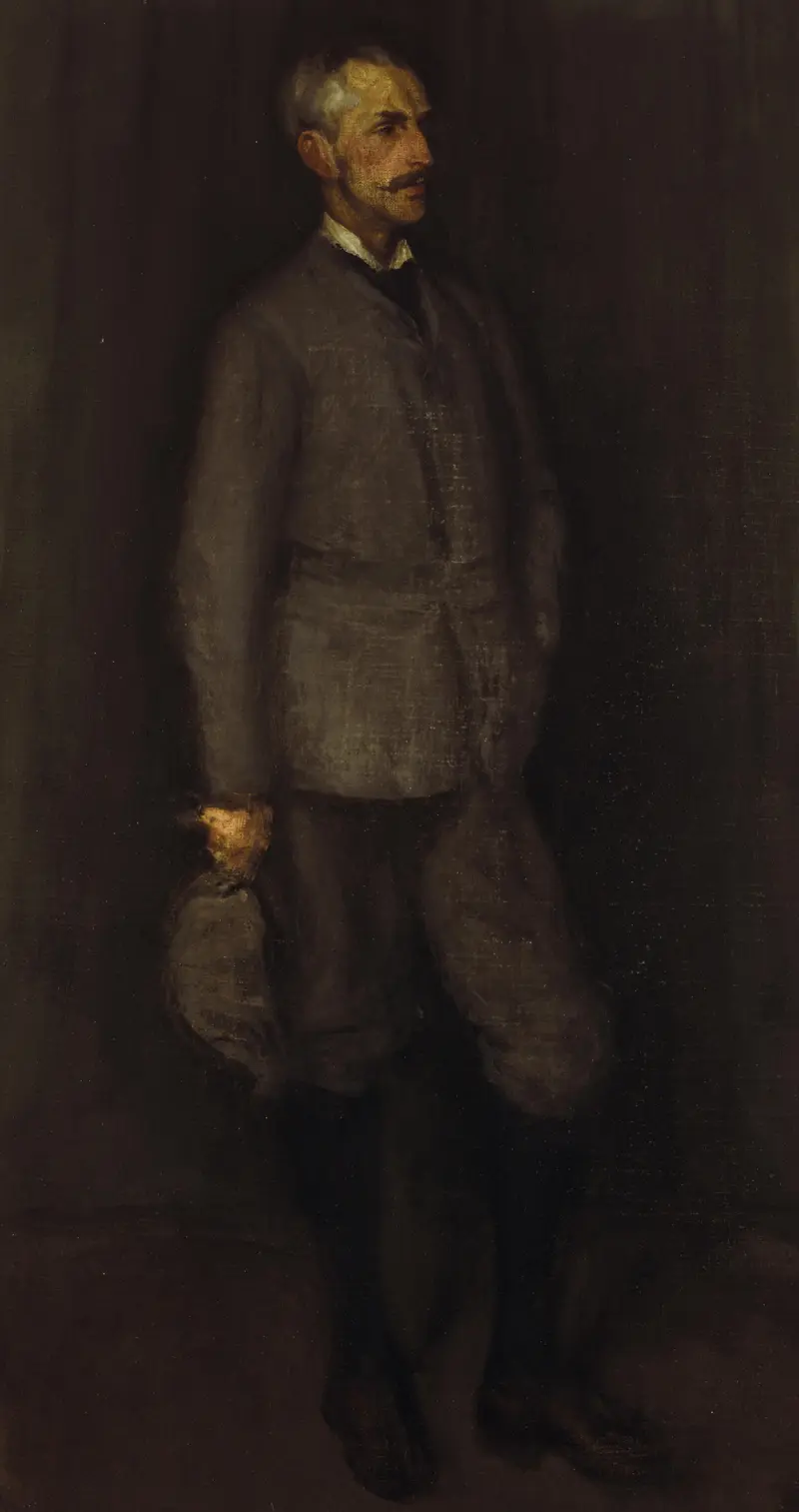
Arrangement in Grey and Green. Portrait of John James Cowan
James McNeill Whistler
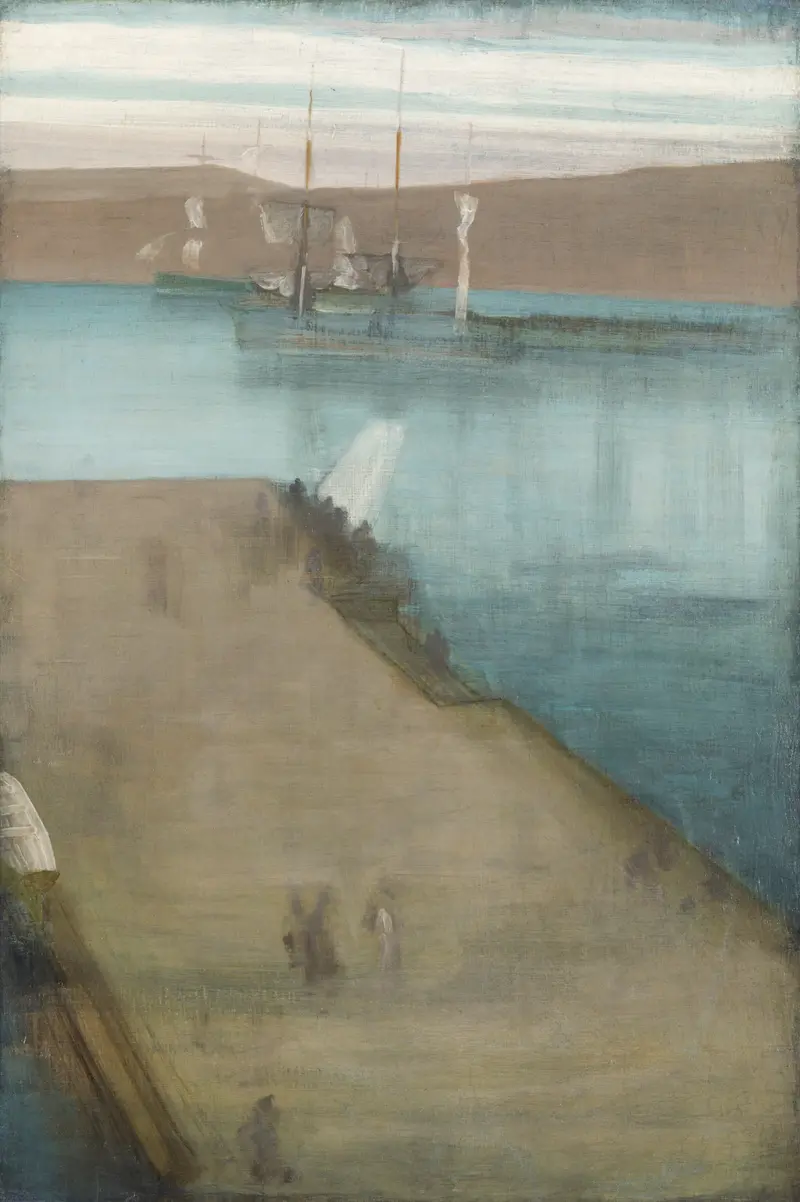
Valparaiso Harbor
James McNeill Whistler
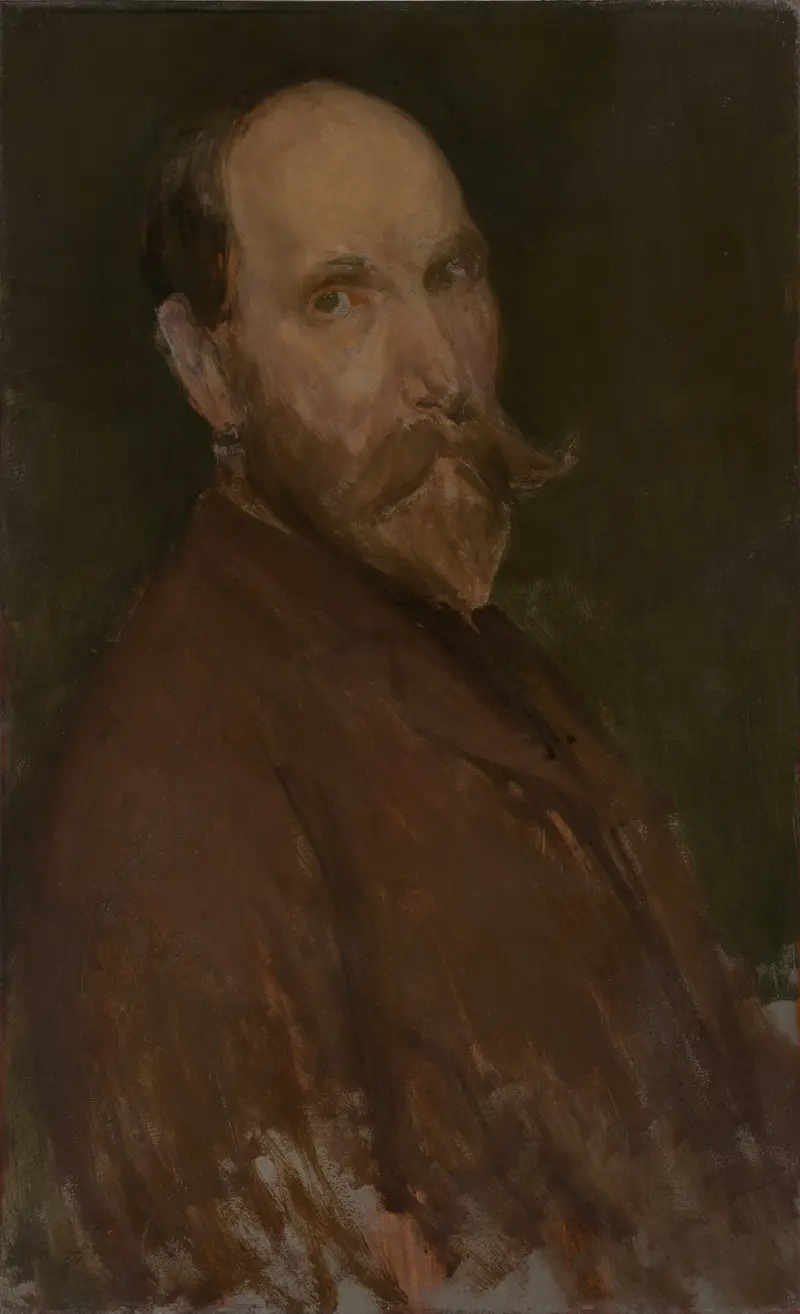
Charles Lang Freer
James McNeill Whistler





