Zugeschrieben – Klosterruine Allerheiligen bei Oppenau im Lierbachtal (Schwarzwald) — History & Analysis
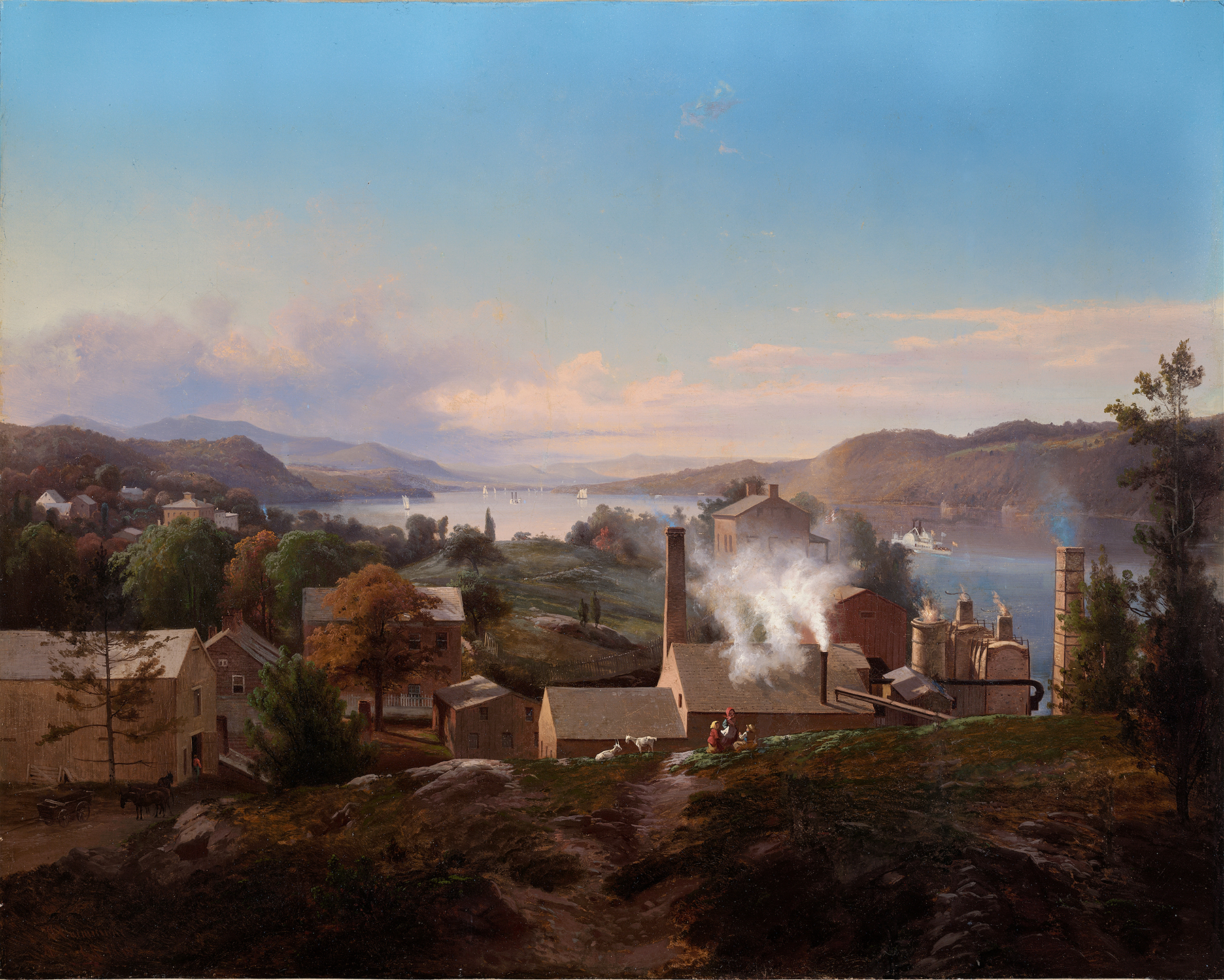
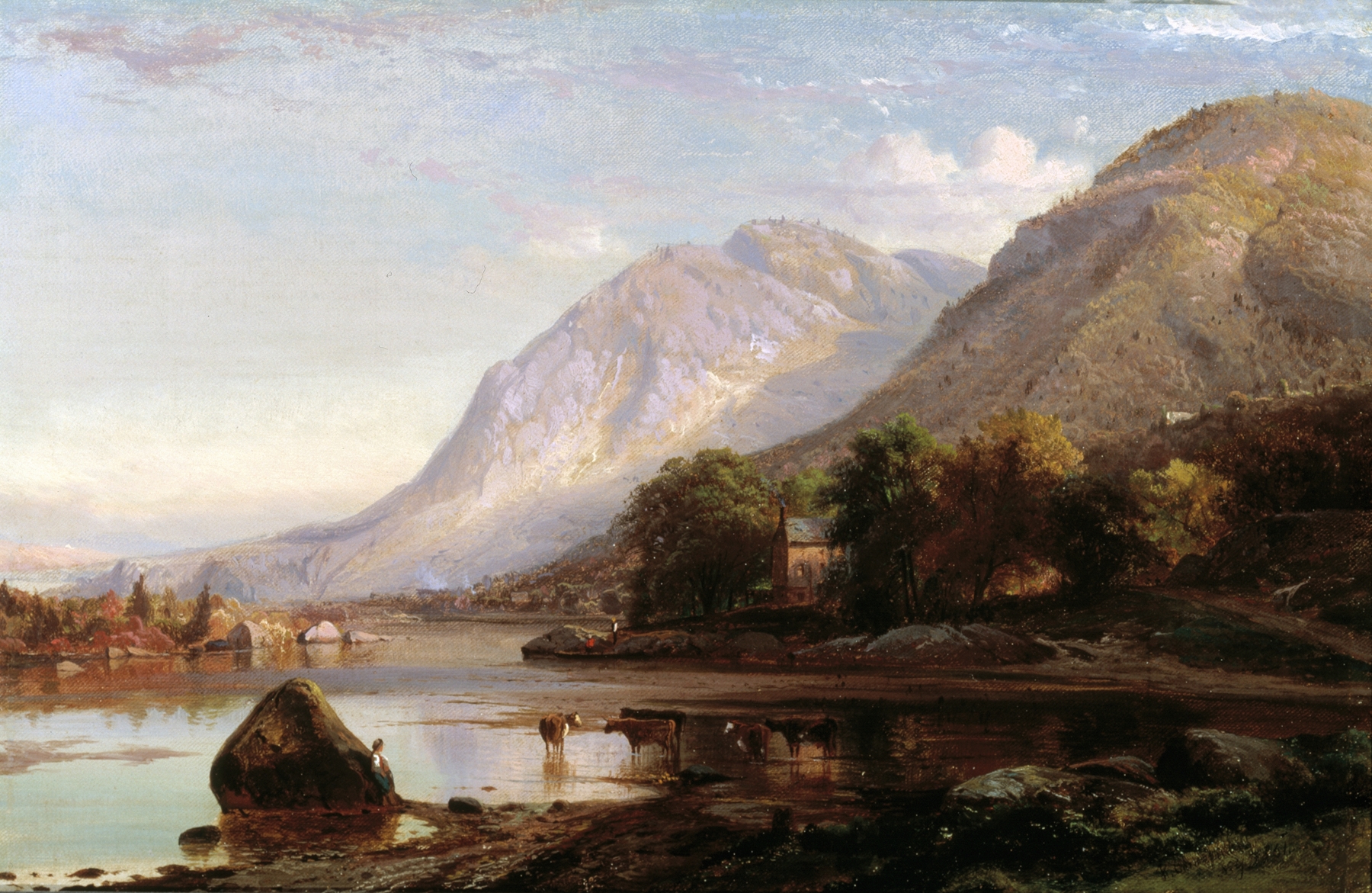
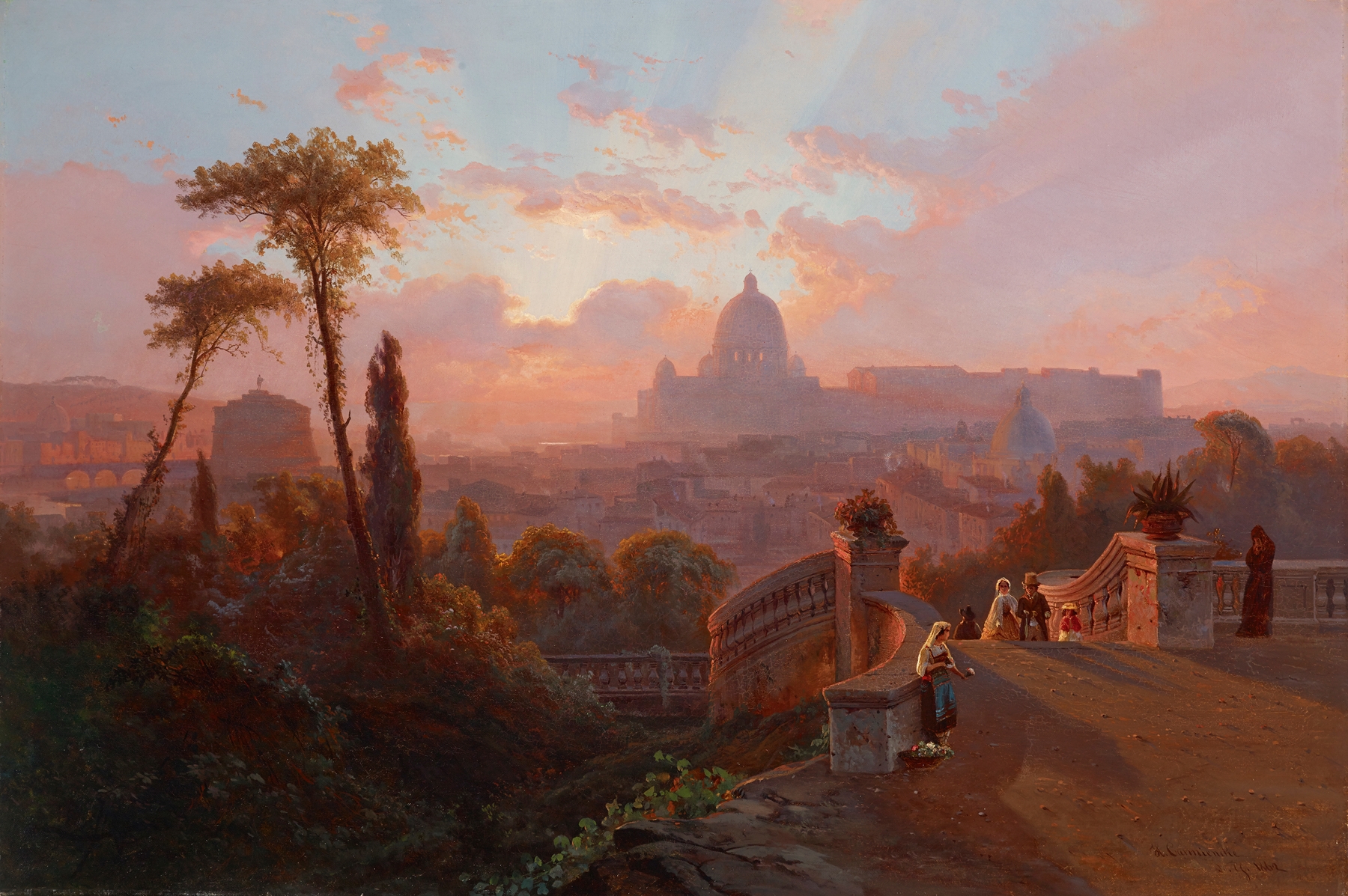
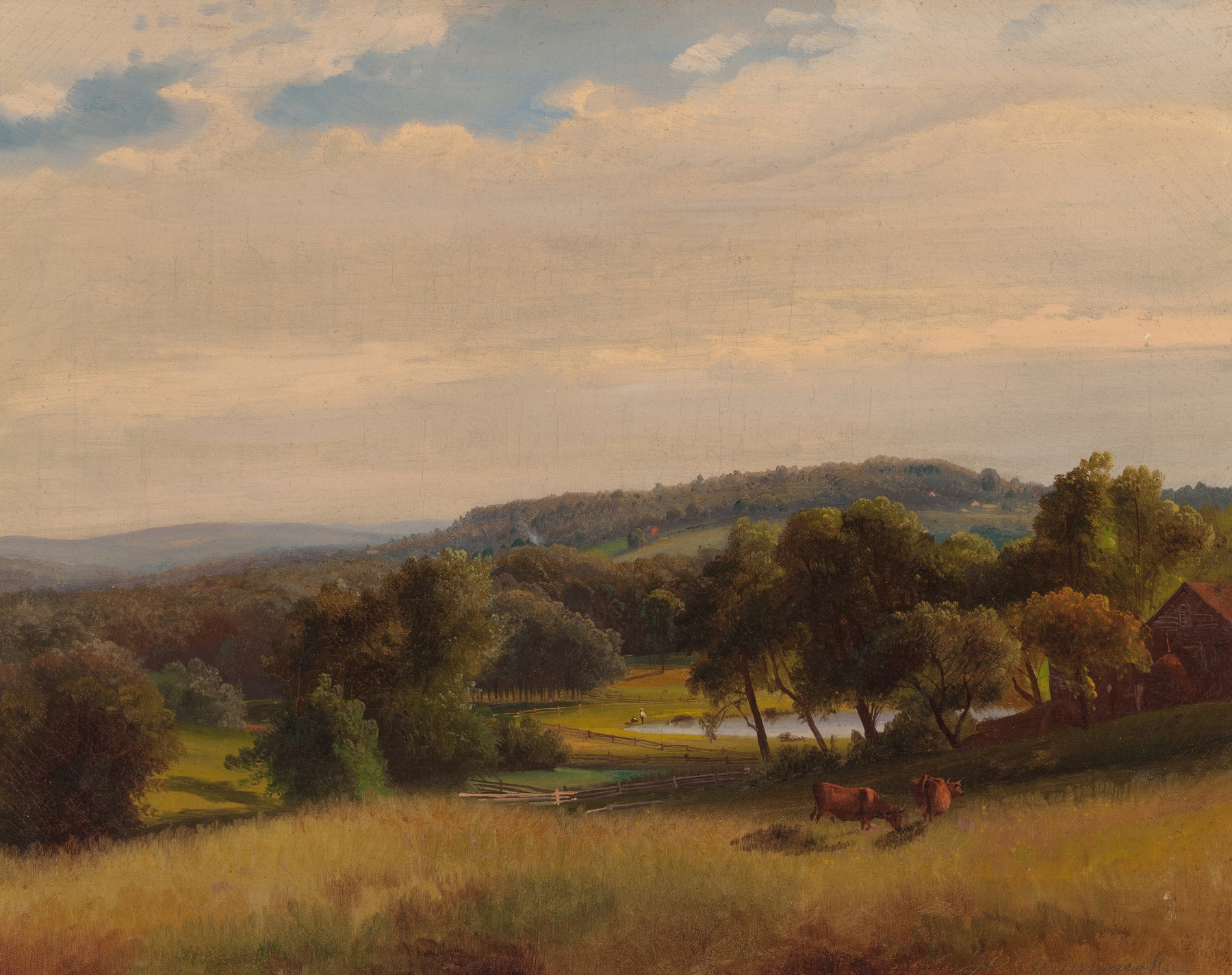
“Between color and silence, truth hides.” In the delicate balance of light and shadow, a legacy emerges, whispering stories of nature and time. Look to the left at the weathered stones of the cloister, their muted grays and browns telling tales of decay yet inviting reverence. Notice how the soft greens of the surrounding forest embrace the ruins, creating a tapestry of life that contrasts with the stark remnants of human endeavor. The artist’s deft brushwork captures a tranquil moment, where every leaf seems to breathe, and light filters through the trees, guiding your gaze towards the stillness of the past.
Beneath the surface, layers of meaning intertwine—a dialogue between nature's resilience and the fragility of human constructions. The juxtaposition of vibrant foliage against the somber remains reflects the transient nature of legacy; what was once a thriving monastery now serves as a mere echo in the landscape. The absence of human presence hints at solitude and contemplation, urging us to ponder the impermanence of our own creations.
Created in 1840, this piece emerged from Johann Hermann Carmiencke’s exploration of the Romantic movement in Germany, a time marked by an emphasis on emotion and the sublime beauty of nature. Living in an era of industrial change, he sought solace and inspiration in ancient ruins, capturing both the nostalgia and majesty of the past. His work resonates with a longing for connection—a deep appreciation for the stories held within the landscapes that shape our history.