
Scopri informazioni su quest'opera
The Typhoon (Nowaki), Illustration to Chapter 28 of the Tale of Genji (Genji monogatari) — Storia e analisi
Where does light end, and longing begin? The interplay of illumination and emotional depth captures a fleeting moment that resonates beyond time, drawing us into a world rich with nostalgia. Begin by looking closely at the delicate strokes that define the figures in The Typhoon. Notice how the soft hues of blue and green wash over the scene, imbuing it with a serene yet tumultuous atmosphere. Focus on the faces of the characters, their expressions reflecting a deep connection to both the natural and the supernatural.
The subtle gradations of color enhance the ethereal quality of the storm, while the flowing lines conjure the movement of the winds, making the viewer feel the tension that lies within the impending chaos. Delve deeper, and you may find contrasting emotions woven into the fabric of this composition. The serene faces, framed by the raging winds, evoke a sense of longing for calm amidst turmoil. The juxtaposition of stability against the backdrop of chaos reflects a universal struggle—the yearning for tranquility in an unpredictable world.
Each detail, from the fluttering garments to the darkening skies, underscores the weight of nostalgia, hinting at lost moments before the tempest. Tosa Mitsunobu created this piece during the Muromachi period, around 1509-1510. At this time, he was a prominent figure in the tradition of Japanese painting, where he integrated elements of literature and visual art. As the political landscape of Japan shifted, so too did the artistic expressions, with a renewed focus on capturing emotional depth through elegant and intricate imagery, evident in this illustration from the seminal Tale of Genji.
Altre opere di Tosa Mitsunobu
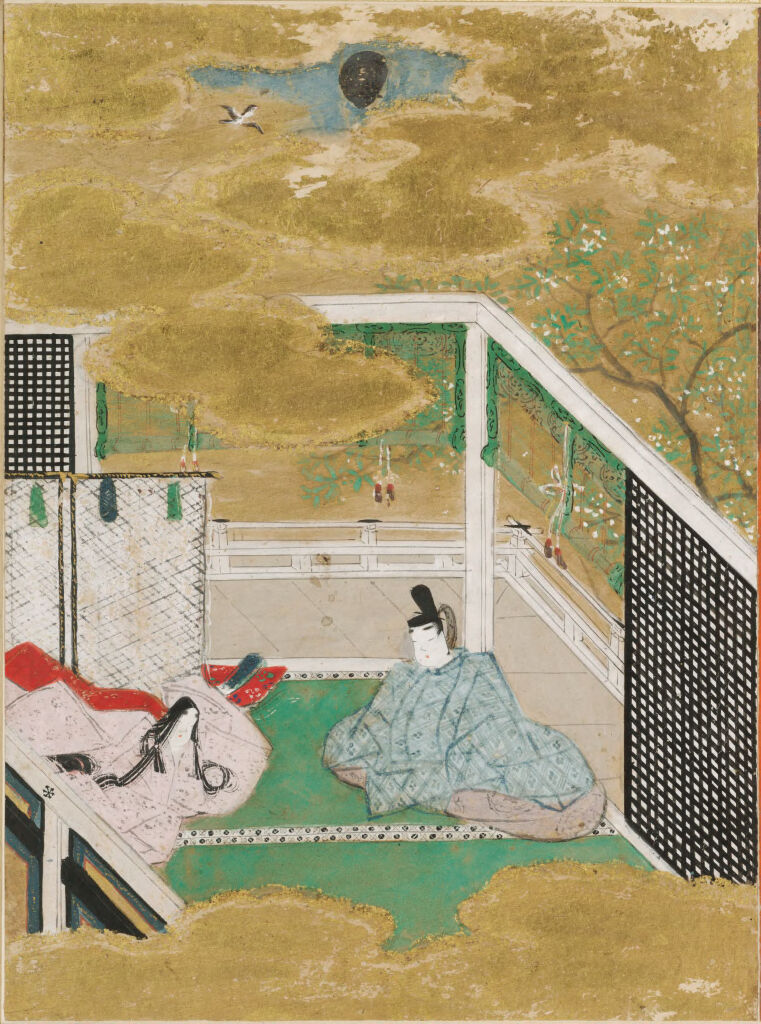
Falling Flowers (Hanachirusato), Illustration to Chapter 11 of the Tale of Genji (Genji monogatari)
Tosa Mitsunobu
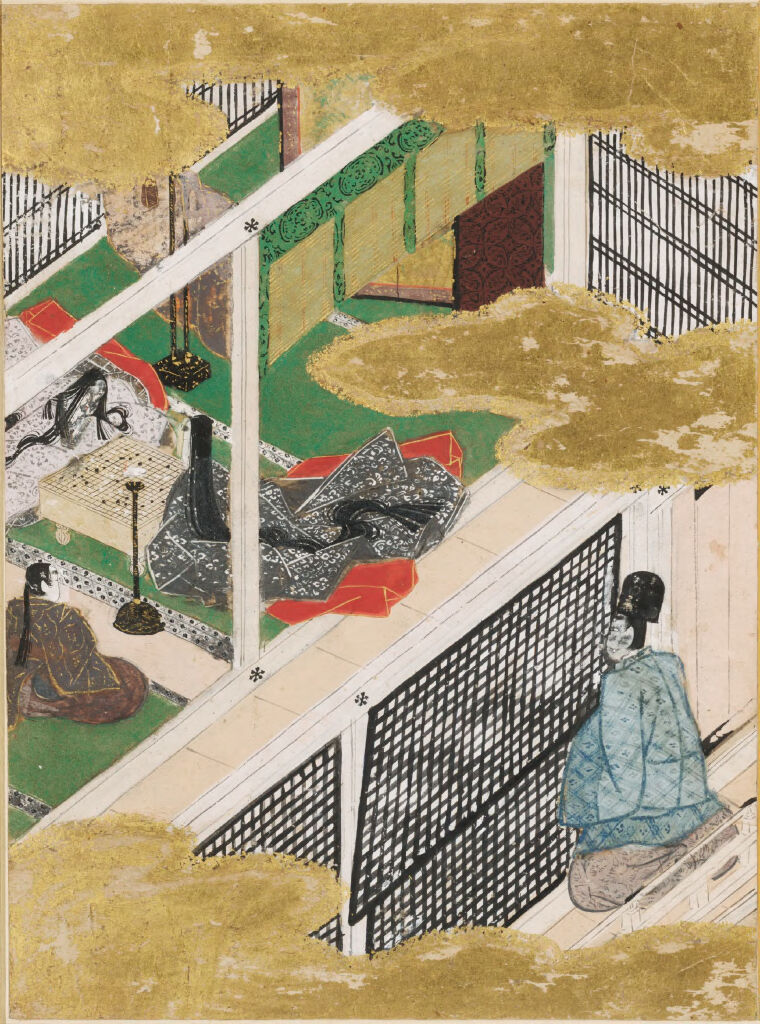
The Cicada Shell (Utsusemi), Illustration to Chapter 3 of the Tale of Genji (Genji monogatari)
Tosa Mitsunobu
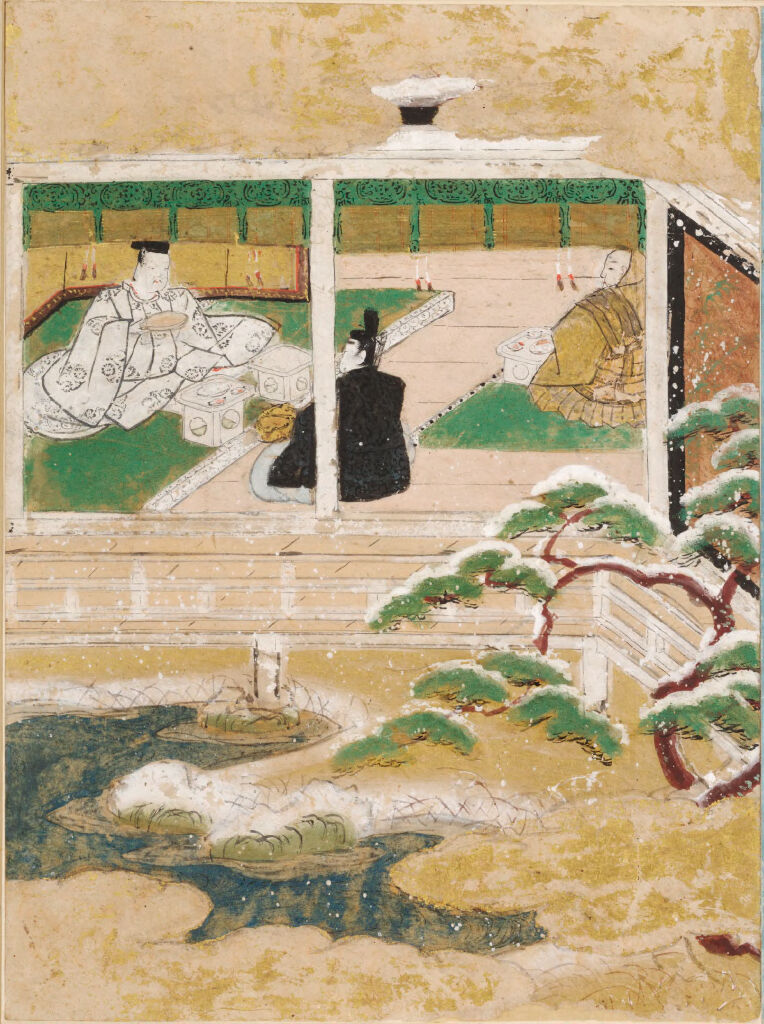
The Seer (Maboroshi), Illustration to Chapter 41 of the Tale of Genji (Genji monogatari)
Tosa Mitsunobu
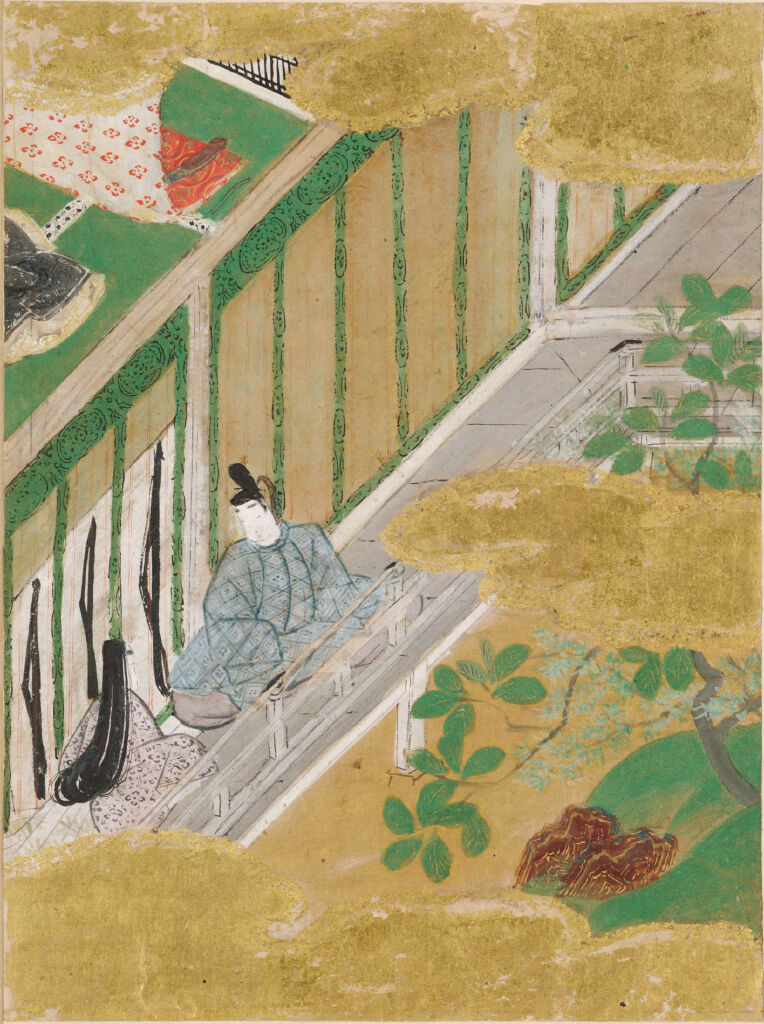
The Oak Tree (Kashiwagi), Illustration to Chapter 36 of the Tale of Genji (Genji monogatari)
Tosa Mitsunobu
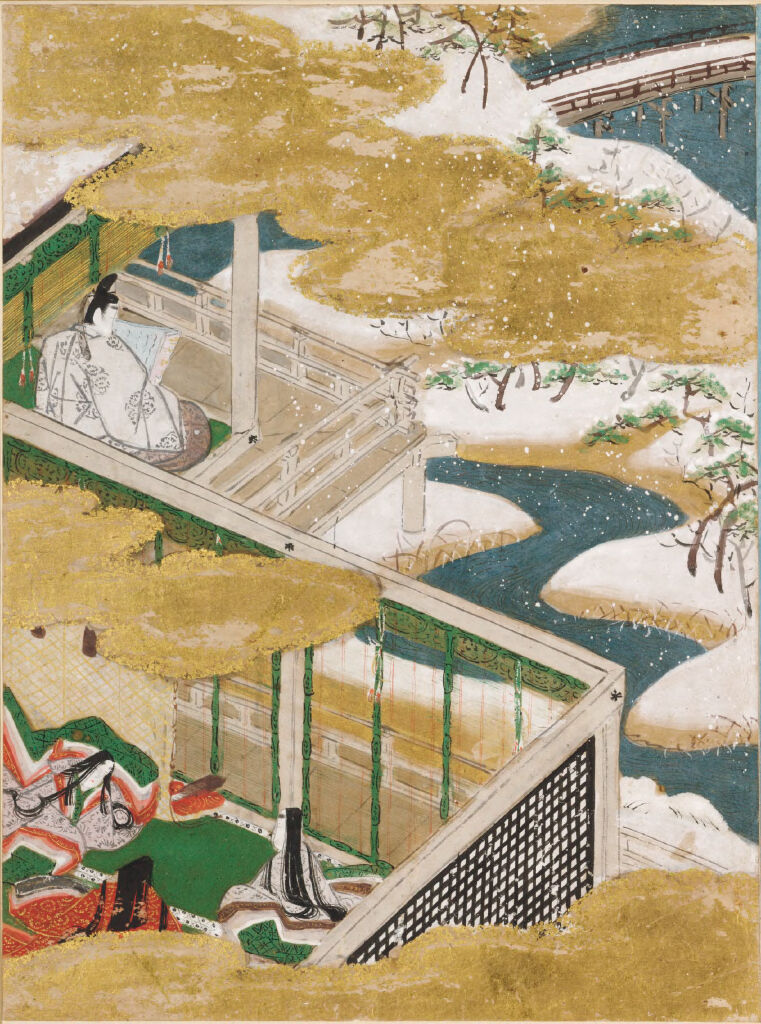
Beneath the Oak (Shiigamoto), Illustration to Chapter 46 of the Tale of Genji (Genji monogatari)
Tosa Mitsunobu
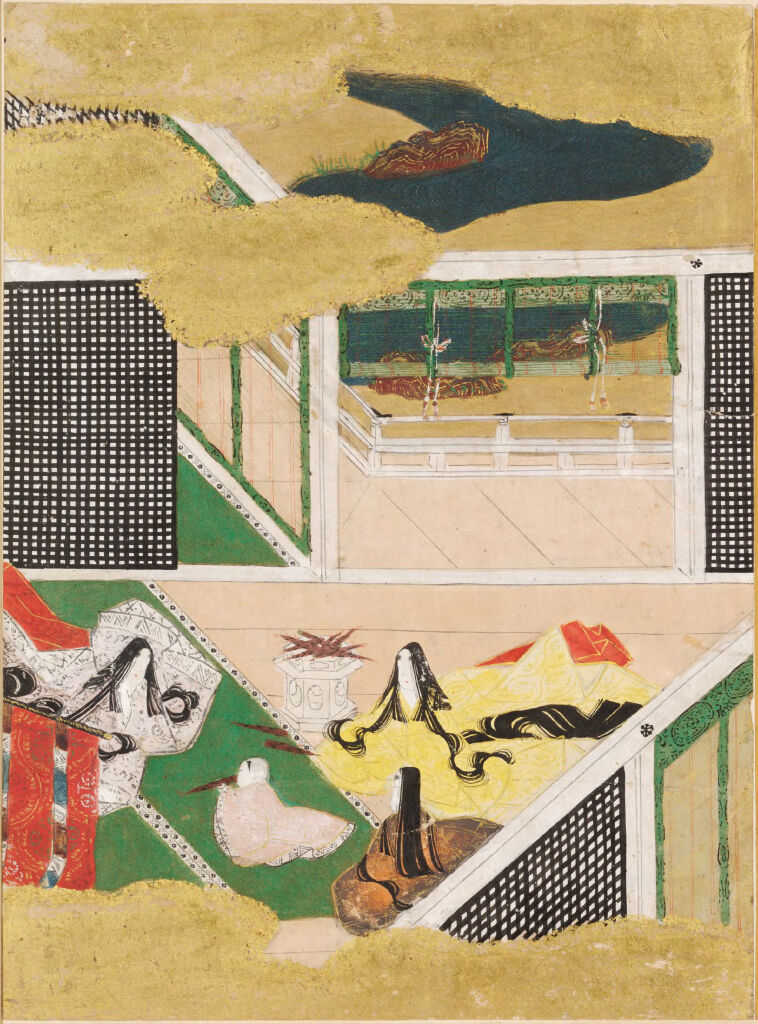
The Flute (Yokobue), Illustration to Chapter 37 of the Tale of Genji (Genji monogatari)
Tosa Mitsunobu
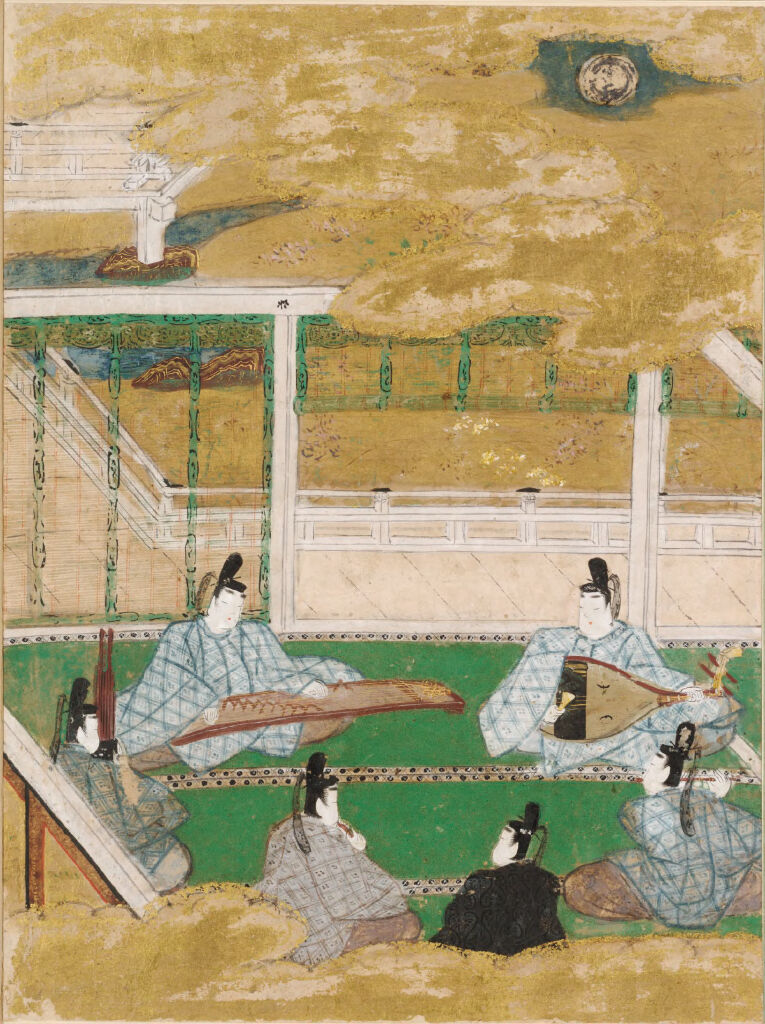
The Bell Cricket (Suzumushi), Illustration to Chapter 38 of the Tale of Genji (Genji monogatari)
Tosa Mitsunobu
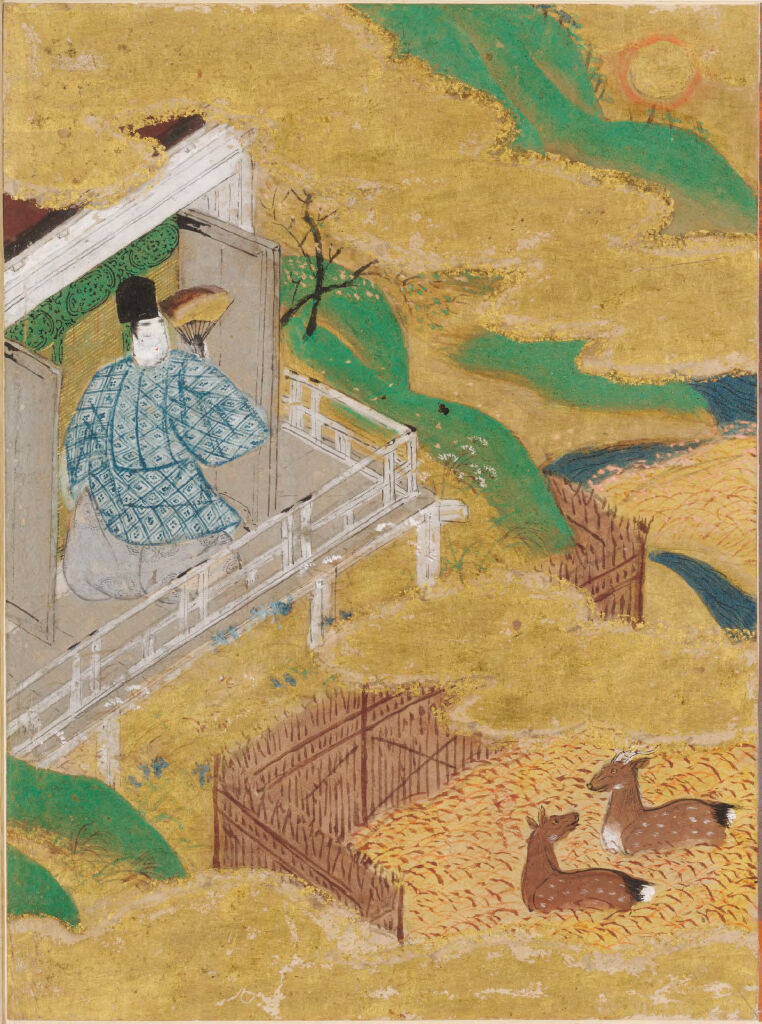
Evening Mist (Yūgiri), Illustration to Chapter 39 of the Tale of Genji (Genji monogatari)
Tosa Mitsunobu
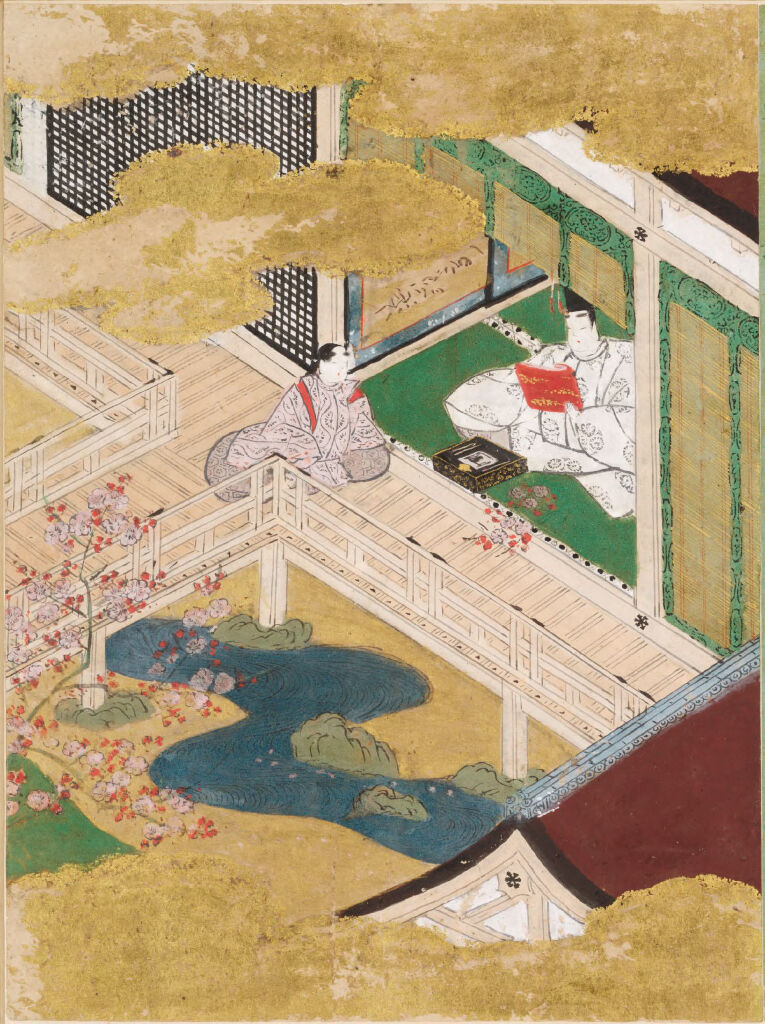
Red Plum Blossoms (Kōbai), Illustration to Chapter 43 of the Tale of Genji (Genji monogatari)
Tosa Mitsunobu
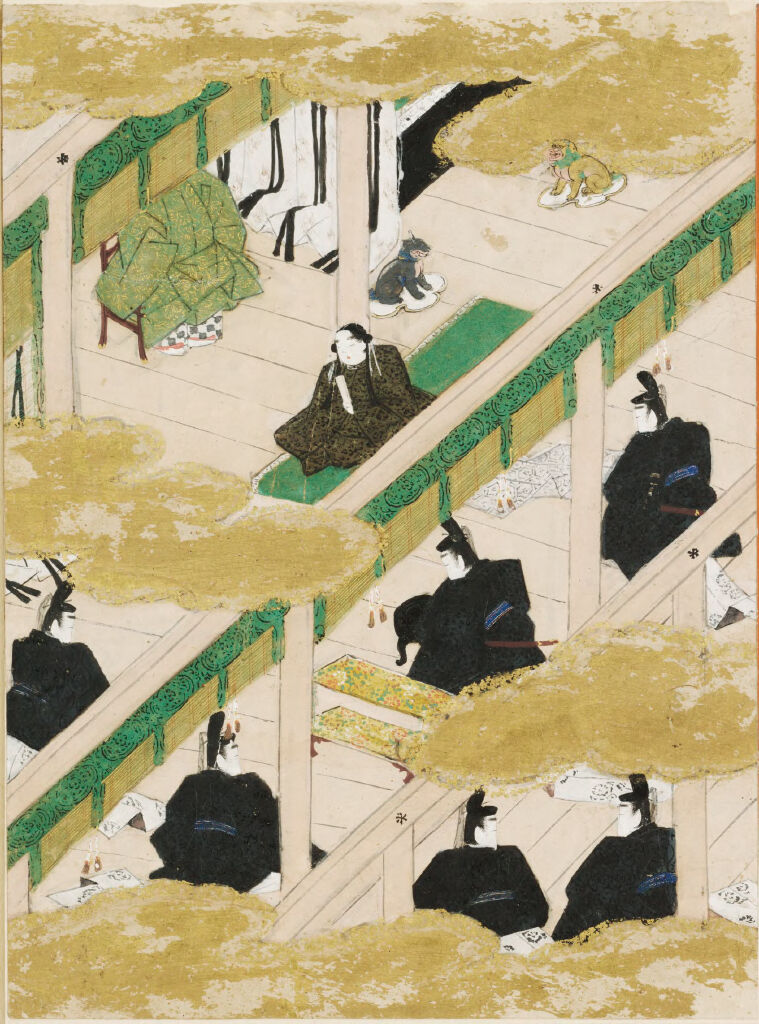
The Paulownia Pavilion (Kiritsubo), Illustration to Chapter 1 of the Tale of Genji (Genji monogatari)
Tosa Mitsunobu
Più arte di Illustrazione
Falling Flowers (Hanachirusato), Illustration to Chapter 11 of the Tale of Genji (Genji monogatari)
Tosa Mitsunobu
The Cicada Shell (Utsusemi), Illustration to Chapter 3 of the Tale of Genji (Genji monogatari)
Tosa Mitsunobu
The Seer (Maboroshi), Illustration to Chapter 41 of the Tale of Genji (Genji monogatari)
Tosa Mitsunobu
The Oak Tree (Kashiwagi), Illustration to Chapter 36 of the Tale of Genji (Genji monogatari)
Tosa Mitsunobu
Beneath the Oak (Shiigamoto), Illustration to Chapter 46 of the Tale of Genji (Genji monogatari)
Tosa Mitsunobu
The Flute (Yokobue), Illustration to Chapter 37 of the Tale of Genji (Genji monogatari)
Tosa Mitsunobu