
Abraham and Isaac — História e Análise
What if beauty was never meant to be finished? In Abraham and Isaac, the fragility of faith and the precipice of despair are captured with haunting delicacy. Look to the center where Abraham stands, poised with a knife, his expression a storm of anguish and resolve. The sharp contrast of light and shadow envelops him, guiding your gaze through the dramatic chiaroscuro that Rembrandt mastered so well. Notice how the warm glow on Isaac’s skin contrasts with the cold, dark earth beneath them, heightening the emotional gravity of the moment.
Each brushstroke evokes a palpable tension, inviting us to linger in the heartbeat before the impending sacrifice. Delve deeper into the interaction between father and son, where devotion clashes with the unbearable weight of impending loss. The innocence in Isaac's wide eyes belies the horror of his circumstance, while Abraham’s hand trembles, embodying the fragility of parental love intertwined with divine command. The absence of an overt background allows the viewer to confront this intimate drama directly, making the quiet stillness of the scene resonate with overwhelming significance. Rembrandt painted this piece in 1645 while living in Amsterdam, a time when his career was marked by both financial strain and artistic innovation.
With the backdrop of an evolving Baroque style, he challenged conventions by emphasizing human emotion over mere narrative. In this work, the artist explored profound themes of faith and sacrifice, framing them against the complexities of his own turbulent life experiences.
Mais obras de Rembrandt van Rijn
Ver tudo →
The Night Watch Militia Company of District II under the Command of Captain Frans Banninck Cocq
Rembrandt van Rijn

The Return of the Prodigal Son
Rembrandt van Rijn

The Hundred Guilder Print: the figures leaning on the wall in the centre left
Rembrandt van Rijn

The Hundred Guilder Print: the central piece with Christ preaching, the plate arched
Rembrandt van Rijn

Isaac and Rebecca, Known as ‘The Jewish Bride’
Rembrandt van Rijn
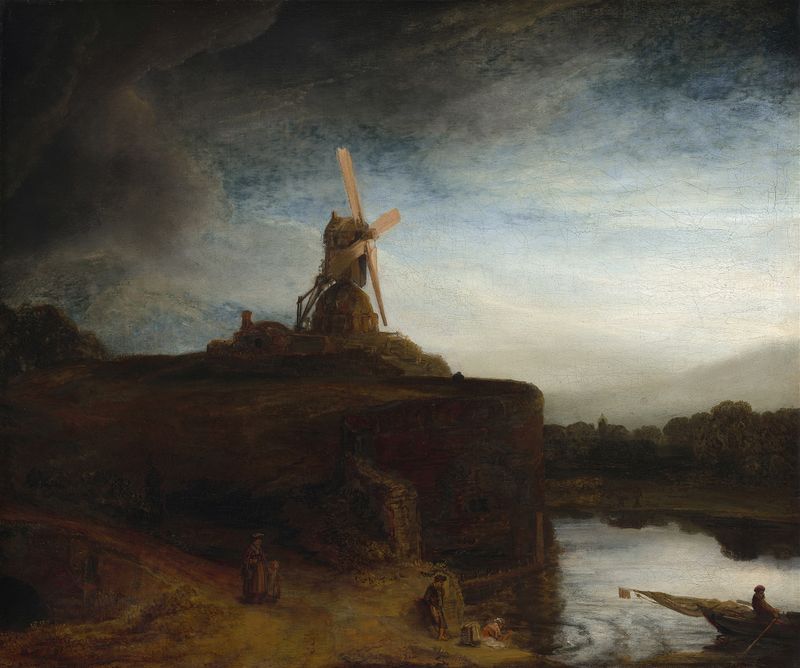
The Mill
Rembrandt van Rijn

The Sampling Officials of the Amsterdam Drapers’ Guild, Known as ‘The Syndics’
Rembrandt van Rijn

The return of the prodigal son
Rembrandt van Rijn
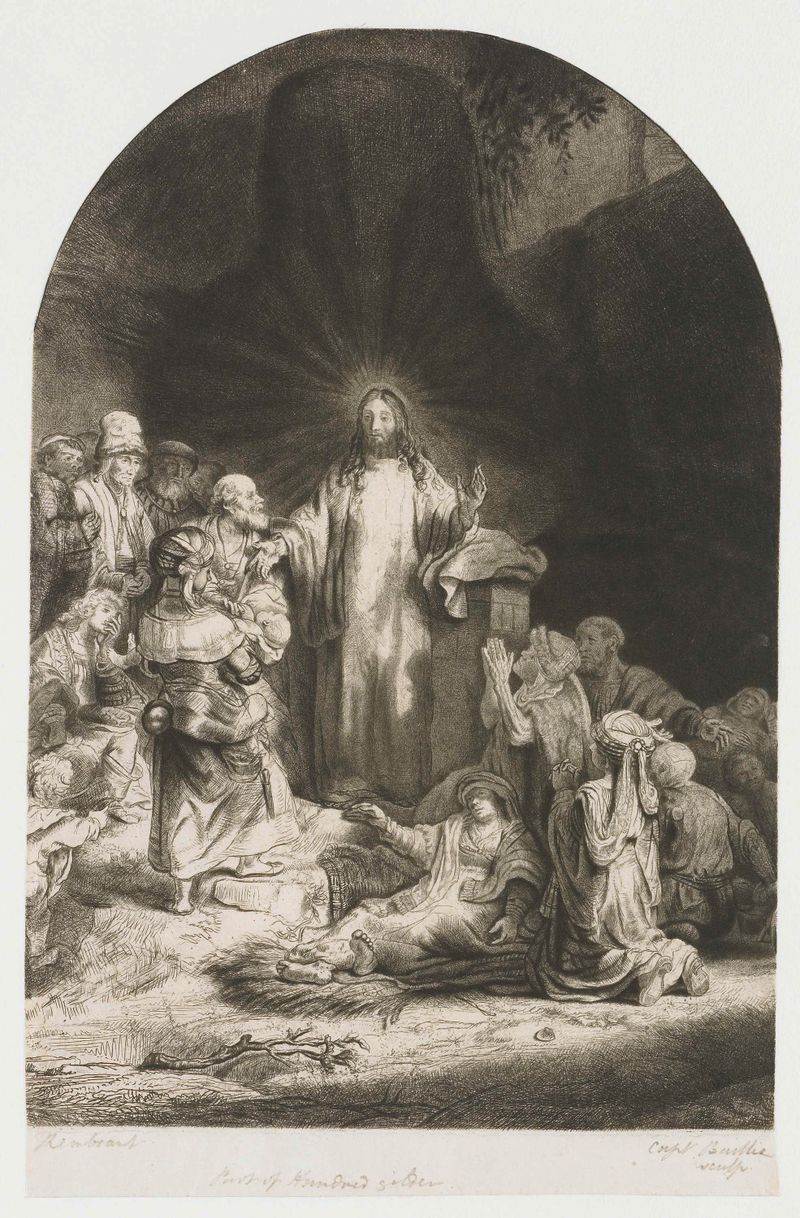
The Hundred Guilder Print: the central piece with Christ preaching, the plate arched
Rembrandt van Rijn

The Hundred Guilder Print: the man seen on the back in the lower left corner
Rembrandt van Rijn
Mais arte de Arte Religiosa
Ver tudo →The Return of the Prodigal Son
Rembrandt van Rijn

The Garden of Earthly Delights
El Bosco

Count Orgaz’ funeral
El Greco
The Hundred Guilder Print: the central piece with Christ preaching, the plate arched
Rembrandt van Rijn

The Descent from the Cross
Rogier van der Weyden
The return of the prodigal son
Rembrandt van Rijn