Apples — História e Análise
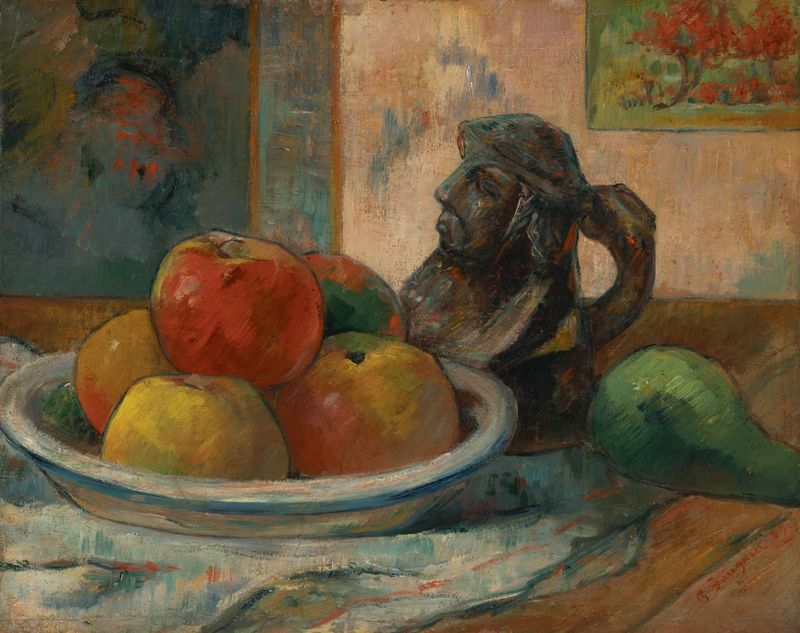
What if silence could speak through light? In Henri Matisse's Apples, the stillness of the moment reverberates with unspoken emotions, inviting contemplation on the fragility of existence. Look to the left at the vibrant apples, their rich reds and greens inviting touch and taste, yet creating a palpable distance. Notice how the light falls upon their surfaces, highlighting nuanced textures and casting soft shadows that deepen the sense of mystery. The composition is deceptively simple, with the fruits arranged in a way that draws the viewer’s eye inward, creating a dialogue between the objects and their surroundings, infused with a sense of stillness. Yet, beneath this apparent tranquility lies a tension between life and mortality.
The luscious, ripe apples speak of abundance and vitality, while their static presence evokes the inevitability of decay. The interplay of color and light suggests a fleeting moment, one that captures both the beauty of life and the weight of its impermanence. Matisse's brushwork, vibrant yet controlled, reflects an inner understanding of this duality—a reminder of the ephemeral nature of joy. In 1916, Matisse created this work during a period marked by personal challenges and the broader turmoil of World War I.
Living in France, he grappled with the changing landscape of art and life, seeking solace in the simplicity of still life. This painting reflects his desire to capture the essence of beauty amidst chaos, bridging the gap between the tangible world and deeper existential questions.
Mais obras de Henri Matisse
Ver tudo →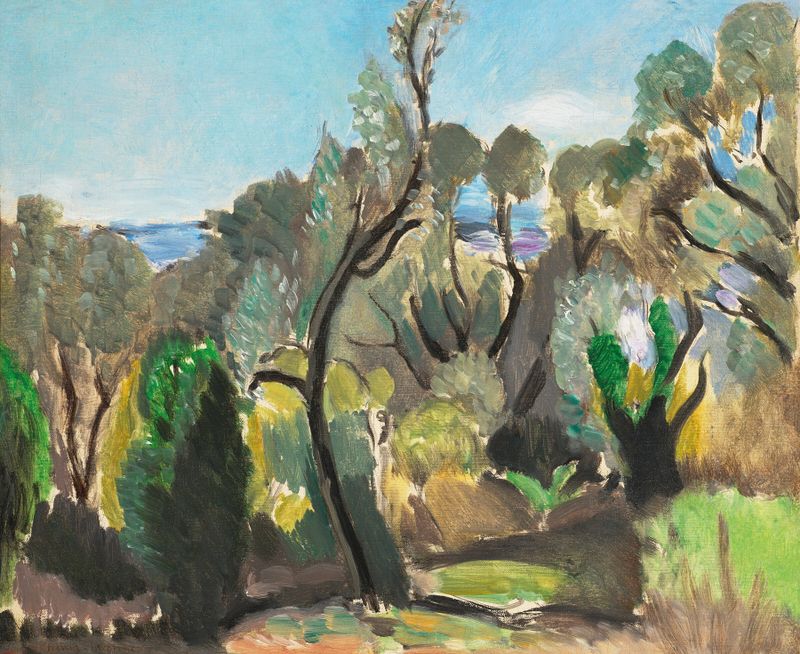
Paysage aux environs de Nice ou Les Oliviers ou Coin du Mont-Boron
Henri Matisse

Le ruisseau, Maintenon
Henri Matisse
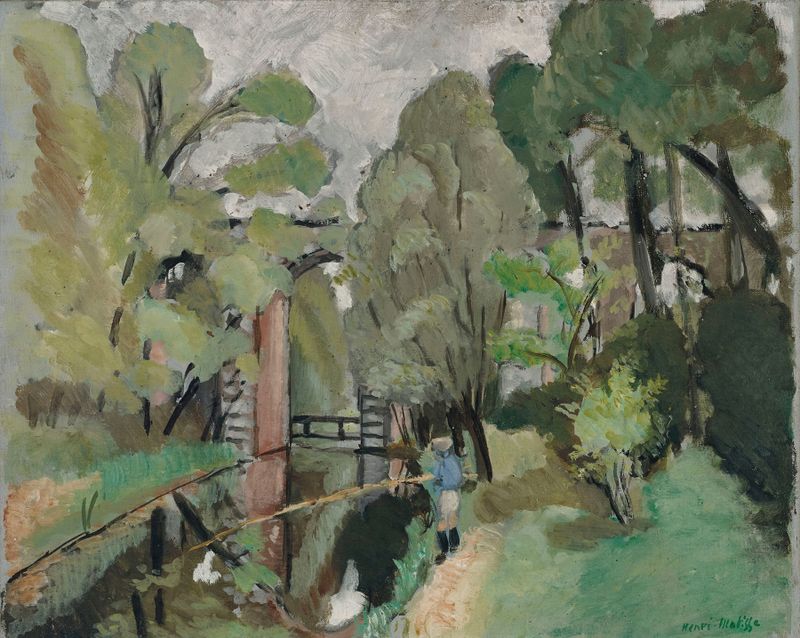
Le Petit pêcheur, Maintenon
Henri Matisse
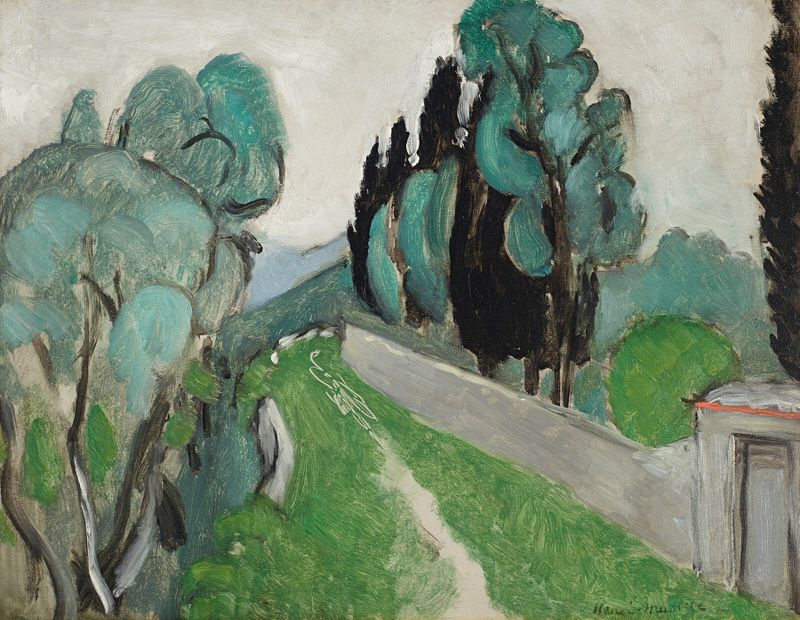
Paysage avec cyprès et oliviers aux environs de Nice
Henri Matisse
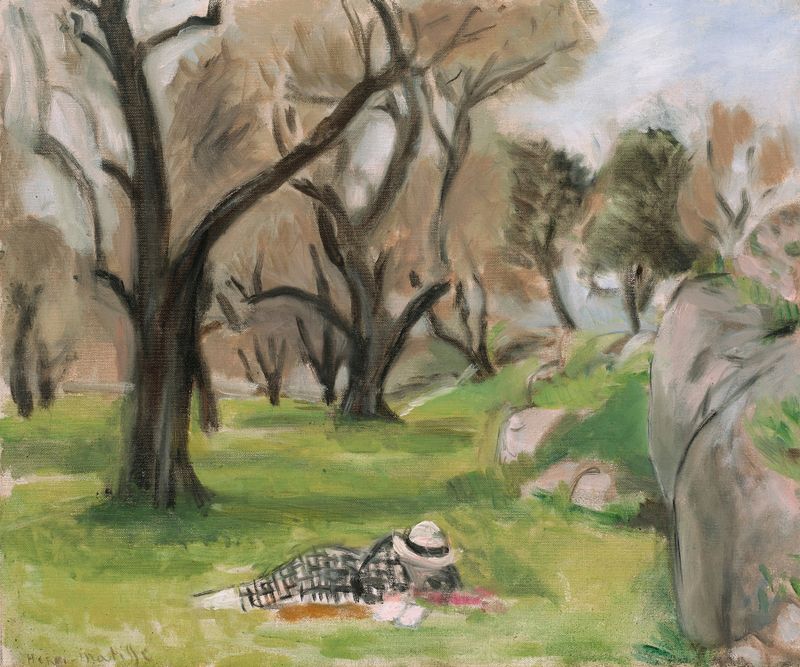
Paysage du Midi
Henri Matisse

Port de Cherbourg
Henri Matisse

Collioure en août
Henri Matisse
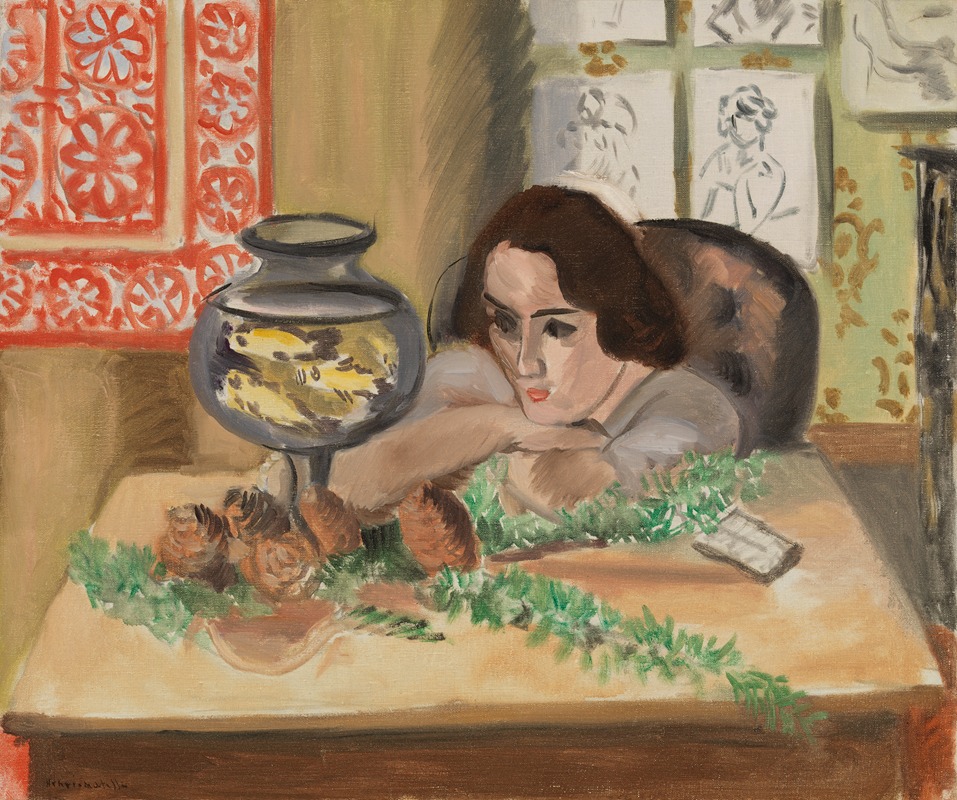
Woman before an Aquarium
Henri Matisse

Jardin du Luxembourg, Paris
Henri Matisse

High Tide (Pleine mer)
Henri Matisse