
Aubonne — História e Análise
In the delicate nuances of a dream, Aubonne captures a world where longing intertwines with the ephemeral. This artwork invites the viewer into a serene landscape, where nature’s splendor subtly masks deeper, unspoken emotions that lie beneath the surface. Look to the foreground where a tranquil river glistens under a soft, golden light. The smooth brushstrokes form gentle ripples on the water, reflecting the lush greenery that embraces its banks.
Notice how the tender hues of green and gold blend, creating a harmonious contrast that evokes both hope and melancholy. The composition draws the eye toward the horizon, where distant mountains stand as silent witnesses to the scene, suggesting a journey yet to be undertaken. In the delicate interplay of light and shadow, there exists a tension between tranquility and unrest. The idyllic setting may appear serene, but the looming mountains symbolize challenges and aspirations that remain just out of reach.
Each element, from the shimmering water to the fading sky, speaks of dreams that flutter just beyond grasp, leaving the viewer with a sense of yearning. A subtle melancholy breathes life into the beauty of this moment, inviting contemplation of life's fleeting nature. Created between 1840 and 1844, this work reflects Johann Friedrich Wagner's explorations during a period marked by Romantic ideals and a fascination with nature. Living in Switzerland, Wagner sought to capture the sublime beauty surrounding him amid the rapidly changing art world.
This was a time when artists were increasingly drawn to personal expression and the emotional depths of landscapes, which Aubonne exemplifies beautifully.
Mais obras de Johann Friedrich Wagner
Ver tudo →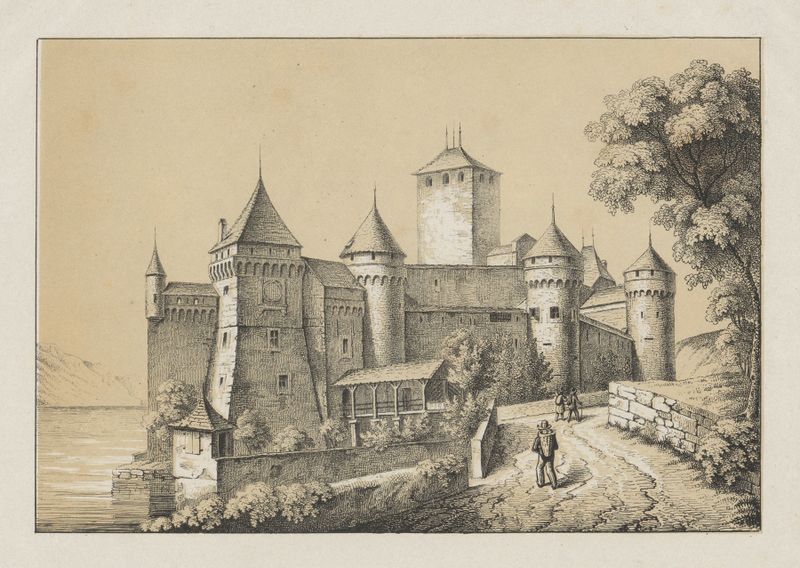
Chillon
Johann Friedrich Wagner

Valangin
Johann Friedrich Wagner
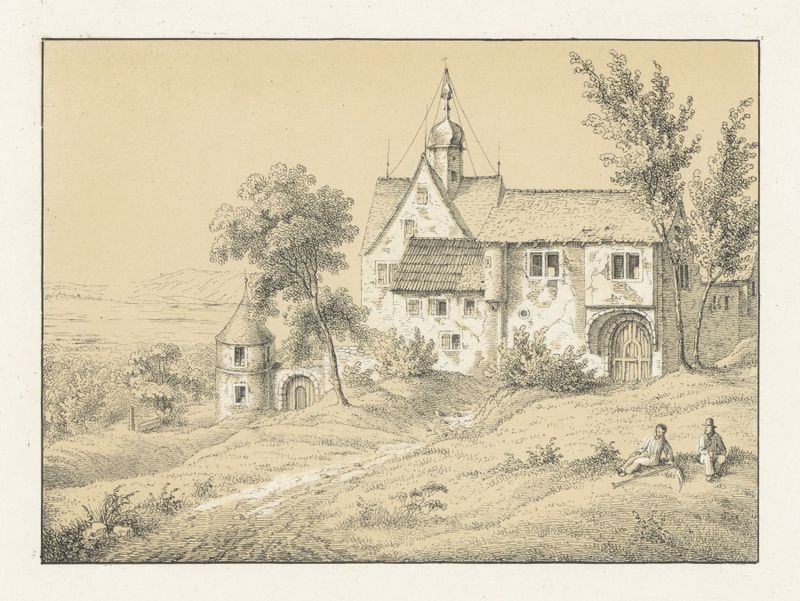
Greifenstein
Johann Friedrich Wagner

Vorburg
Johann Friedrich Wagner
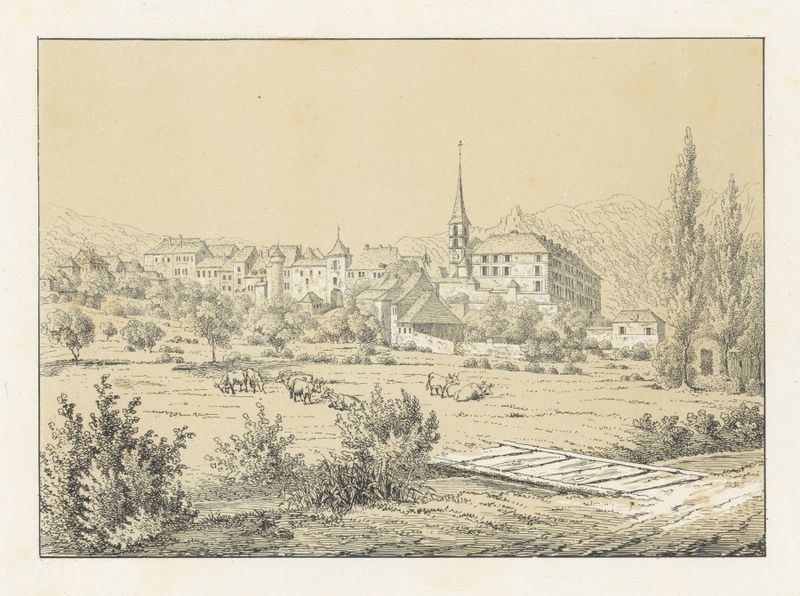
Delémont
Johann Friedrich Wagner

Pleujouse
Johann Friedrich Wagner

Challay
Johann Friedrich Wagner
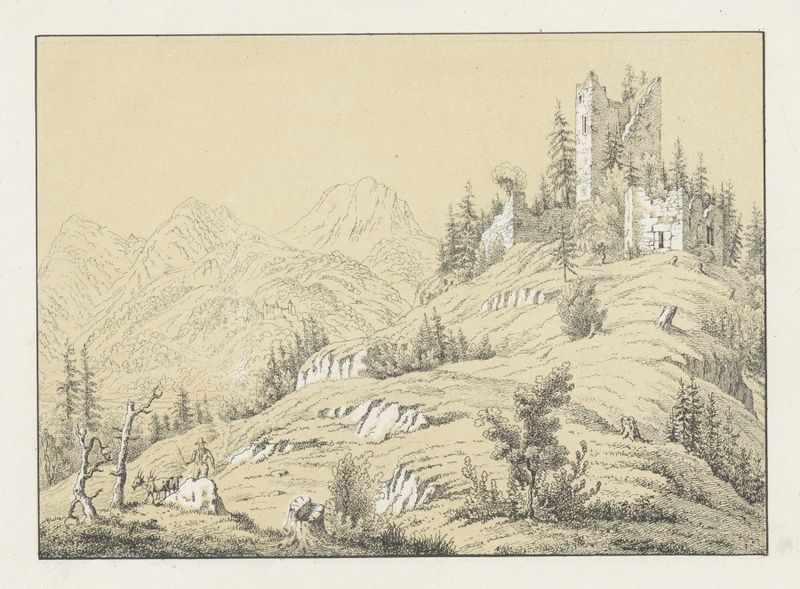
Mont Salvant
Johann Friedrich Wagner
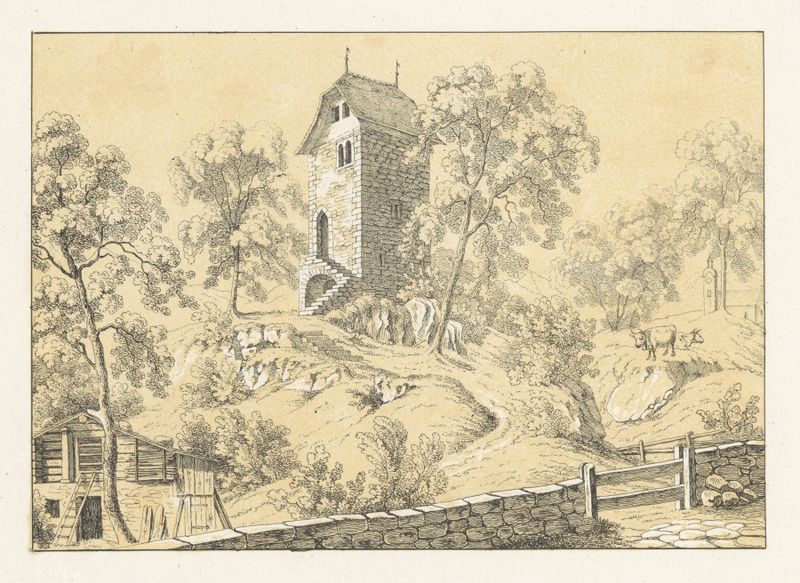
Aha. Od. Untere Burg von Sarnen
Johann Friedrich Wagner
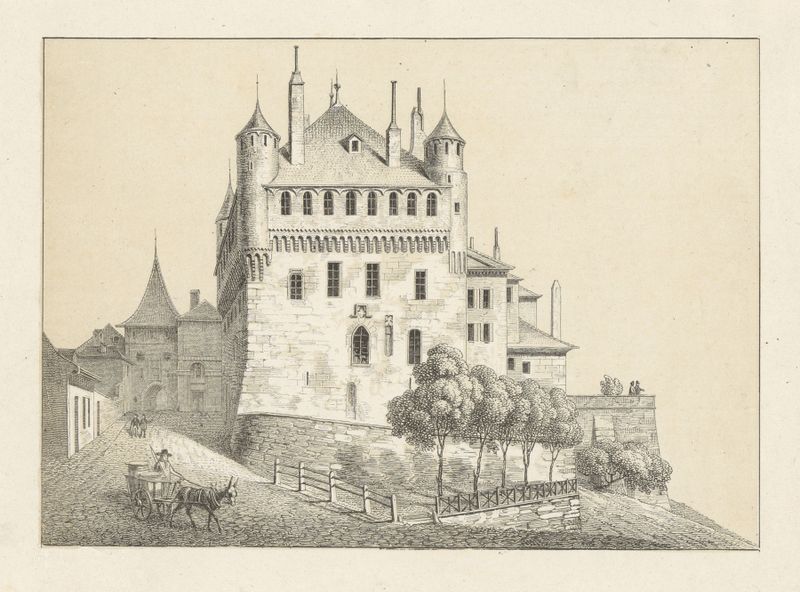
Lausanne
Johann Friedrich Wagner





