
Bamboo River (Takekawa), Illustration to Chapter 44 of the Tale of Genji (Genji monogatari) — História e Análise
A beleza pode existir sem a dor? Nos delicados traços do período Muromachi, um profundo vazio ecoa através das imagens intrincadas, insinuando a essência agridoce da existência. Olhe para a esquerda para o bambu balançando, cada talo esguio representado com meticuloso detalhe, capturando uma elegância etérea. Note como o artista emprega uma paleta sutil de verdes e cinzas prateados, evocando uma atmosfera tranquila que contrasta fortemente com as emoções tumultuosas em jogo. O rio fluente, serpenteando pelo centro, espelha a passagem do tempo, enquanto os suaves matizes criam uma qualidade onírica, convidando o espectador a permanecer em contemplação. Ao examinar mais de perto, o vazio entre o bambu fala volumes, sugerindo um senso de anseio e solidão.
As suaves ondulações da água refletem não apenas a paisagem, mas também a dor oculta dos personagens dentro do Conto de Genji, tecendo uma narrativa que transcende o visual. Esta justaposição de beleza e melancolia é uma marca registrada do estilo do artista, revelando a tensão entre o efêmero e o eterno. Tosa Mitsunobu criou esta ilustração por volta de 1509-1510 durante um período transformador na arte japonesa, onde a estética tradicional começou a entrelaçar-se com influências emergentes do Ocidente. Ele trabalhou em Quioto, uma cidade próspera em intercâmbio cultural, onde o Conto de Genji era celebrado não apenas como uma obra-prima literária, mas também como uma musa para artistas visuais.
A atenção de Mitsunobu aos detalhes e sua capacidade de transmitir emoções em camadas refletem um profundo envolvimento tanto com o contexto histórico quanto com a expressão pessoal.
Mais obras de Tosa Mitsunobu
Ver tudo →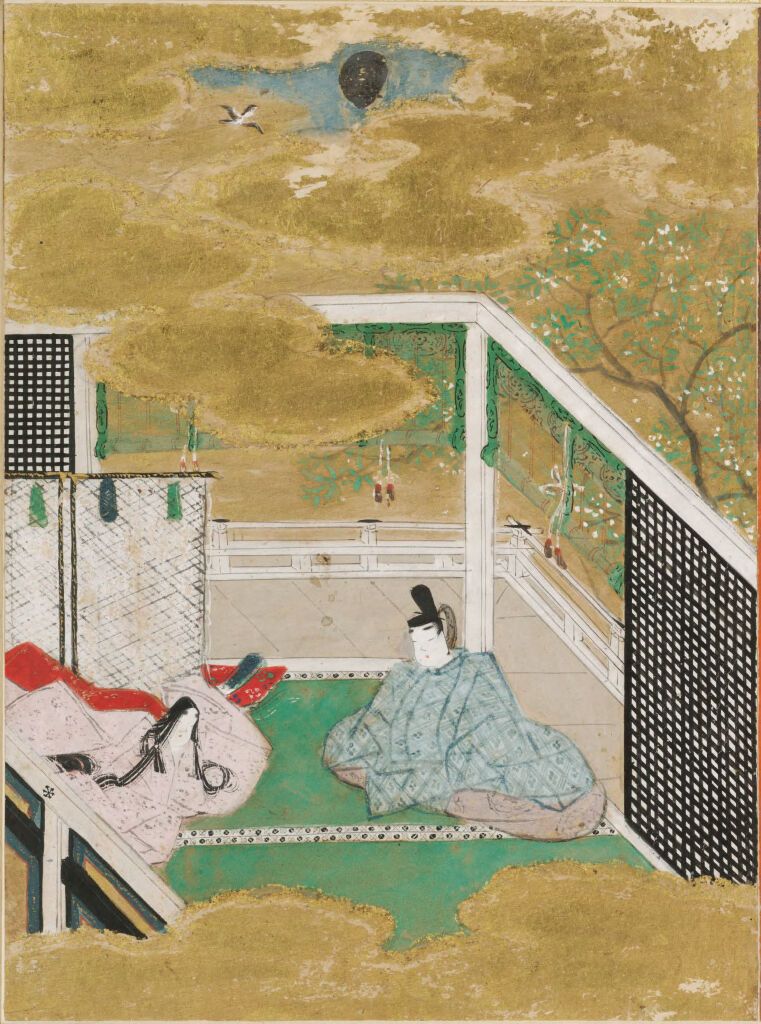
Falling Flowers (Hanachirusato), Illustration to Chapter 11 of the Tale of Genji (Genji monogatari)
Tosa Mitsunobu
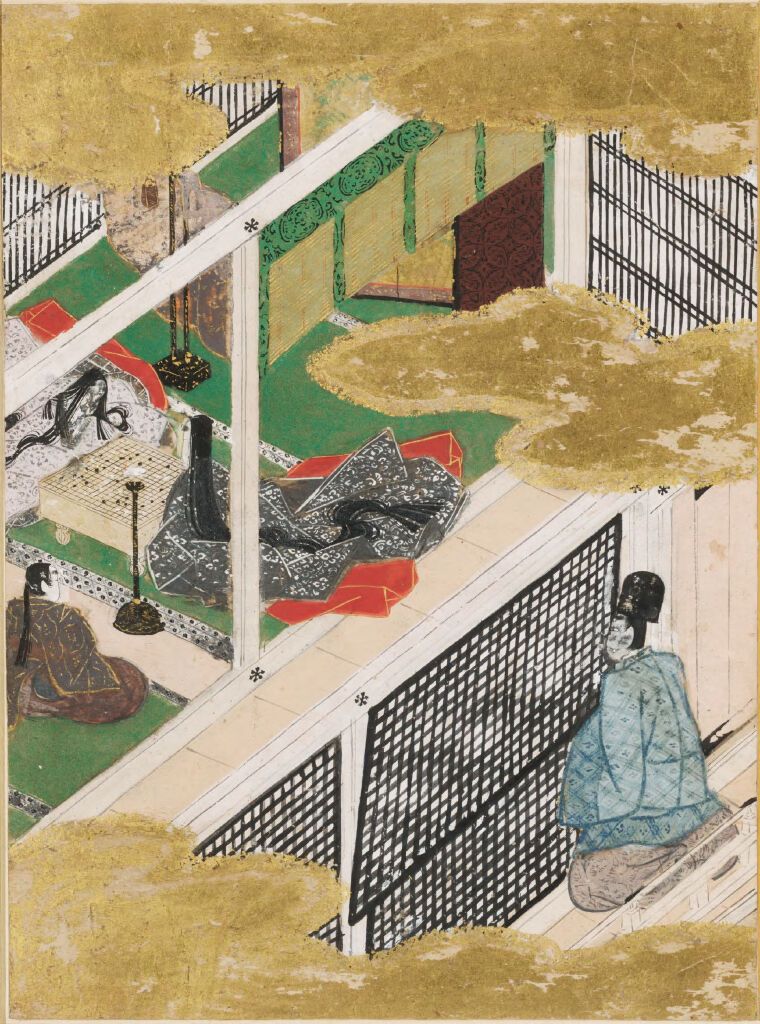
The Cicada Shell (Utsusemi), Illustration to Chapter 3 of the Tale of Genji (Genji monogatari)
Tosa Mitsunobu
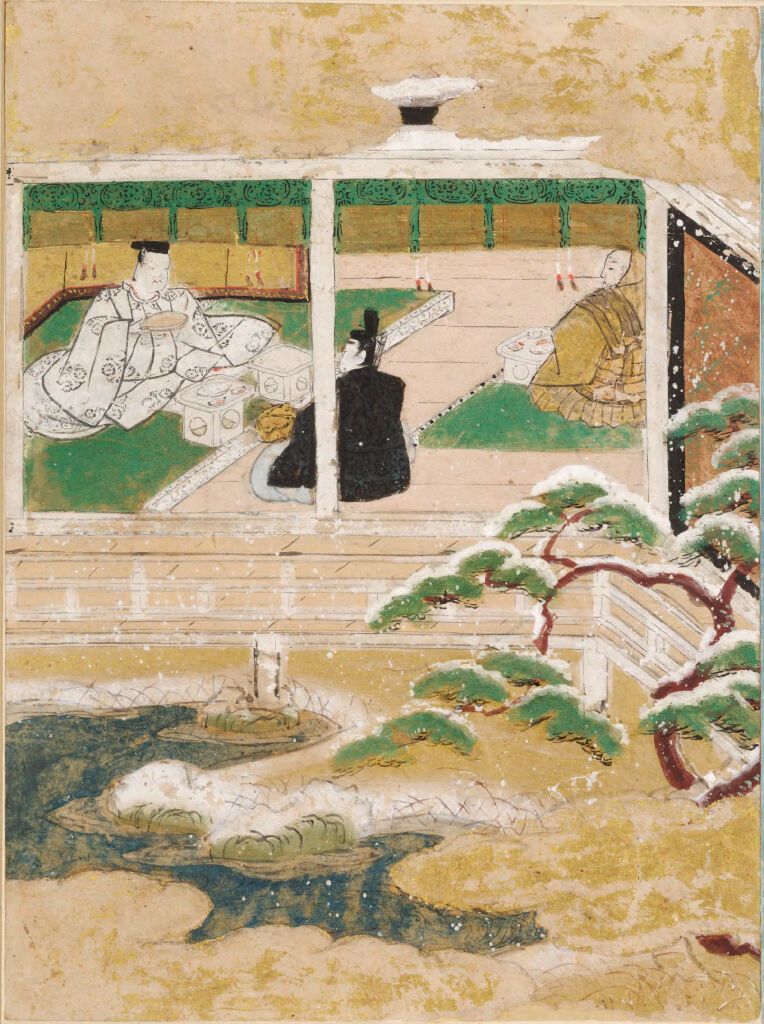
The Seer (Maboroshi), Illustration to Chapter 41 of the Tale of Genji (Genji monogatari)
Tosa Mitsunobu
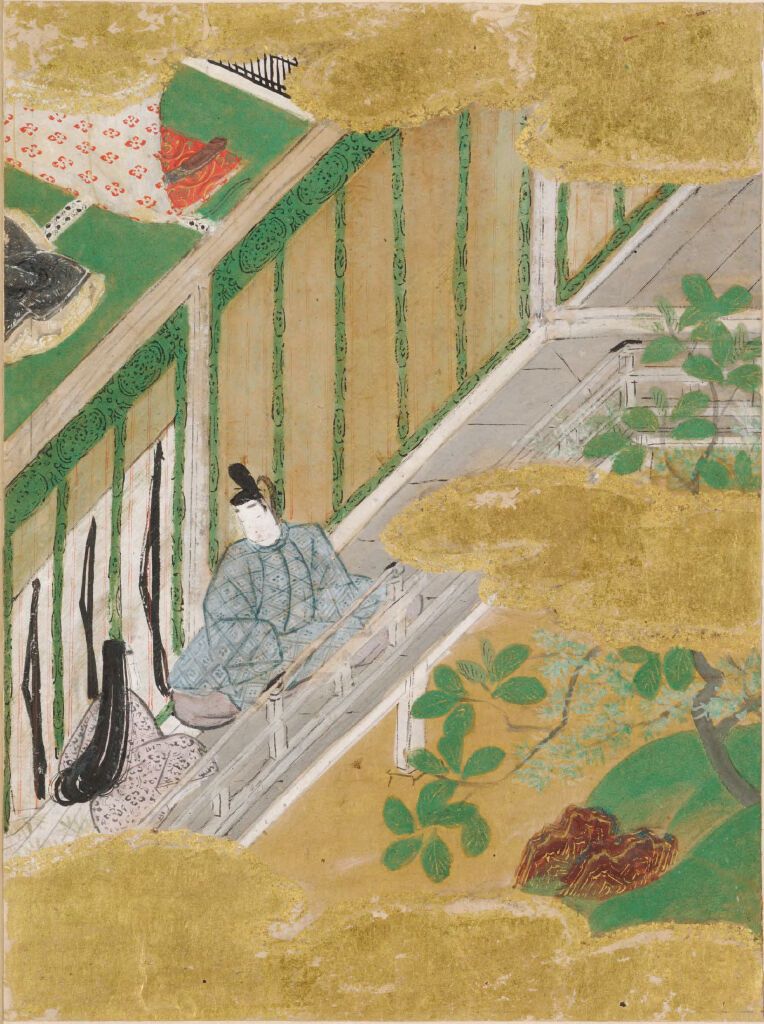
The Oak Tree (Kashiwagi), Illustration to Chapter 36 of the Tale of Genji (Genji monogatari)
Tosa Mitsunobu
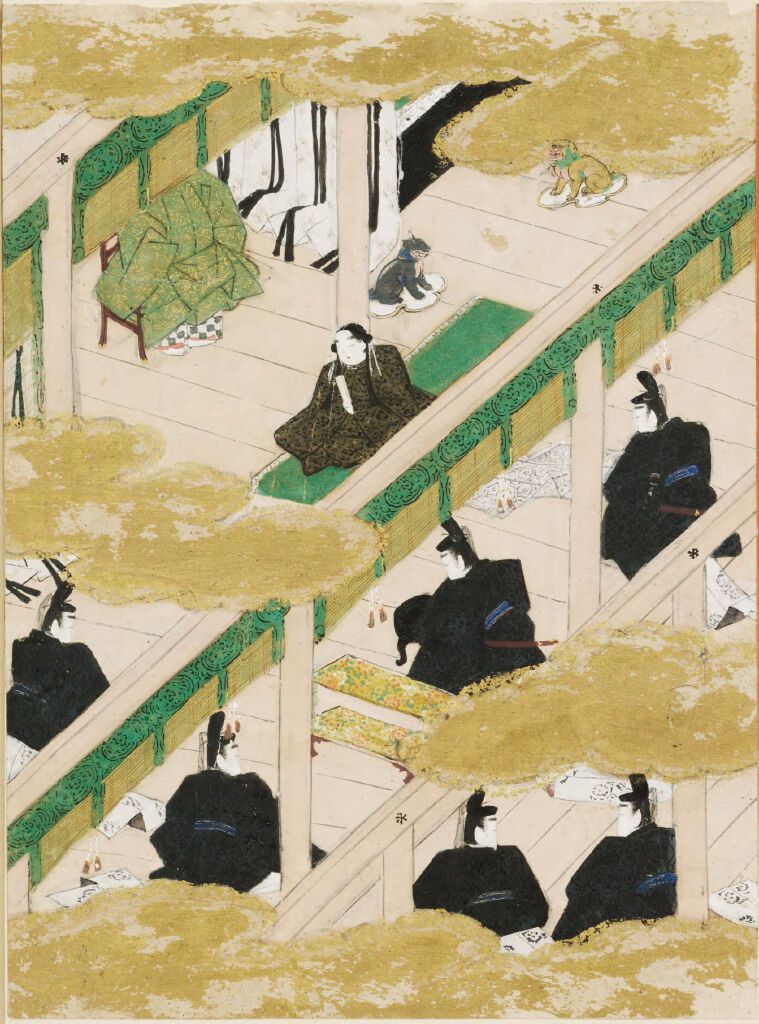
The Paulownia Pavilion (Kiritsubo), Illustration to Chapter 1 of the Tale of Genji (Genji monogatari)
Tosa Mitsunobu
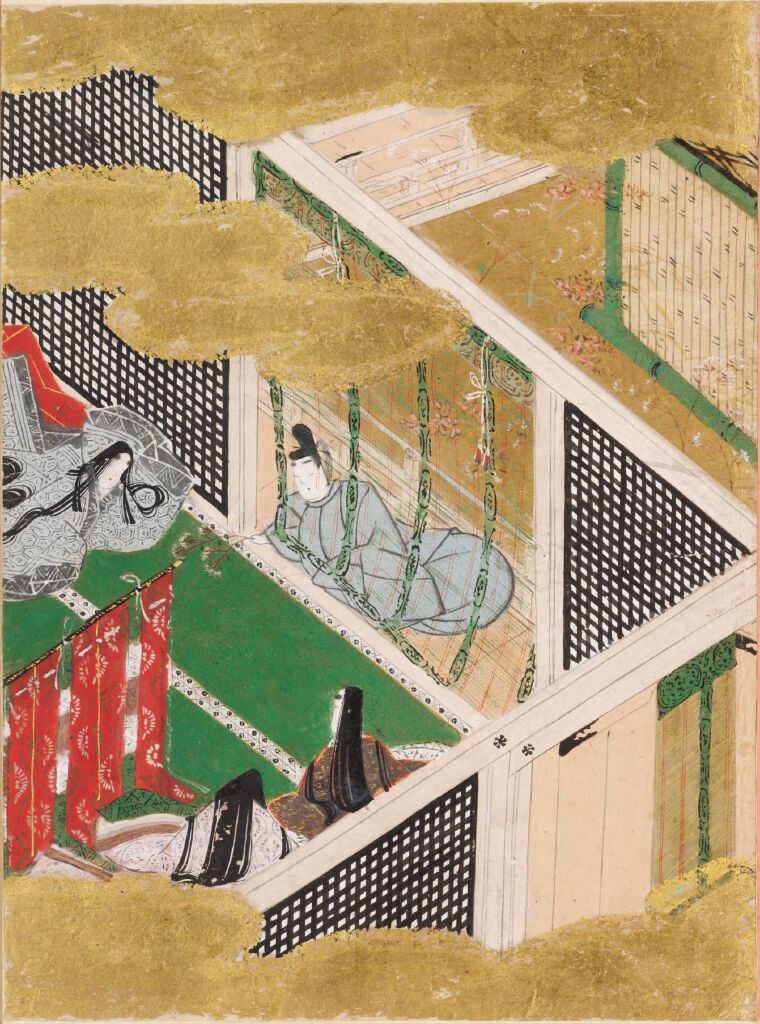
Thoroughwort Flowers (Fujibakama), Illustration to Chapter 30 of the Tale of Genji (Genji monogatari)
Tosa Mitsunobu

Under the Cherry Blossoms (Hana no En), Illustration to Chapter 8 of the Tale of Genji (Genji monogatari)
Tosa Mitsunobu

The Pilgrimage to Sumiyoshi (Miotsukushi), Illustration to Chapter 14 of the Tale of Genji (Genji monogatari)
Tosa Mitsunobu
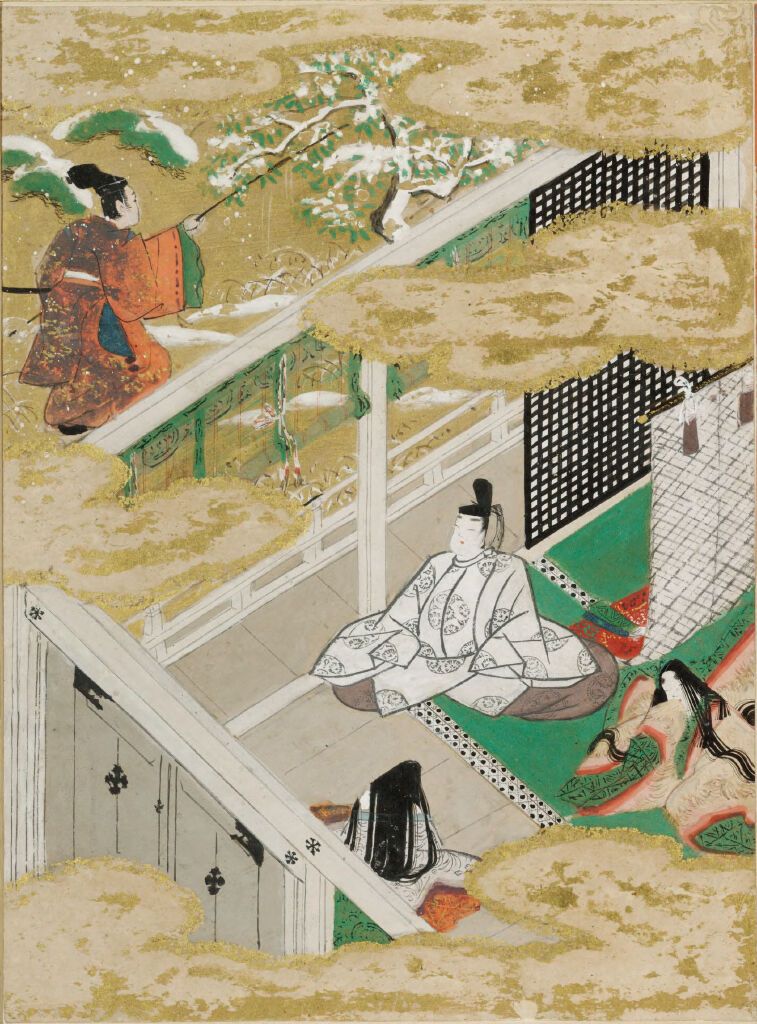
The Safflower (Suetsumuhana), Illustration to Chapter 6 of the Tale of Genji (Genji monogatari)
Tosa Mitsunobu
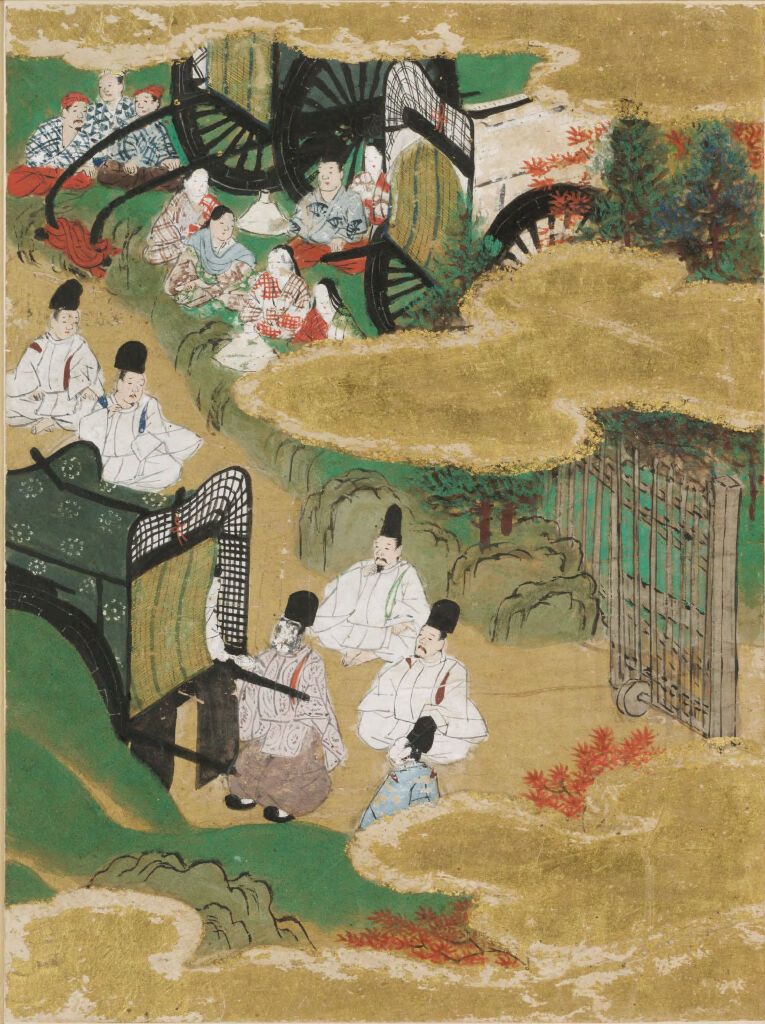
At the Pass (Sekiya), Illustration to Chapter 16 of the Tale of Genji (Genji monogatari)
Tosa Mitsunobu
Mais arte de Ilustração
Ver tudo →Falling Flowers (Hanachirusato), Illustration to Chapter 11 of the Tale of Genji (Genji monogatari)
Tosa Mitsunobu
The Cicada Shell (Utsusemi), Illustration to Chapter 3 of the Tale of Genji (Genji monogatari)
Tosa Mitsunobu
The Seer (Maboroshi), Illustration to Chapter 41 of the Tale of Genji (Genji monogatari)
Tosa Mitsunobu
The Oak Tree (Kashiwagi), Illustration to Chapter 36 of the Tale of Genji (Genji monogatari)
Tosa Mitsunobu
The Paulownia Pavilion (Kiritsubo), Illustration to Chapter 1 of the Tale of Genji (Genji monogatari)
Tosa Mitsunobu
Thoroughwort Flowers (Fujibakama), Illustration to Chapter 30 of the Tale of Genji (Genji monogatari)
Tosa Mitsunobu