Baumstudie — História e Análise
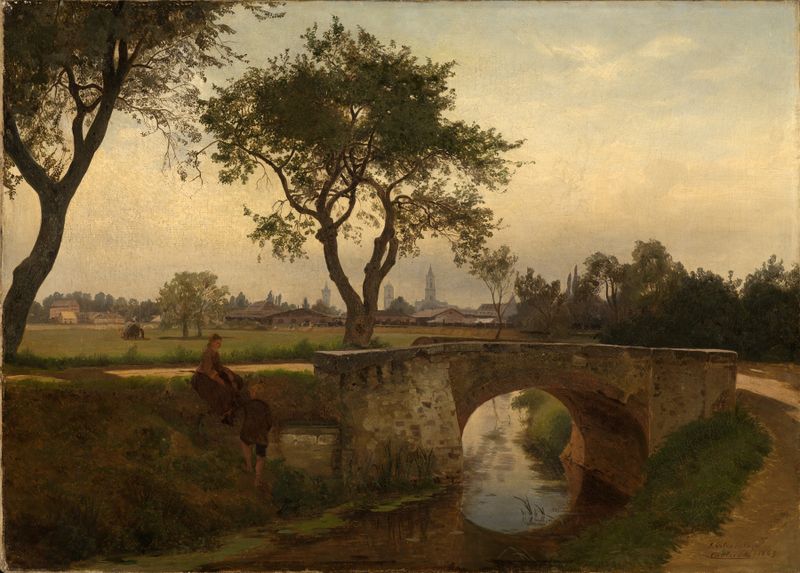
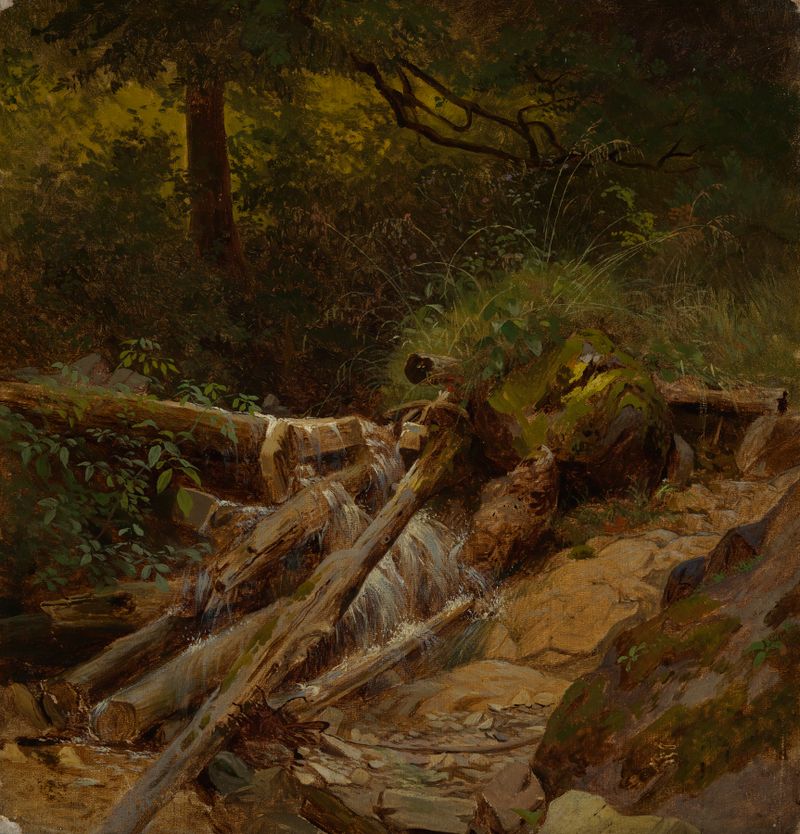
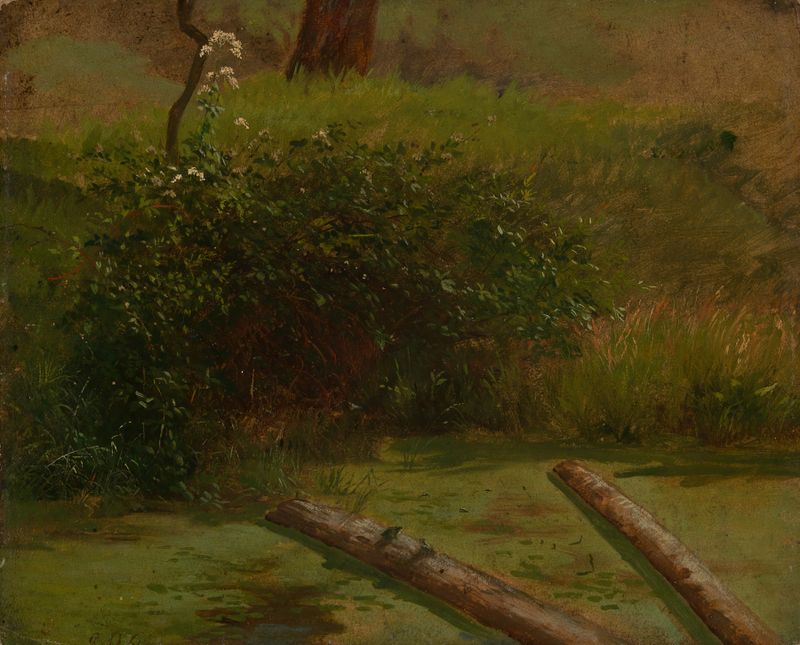
The layers of meaning conceal themselves in the delicate strokes and hues, beckoning a deeper understanding of existence and emotion. Begin by focusing on the intricate textures found within the foliage. Here, the artist’s meticulous brushwork creates an almost tactile sensation, inviting you to reach out and feel the leaves’ vibrant green juxtaposed against the somber backdrop. Notice the play of light that dances across the tree trunks, revealing their rugged strength while simultaneously softening their edges—an interplay that speaks of both resilience and vulnerability. Upon closer inspection, the painting reveals contrasts that echo the complexity of life: the luminous gold among the earthy greens symbolizes hope amidst despair, while the gnarled branches suggest struggle—perhaps a reflection of the human condition.
Each element vibrates with a duality, inviting viewers to confront their own narratives of transcendence and pain. This striking dichotomy serves to elevate the scene from mere representation to a profound commentary on the cyclical nature of existence. In 1861, the artist was exploring new techniques in his studio, challenging traditional perceptions of nature through innovative brush strokes and color palettes. This period was marked by a burgeoning interest in realism, as well as a desire to capture fleeting moments in the natural world.
Osterroht’s work resonated with these movements, exemplifying a transitional phase in art history that sought to bridge the gap between emotional expression and the observation of life itself.