
Beneath the Oak (Shiigamoto), Illustration to Chapter 46 of the Tale of Genji (Genji monogatari) — História e Análise
E se o silêncio pudesse falar através da luz? Em Debaixo do Carvalho, a quietude do momento torna-se uma linguagem poderosa, sussurrando contos de anseio e caos escondidos sob exteriores serenos. Olhe para o centro da composição, onde uma jovem mulher se senta sob um grande carvalho, sua figura delicada banhada pela luz filtrada. O detalhe meticuloso do seu quimono fluido atrai o olhar, enquanto padrões intrincados vibram com o suave balançar do tecido, sugerindo movimento e vida. Ao seu redor, a imobilidade contrastante da paisagem sombreada evoca um senso de introspecção silenciosa, enquanto cores vibrantes pontuam a cena, refletindo a turbulência emocional que se esconde logo abaixo da superfície. A interação de luz e sombra captura um momento de tensão — um exterior sereno que oculta o caos de pensamentos e emoções não ditos.
Note a leve inclinação da cabeça da mulher, seu olhar suave, mas distante, insinuando um mundo interior de conflito e desejo. O carvalho, antigo e forte, ergue-se como testemunha de sua solidão, incorporando o peso da tradição e o tumulto do anseio pessoal. Essa tensão entre estabilidade e caos ressoa por toda a obra, atraindo o espectador para uma narrativa compartilhada e silenciosa. Criado entre 1509 e 1510 durante o período Muromachi, Debaixo do Carvalho reflete as dinâmicas em mudança da arte japonesa da época, onde temas clássicos do Conto de Genji foram reinterpretados com uma nova sensibilidade.
Tosa Mitsunobu, uma figura proeminente da escola Kano, infundiu esta ilustração com emoção pessoal enquanto navegava pelas complexidades de sua era, fundindo passado e presente em uma meditação atemporal sobre amor e anseio.
Mais obras de Tosa Mitsunobu
Ver tudo →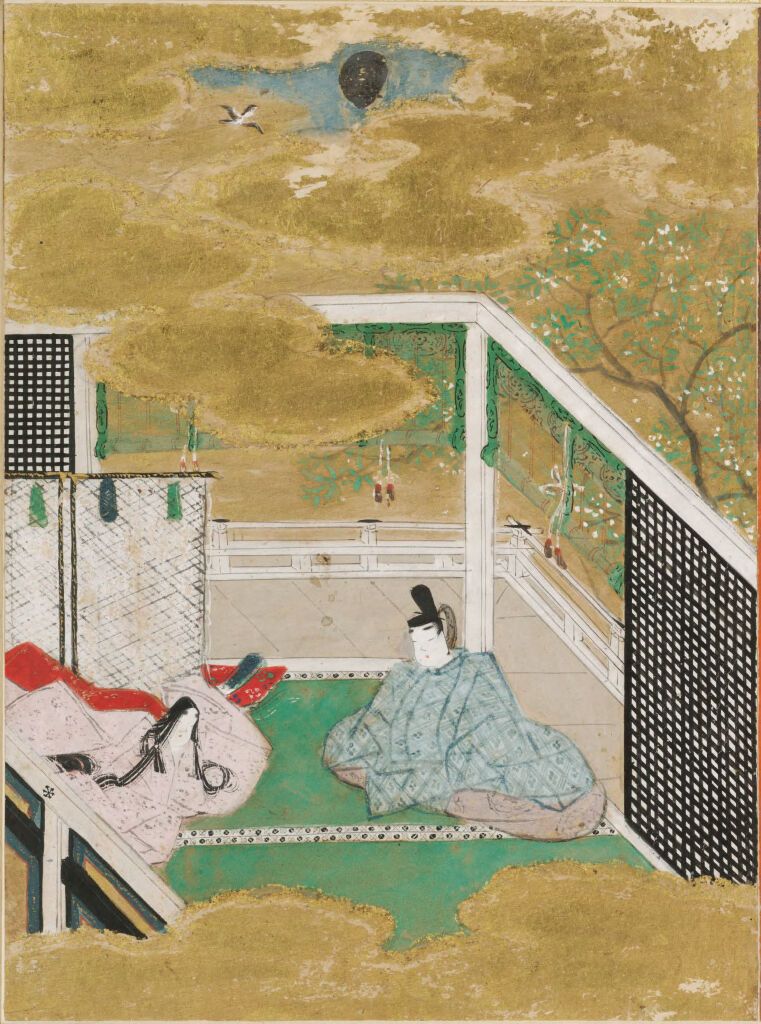
Falling Flowers (Hanachirusato), Illustration to Chapter 11 of the Tale of Genji (Genji monogatari)
Tosa Mitsunobu
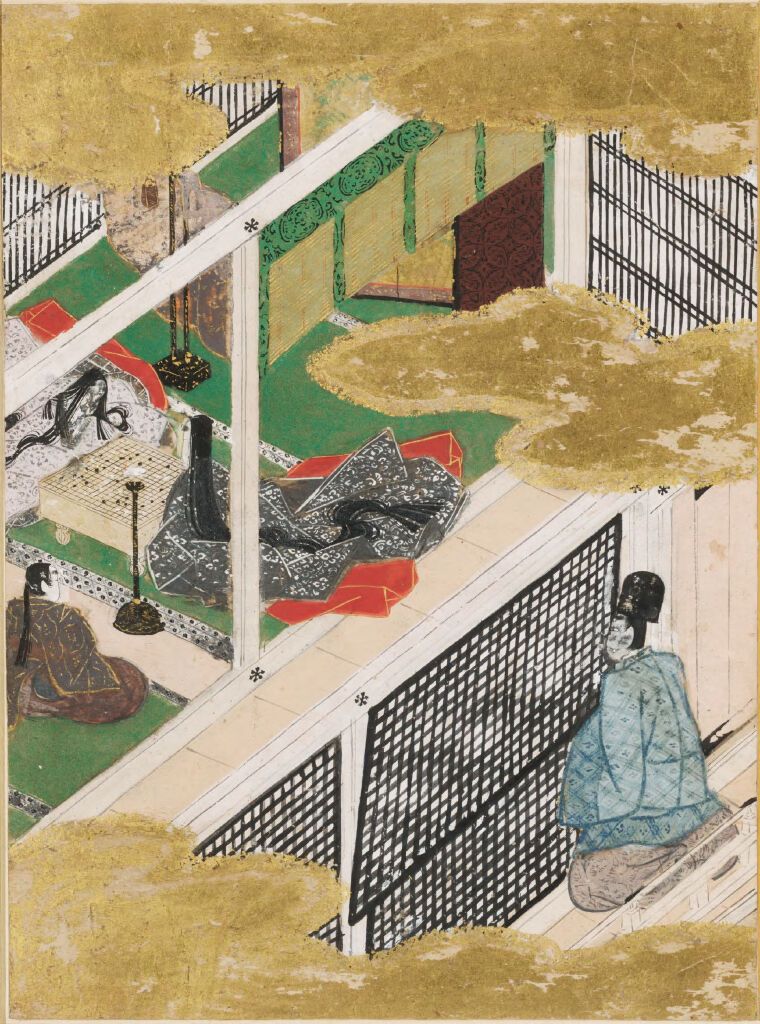
The Cicada Shell (Utsusemi), Illustration to Chapter 3 of the Tale of Genji (Genji monogatari)
Tosa Mitsunobu
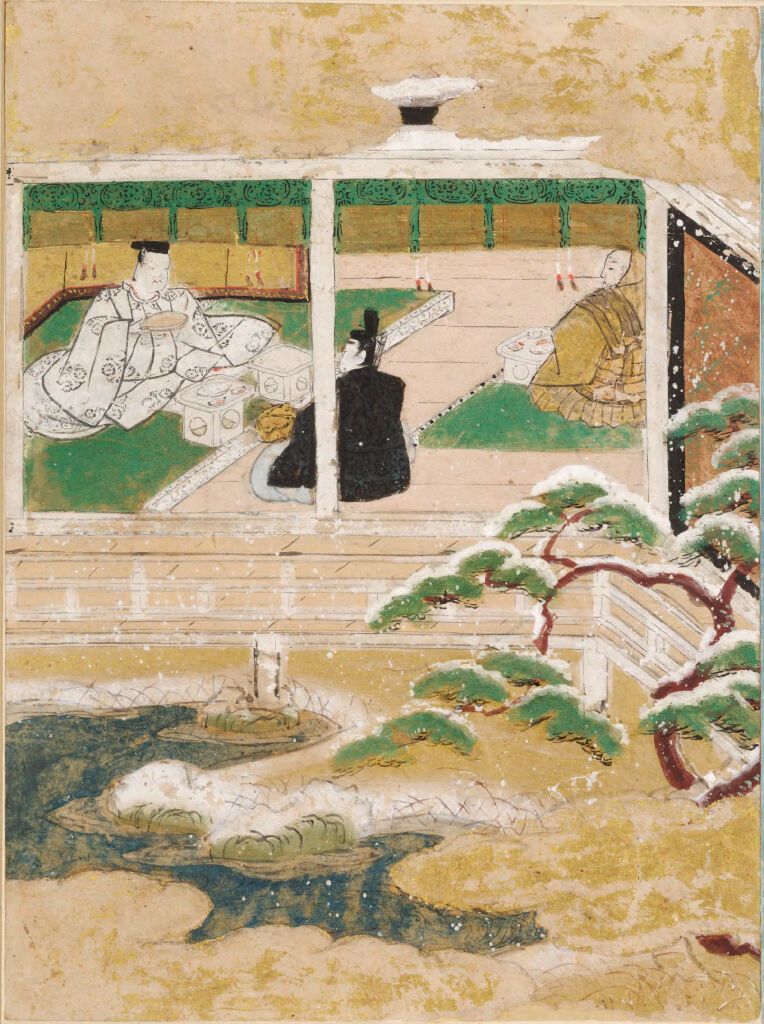
The Seer (Maboroshi), Illustration to Chapter 41 of the Tale of Genji (Genji monogatari)
Tosa Mitsunobu
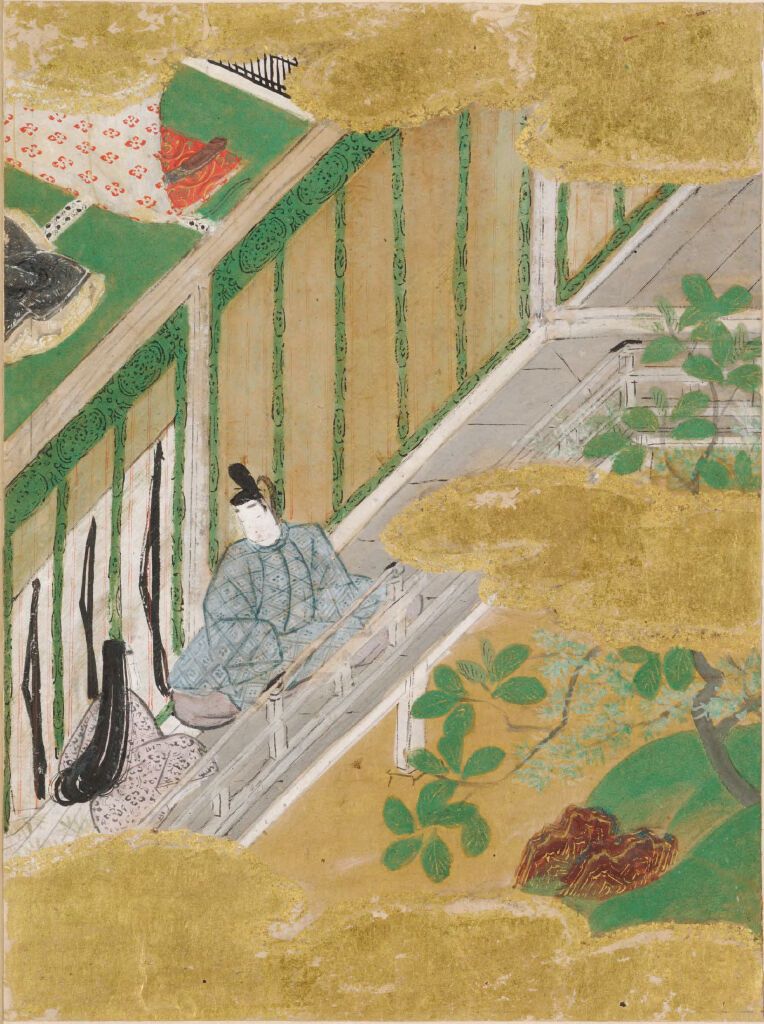
The Oak Tree (Kashiwagi), Illustration to Chapter 36 of the Tale of Genji (Genji monogatari)
Tosa Mitsunobu
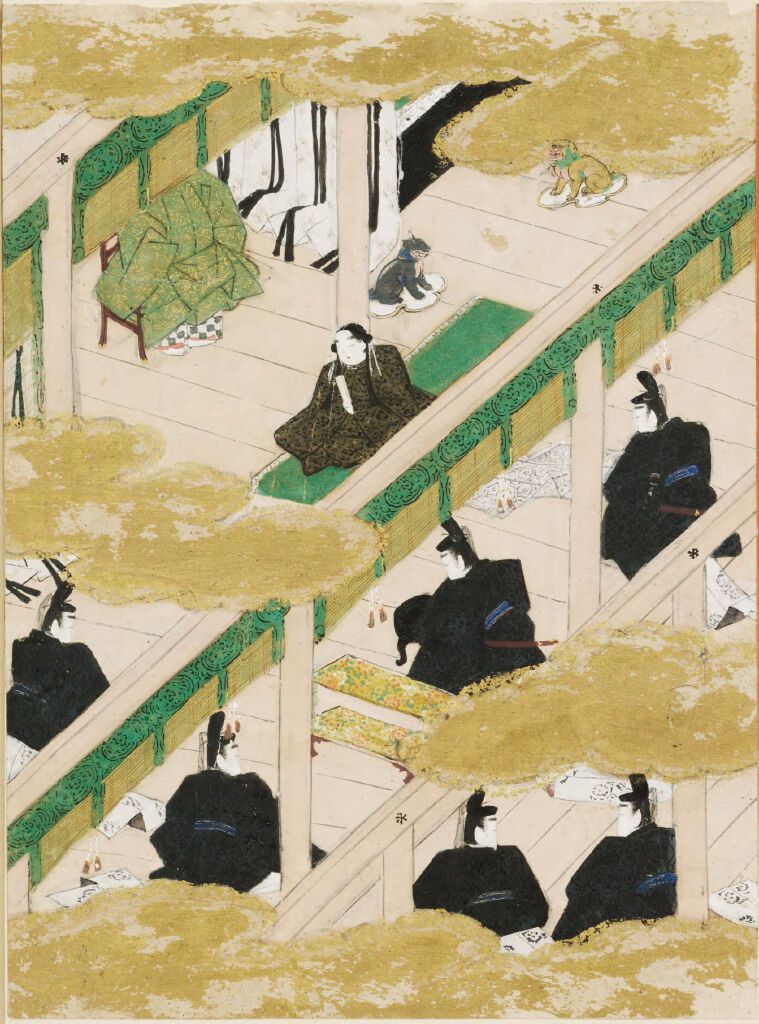
The Paulownia Pavilion (Kiritsubo), Illustration to Chapter 1 of the Tale of Genji (Genji monogatari)
Tosa Mitsunobu
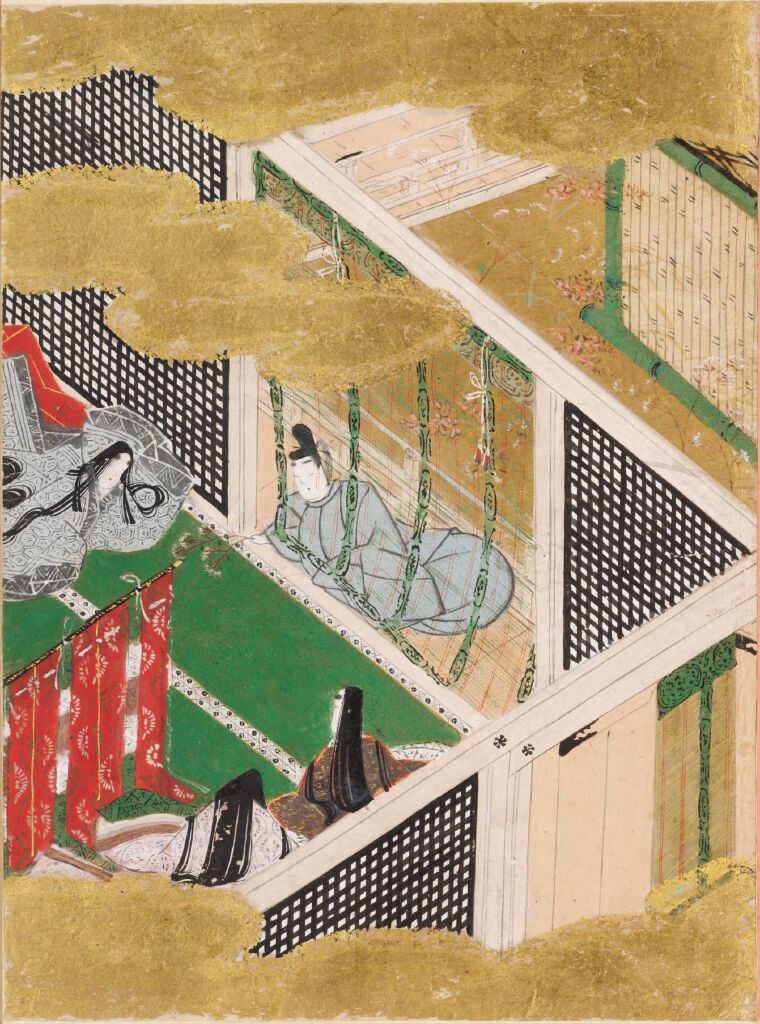
Thoroughwort Flowers (Fujibakama), Illustration to Chapter 30 of the Tale of Genji (Genji monogatari)
Tosa Mitsunobu

Under the Cherry Blossoms (Hana no En), Illustration to Chapter 8 of the Tale of Genji (Genji monogatari)
Tosa Mitsunobu

The Pilgrimage to Sumiyoshi (Miotsukushi), Illustration to Chapter 14 of the Tale of Genji (Genji monogatari)
Tosa Mitsunobu
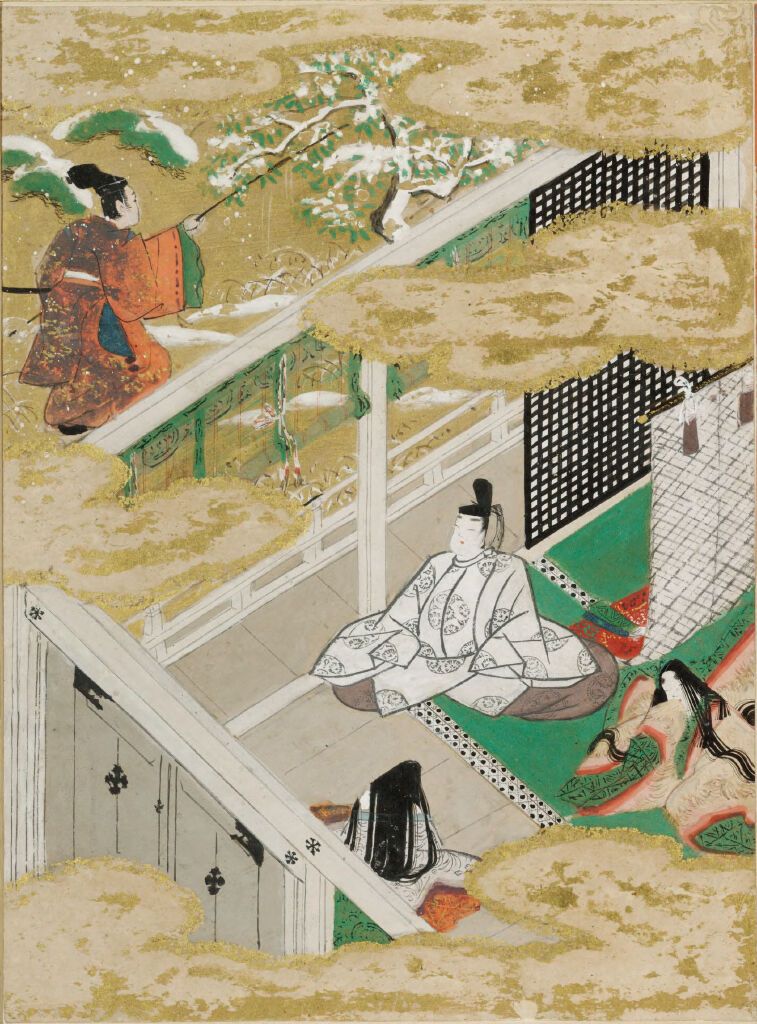
The Safflower (Suetsumuhana), Illustration to Chapter 6 of the Tale of Genji (Genji monogatari)
Tosa Mitsunobu
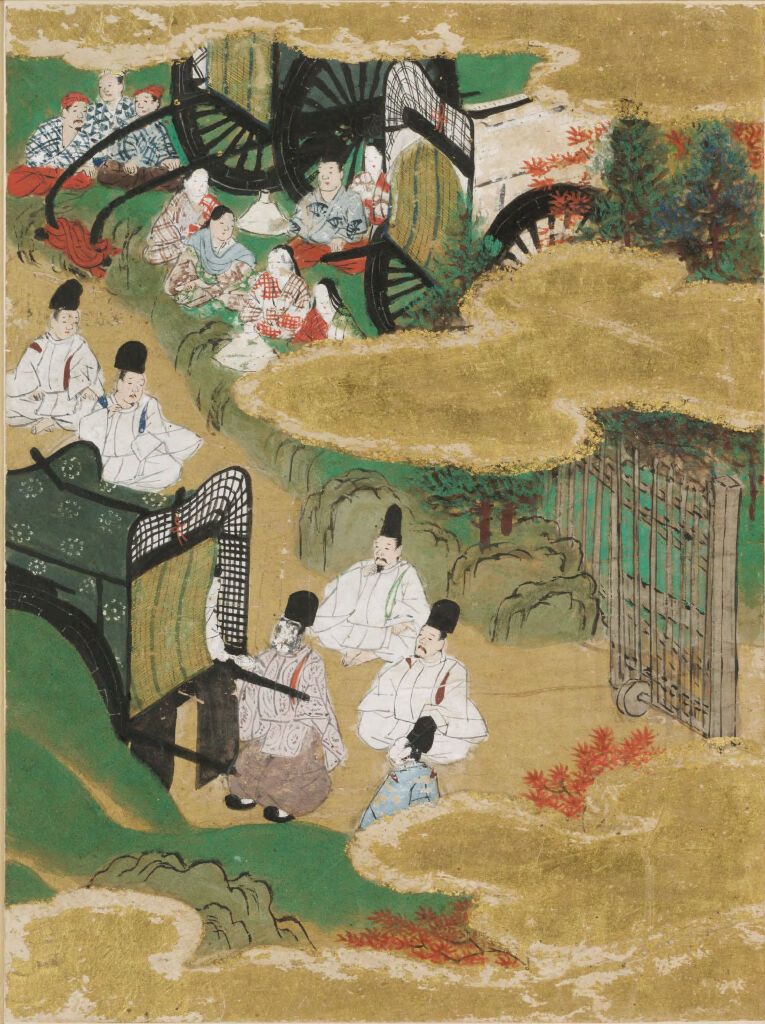
At the Pass (Sekiya), Illustration to Chapter 16 of the Tale of Genji (Genji monogatari)
Tosa Mitsunobu
Mais arte de Ilustração
Ver tudo →Falling Flowers (Hanachirusato), Illustration to Chapter 11 of the Tale of Genji (Genji monogatari)
Tosa Mitsunobu
The Cicada Shell (Utsusemi), Illustration to Chapter 3 of the Tale of Genji (Genji monogatari)
Tosa Mitsunobu
The Seer (Maboroshi), Illustration to Chapter 41 of the Tale of Genji (Genji monogatari)
Tosa Mitsunobu
The Oak Tree (Kashiwagi), Illustration to Chapter 36 of the Tale of Genji (Genji monogatari)
Tosa Mitsunobu
The Paulownia Pavilion (Kiritsubo), Illustration to Chapter 1 of the Tale of Genji (Genji monogatari)
Tosa Mitsunobu
Thoroughwort Flowers (Fujibakama), Illustration to Chapter 30 of the Tale of Genji (Genji monogatari)
Tosa Mitsunobu