
Boerin op weg naar de markt — História e Análise
Where does light end, and longing begin? In the delicate brushstrokes of this early 16th-century piece, movement transcends the canvas, whispering stories of daily toil and quiet resilience. Look to the left at the figure of the peasant woman, her silhouette sharply defined against a soft, golden horizon. The warm light cascades down her back, illuminating the basket balanced expertly on her head. Notice the way her cloak billows gently in the breeze, suggesting motion as she navigates the path to the market.
The muted earth tones contrast with the vibrant hues of the dawn, evoking a sense of harmony between humanity and nature. Hidden within the simplicity of her journey lies the tension of labor and ambition. The basket, heavy with goods, symbolizes the weight of responsibility, while the expansive sky suggests boundless possibilities. The subtle interplay of light and shadow on her figure encapsulates the duality of her existence — the burdens she carries coupled with the hope for a better life.
This intricate balance hints at the unspoken dreams of countless women who walked similar paths throughout history. In 1520, Hans Sebald Beham painted this work in Nuremberg, during a time of significant transformation in art and society. The Northern Renaissance was in full bloom, characterized by an increasing focus on everyday subjects and detailed realism. As a member of the Nuremberg school, Beham sought to capture the emotional depth of ordinary life, reflecting the profound changes occurring in both artistic expression and the social fabric of his era.
Mais obras de Hans Sebald Beham
Ver tudo →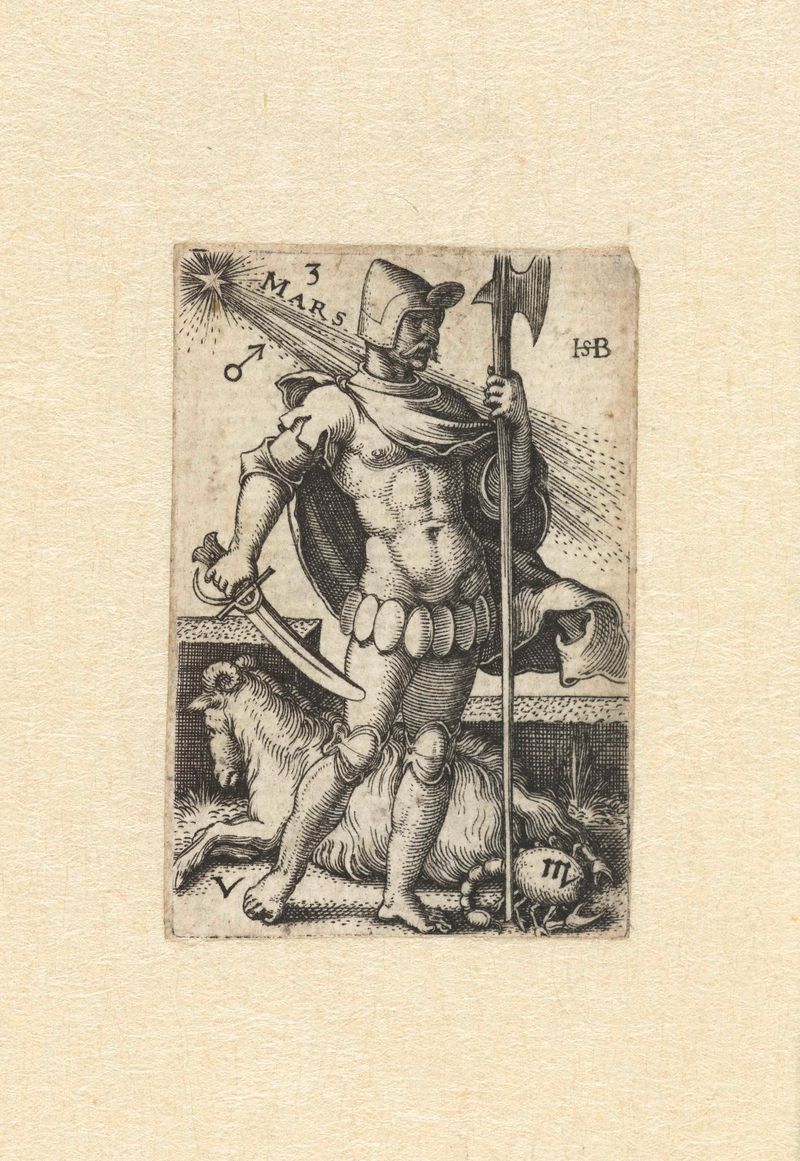
Mars met sterrenbeelden Ram en Schorpioen
Hans Sebald Beham

Achilles in gevecht met Hector
Hans Sebald Beham
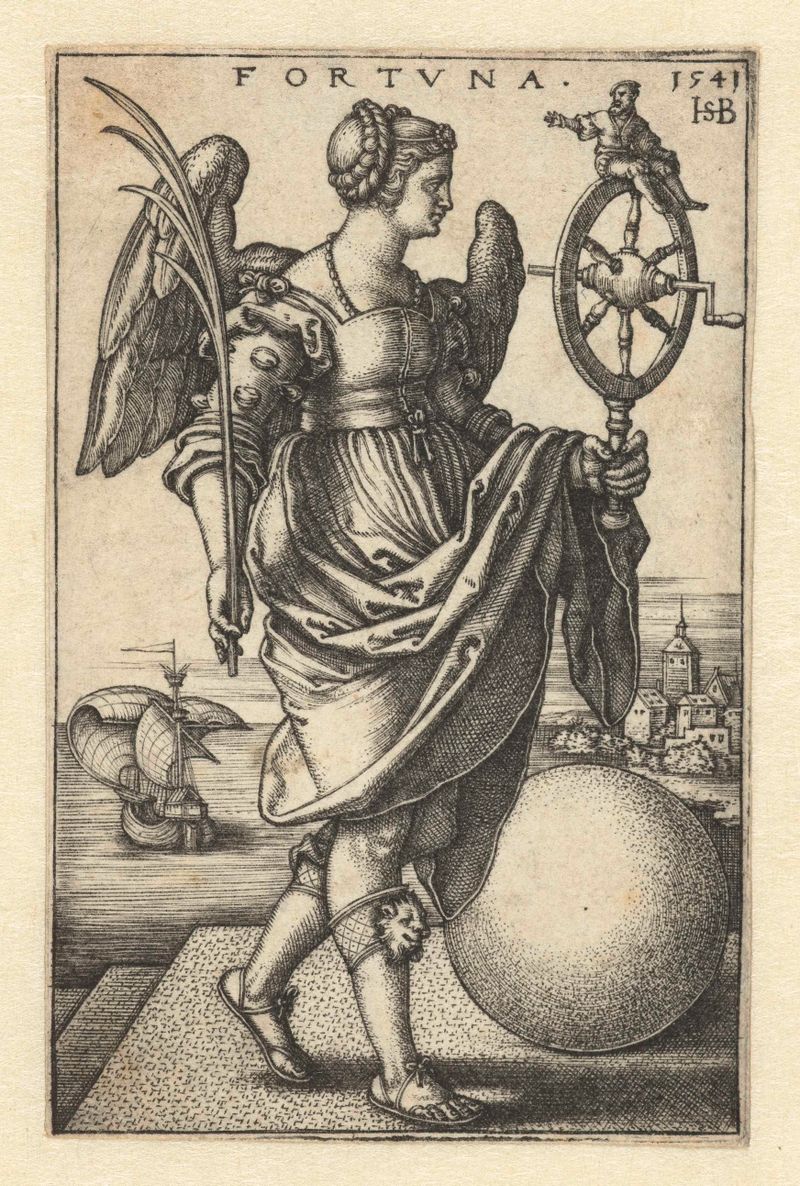
Fortuna
Hans Sebald Beham

Hercules worstelt met Antaeus
Hans Sebald Beham

Twee muzikanten met schalmey en doedelzak
Hans Sebald Beham

Voorzichtigheid (Prudentia)
Hans Sebald Beham

Hercules in gevecht met de Trojanen
Hans Sebald Beham
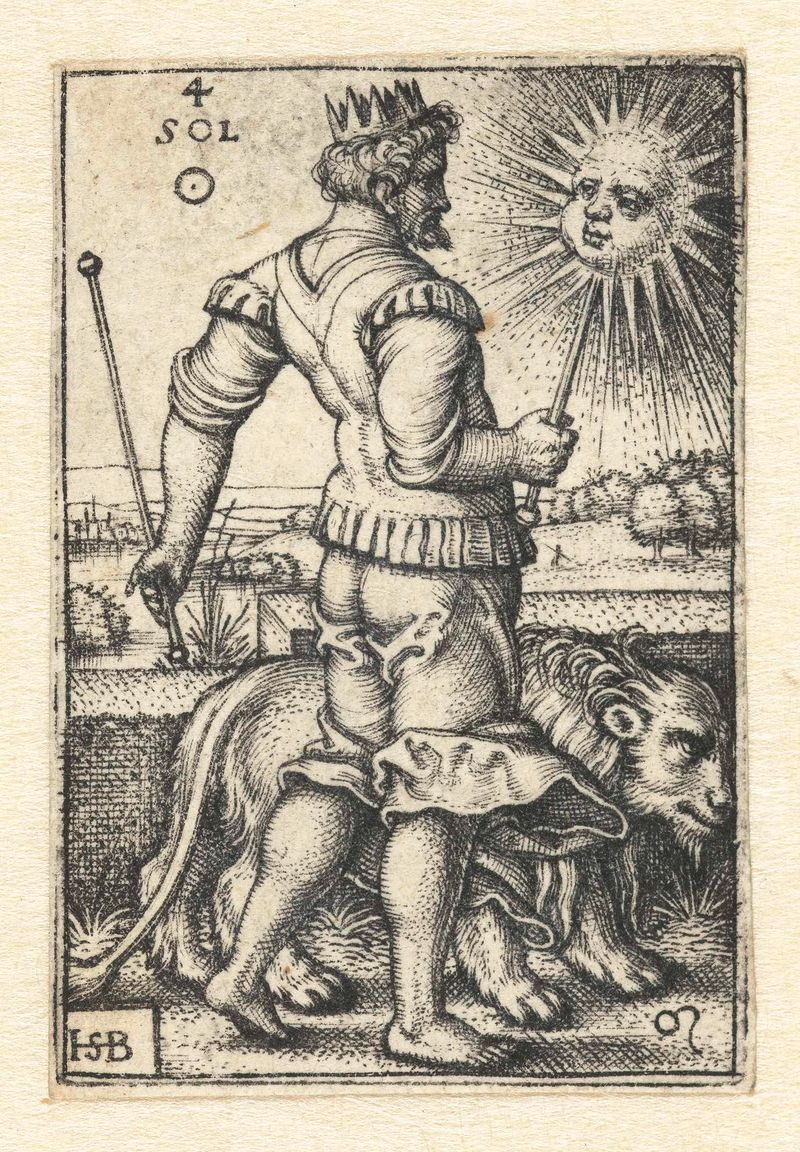
Apollo (Sol) met sterrenbeeld Leeuw
Hans Sebald Beham
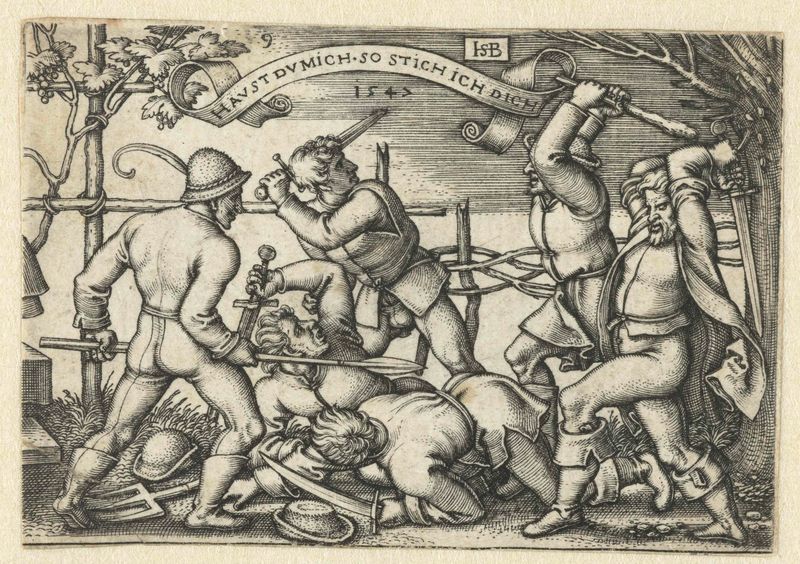
Vechtende boeren met zwaarden
Hans Sebald Beham
Hercules in gevecht met centaurs
Hans Sebald Beham





