
Bridge in the Periphery — História e Análise
Can paint confess what words never could? In Bridge in the Periphery, light emerges as both a confessor and a witness, illuminating the unsaid emotions lingering in shadows. Focus on the soft interplay of light and dark as it dances across the bridge, drawing your eye first to the horizon where the structure meets the sky. The delicate strokes of muted greens and browns create a sense of calm, while the vibrant hints of golden light catch the viewer's attention, hinting at the passage of time. The composition is balanced, leading the gaze from the sturdy archway of the bridge to the serene landscape beyond, effectively inviting contemplation. Yet, beneath this picturesque view lies an underlying tension.
The bridge, a symbol of connection, appears to isolate itself from the surrounding landscape, almost as if it stands sentinel over unspoken thoughts. The contrast between the warm light bathing the bridge and the cooler shades enveloping the edges of the canvas invokes a feeling of nostalgia, suggesting a past weighed down by unexpressed feelings. Each brushstroke seems to whisper secrets, revealing the artist's longing for connection amidst solitude. Zolo Palugyay painted this piece in 1930 while living in Hungary, a period marked by political turmoil and a quest for national identity in the aftermath of World War I.
This backdrop influenced his exploration of light and landscape, as he sought to capture the essence of his surroundings and the emotional currents that flowed beneath the surface of everyday life.
Mais obras de Zolo Palugyay
Ver tudo →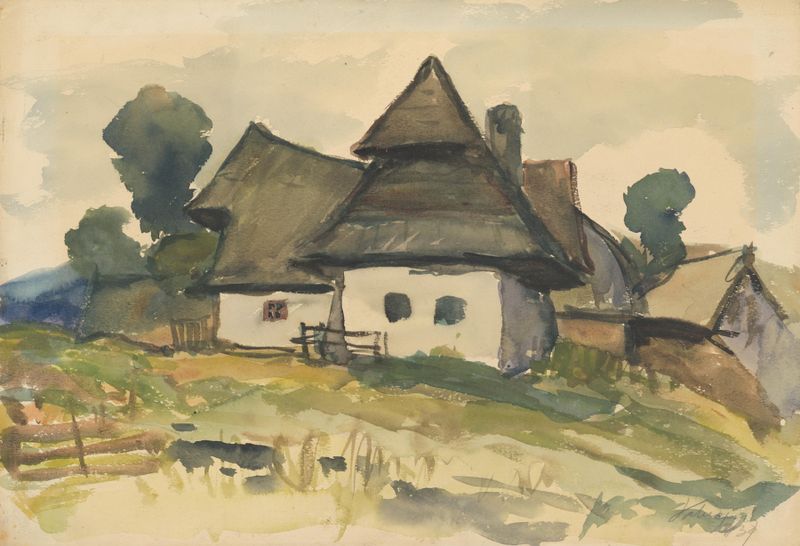
Dedinský motív
Zolo Palugyay
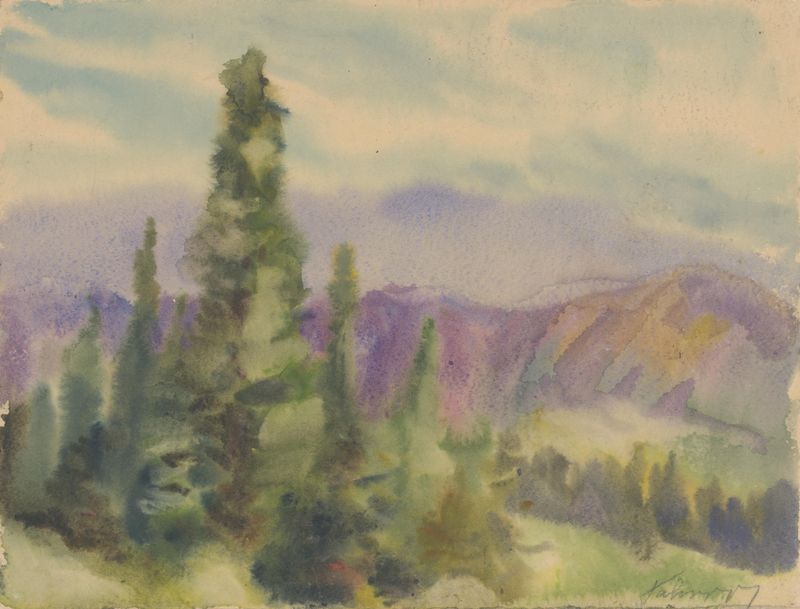
Motif from Liptov Mountains
Zolo Palugyay
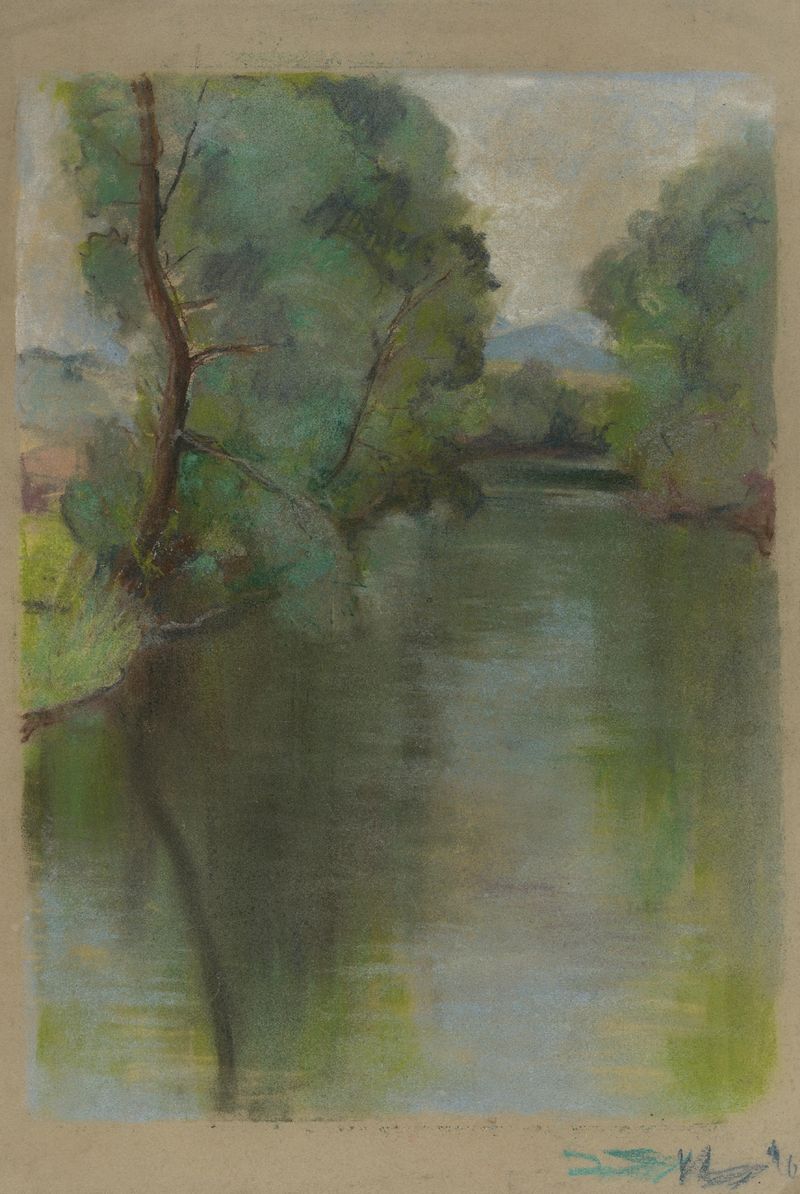
Silent River
Zolo Palugyay
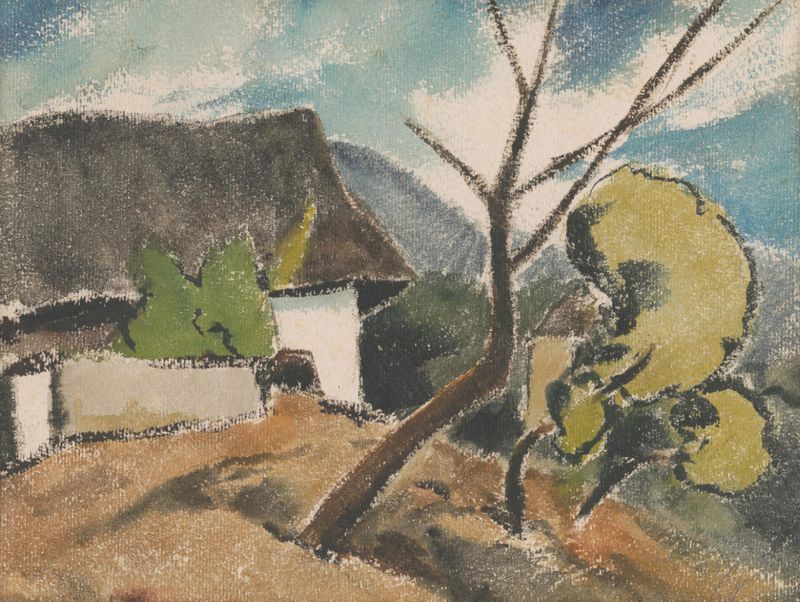
Oravská chalupa
Zolo Palugyay
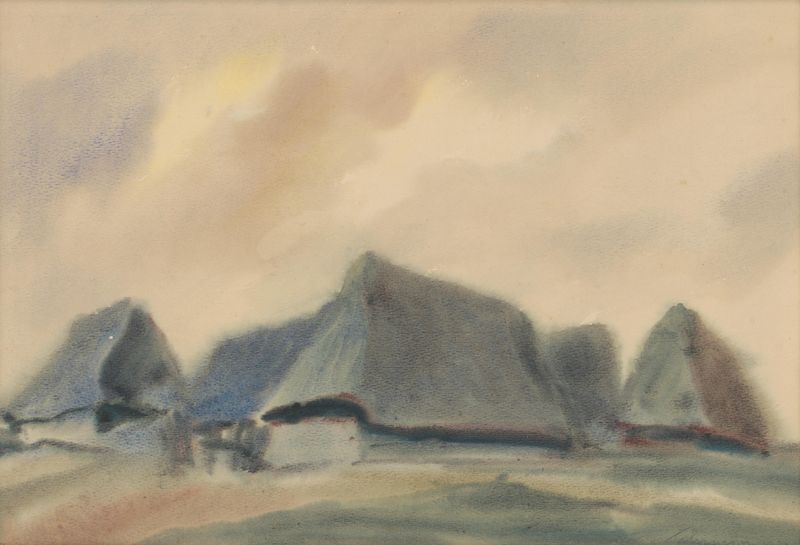
Modré chalupy
Zolo Palugyay
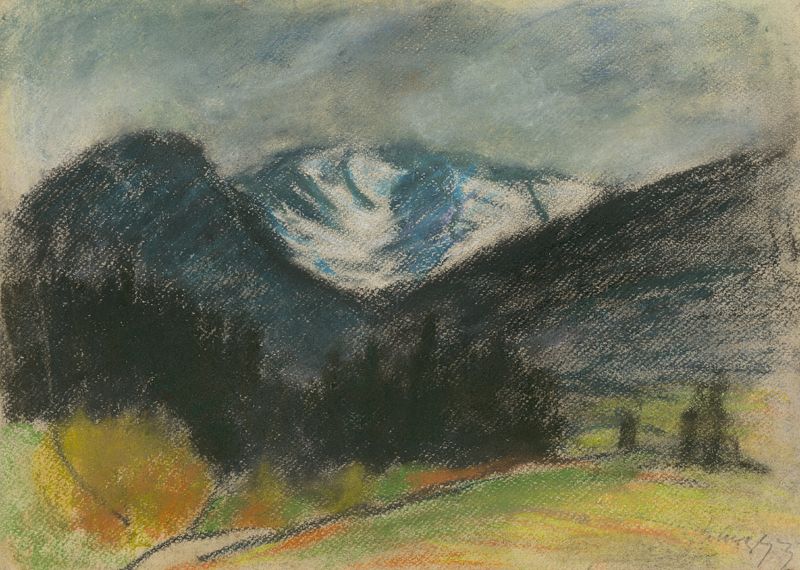
Mountain Landscape with Snowy Peaks
Zolo Palugyay
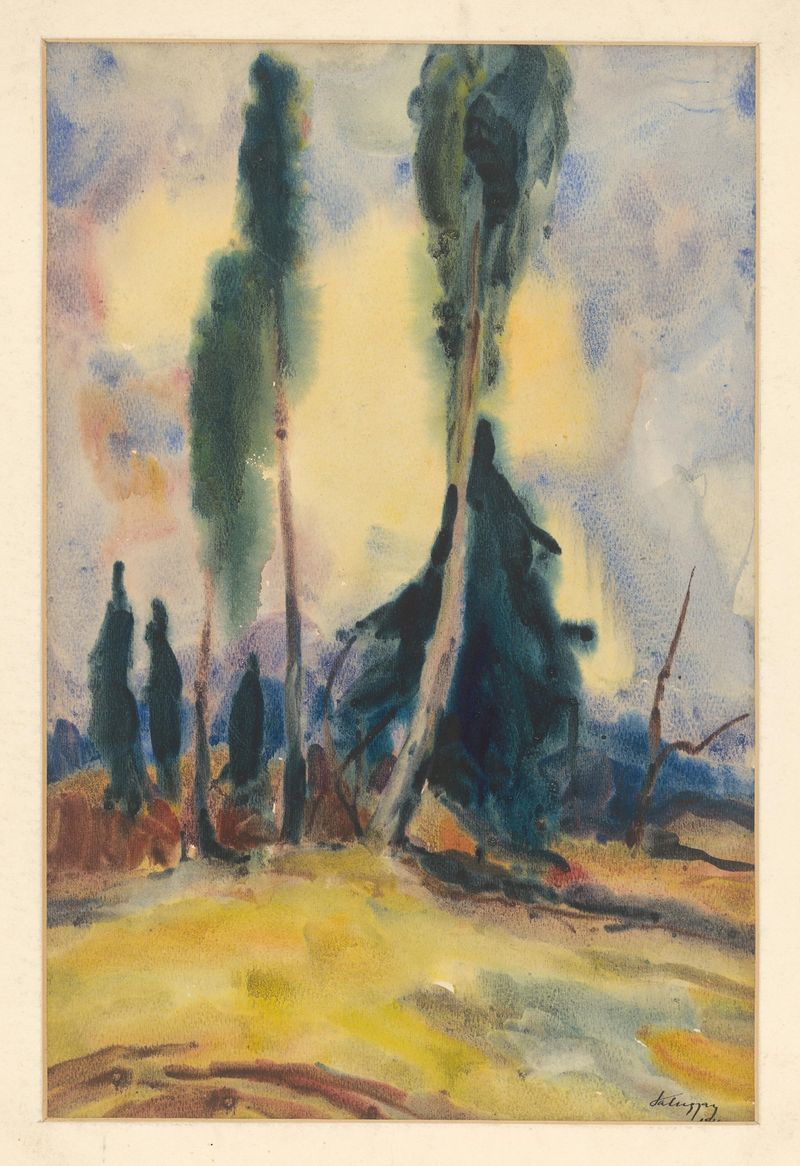
Three Trees on a Plain
Zolo Palugyay
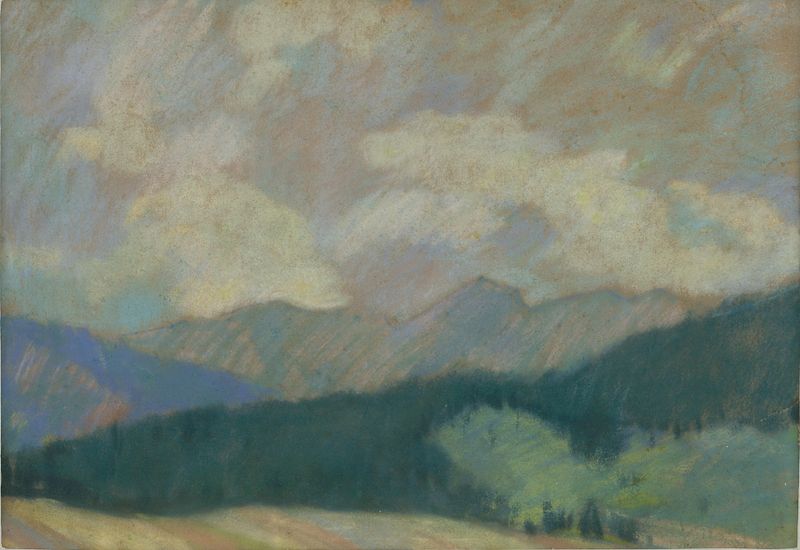
Horská krajina
Zolo Palugyay
Tatra Landscape
Zolo Palugyay
Spring Landscape
Zolo Palugyay





