
Butterflies (Kochō), Illustration to Chapter 24 of the Tale of Genji (Genji monogatari) — História e Análise
Quando é que a cor aprendeu a mentir? No mundo de Kochō, sussurra segredos há muito velados pela beleza, atraindo-nos para um tapeçário de loucura envolto em graça. Olhe para a esquerda para o delicado esvoaçar das borboletas, cujas asas são um caleidoscópio de cores, vibrantes contra o fundo suave. Note como o meticuloso trabalho de pincel de Tosa Mitsunobu captura os padrões intrincados que dançam nas suas superfícies, cada pincelada um testemunho da sua maestria. Os tons quentes de ouro e carmesim contrastam com os brancos e azuis etéreos, evocando uma sensação de beleza efémera que oscila à beira do desespero.
O equilíbrio da composição cria um tableau sereno, mas a vivacidade das borboletas sugere um tumulto subjacente. Aprofunde-se no simbolismo; estas borboletas incorporam a transitoriedade da beleza, refletindo as complexidades do amor e do desejo encontradas no Conto de Genji. As suas posições dispersas sugerem uma paisagem emocional caótica, cada criatura que esvoaça representando um fragmento da experiência humana — alegria, tristeza e a loucura do desejo. Observe a tensão subtil entre a qualidade onírica das borboletas e as bordas rígidas da pintura, espelhando as limitações das normas sociais na narrativa. No início do século XVI, durante o período Muromachi, o artista criou esta peça enquanto o Japão estava imerso na exploração artística e na troca cultural.
Tosa Mitsunobu, uma figura influente dentro da escola Tosa, fundiu a estética japonesa tradicional com novas influências, marcando um momento crucial na evolução da arte. O seu trabalho nesta época reflete tanto a introspecção pessoal quanto as mudanças sociais mais amplas, à medida que a arte começou a explorar temas de profundidade emocional e a natureza frágil da existência.
Mais obras de Tosa Mitsunobu
Ver tudo →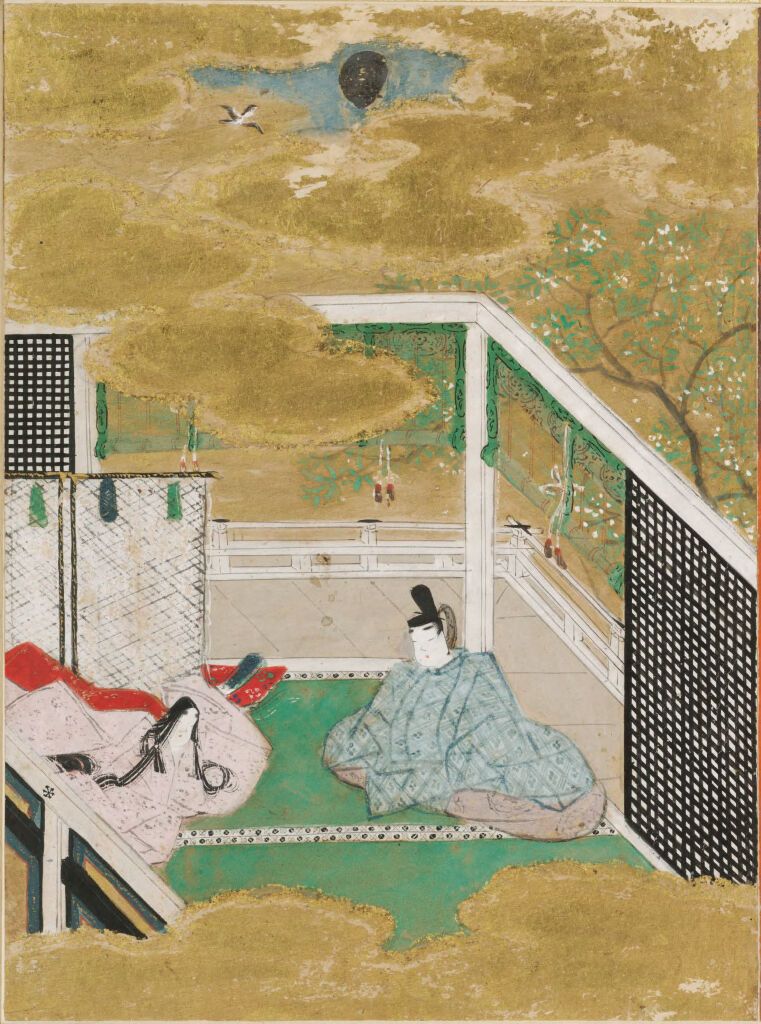
Falling Flowers (Hanachirusato), Illustration to Chapter 11 of the Tale of Genji (Genji monogatari)
Tosa Mitsunobu
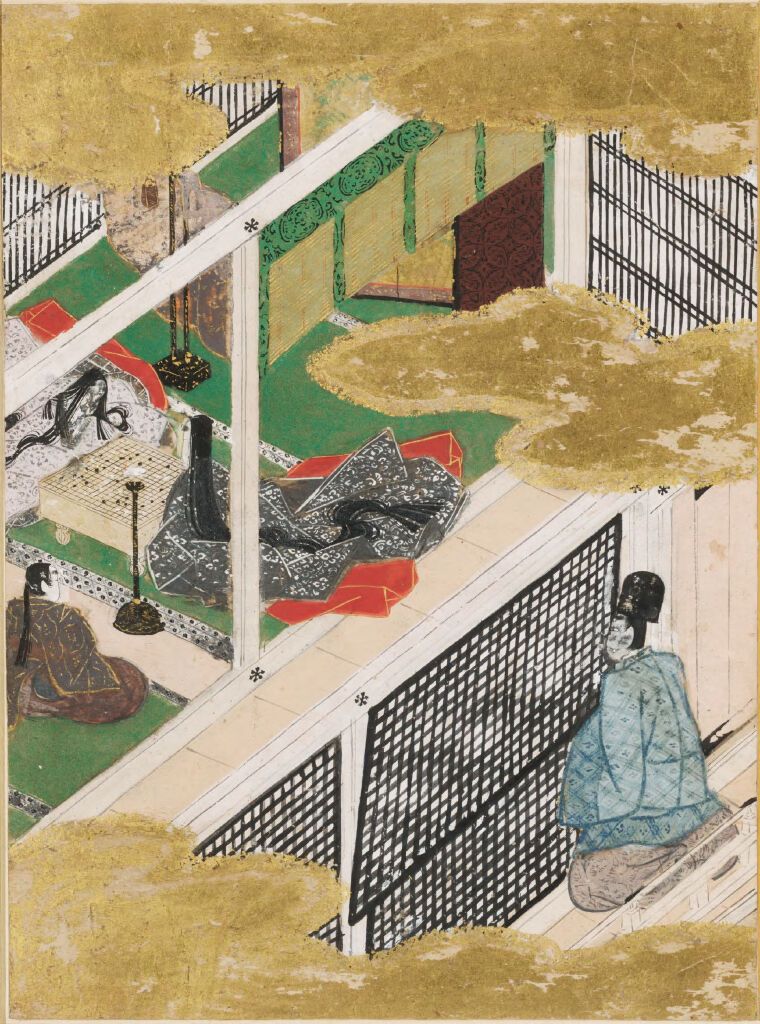
The Cicada Shell (Utsusemi), Illustration to Chapter 3 of the Tale of Genji (Genji monogatari)
Tosa Mitsunobu
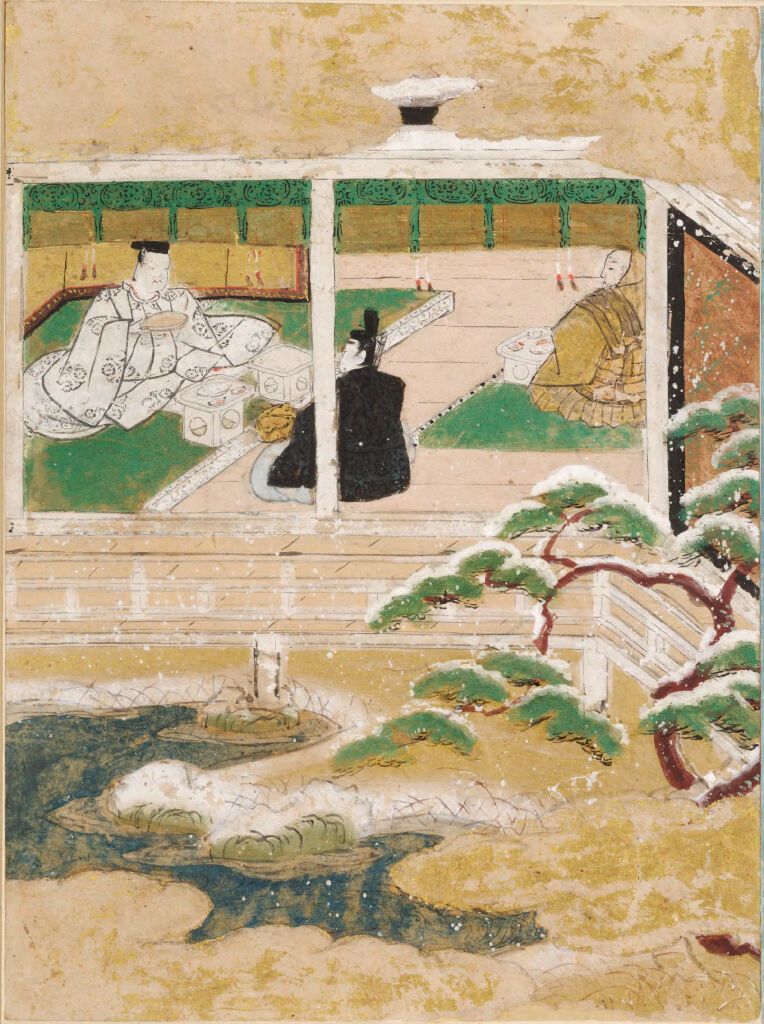
The Seer (Maboroshi), Illustration to Chapter 41 of the Tale of Genji (Genji monogatari)
Tosa Mitsunobu
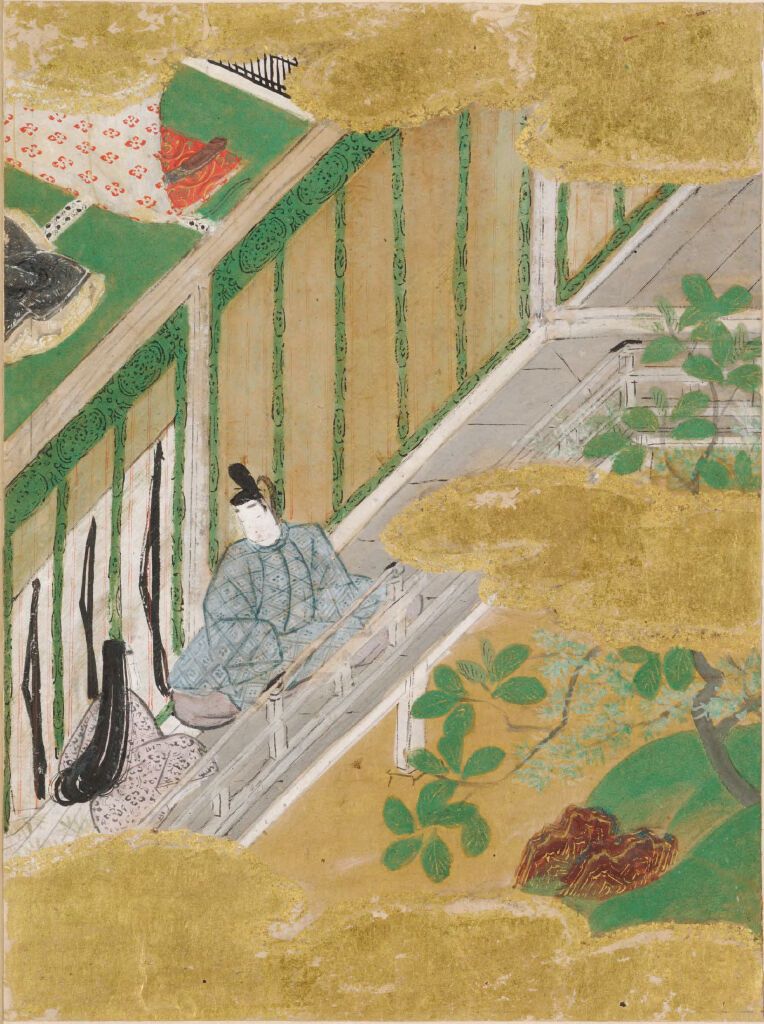
The Oak Tree (Kashiwagi), Illustration to Chapter 36 of the Tale of Genji (Genji monogatari)
Tosa Mitsunobu
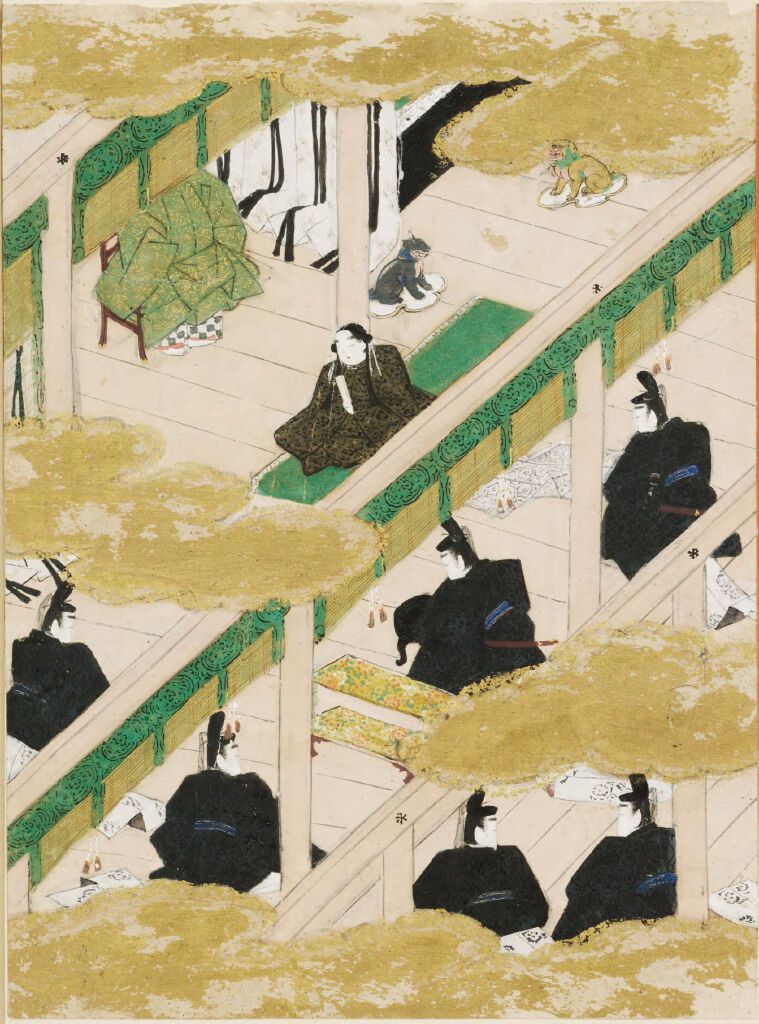
The Paulownia Pavilion (Kiritsubo), Illustration to Chapter 1 of the Tale of Genji (Genji monogatari)
Tosa Mitsunobu
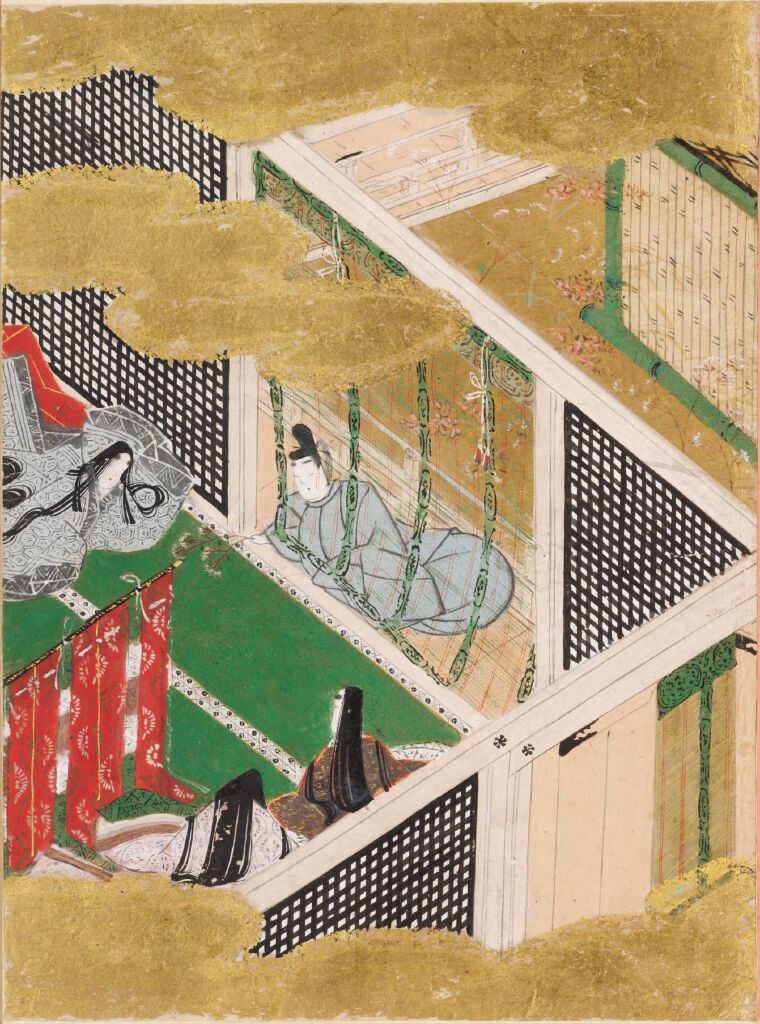
Thoroughwort Flowers (Fujibakama), Illustration to Chapter 30 of the Tale of Genji (Genji monogatari)
Tosa Mitsunobu

Under the Cherry Blossoms (Hana no En), Illustration to Chapter 8 of the Tale of Genji (Genji monogatari)
Tosa Mitsunobu

The Pilgrimage to Sumiyoshi (Miotsukushi), Illustration to Chapter 14 of the Tale of Genji (Genji monogatari)
Tosa Mitsunobu
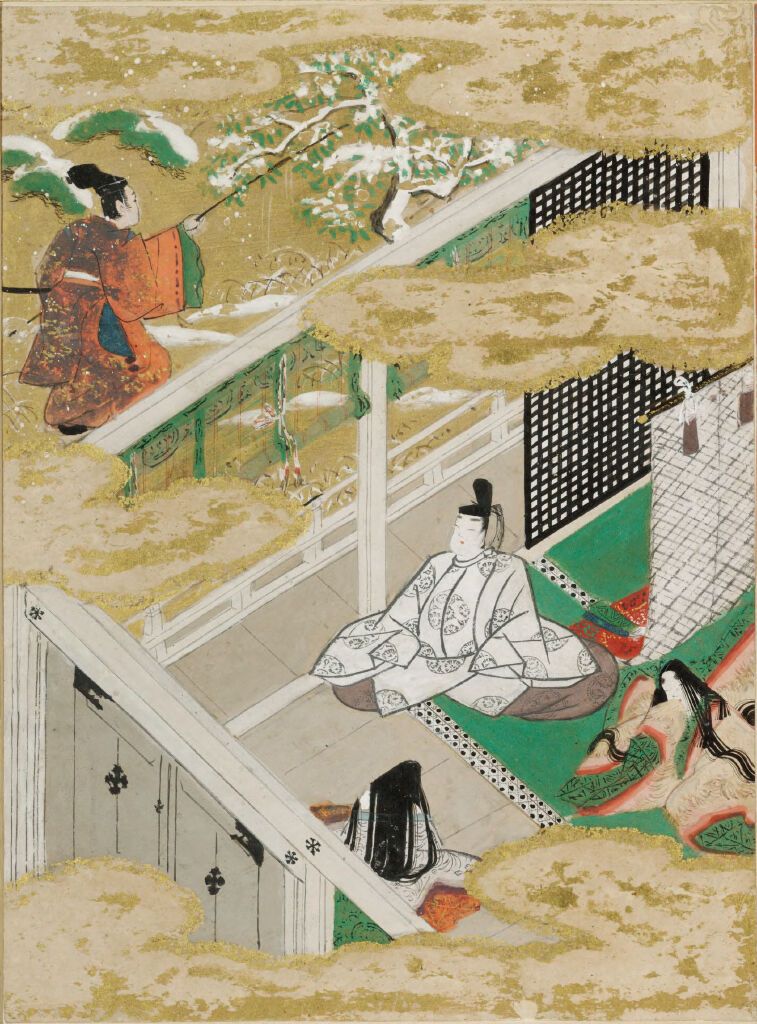
The Safflower (Suetsumuhana), Illustration to Chapter 6 of the Tale of Genji (Genji monogatari)
Tosa Mitsunobu
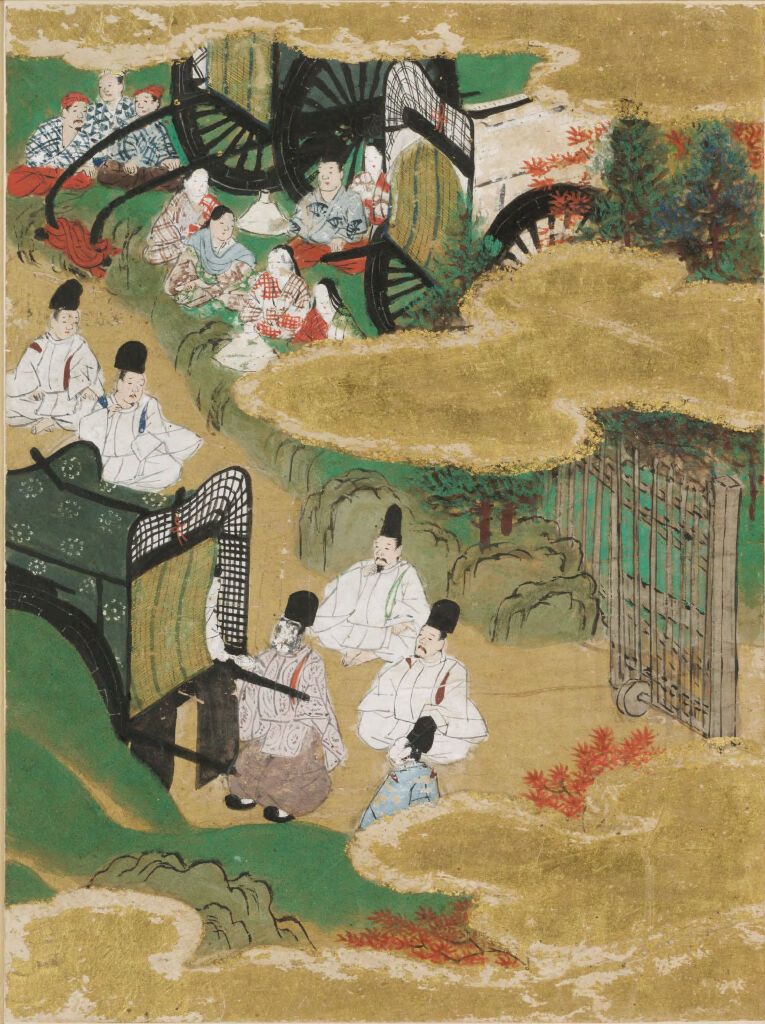
At the Pass (Sekiya), Illustration to Chapter 16 of the Tale of Genji (Genji monogatari)
Tosa Mitsunobu
Mais arte de Ilustração
Ver tudo →Falling Flowers (Hanachirusato), Illustration to Chapter 11 of the Tale of Genji (Genji monogatari)
Tosa Mitsunobu
The Cicada Shell (Utsusemi), Illustration to Chapter 3 of the Tale of Genji (Genji monogatari)
Tosa Mitsunobu
The Seer (Maboroshi), Illustration to Chapter 41 of the Tale of Genji (Genji monogatari)
Tosa Mitsunobu
The Oak Tree (Kashiwagi), Illustration to Chapter 36 of the Tale of Genji (Genji monogatari)
Tosa Mitsunobu
The Paulownia Pavilion (Kiritsubo), Illustration to Chapter 1 of the Tale of Genji (Genji monogatari)
Tosa Mitsunobu
Thoroughwort Flowers (Fujibakama), Illustration to Chapter 30 of the Tale of Genji (Genji monogatari)
Tosa Mitsunobu