
Caprice, avec arc triomphal en ruine et paysage du bord de la lagune — História e Análise
Color transitions in Caprice, avec arc triomphal en ruine et paysage du bord de la lagune evoke a sense of nostalgia, whispering stories of time and tranquility. The hues blend seamlessly, capturing not just a moment, but a feeling—a memory echoed in the mind’s eye. Look to the left at the soft blues and greens that dominate the serene lagoon, where water meets sky in a gentle embrace. Notice how the warm earth tones of the crumbling arch draw the eye, creating a harmonious contrast with the lively colors of the landscape.
The delicate brushwork conveys movement, as if the clouds themselves are drifting lazily above, while the architectural ruins invite contemplation about the passage of time. The composition’s balance leads the viewer through a serene journey, with each detail meticulously placed to evoke a sense of longing and discovery. Beneath the surface, the painting speaks to themes of decay and renewal. The arch, majestic yet fragmented, serves as a reminder of past grandeur, while the vibrant landscape hints at life continuing in its shadows.
The interplay of light and color creates an emotional tension between the fleeting nature of beauty and the enduring presence of history. This duality invites the viewer to reflect on their own experiences and the transient moments that shape their existence. In the 18th century, Francesco Guardi captured this scene in Venice, a time when the city was a vibrant center of art and culture. As he painted, the shift towards Romanticism began to influence the artistic landscape, encouraging a more emotive expression in works like this one.
Guardi’s innovative use of light and color reflected both personal and artistic evolution, contributing significantly to the development of Venetian landscape painting.
Mais obras de Francesco Guardi
Ver tudo →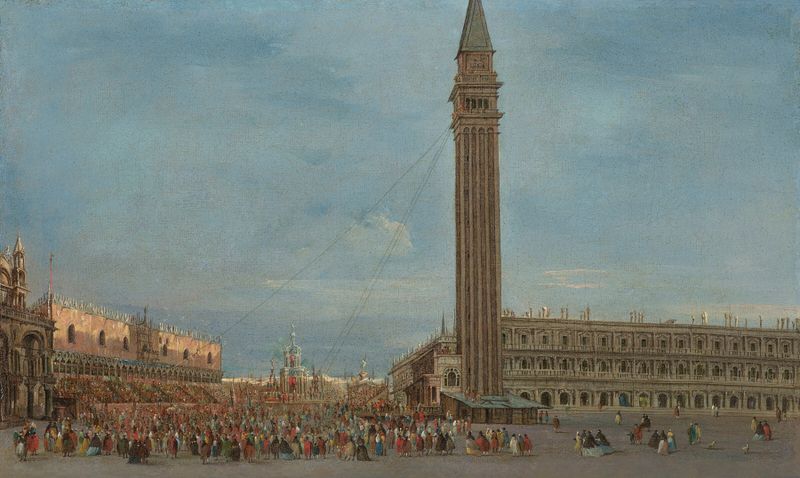
Venice, the Piazzetta San Marco with the Festival of Giovedì Grasso
Francesco Guardi
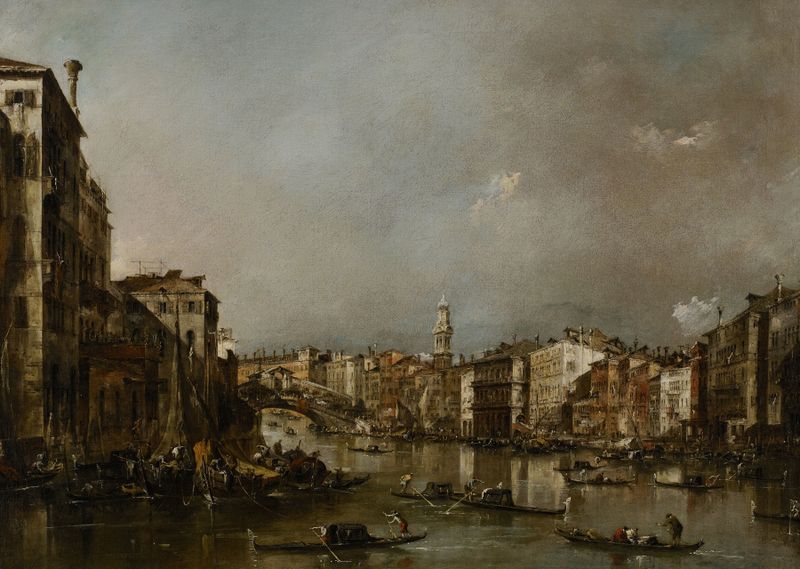
View up the Grand Canal toward the Rialto
Francesco Guardi
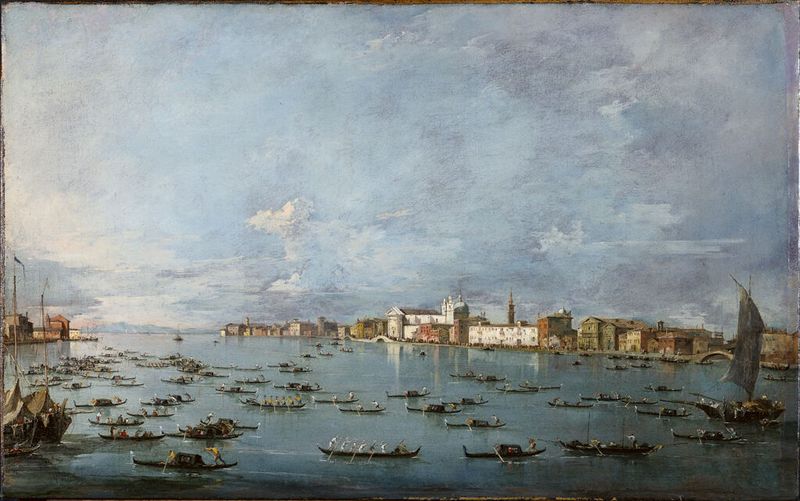
The Fondamenta della Zattere, Venice
Francesco Guardi
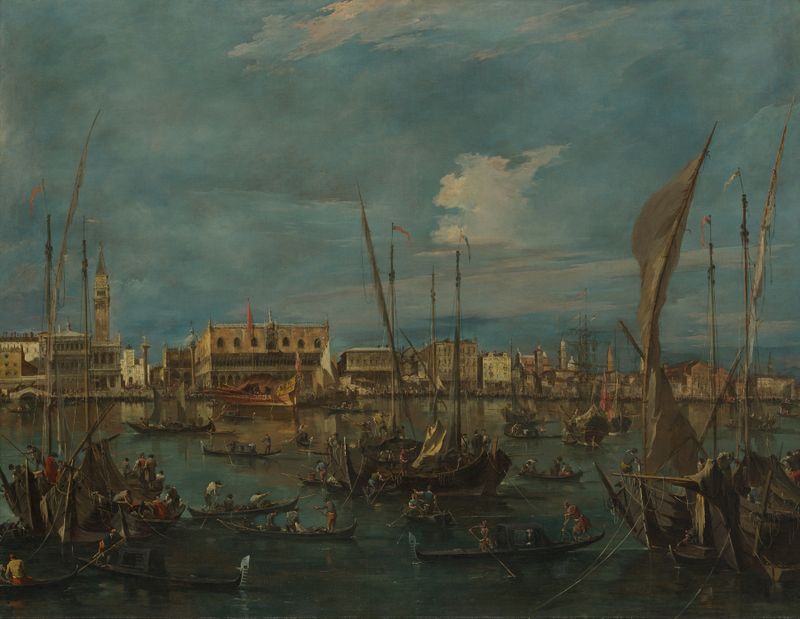
Venice from the Bacino di San Marco
Francesco Guardi

Venice, the Piazzetta looking south, with a view of the Doge’s Palace and the Biblioteca Marciana, the island of San Giorgio Maggiore beyond
Francesco Guardi

Venice, The Rialto
Francesco Guardi
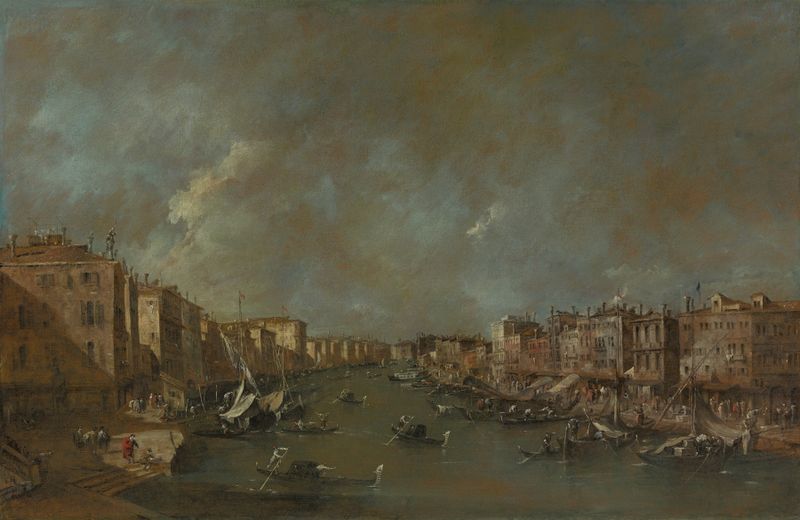
View of the Grand Canal from the Ponte di Rialto
Francesco Guardi
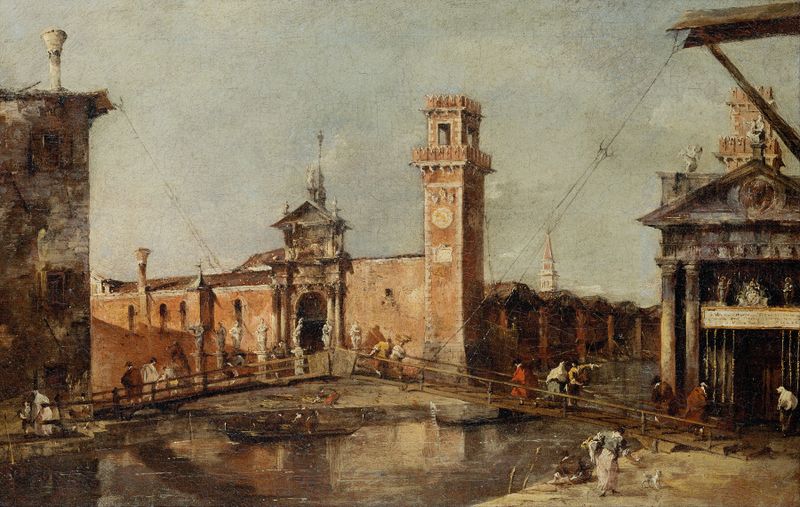
The Entrance to the Arsenal in Venice
Francesco Guardi
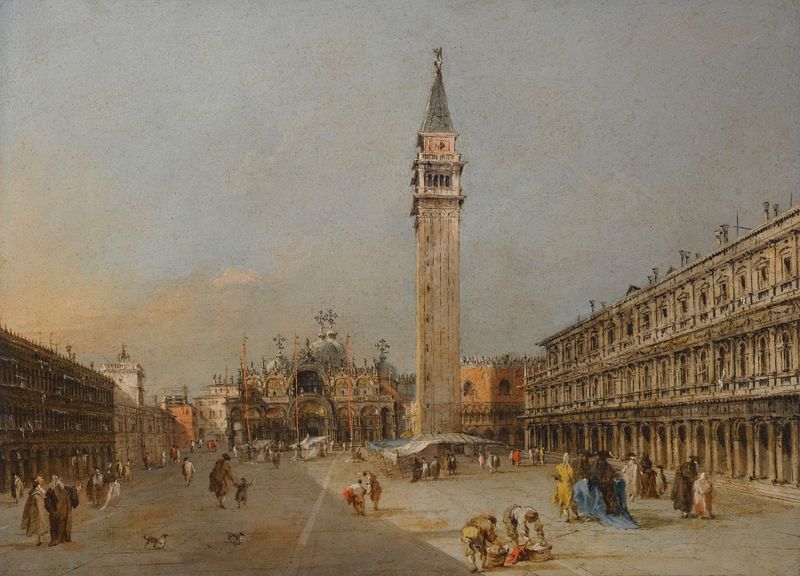
The Piazza San Marco With The Basilica And Campanile
Francesco Guardi
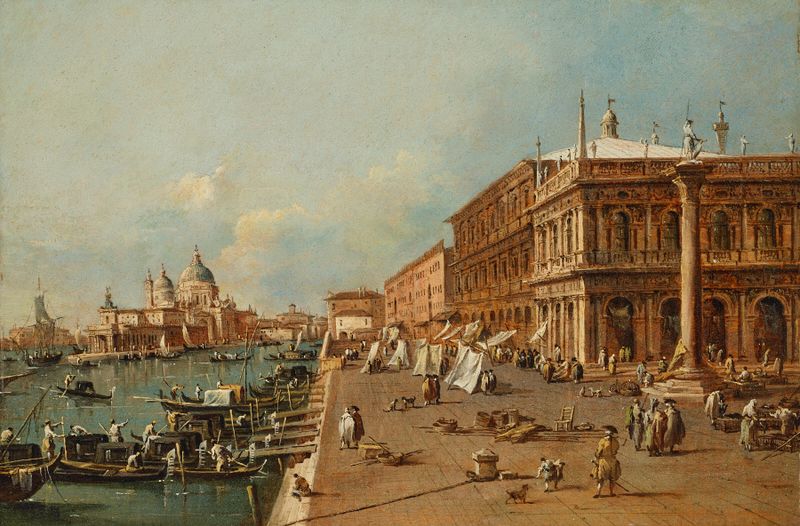
Venice; The Molo with the Libreria, the Punta della Dogana and Santa Maria della Salute
Francesco Guardi





